The instinct to clean a dirty coin is completely natural and almost always wrong. Cleaning is the single most costly mistake beginners make in this field, it is entirely irreversible, and it can remove the larger part of a coins value in less time than it takes to read this sentence. Understanding why requires knowing what collectors are actually paying for.
What are collectors buying?
Original surface. A coin that has never been cleaned retains the exact metal surface produced when it was struck, along with whatever toning has developed since. Grading, which drives price more than almost anything else, is largely an assessment of how much of that original surface survives.
A cleaned coin is described in the trade as damaged regardless of how attractive it looks afterwards, and that description follows it permanently. Two coins with identical wear can differ enormously in price purely on this basis.
What does cleaning actually do?
It removes metal. Any abrasive, including a cloth, a brush, toothpaste or metal polish, drags microscopic particles across the surface and leaves fine parallel scratches called hairlines. Under magnification these are unmistakable, and graders spot them immediately.
Chemical dips work differently but do similar harm. They strip the toned outer layer to leave a bright surface, and that surface is unnaturally flat and lifeless, lacking the subtle depth of original mint lustre. It also begins to retone unevenly and often unattractively.
Is toning damage?
No, and this surprises people. Toning is a stable oxide layer that forms slowly on the surface, and on silver it can produce grey, blue, gold and even iridescent colours. It is not dirt, it does not harm the coin, and it protects the metal underneath.
Attractive original toning frequently adds a premium rather than reducing value. Collectors actively seek well toned examples. Stripping that layer to reveal bright metal destroys something that took a century to form and cannot be recreated.
Are there any exceptions?
Very few, and they concern active harm rather than appearance. A coin with soil, mud or organic residue may need that material removed to prevent ongoing corrosion, and this is done by soaking in distilled water, sometimes for a long period, with no rubbing whatsoever.
Bronze disease, which appears as light green powdery spots on copper alloy coins, is active corrosion that spreads and must be dealt with by a conservator. That is treatment, not cleaning. If in doubt, the correct action is to isolate the affected coin and take advice rather than to attempt anything yourself.
How should you handle coins instead?
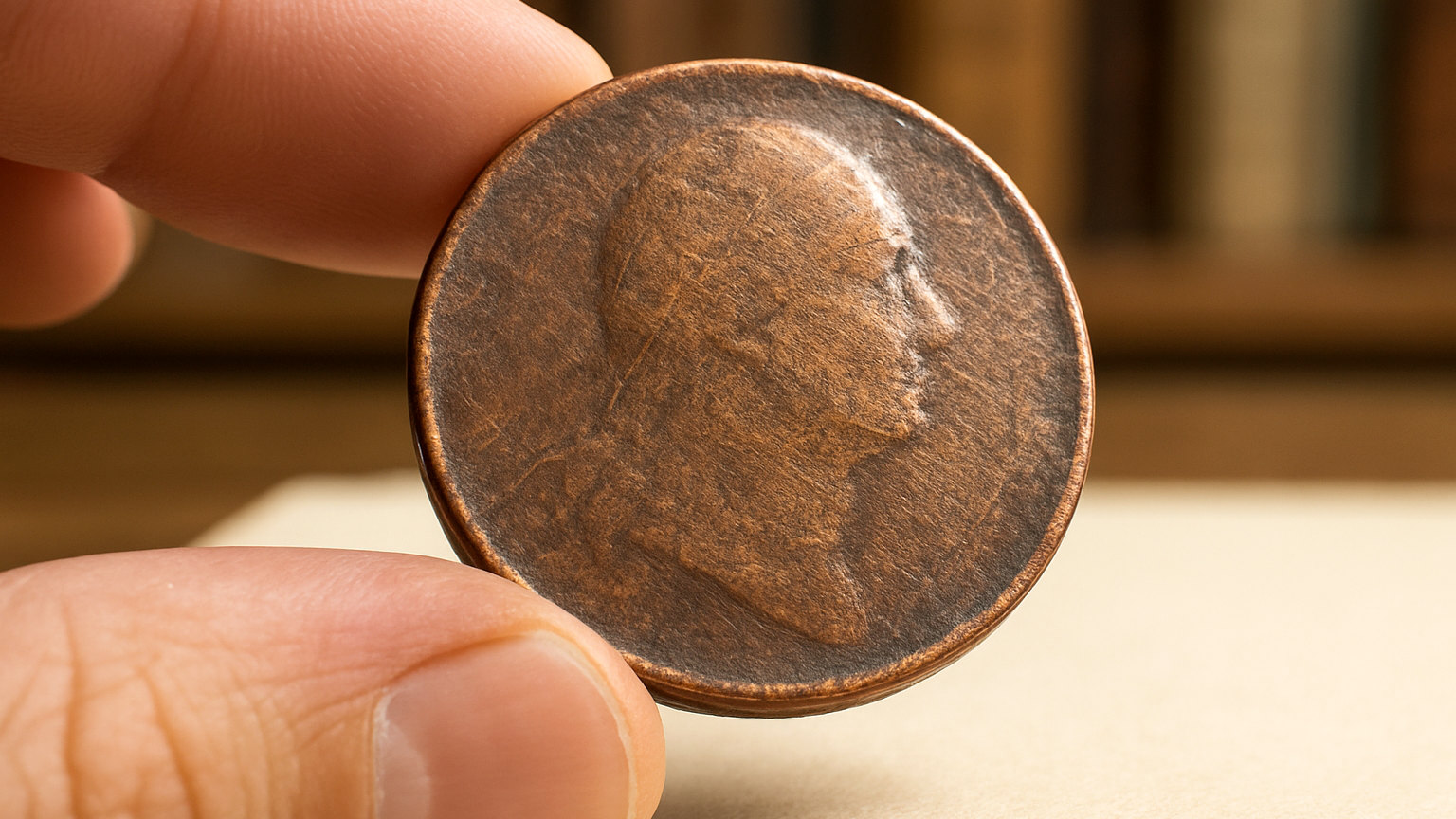
Hold a coin by its edge between thumb and forefinger, never touching the faces. Skin carries oils and salts that etch into the surface over time and leave permanent fingerprints, particularly on proof and uncirculated coins.
Work over a soft surface such as a cloth or a padded tray, because a dropped coin acquires an edge knock that is itself a form of damage. Wear cotton gloves for anything valuable, and never speak directly over a coin, since droplets cause spotting.
How should coins be stored?
In inert materials, in stable conditions. Choose holders made from acid free card or archival grade plastics designed for the purpose. Avoid soft flexible plastics containing plasticisers, which break down over time and leave a green sticky residue that is extremely difficult to remove.
Keep coins dry and at a stable temperature, away from bathrooms, lofts and outside walls where condensation forms. Avoid storing coins loose together in a tin or bag, since they knock against each other and cause rim damage and scratches.
What should you do with a coin you cannot identify?
Photograph both faces and the edge in good natural light, and record the diameter and the weight if you have accurate scales, since weight is often the quickest route to identifying a metal and a denomination.
Take it to a coin dealer or a local numismatic society, both of which will look at it without charge in most cases. Resist the urge to make it look better first. A dealer would far rather see a dirty original coin than a bright cleaned one, and telling you so is usually the first thing they will do.