Jewellery is the category where the gap between an informed valuation and a casual offer is widest, because a weight based figure ignores everything that actually makes a piece valuable. Recording a collection properly is what closes that gap, and it takes an afternoon rather than a specialist.
What should you record for each piece?
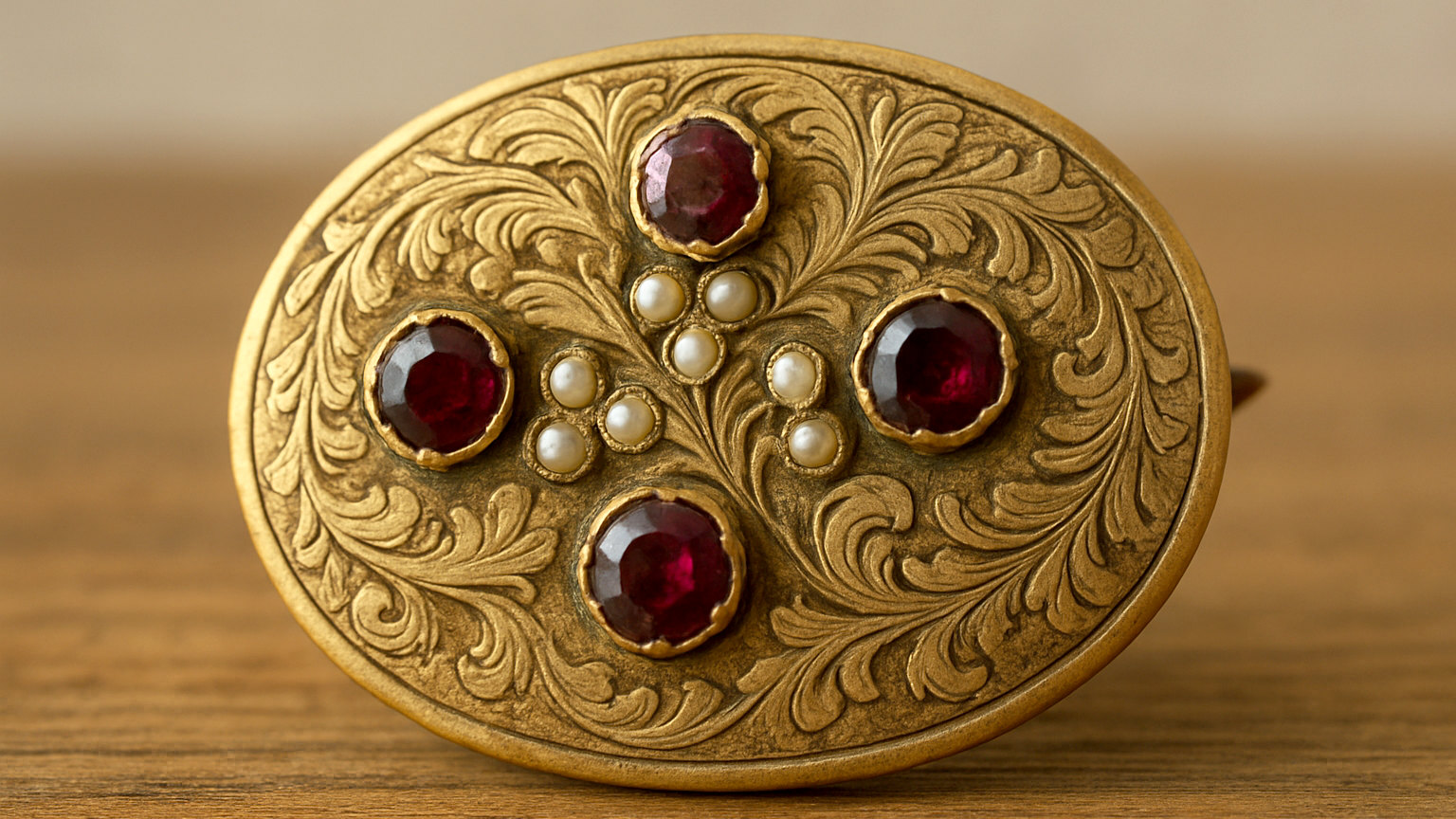
A description, the metal and any marks, the stones with approximate sizes, the dimensions, the weight, and the condition including any damage or repair.
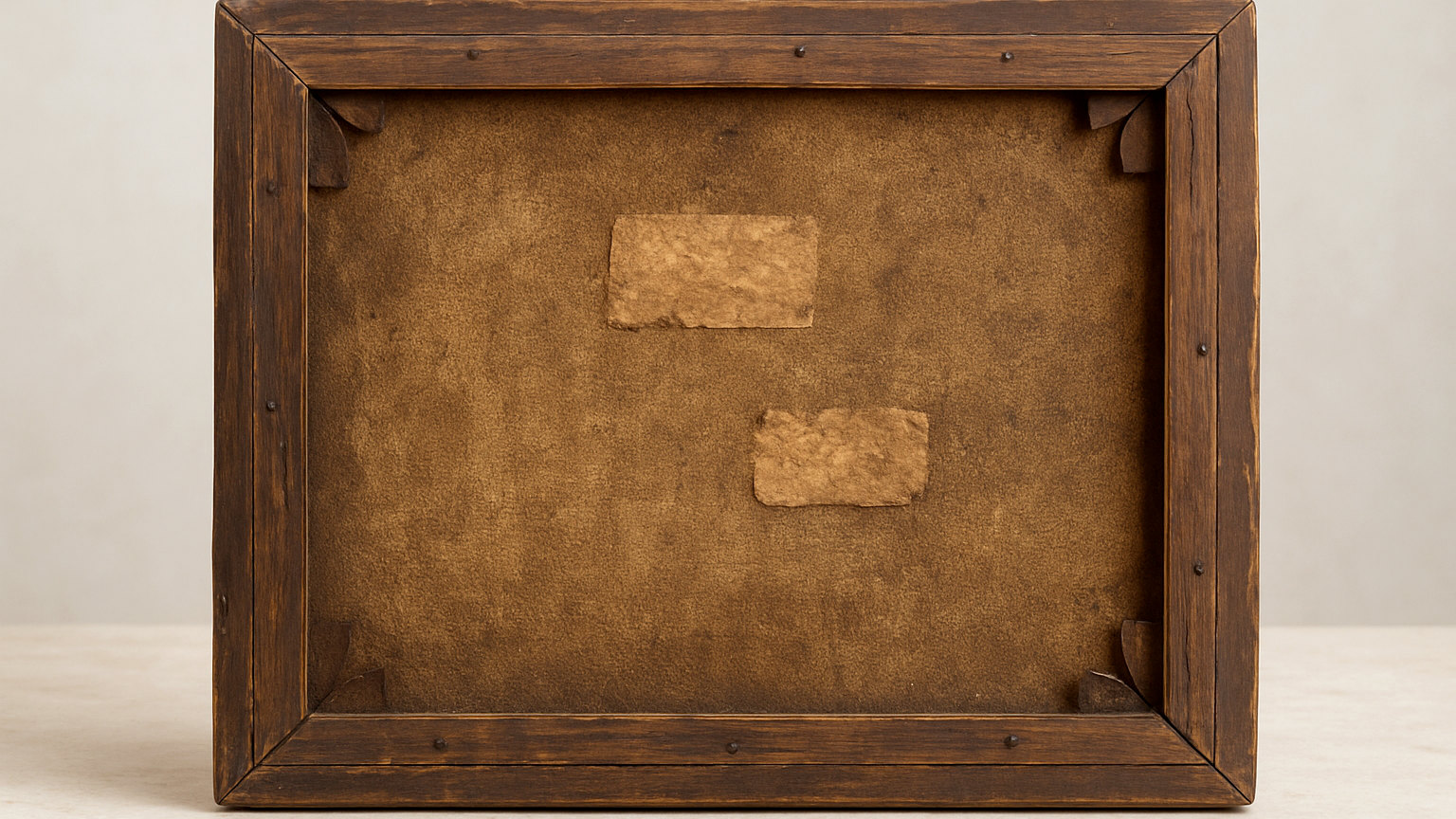
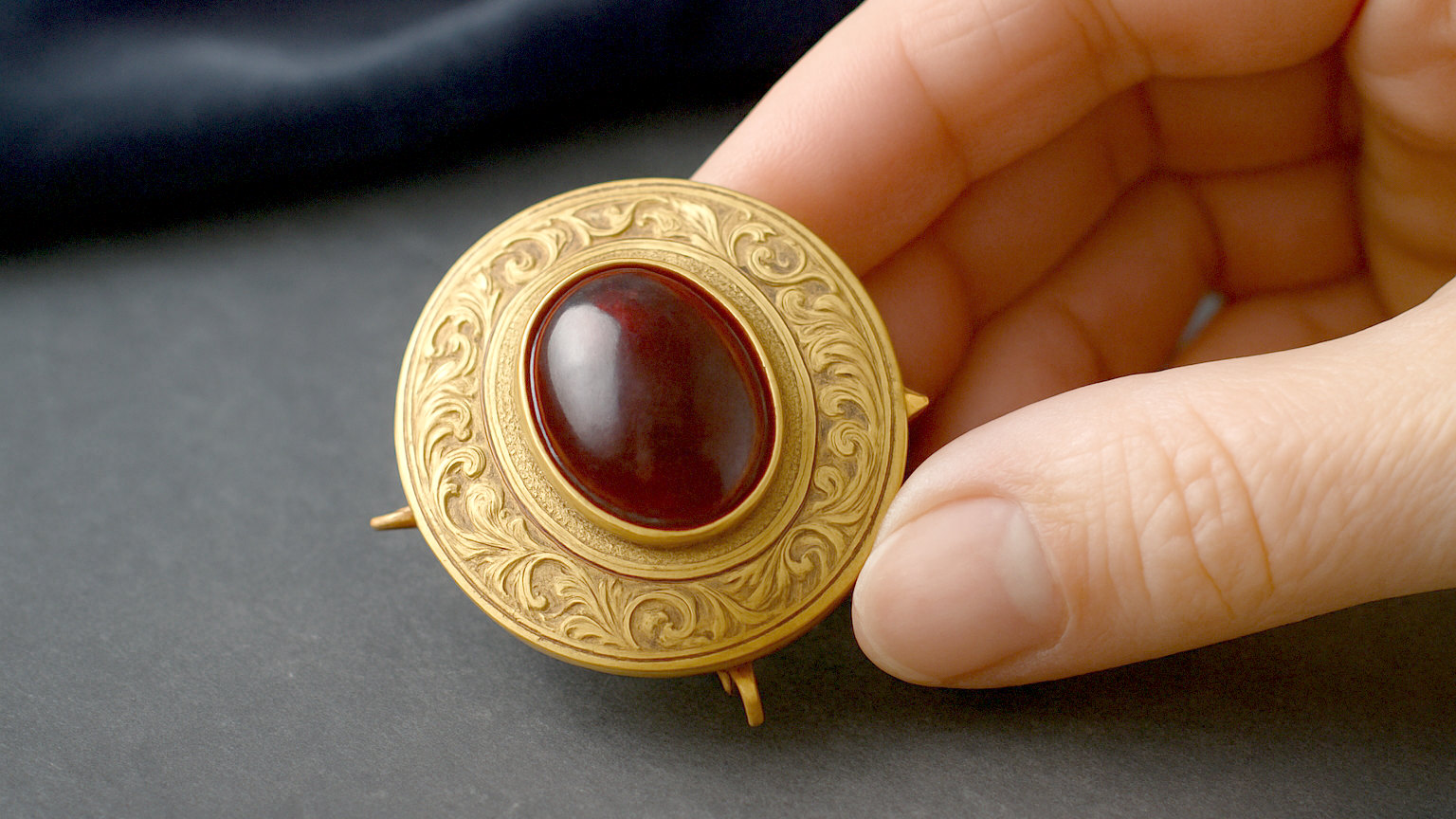
Photograph each piece front and back, plus close details of any mark and any damage. That record is your insurance evidence, it identifies pieces if stolen, and it means a valuer can work efficiently rather than starting from nothing.
How do you establish the metal?
Look for a mark first, inside a ring shank, on a clasp or on the reverse of a brooch. Many antique pieces are unmarked because small items were exempt, so absence proves nothing.
Have anything unmarked tested electronically by a jeweller, which is quick and does no damage. Avoid acid testing kits, which damage the surface permanently for information a specialist obtains without marking the piece.
What about the stones?
Note the cut, since old mine and rose cuts indicate period work and are valued differently from modern stones. Note the colour, the approximate size and whether the setting is open or closed backed.
Do not attempt to identify stones definitively yourself. A gemmologist can test properly, and for anything significant that testing is worth the fee, since the difference between a natural and a synthetic or treated stone is large.
What basis of value do you need?
Replacement value for insurance, which is what it would cost to buy an equivalent from a retail jeweller. Open market value for probate or sale, which is considerably lower.
State the purpose when instructing, since it determines the basis and therefore the entire figure. A document that does not say which basis it uses is not fit for any purpose, and this is the commonest fault in valuations people already hold.
Why do weight based offers cost so much?
Because they value the metal and nothing else. Workmanship, period, design, stones and completeness are all ignored, and on a fine hand made piece those are almost the entire value.
A great deal of irreplaceable jewellery has been melted for exactly this reason. Never accept an offer calculated by the gram without having the pieces assessed by somebody who will look at the workmanship.
Which pieces carry the value?
Usually a few. Fine period settings, good old cut stones, signed pieces, complete parures and anything in an original fitted case account for most of the total in most collections.
Identify those and have them assessed individually. Costume and base metal pieces are worth recording but rarely justify individual valuation, and can reasonably be grouped.
Who should value it?
Somebody who specialises in jewellery and preferably in antique jewellery specifically, since period work is assessed differently from modern. Ask what they have valued in the field.
Check professional body membership, agree the fee basis in writing beforehand, and prefer a fixed fee or hourly rate over a percentage of value, which creates an obvious incentive to value high.
What should the report contain?
The valuer name and qualifications, the date, the purpose, the stated basis, and each piece described in enough detail to identify it beyond doubt with photographs of anything significant.
Check the single article limit on your insurance and ensure anything above it is specified individually, since that cap is where shortfalls occur. A list with a single total and no descriptions will not serve when it is tested.
How often should it be reviewed?
Every few years, and after any acquisition, sale or significant market movement. Gold and gemstone prices move, and period jewellery values have shifted considerably.
Keep the records somewhere other than with the jewellery, backed up, along with the photographs. Tell somebody the collection exists and where the records are, since jewellery is the category most frequently sold cheaply by families who did not know what they had.