Ask what an old coin is worth and the honest first answer is another question: what grade is it? Two examples of the same coin from the same year can differ tenfold or more in price purely on condition, which makes grading the single most valuable skill in the field and the one beginners most often skip.
What do the standard grades mean?
The scale runs from poor at the bottom to uncirculated at the top. Poor and fair describe coins so worn that the design is barely readable. Good and very good indicate heavy wear with the main outlines clear but fine detail gone.
Fine means moderate even wear with the major details visible. Very fine shows light wear on the high points only, with most detail sharp. Extremely fine has only slight wear on the very highest points. Uncirculated means no wear at all from circulation, though it may still have small marks from handling at the mint.
Where does wear appear first?
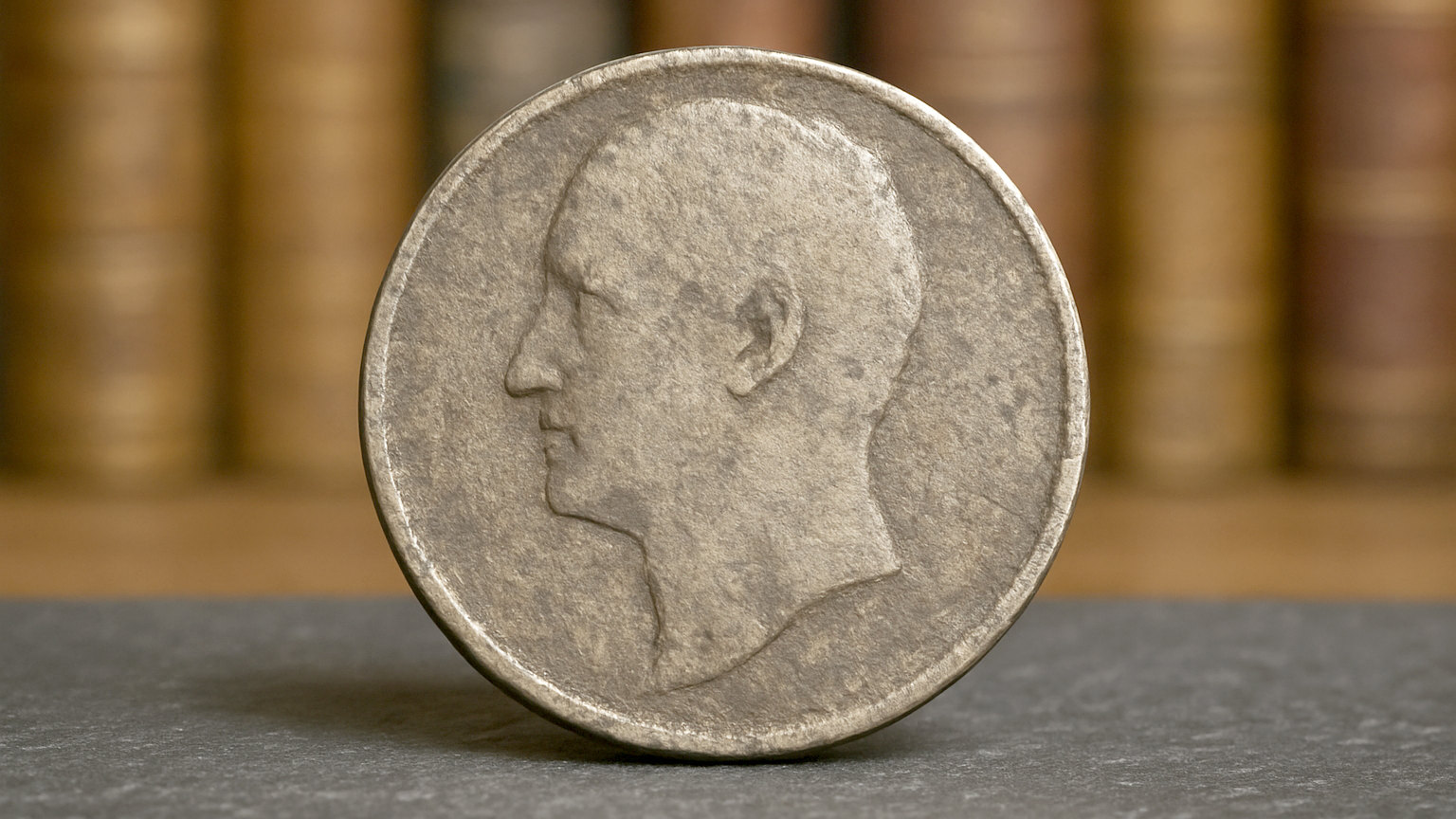
On the highest points of the design, because those touch other coins and surfaces first. On a portrait that usually means the cheekbone, the brow, the hair above the ear and the shoulder or drapery.
On the reverse it means whatever stands proudest, often the centre of a shield, the raised parts of a figure, or the tops of lettering. Learn the specific high points for the coin you are grading, since these vary by design, and check those areas first rather than forming a general impression.
How should you actually look at a coin?
Under a single strong light, tilted slowly so the light rakes across the surface at different angles. Hold it by the edge over a soft cloth so a drop does no damage.
Use magnification of modest power rather than very high, since extreme magnification exaggerates minor marks and makes everything look worse than it is. Compare against published photographic grading guides for that specific coin, which is far more reliable than working from a written definition alone.
What is lustre and why does it matter?
The original mint surface, which reflects light in a distinctive rotating pattern as you turn the coin. It results from the flow of metal during striking and it is destroyed by both circulation and cleaning.
Presence of full original lustre is what separates the top grades from the rest, and it is the feature most damaged by well meaning polishing. A coin with strong lustre and a few small marks is worth far more than a smooth bright coin with none.
How do you spot a cleaned coin?
Hairlines and unnatural brightness. Cleaning leaves fine parallel scratches running in one direction, visible when the coin is tilted under a light, and it produces a flat brightness that lacks the depth of original surface.
A cleaned coin is described as damaged regardless of how attractive it looks, and it sits outside the normal grading scale. This is why the standard advice is absolute: never clean a coin, because the loss is permanent and usually far larger than any gain in appearance.
What other damage sits outside the grade?
Holes, whether from mounting as jewellery or otherwise, and any filling of such a hole. Edge knocks, bends, scratches deep enough to break the surface, and corrosion pitting.
Graffiti, meaning letters or marks scratched into the surface by a previous owner, and any evidence of tooling where detail has been re engraved to improve appearance. Each of these reduces value substantially and must be disclosed when selling, since they are considered problems rather than wear.
When is professional grading worth it?
When the coin is valuable enough that the difference between two adjacent grades exceeds the cost of the service, and when you intend to sell to a wide market that will not handle the coin first.
Third party grading services examine, grade and seal coins in tamper evident holders, which removes argument about condition and makes remote selling far easier. For ordinary circulated coins the cost is disproportionate, and a dealer opinion is entirely sufficient.