Tokens turn up constantly among inherited coins and are frequently dismissed as foreign coins or curiosities. They are neither. They were private currency, issued by named businesses and local authorities during periods when official small change was genuinely scarce, and they are collected largely for the local history they record.
What is a trade token?
A privately issued piece of metal money, produced by a merchant, manufacturer or local authority and accepted in payment locally, usually redeemable at the issuer premises.
They were issued because official low denomination coinage was in short supply, leaving businesses unable to give change or pay wages. Rather than wait for the mint, they made their own. Most carry the issuer name, trade and town, which is exactly what makes them interesting now.
What is on them?
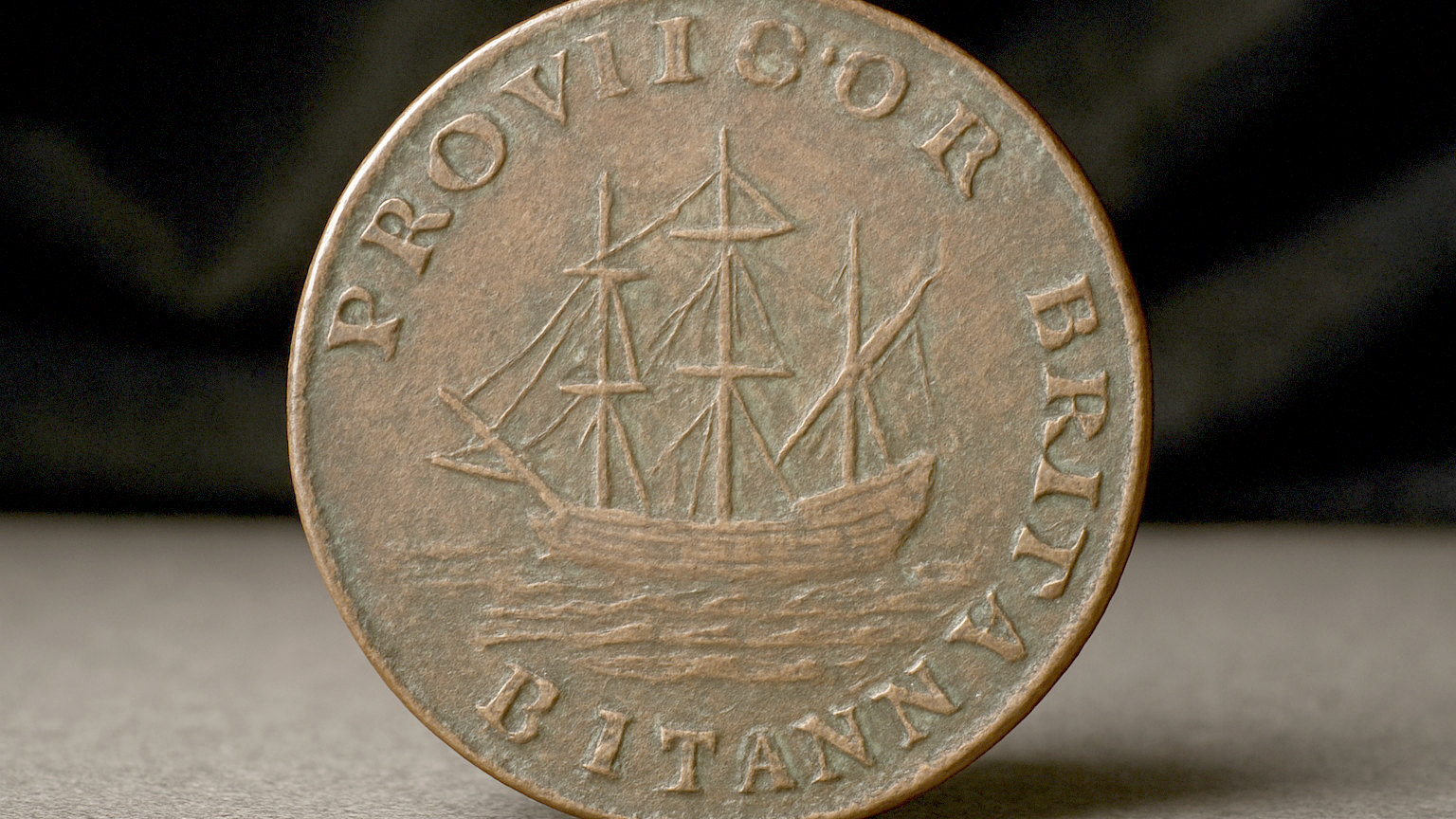
Typically the issuer name, the town, the value and a date, together with a device relating to the business or the place. Mills, ships, factory buildings, coats of arms and trade emblems all appear.
Some carry an edge inscription stating where they could be redeemed. Read every surface including the edge, and record the wording exactly, since the name and town together are the key to identifying and valuing the piece.
Why does the issuer matter most?
Because the collector base is largely local historians and people researching a particular town, trade or business rather than numismatists collecting by type.
A token from a small village issued in tiny numbers can be worth considerably more than a common one from a large city, because the people who want it have almost no alternatives. Identify the place before consulting any general price, since location drives the value here more than condition does.
How do you tell a token from a coin?
By the absence of a monarch or state issuing authority and by the presence of a private name. A coin carries a head of state and a national denomination; a token carries a business.
Tokens are frequently slightly irregular in size and weight compared with official coinage, since standards varied between issuers. Some deliberately imitate the appearance of official coins, so read the legend rather than judging by the general look.
What other kinds turn up?
Communion tokens issued by churches, pub checks and beer tokens, transport tokens, co operative society tokens, and truck tokens issued by employers redeemable only at a company shop.
Advertising tickets and unofficial farthings are related and collected alongside. Model coins, miniature imitations made as toys or advertising novelties, are frequently mistaken for tokens. Establishing which category a piece belongs to determines which reference to consult.
How are they catalogued?
By county and town rather than by date, which reflects how they are collected. Standard reference works list tokens geographically with a number for each issuer and variety.
That means you need the town before you can look anything up. Where the legend is worn, the device may identify the trade and narrow the search. Local record offices and history societies frequently know their own tokens well and are a good source when references fail.
What condition should you expect?
Worn, generally, since these circulated hard and were made from soft copper. High grade examples are genuinely scarce and command real premiums.
Assess as with any copper coinage: check the high points for wear, look for even stable patina rather than cleaned brightness, and check for the pale powdery green spots of active corrosion. Never clean a token, since patina is valued and cleaning is treated as damage.
Are they worth collecting?
They are among the most affordable ways into numismatics, and they connect directly to local history in a way official coinage does not. A token names a real business at a real address.
Researching the issuer through trade directories and local archives is genuinely rewarding and adds value, since documented history makes a token more saleable. Keep the research with the piece, and check any inherited group against a catalogue before selling, since a scarce village issue can sit unnoticed among common ones.