Between solid silver and electroplated ware sits a third material that confuses a great many people. Old Sheffield plate was made by fusing sheet silver to copper and working the combined sheet as a single material, and it predates electroplating entirely. It is neither solid nor plated in the modern sense, and it is collected seriously in its own right.
How was it made?
A sheet of silver was placed against a thicker ingot of copper and the two were heated until they bonded, then rolled out together. The resulting sheet had silver permanently fused to one or both faces and could be cut, raised, spun and soldered exactly like solid metal.
That is the crucial difference from electroplating, which deposits a microscopically thin layer of silver onto a finished object using electricity. Fused plate carries a substantial thickness of real silver worked as part of the structure, which is why it wears so differently.
What does wear look like on fused plate?
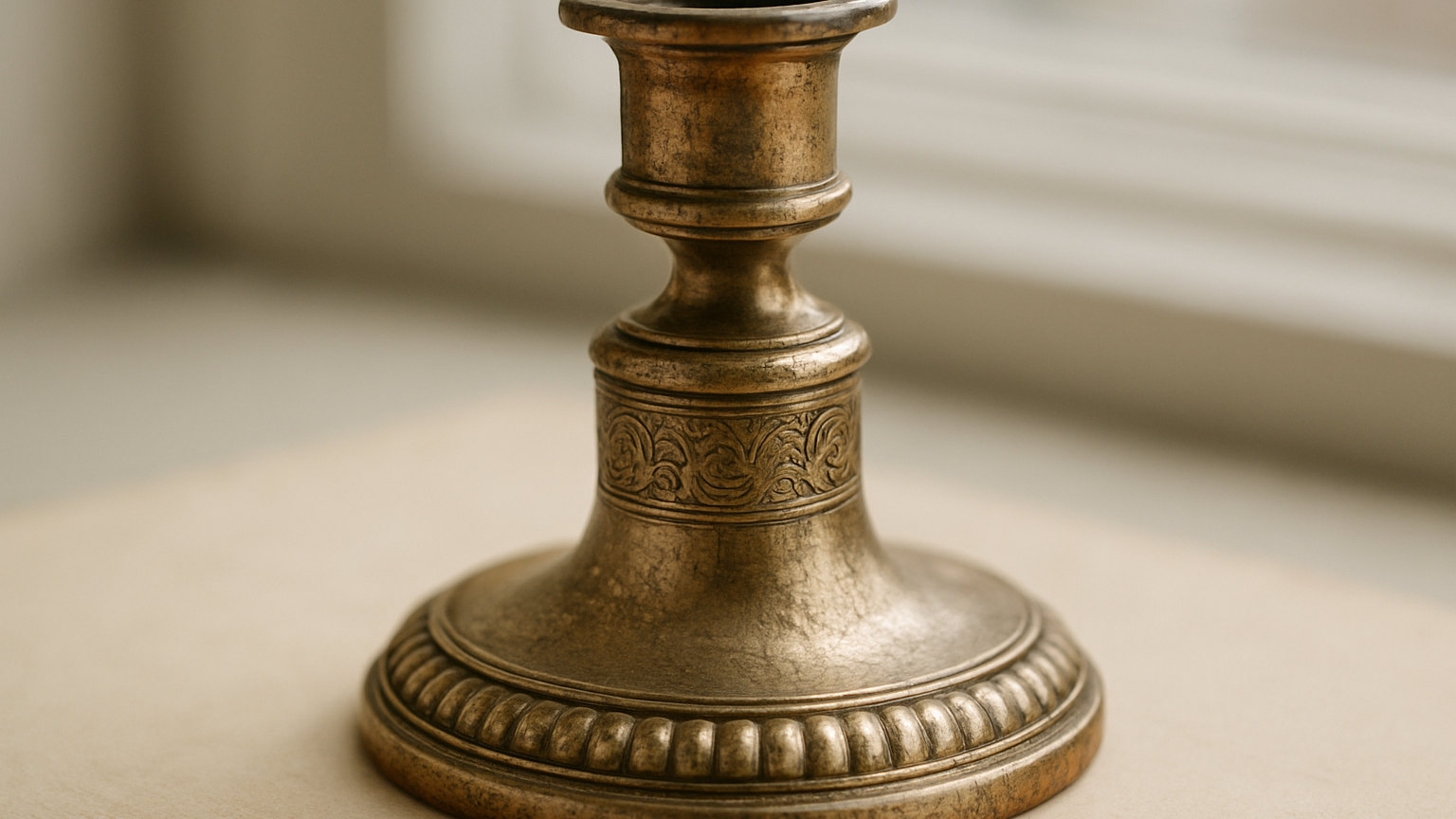
Warm and gradual. As the silver layer thins on high points and handled areas, copper begins to show through as a soft pink blush spreading over an area rather than as a hard edge.
Electroplate wears quite differently, breaking through in sharply defined patches with an abrupt boundary between silver and base metal beneath. Collectors describe the copper showing through fused plate as bleeding, and rather than being a defect it is regarded as attractive evidence of age and honest use.
How do you spot it at the edges?
Look for the seam. Because a cut edge would expose the copper core, makers concealed edges by applying a separate silver wire or a folded silver strip along rims and borders.
Run a fingernail along a rim and look closely under magnification. A very fine line where the applied edging meets the body is characteristic and is one of the most reliable indicators. Later electroplated pieces have no such edging because the whole surface was plated after assembly, including the edges.
What marks does it carry?
Not hallmarks. Fused plate was not silver throughout and so could not legally be assayed, and there were periods when marking it at all was restricted precisely because marks might mislead.
Makers did use their own marks, often initials or a name with a small device, and these are recorded in specialist references. What you will not find is a lion, a town mark and a date letter together. Anything carrying that full combination is solid silver, not plate of any kind.
How do you tell it from electroplate?
Weight, construction and wear together. Fused plate feels substantial because the copper core is thick, and pieces were made by raising, seaming and soldering exactly as silver was, so you will find visible seams where sheet was joined.
Electroplated wares were frequently made from thinner base metal, often spun or stamped, and marked with letters indicating the plating process. Look inside a hollow piece: fused plate often shows a tinned interior, applied to protect the copper, giving a slightly grey uneven surface quite unlike modern plating.
Should it ever be replated?
No, and this matters commercially. Electroplating over old fused plate destroys the characteristic bleeding, flattens the surface, and converts a collectable early material into something that reads as ordinary later plate.
The value drops substantially, and the change cannot be reversed. Worn fused plate with copper showing is worth considerably more than the same piece brightly replated, however much better the second one looks on a shelf.
How should it be cleaned?
Sparingly and gently. Wash in warm water with mild detergent, dry immediately and thoroughly, and avoid abrasive polish entirely, since every polish removes some of a silver layer that is finite and irreplaceable.
A long lived light tarnish does no harm and protects the surface. If a piece must be brightened for use, a soft cloth and the gentlest possible treatment is the limit. Never use dip solutions, which strip the surface chemically and accelerate later tarnishing.
Is it worth collecting?
Yes, and it remains good value. Fused plate offers the forms, weight and craftsmanship of period silver at a fraction of the price, because the market has never given it the attention that solid silver receives.
Tea and coffee wares, candlesticks, entree dishes and wine coolers all turn up regularly. Buy pieces with honest wear and original edging intact, and avoid anything that has been replated at some point in its life.