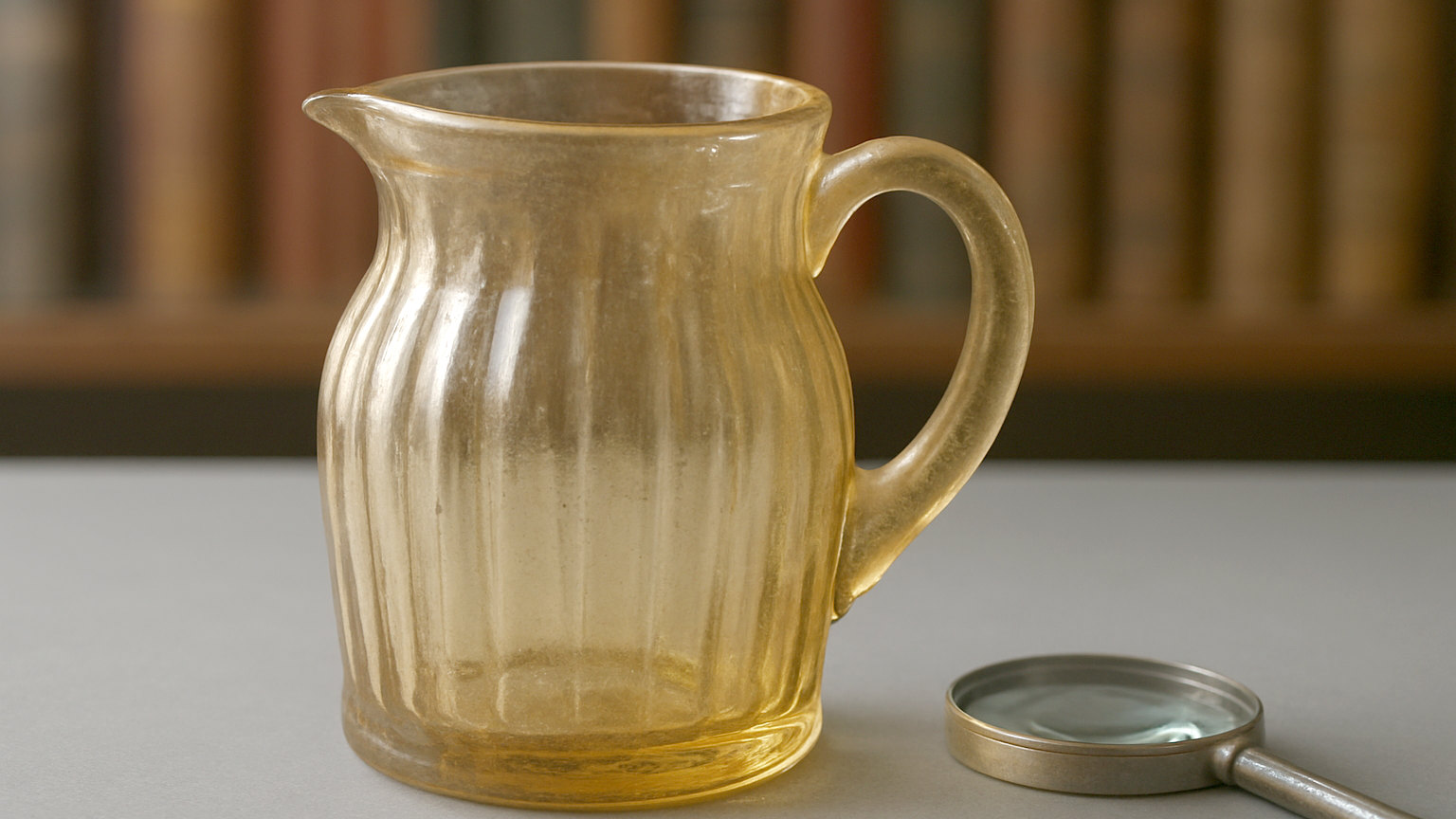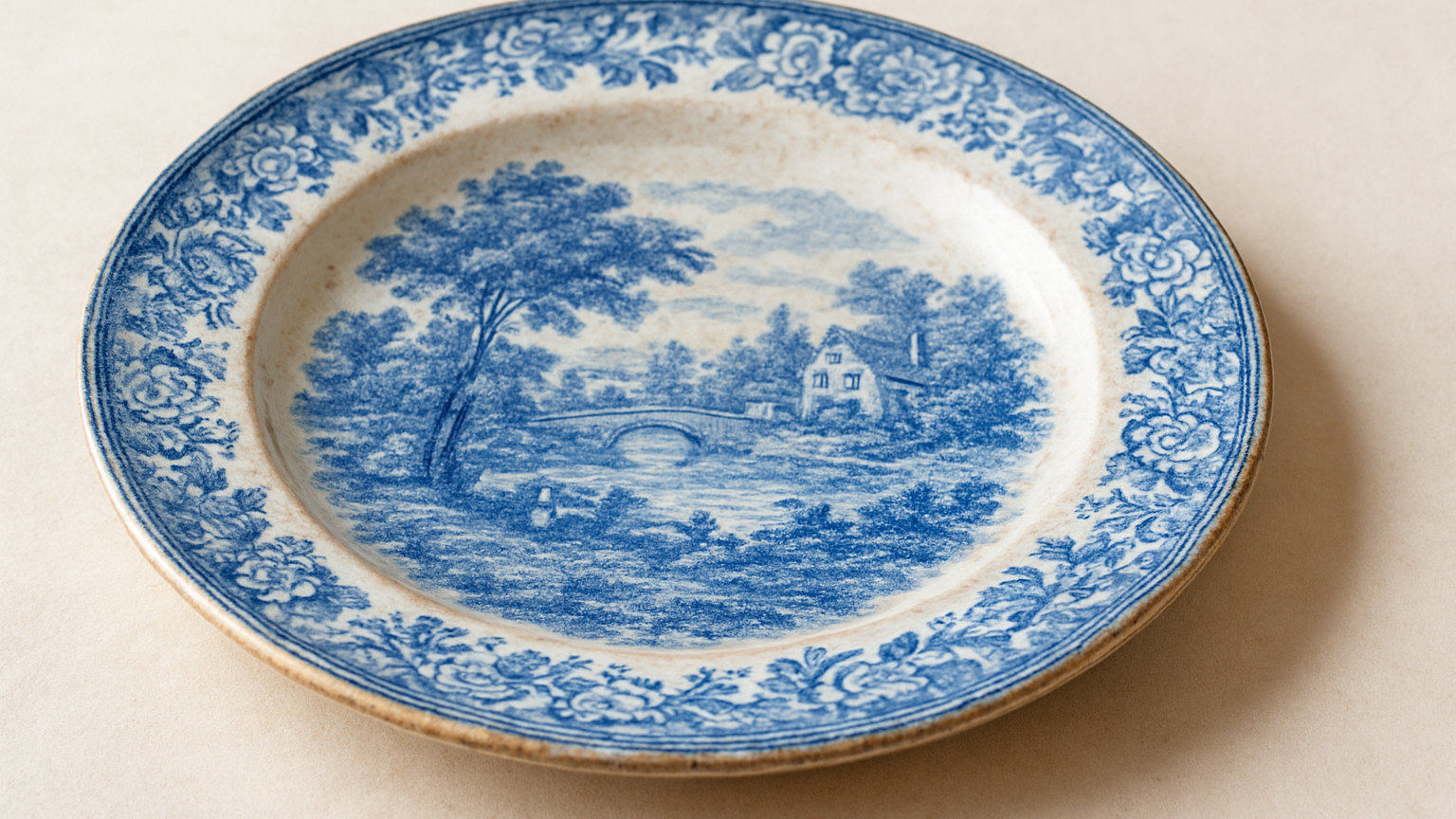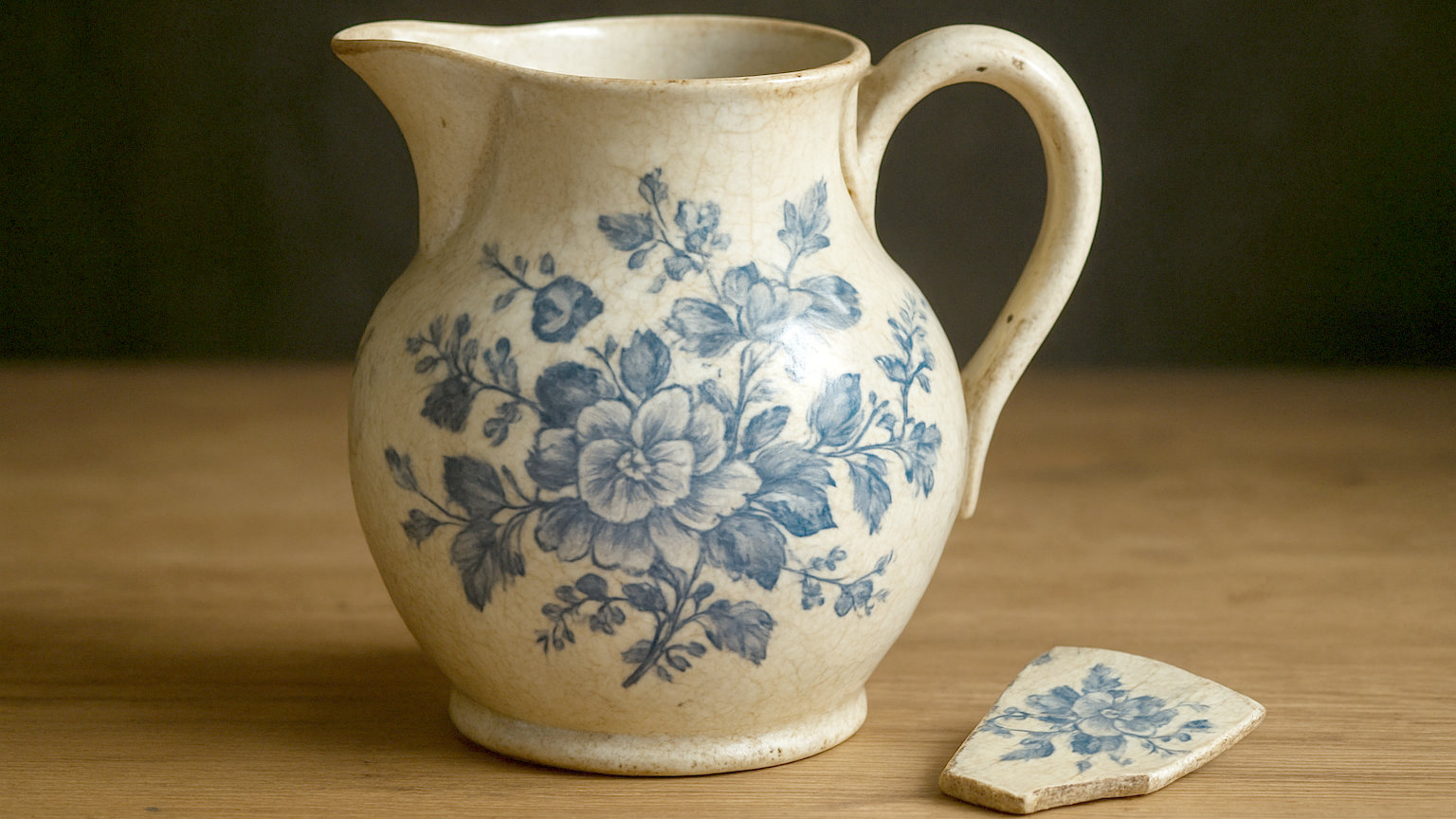
Jugs and pots are the most vulnerable porcelain forms, because they have projecting parts that carry weight and get knocked. That vulnerability makes them the most restored category after figures, and it concentrates almost all the assessment into two places: where the handle joins and where the spout meets the body.
Why do handles fail?
Because they carry the entire weight of a full jug through two small joins. Every lift stresses those points, and porcelain has no give in it.
Examine both joins closely under a strong light, looking for hairline cracks radiating from where the handle meets the body. Run a fingertip over each junction feeling for a change in texture, since a repaired handle frequently shows a faint step where restoration meets original glaze.
How do you check the spout?
At the tip and at the base. The tip is the most exposed point on the whole object and chips constantly, and the base is where the spout was applied to the body and where stress concentrates.
Look at the tip in profile against a light, since a chipped tip is frequently ground smooth to disguise it, leaving the spout slightly shorter and blunter than it should be. Compare against reference images of the same form if you can.
What does ultraviolet light show?
Restoration, immediately and clearly. In a darkened room, repairs fluoresce differently from the original glaze, usually duller and often with a purplish cast.
Sweep the whole piece, paying particular attention to the handle, the spout, the rim and the foot. This is the single most useful check on any jug and it costs very little, since small ultraviolet torches are sold cheaply for exactly this purpose.
How do you date a jug by form?
By the profile, the handle shape and the foot. Body shapes moved through recognisable sequences, from baluster forms through helmet shapes to straighter sided designs.
Handle forms are particularly informative, since they followed fashion closely and each type belongs to a period. Look at how the handle is attached, whether it was applied by hand, and whether it has a thumb rest or a decorative terminal.
What about moulded decoration?
Relief moulded jugs, where the decoration is formed as part of the body rather than painted on, are a distinct group and were made in enormous numbers.
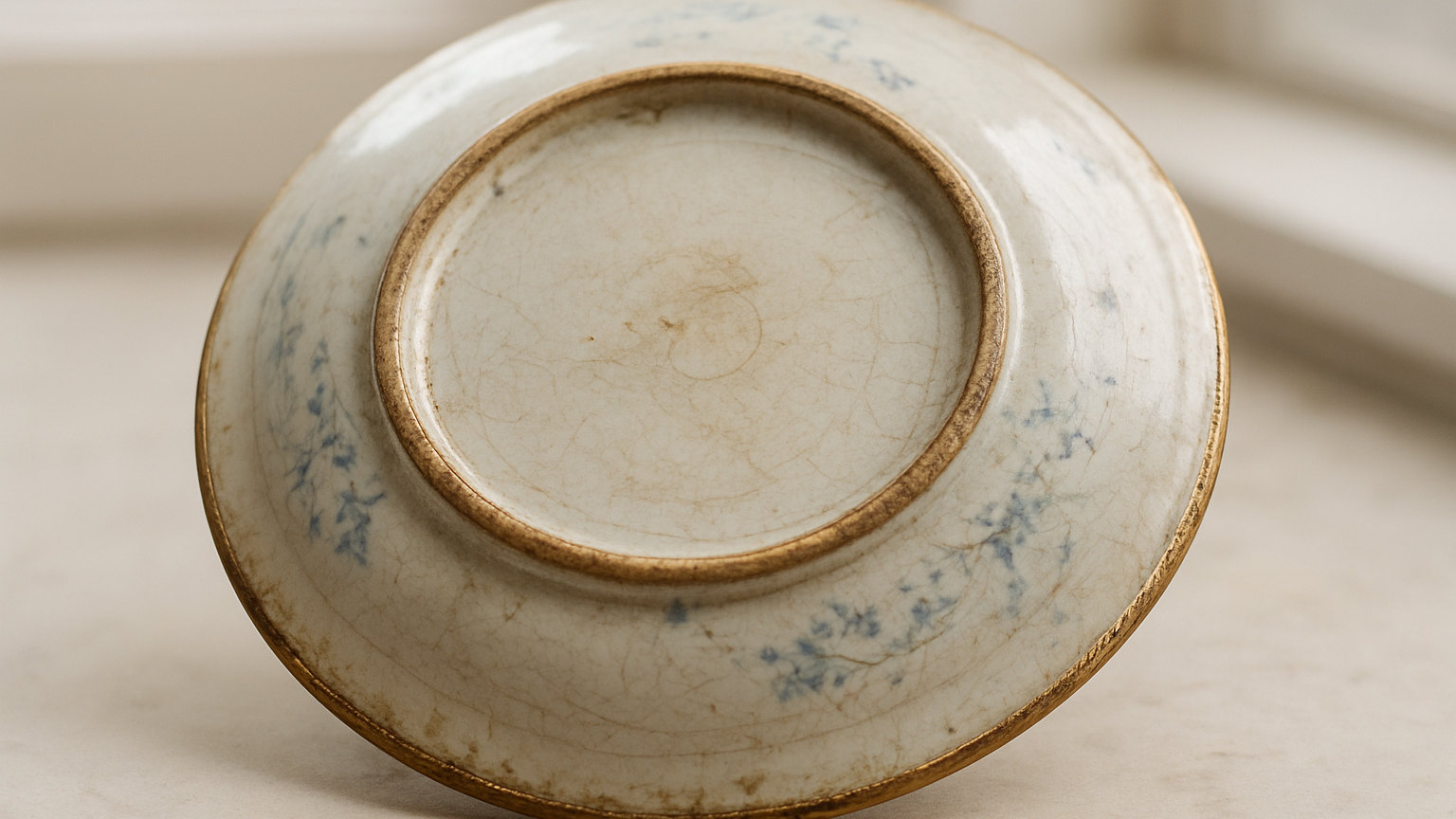
Check the crispness of the moulding, since moulds wore with use and later castings are softer. Look for a registration mark or diamond device on the base, which dates the design precisely. Relief moulded jugs frequently carry a shape number as well.
Does the lid belong?
On covered pots, frequently not. Lids were lifted constantly, dropped and lost, and fitting one from elsewhere is a common repair.
Check the fit is precise rather than approximate, that the decoration continues logically from body to lid, and that the glaze and degree of wear match. Look for marks on the lid separately, since these should agree with the base. A married lid reduces value considerably.
What should you check inside?
Staining and crazing, particularly on anything used for milk, cream or coffee. Crazed glaze lets liquid into the porous body beneath, and the resulting brown staining is permanent.
Look down the inside with a torch, checking the base and the lower body. Never attempt to bleach out staining, since bleach soaks into the body and continues affecting the piece afterwards. Check the interior of the spout as well, which traps residue.
How should they be handled?
By the body, never by the handle, particularly on anything already repaired. A restored handle joint may look sound and will not carry the weight of a full jug.
Support from underneath when moving a piece, and never lift a covered pot by the lid finial. Wash by hand in warm water with a mild detergent, never in a dishwasher, and dry immediately and thoroughly rather than leaving moisture to soak into a crazed body.