Porcelain figures are collected enthusiastically and are the single most restored category in ceramics, for an obvious reason: every finger, flower, hat brim and outstretched arm is a projection waiting to break. A figure that has survived two centuries entirely undamaged is genuinely uncommon, and knowing where to look decides what you should pay.
Where do figures break?
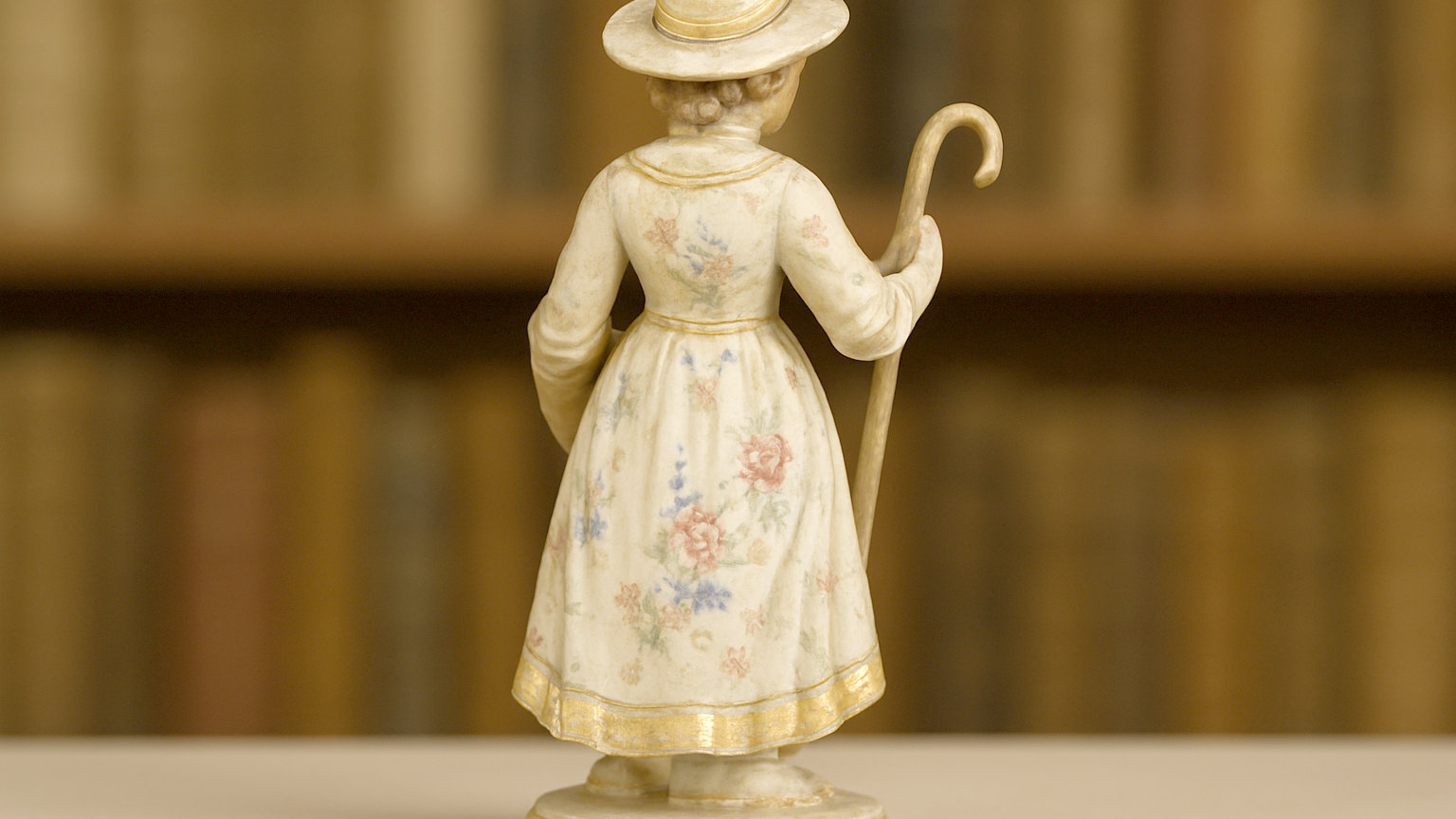
At every extremity. Fingers first, then raised arms, then applied flowers and foliage, then hats, feathers, staffs and any instrument being held.
Check each of these individually rather than glancing at the whole. On groups, check where figures touch each other and where any support joins the base. Sheep, dogs and other animals lose ears, tails and legs. Work systematically around the piece rather than trusting an overall impression.
How do you find restoration?
Ultraviolet light, which is the single most useful tool for this category. In a darkened room, restoration shows as patches fluorescing differently from the original glaze, usually duller and often with a purplish cast.
Follow up by touch. Fired glaze is hard, cold and glassy; restoration resin feels warmer and softer, and the transition can often be felt as a faint step even when invisible. Run a fingernail gently over every extremity and compare against a known original surface such as the base.
What does the base tell you?
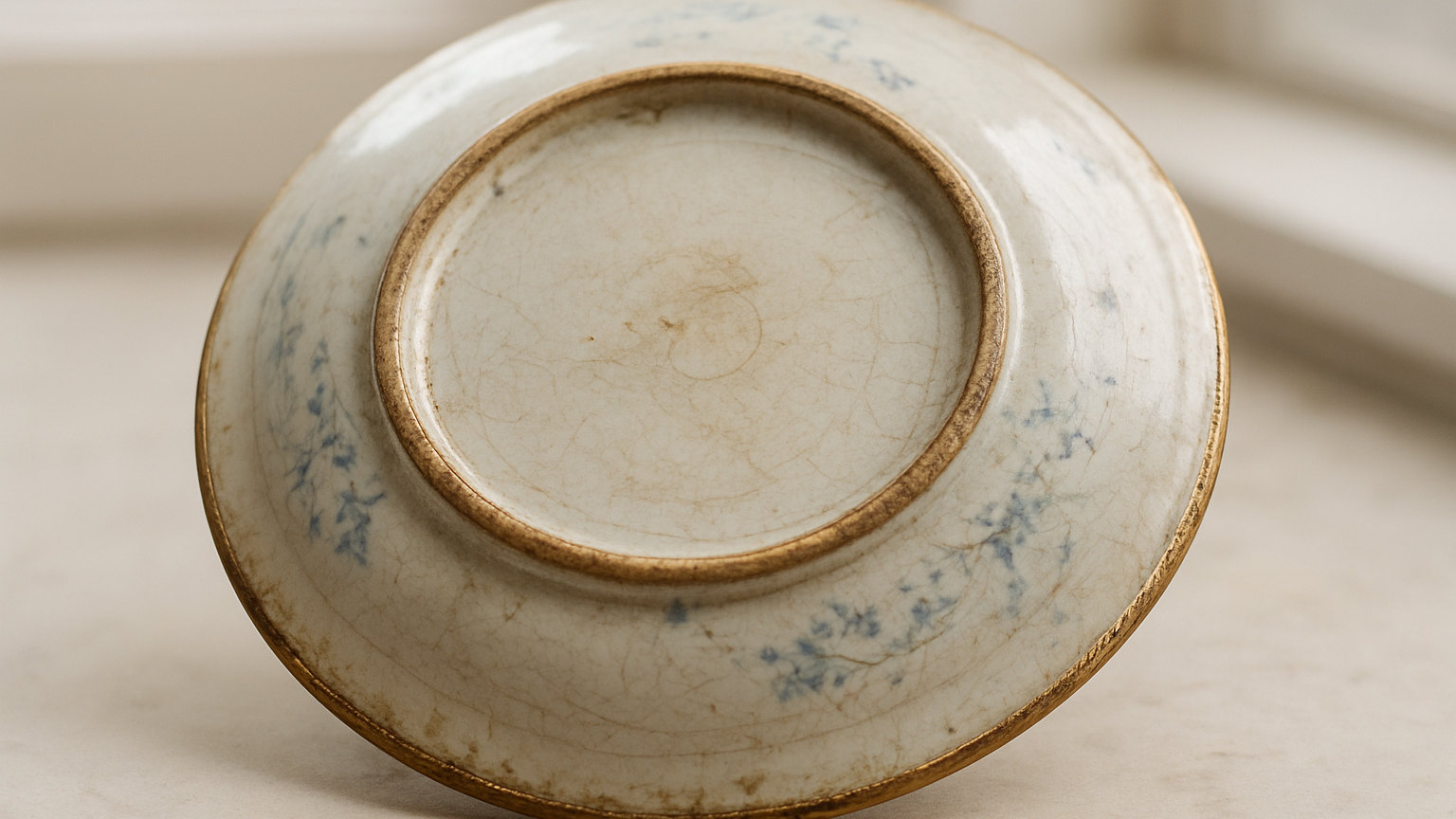
A great deal. Look at the treatment of the underside, which varies by factory and period: some are flat and glazed, some hollowed, some with a distinct hole through into the interior.
That hole is a vent, allowing air to escape during firing, and its presence and shape are diagnostic. Look also for the marks left by kiln supports, and for the colour and texture of any unglazed clay, which tells you about the body. Genuine wear on the base is irregular and concentrated where the figure actually rested.
Where are the marks?
Usually on the base, but not always. Check the back of the base, the underside, and inside any hollow section. Some factories marked on the reverse of the figure itself or on a support at the back.
Incised marks, scratched into the clay before firing, are common on figures and are frequently model numbers rather than factory identification. Look under raking light, since incised marks fill with glaze and are easily missed. Impressed and painted marks may both be present and mean different things.
What do model numbers tell you?
Which figure you have, which is more useful than it sounds. Factories kept model books recording each design by number, and published references reproduce many of them.
A model number lets you establish what the complete figure should look like, including whether anything is now missing. That matters because losses are frequently disguised by regrinding rather than restored, so a figure that appears intact may be holding a staff that originally extended much further.
How much does damage reduce value?
Substantially on common figures and proportionally less on rare ones, following the usual rule. Where many undamaged examples exist, buyers simply choose one and a restored figure sells at a steep discount.
Position matters as much as extent. Damage to a face or a prominent hand is far worse than a chipped flower at the back. Multiple restorations compound, and a figure that has been comprehensively rebuilt is worth a small fraction of an original one however good the work.
What should you ask a seller?
Directly whether there is any restoration or damage, and ask for the answer in writing on the receipt. Reputable dealers disclose as a matter of routine because restoration in this category is expected rather than shameful.
Photographs almost never show restoration, so never rely on images alone. Take a small ultraviolet torch to any viewing where you intend to buy figures, since it costs very little and will pay for itself the first time it stops you buying a rebuilt piece at an original price.