Parian is one of the more distinctive ceramic bodies and one of the most frequently misidentified, because it looks like neither porcelain nor pottery. It has no glaze, it is matt rather than glossy, and it was made specifically to imitate marble at a price ordinary households could afford.
What is parian?
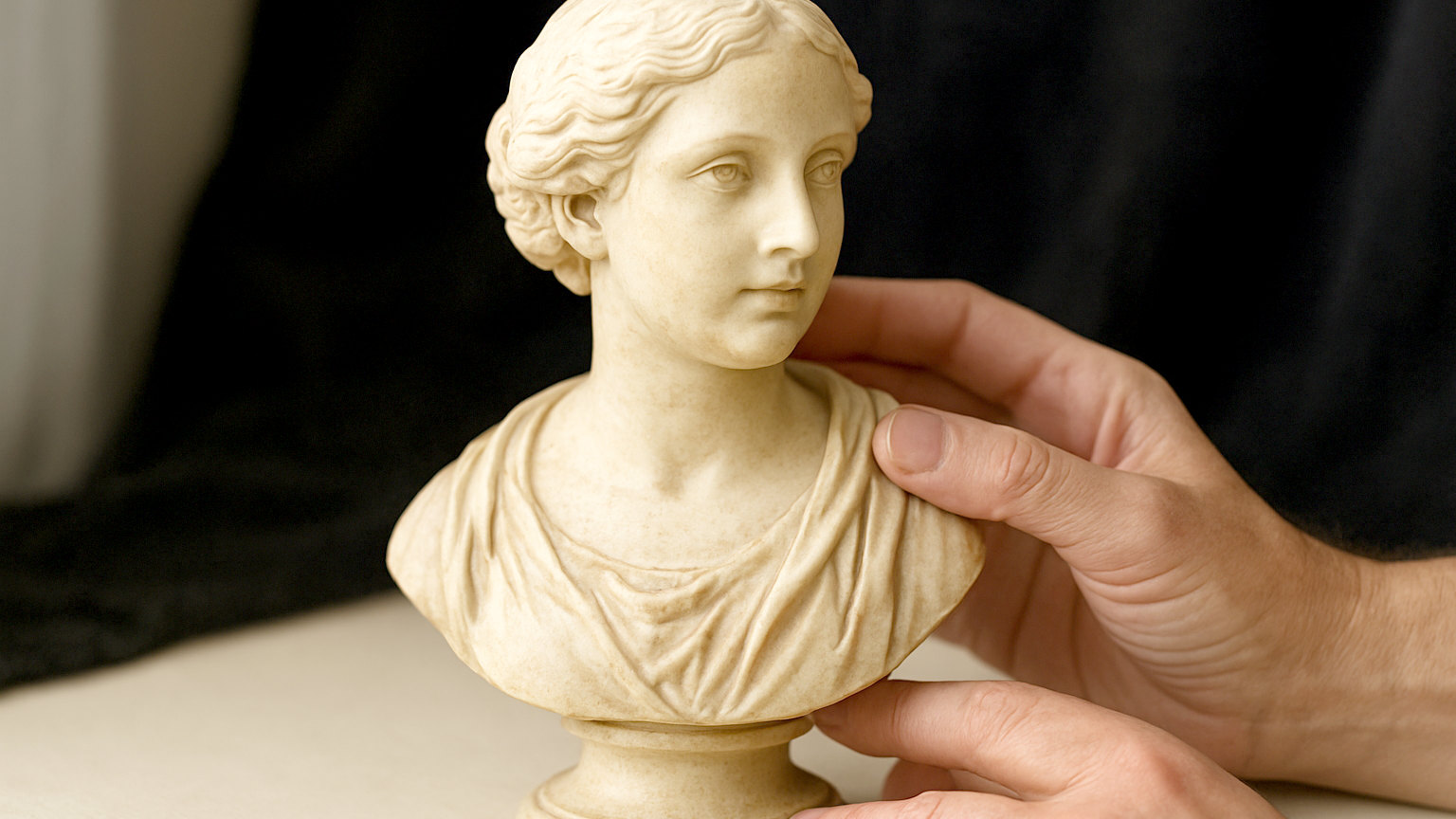
A fine white porcelain body left unglazed, with a slightly translucent surface and a soft matt sheen resembling white marble. The name refers to the marble it was imitating.
It was developed to allow sculptural figures to be produced in quantity by casting in moulds, putting reproductions of classical and contemporary sculpture within reach of middle class buyers who could never have afforded marble.
How do you recognise it?
By the surface, which is the giveaway. Parian has no glaze at all, so it feels slightly grainy and matt rather than smooth and glassy, and light does not reflect off it in the way glazed ceramic does.
It is nonetheless porcelain, so a thin section held to a strong light will show translucency. That combination of a matt unglazed surface with genuine translucency is unique to parian and settles the identification immediately.
What was made from it?
Figures and busts above all, reproducing classical statuary, portraits of notable figures, and sentimental and allegorical subjects. These are what turn up most often.
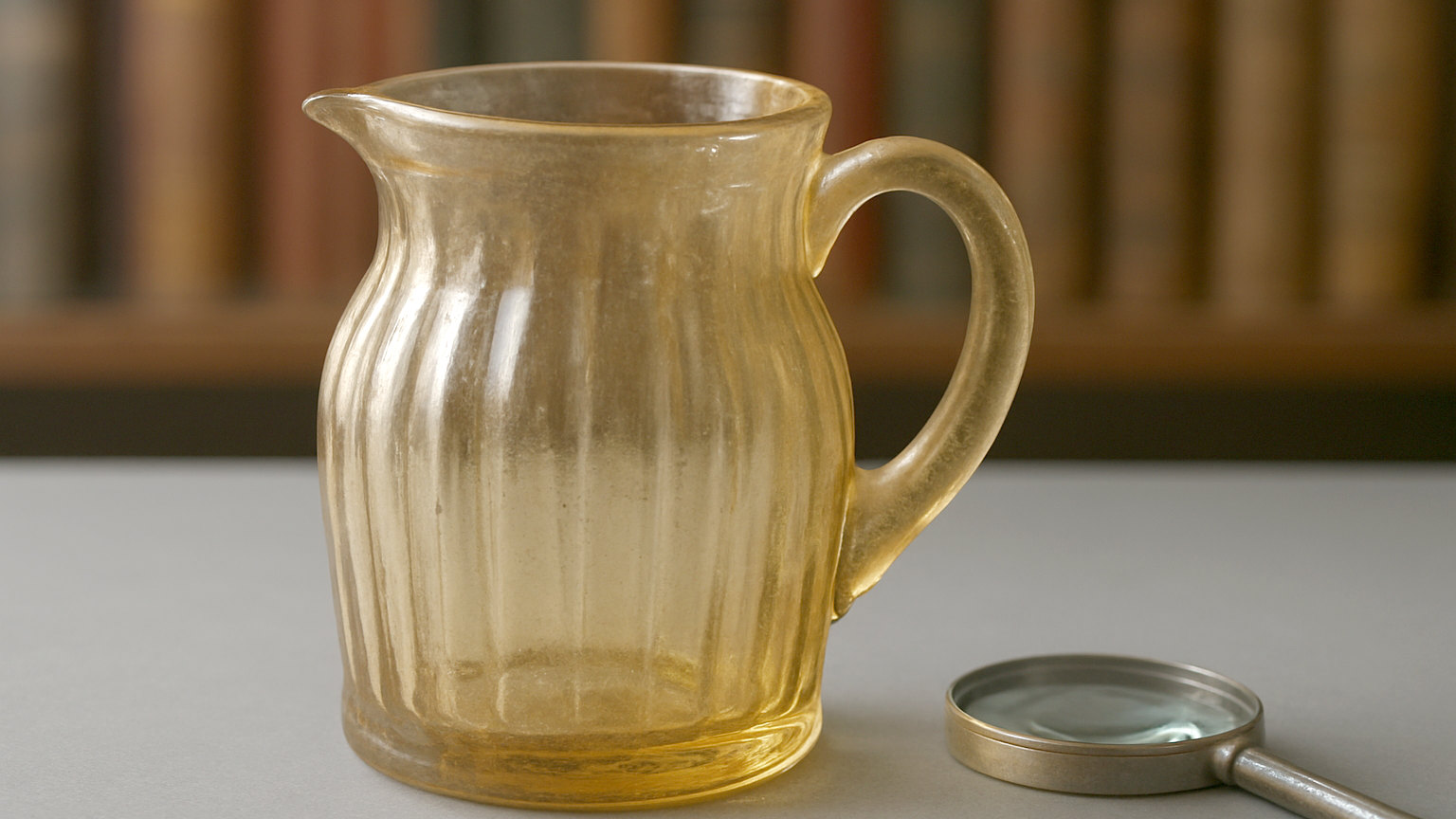
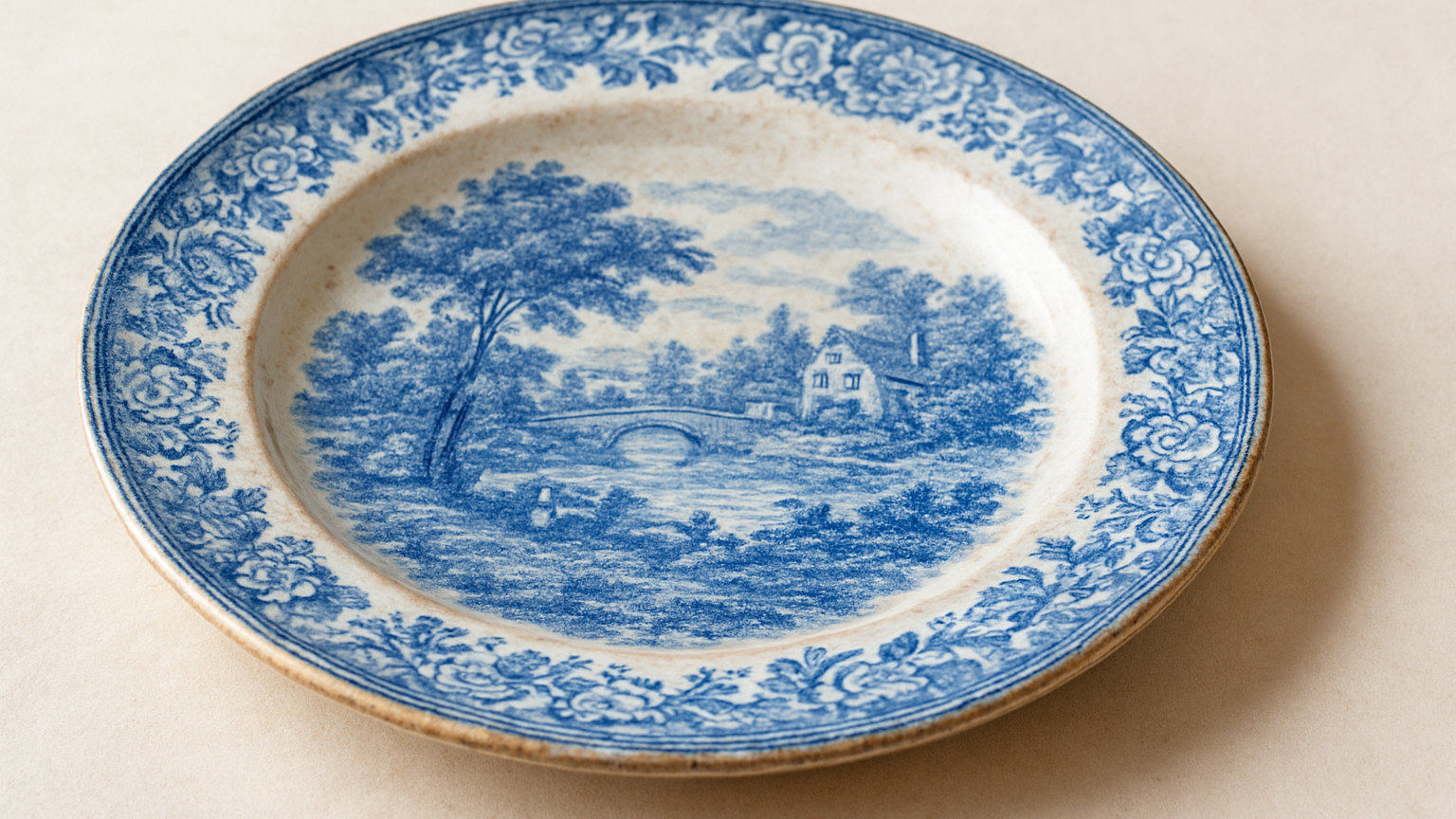
It was also used for jugs, vases and decorative wares, frequently with relief decoration standing out against a plain ground. Some pieces combine parian with glazed and coloured sections, which is a recognised and attractive treatment.
How was it made?
By slip casting in moulds, which is how the same sculpture could be reproduced repeatedly. Liquid clay was poured into a plaster mould, allowed to set as a shell, and the surplus poured out.
Look for mould seams running down the sides of a figure, which are normal and should have been cleaned up by hand before firing. Complex figures were cast in several parts and assembled, so check where limbs and separate elements join.
Where are the marks?
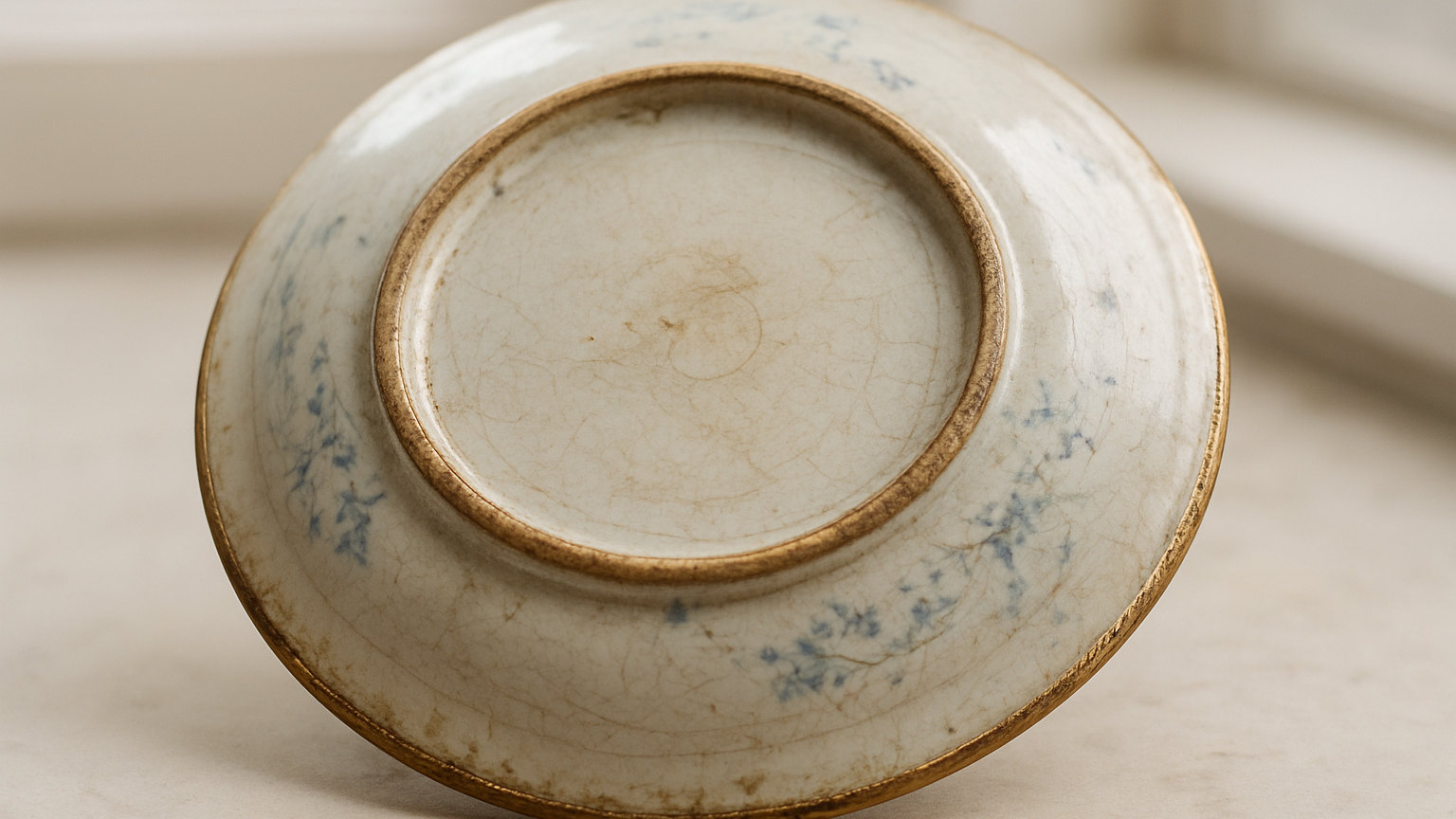
On the base or the reverse, frequently impressed into the body rather than printed, since there is no glaze to print under. Some carry a moulded mark as part of the casting.
Look also for a sculptor name, which appears on better pieces alongside the manufacturer, and for the name of the art union or society that commissioned an edition. Registration marks and diamond devices appear and date the design precisely.
Why does it stain so badly?
Because there is no glaze to protect the surface. Parian is porous, so dirt, grease, smoke and handling all penetrate the body rather than sitting on top of it, and the staining becomes permanent.
This is the single biggest condition problem in the category. A figure that has stood on a mantelpiece above a fire for a century will be grey and blotchy, and that discolouration is in the material rather than on it.
Can it be cleaned?
Only very cautiously, and results are unpredictable. Gentle dusting with a soft brush is safe. Beyond that, any water based cleaning risks drawing dirt further into the body and producing tide marks worse than the original staining.
Never use bleach, detergents or proprietary cleaners, which soak in and continue to affect the piece afterwards. For an important figure, a ceramics conservator can sometimes reduce staining safely, and that is the only sensible route.
What drives the value?
Subject, sculptor, size and condition. Well modelled figures after recognised sculptors, and portrait busts of identifiable people, do considerably better than generic sentimental subjects.
Condition matters enormously because damage is so visible on a white unglazed surface, and because staining cannot be corrected. Check fingers, noses, extended arms and any applied detail with particular care, since these break constantly on cast figures. Use an ultraviolet torch in a darkened room to reveal restoration, which on an unglazed body can be genuinely invisible in daylight.