Every piece of solid silver has a floor beneath it: what the metal would fetch melted. That floor is genuinely useful as a reference point and genuinely dangerous as a basis for selling, because it values the metal and nothing else. A great deal of irreplaceable silver has been melted for exactly this reason.
How is scrap value calculated?
By weight and purity. Sterling contains nine hundred and twenty five parts of silver per thousand, so the silver content is that proportion of the total weight, valued at the prevailing bullion price.
Refiners then deduct a margin for processing and their own profit, so what you are offered is below the theoretical melt figure. Ask what percentage of spot price is being offered, since that varies considerably between buyers and is the number that actually matters.
Which pieces cannot be valued this way?
Loaded and weighted items, above all. Candlesticks, some vases and many small pieces are thin silver over a filled base, so the metal content is a small fraction of the total weight.
Weighing a loaded candlestick and applying a scrap rate produces a figure wildly in the buyer favour. Turn every piece over and look for a base covering of baize or thin metal, which indicates loading, and never accept a weight based offer on one.
What about plated items?
They have essentially no scrap value, since the silver layer is microscopically thin and recovering it is not economic. Electroplated wares are base metal with a coating.
Old Sheffield plate is fused silver over copper and contains rather more, though still not enough to make melting worthwhile relative to what a good piece sells for intact. Check for a genuine hallmark before assuming anything is solid.
When is scrap the right answer?
For damaged, incomplete or genuinely unremarkable items where no collector market exists. A badly split, pitted or thinned piece that cannot be repaired economically is a legitimate candidate.
Also for odd single items from broken sets with no matching pieces, and for plain modern silver of no particular interest. There is nothing wrong with melting such things, and pretending otherwise leaves people holding unsaleable metal.
When is it the wrong answer?
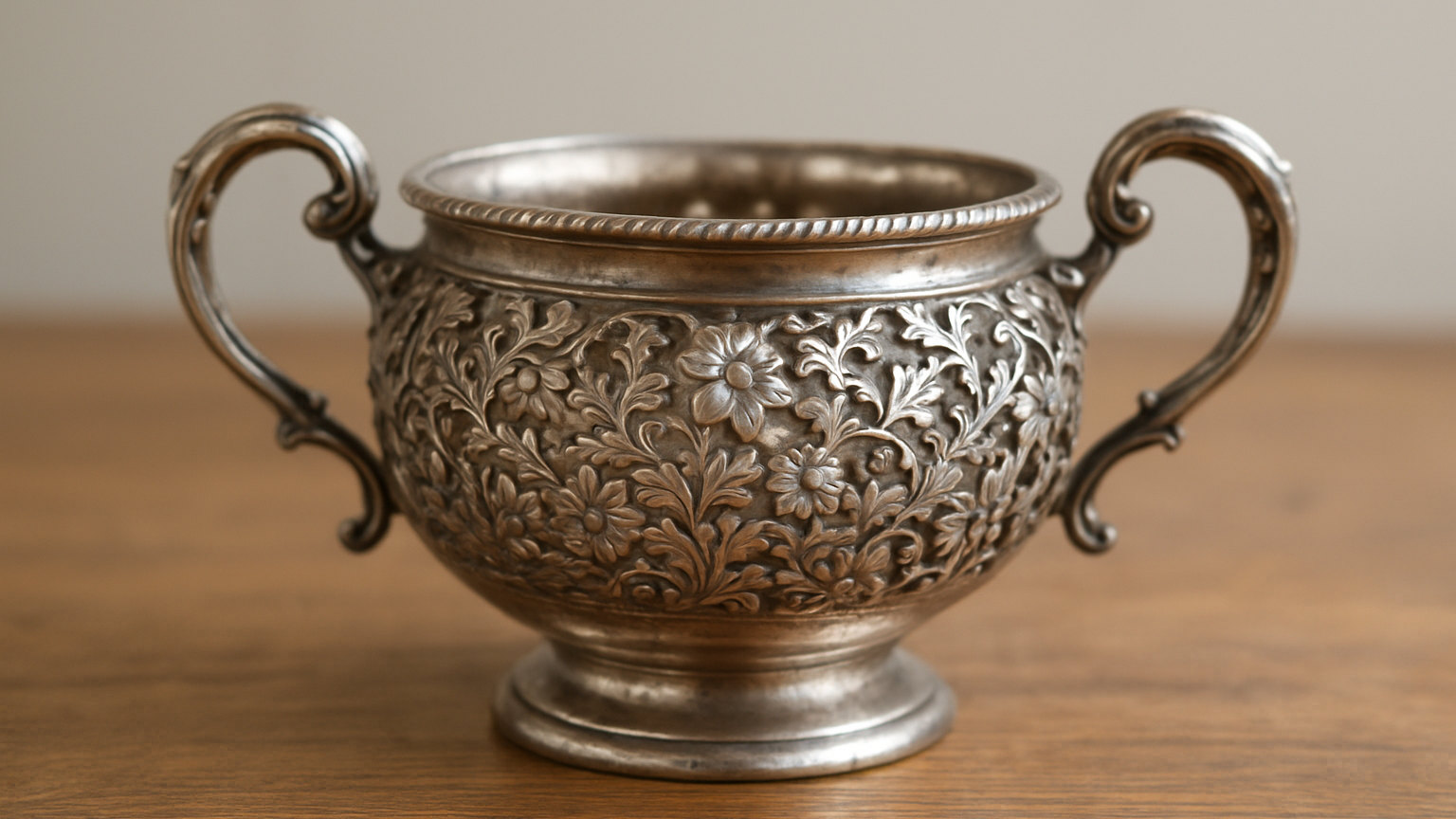
Whenever workmanship, maker, period or completeness add anything. Hand raised work, fine engraving, a named maker, an early date, a complete set or an original fitted case all put a piece well above metal value.
Georgian silver, anything with an interesting mark, and anything from a recognised workshop should always be assessed by a specialist first. So should sets and pairs, since completeness commands a premium that melting destroys instantly.
How do you weigh silver properly?
On accurate scales, with organic handles and any non silver components accounted for separately. Wooden, bone or ivory handles are not silver and should not be included in a scrap calculation.
Weigh pieces individually rather than as a heap, and record the weights alongside descriptions. Where a buyer weighs everything together, that is a warning sign rather than a convenience, since it obscures which pieces are carrying the value.
What should you do before accepting an offer?
Photograph everything and record the marks. Take a written inventory with weights before anything leaves your possession, and never let a buyer take items away to weigh elsewhere.
Get at least two offers, and take anything with a legible early hallmark or good workmanship to a specialist dealer or auction house first. The assessment costs nothing at a valuation day and occasionally changes the figure by a very large multiple.
Is melting ever irreversible in a way that matters?
Completely, which is the whole point. A hallmarked piece carries a date, a maker and a place, and melting destroys that record permanently along with the object.
Bullion prices fluctuate; a Georgian coffee pot does not come back. Where there is any doubt, the sensible course is to wait and have the piece assessed, since scrap will still be available next month and the alternative will not.