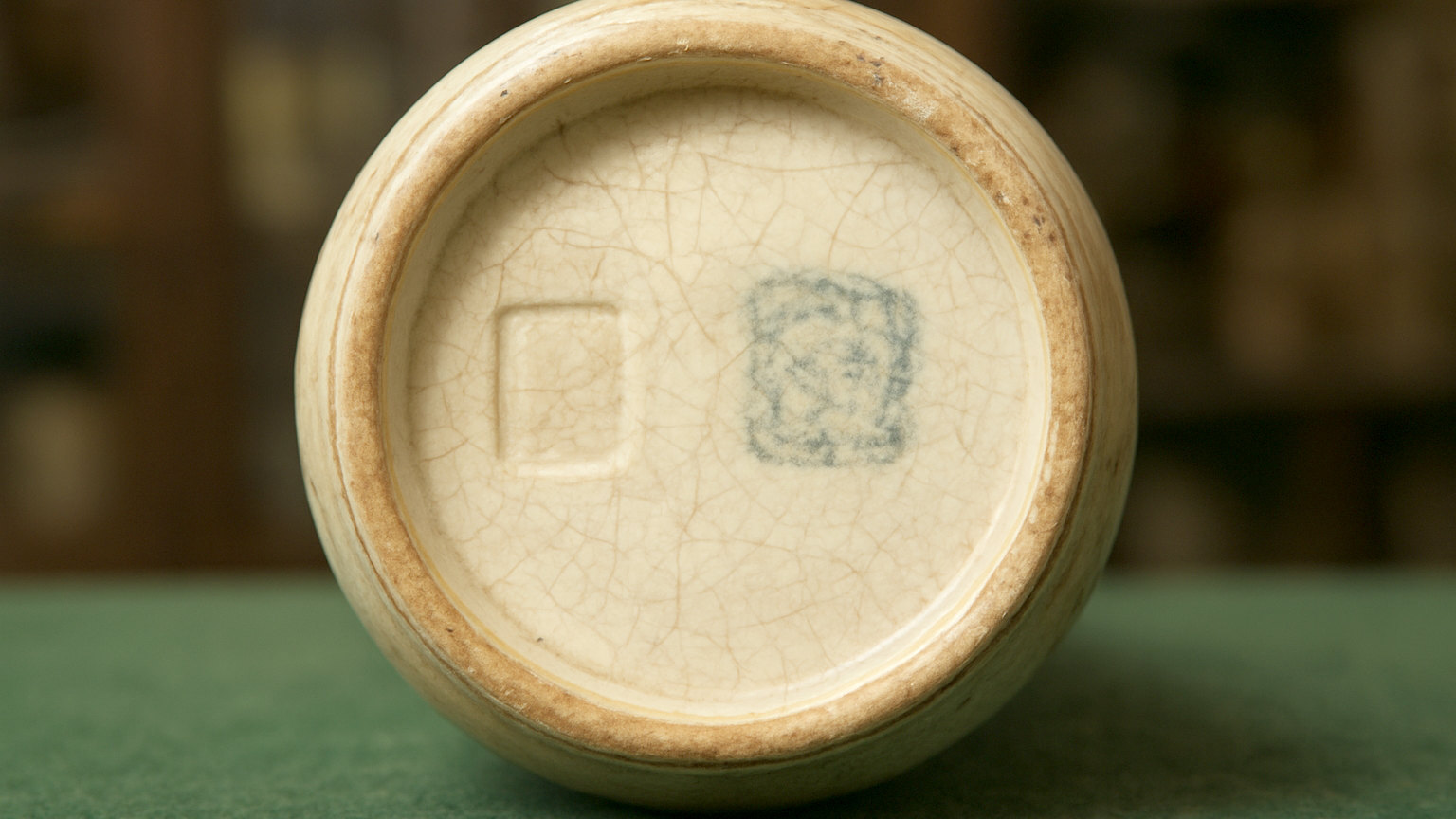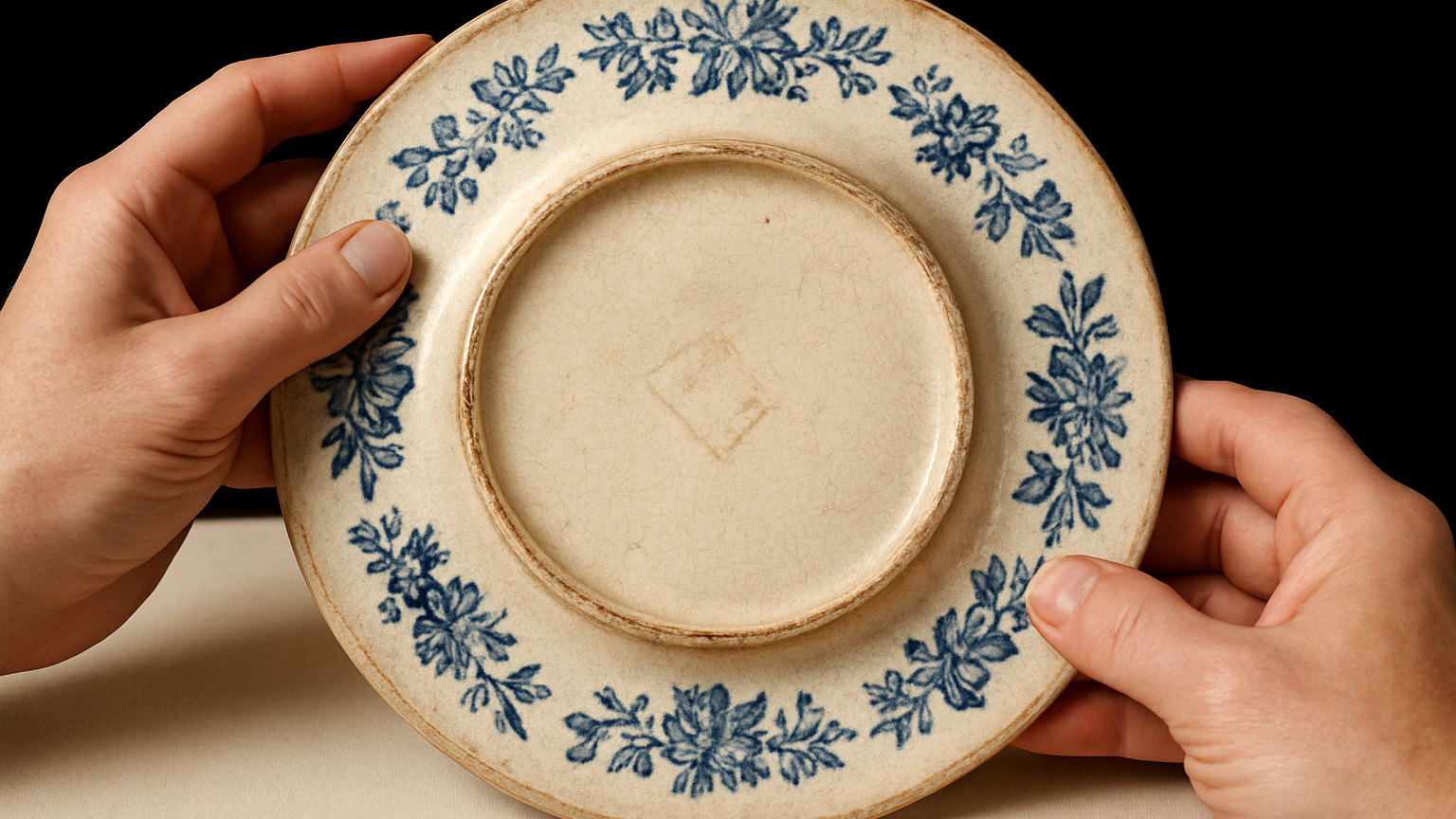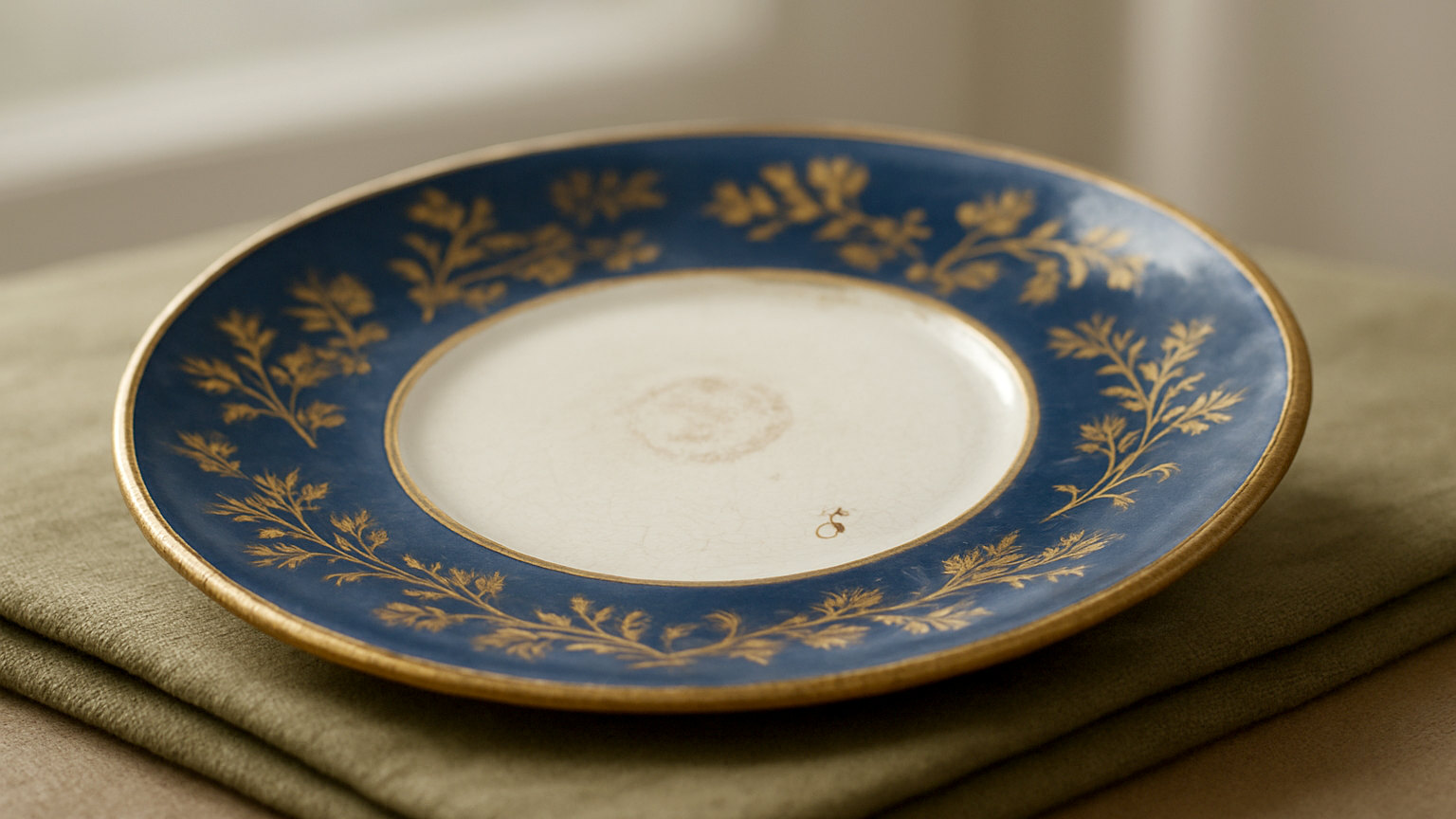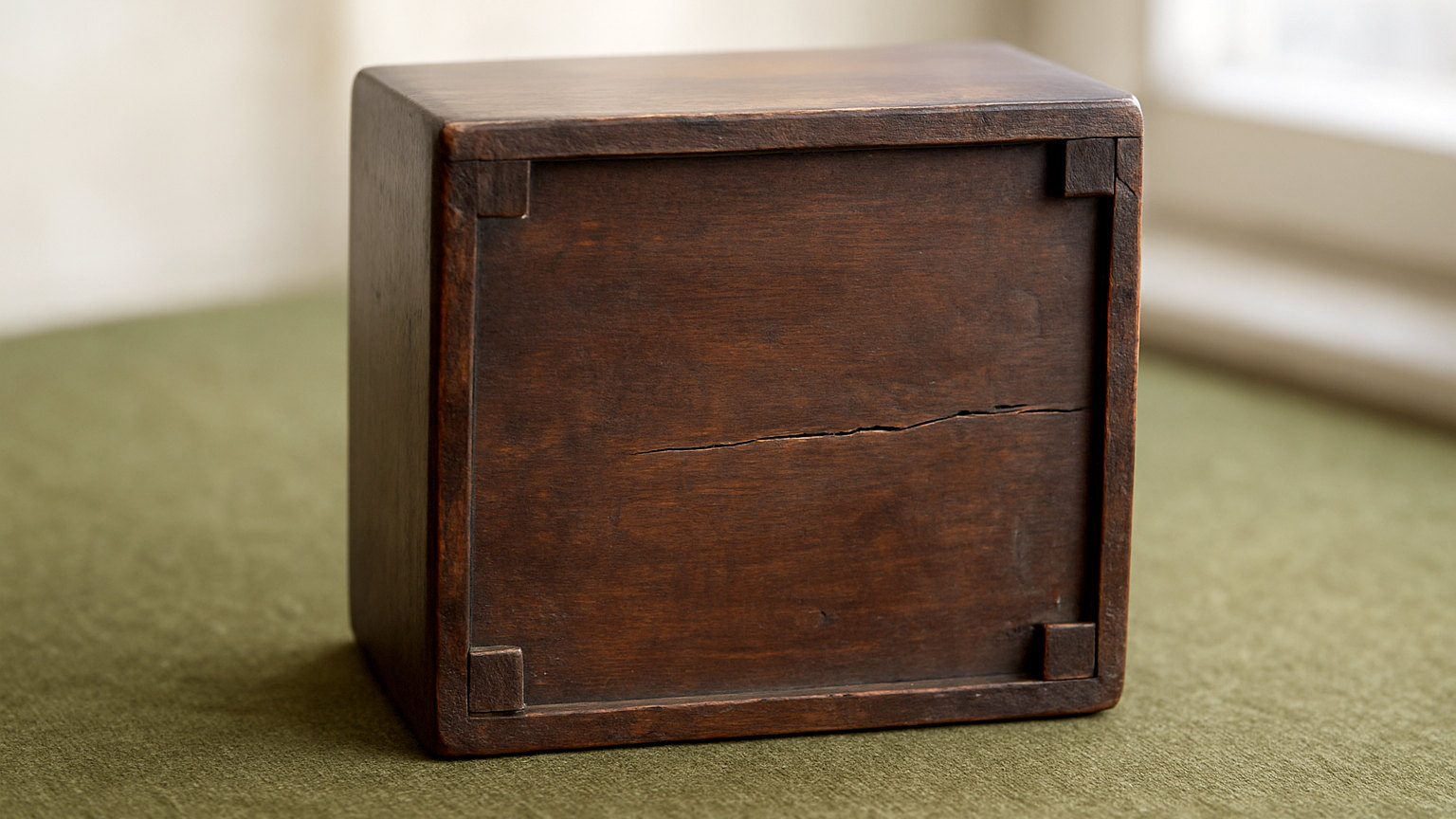
Most genuine antiques carry no mark at all, which stops a great many people before they have started. It should not, because an object that cannot name its maker still records how it was made, and manufacturing methods changed on a reasonably well documented timetable. The evidence is physical, it is on the parts nobody bothered to finish neatly, and reading it takes minutes.
What do the fixings tell you?
Nails and screws are the quickest evidence available. Hand forged nails are irregular, roughly square in section, and taper on all four sides to a blunt point, with a head that was hammered over and is rarely symmetrical. Machine cut nails came later and are rectangular in section, tapering on two sides only with the other two parallel. Round wire nails are later still.
Screws follow the same logic. An early screw was made by hand, so the thread is uneven in pitch, the shank often has file marks, and the slot in the head is frequently off centre and not quite the full diameter. Machine made screws have perfectly regular threads and a centred slot. A pointed tip rather than a blunt one also indicates a later date.
How do saw marks date a piece?
Turn a piece over and look at the surfaces nobody planed. Timber cut by a hand saw or an early pit saw shows straight parallel marks, sometimes slightly irregular where the cut wandered. Timber cut by a circular saw shows curved arcs, which is unmistakable once you have seen it and cannot be produced by hand.
Circular saw marks put a piece firmly into the industrial era. Straight saw marks do not prove great age on their own, because hand tools continued in use in country workshops long after machinery arrived, but arcs are a firm ceiling on how early a piece can be.
What do dovetails reveal?
Pull a drawer out and look at the joint where the front meets the side. Hand cut dovetails are few in number, often widely and unevenly spaced, and the pins between them are narrow, sometimes little more than a knife edge. You may see the scribe line the maker marked before cutting, which is a good sign because there was no reason to fake it.
Machine cut dovetails are numerous, identical, and evenly spaced, with pins the same width as the tails. A rounded profile at the base of the joint indicates a routed machine cut. Perfect regularity is the tell, because hand work never achieves it and never needed to.
Why does wear matter more than surface?
Genuine wear is logical. It appears where hands, feet, sleeves and cloths actually touched the object over many years, and nowhere else. Drawer runners wear on their undersides and develop a dip. Chair arms wear where a hand rests. Table edges wear where people leaned.
Artificial ageing tends to be evenly distributed, or appears in places nobody would ever touch. Ask yourself how a person using this object would have handled it, then check whether the wear matches that story. Wear on the underside of a stretcher where feet rested is convincing. Uniform distressing across an entire surface is not.
How does timber itself carry a date?
Wood shrinks across the grain and barely at all along it, so a circular table top made from solid timber slowly becomes slightly oval, and a turned column becomes marginally out of round. A perfectly circular old top is worth a second look.
Colour is the other clue. Timber darkens where light and air reach it and stays paler where they never did. Pull out a drawer and compare the exposed front with the hidden sides. A genuine piece shows a marked difference. Uniform colour throughout, including inside, suggests the surface has been stripped or the piece is not as old as it appears.
When should you combine the evidence?
No single clue is conclusive, and this matters because repairs are normal on old furniture. A replaced runner with modern screws does not make the whole piece modern. What you are looking for is a consistent story across several independent kinds of evidence.
Work through fixings, saw marks, joints, shrinkage and wear, and see whether they agree. When four indicators point at the same period and one does not, the odd one out is usually a repair. When they scatter widely, you are probably looking at a piece assembled from parts of different ages.