Pottery covers a wide family of ceramics that share one thing: the body was fired below the temperature at which it turns glassy, so it stays opaque and porous. Within that family sit several distinct types, each with a recognisable body colour and glaze behaviour, and learning to read those two features identifies most pieces before you look for a mark.
What does a chip tell you?
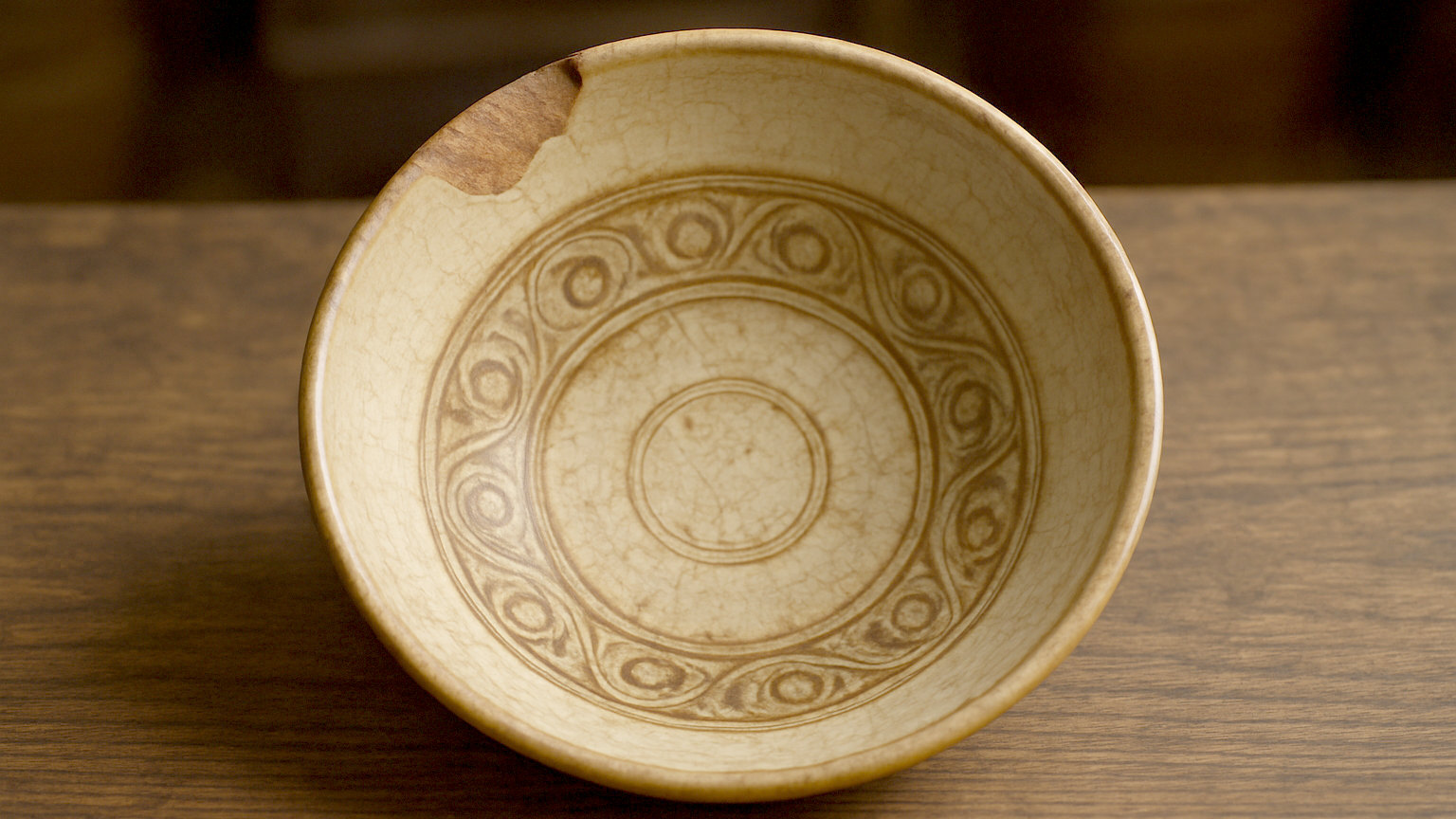
More than almost anything else. Find a small chip on a foot rim or an edge and look at the exposed body underneath the glaze. Porcelain shows dense white all the way through. Pottery shows a coarser body that is frequently a different colour from the surface, ranging from cream and buff to pink, red and grey.
That colour narrows the type immediately. A soft cream body under a warm glaze suggests creamware. A hard grey body suggests stoneware. A soft buff or pinkish body under a thick opaque white glaze suggests delftware.
How do you recognise creamware and pearlware?
Creamware has a pale cream coloured body under a clear lead glaze, giving an overall warm ivory tone. It was light, practical and enormously successful, and it became the standard tableware of its era.
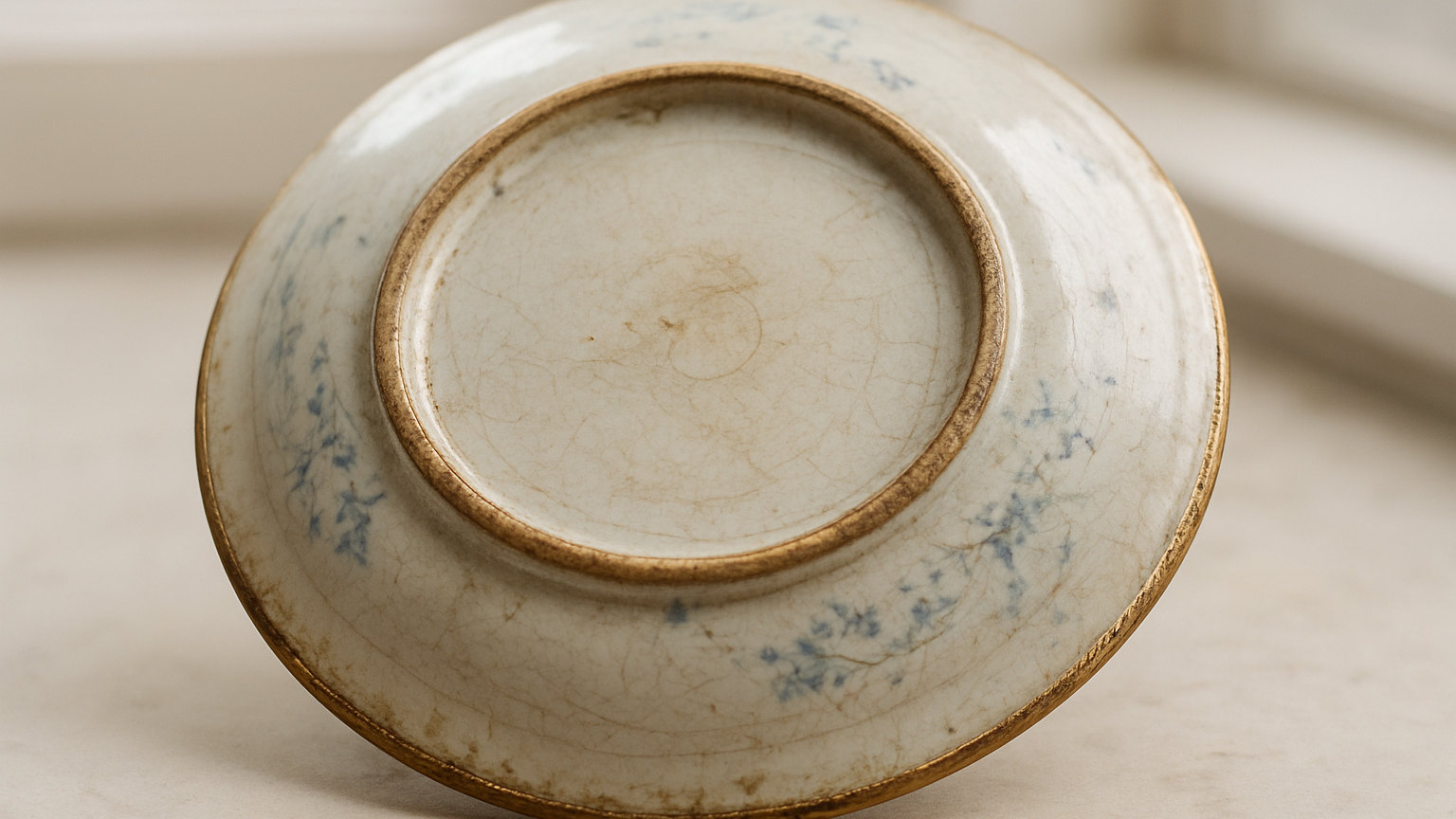
Pearlware developed from it by adding a small amount of cobalt to the glaze to counteract the yellowish tinge. The tell is where the glaze pools thickly, in the foot rim, around handle joints and in any recess. In creamware those pools look warm and yellowish; in pearlware they show a distinct pale blue. Turn the piece over and look into the foot rim under good light.
What is delftware?
Tin glazed earthenware, in which a soft porous body is coated with an opaque white glaze made white by tin oxide, then painted, usually in cobalt blue. It was made across Europe and Britain over a long period.
The glaze is thick, slightly uneven and chips easily, so genuine pieces almost always show losses around rims and edges revealing the buff body beneath. Painting sits on the glaze surface and can appear slightly blurred where the colour spread during firing. Perfectly crisp painting and an unchipped rim on a piece claimed to be early are both worth questioning.
How is stoneware different?
Stoneware is fired much hotter, so the body vitrifies and becomes non porous even without glaze. That is why a stoneware jug or bottle can hold liquid with a plain unglazed interior, which no earthenware can do.
It is heavy, hard and gives a sharper note when tapped. Salt glazing produces a characteristic pitted surface, sometimes described as resembling orange peel, created by throwing salt into the kiln at high temperature. Run a finger over the surface: that fine texture is unmistakable once you have felt it.
What should you look at on the base?
The foot rim, which is where the piece touched the kiln furniture and where the maker left the most evidence. Look for the colour of unglazed clay, for stilt marks where small supports held the piece clear of the shelf, and for wear.
Genuine wear on a base is irregular, concentrated where the piece actually rubbed, and includes fine scratches running in various directions. A base that is uniformly scuffed, or scuffed in one direction only, has usually been helped along.
How much does damage affect value?
Considerably, but less than in porcelain, because collectors accept that soft bodies chip. A rim chip on a decorative pottery piece reduces value without destroying it, whereas the same damage on fine porcelain is far more serious.
Cracks matter more than chips, since they threaten structure and spread. Restoration should always be disclosed and is easy to detect under ultraviolet light, where modern fillers and paints fluoresce differently from the original glaze. Tap the rim gently: a clear note suggests soundness, a dull one suggests a crack somewhere.
Which pottery is worth collecting now?
Early tin glazed wares, good slipware and documentary pieces carrying dates or names attract serious money and always have. Studio pottery has risen sharply, with the best twentieth century potters now firmly established.
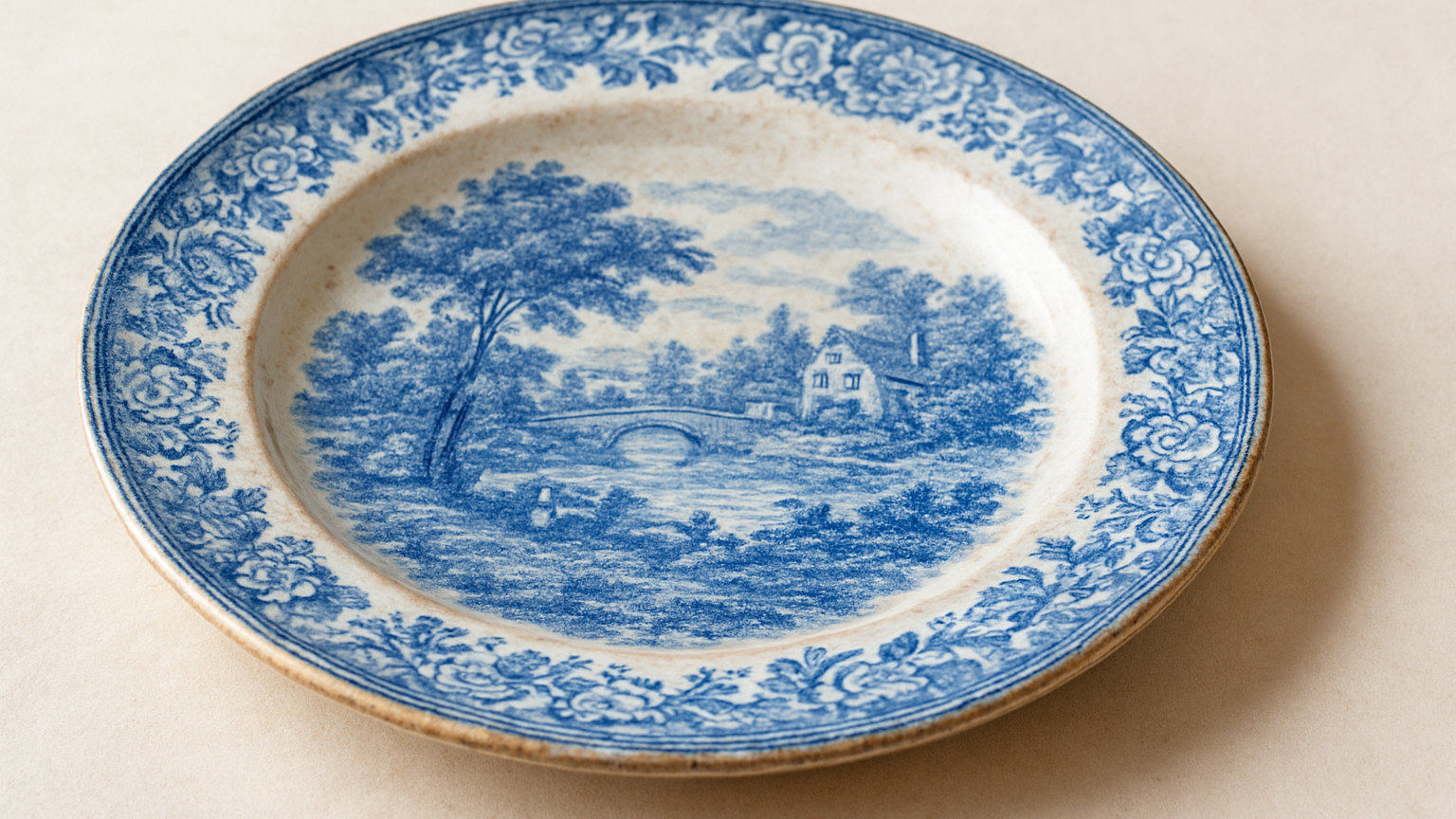
Ordinary transfer printed tableware remains very affordable, because it was made in enormous quantities and survives well. That makes it an excellent way to learn, since you can handle a great deal of genuine material without spending much.