Porcelain rewards a short systematic inspection more than almost any category, because the two problems that account for most disappointment are both reliably detectable. Restoration can be genuinely invisible in daylight and obvious under ultraviolet light, and marriages show in the fit and the marks.
What should you carry?
A small ultraviolet torch, a magnifying glass and a normal torch. The ultraviolet torch is the single most useful tool in ceramics and costs very little.
In a darkened area, restoration fluoresces differently from original glaze, appearing duller and frequently with a purplish cast. Sweep the whole piece rather than checking obvious spots, since restorers work where damage occurred rather than where you expect.
Where does damage concentrate?
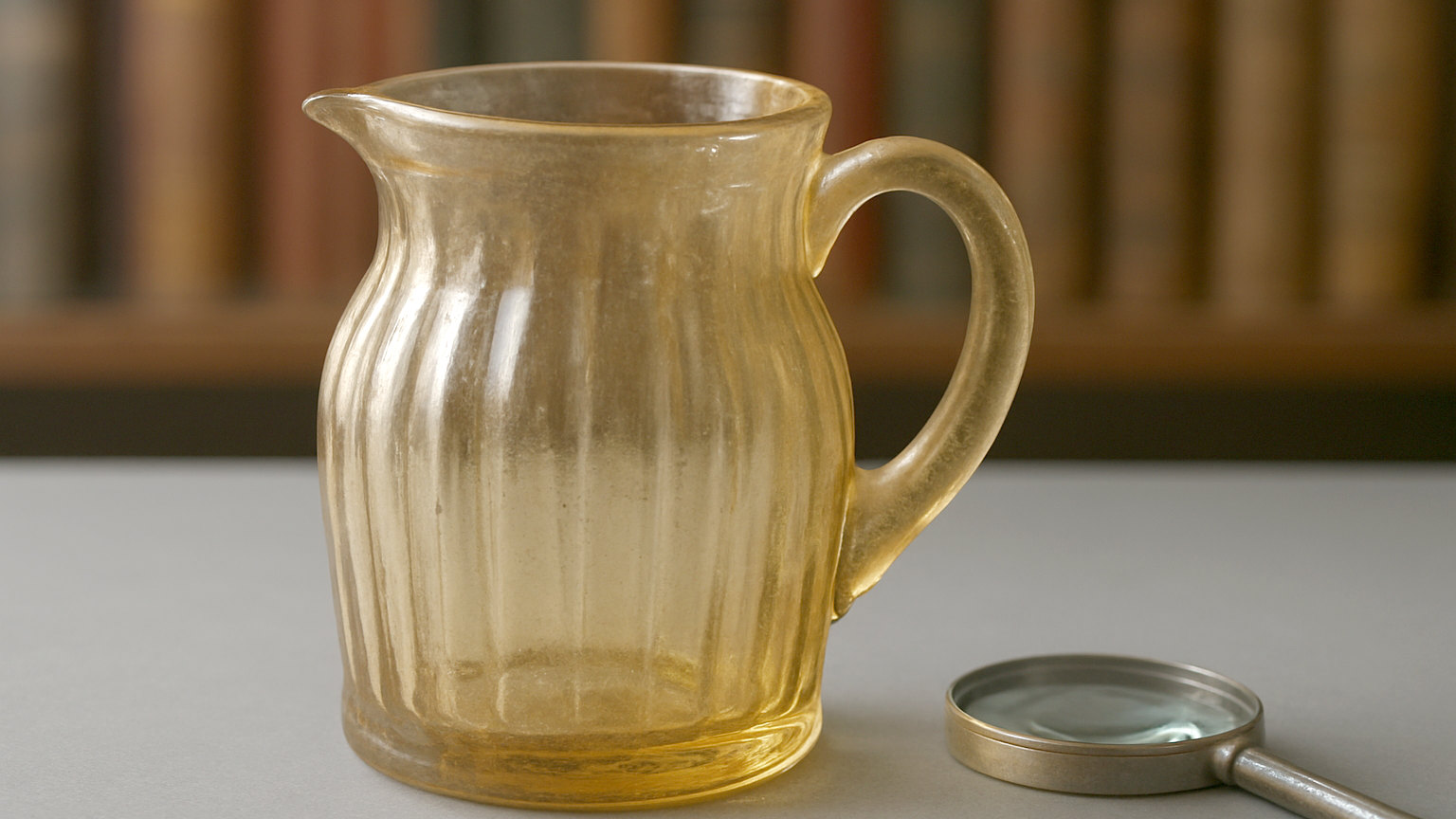
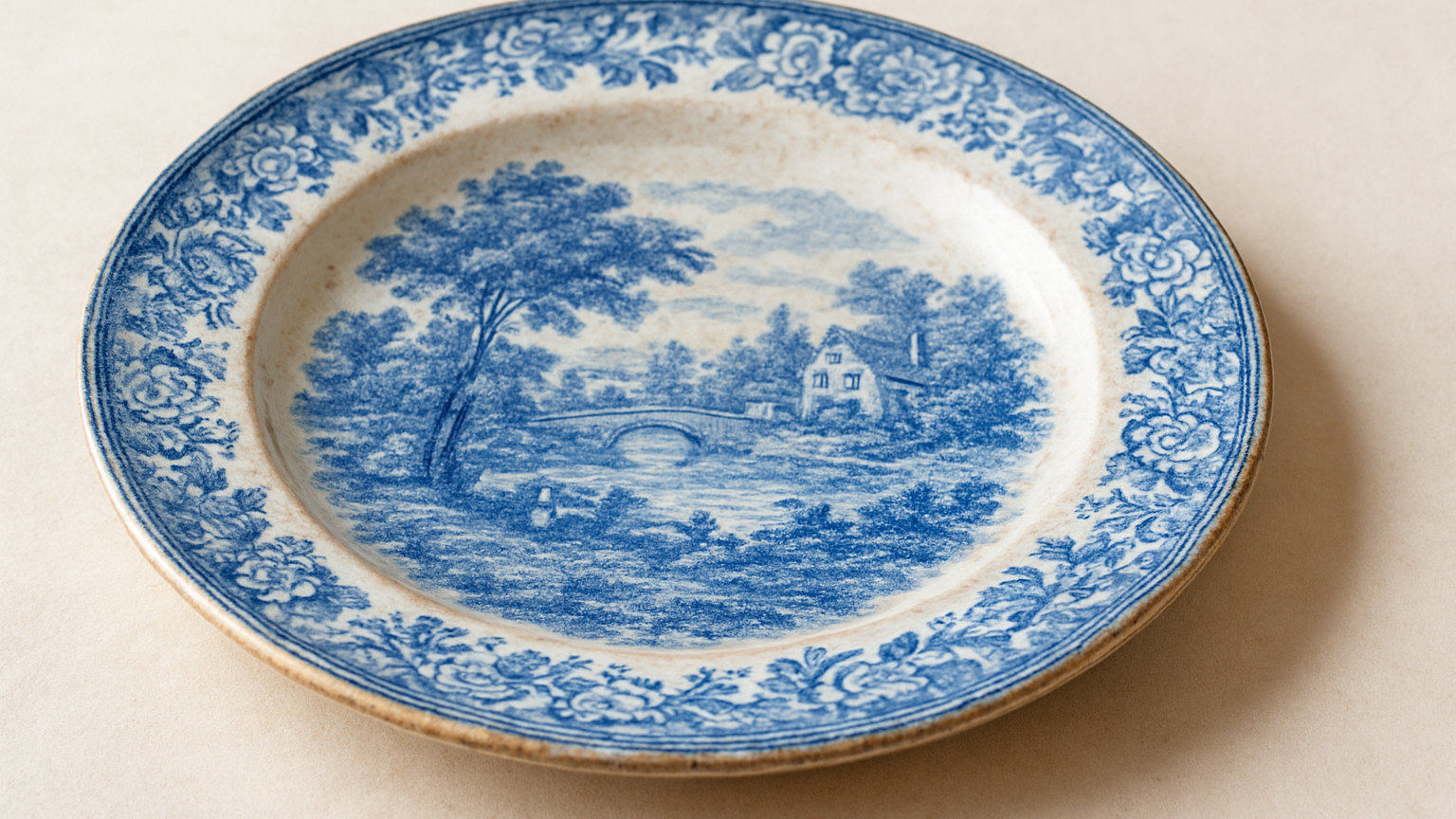
At every projection. On figures, fingers, raised arms, applied flowers and hats. On jugs and pots, the spout tip, the handle joins and the lid rim. On plates and dishes, the rim all the way round.
Work systematically around the object rather than forming a general impression. Run a fingernail over each projection feeling for a change in texture, since restoration is warmer and softer than fired glaze and the transition can often be felt.
How do you check for cracks?
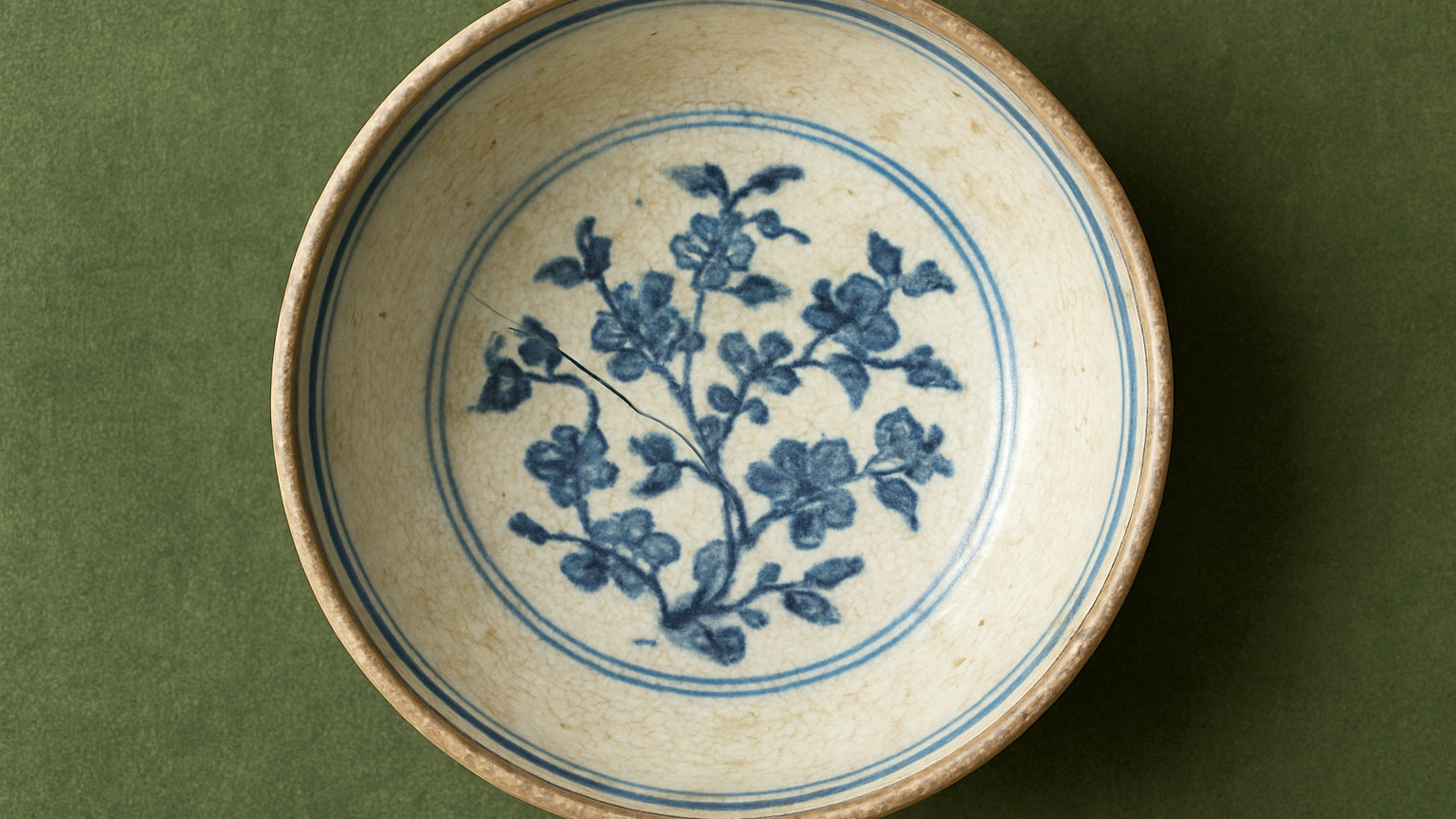
By backlighting and by sound. Hold the piece up to a strong light and look through the body, since hairlines show as dark lines when light passes through.
Then balance the piece on your fingertips and tap the rim gently with a fingernail. A sound piece rings clearly with a note that sustains; a cracked one gives a dull thud. Both tests take seconds and between them catch almost everything.
Does the lid belong?
Check fit, pattern alignment, colour and wear on anything covered. Married lids are extremely common, since lids were lifted constantly and lost.
Look for marks on the lid separately, since these should agree with the base. A lid that sits loosely, or whose decoration does not continue logically from the body, has almost certainly come from elsewhere and reduces value considerably.
What should you check about the mark?
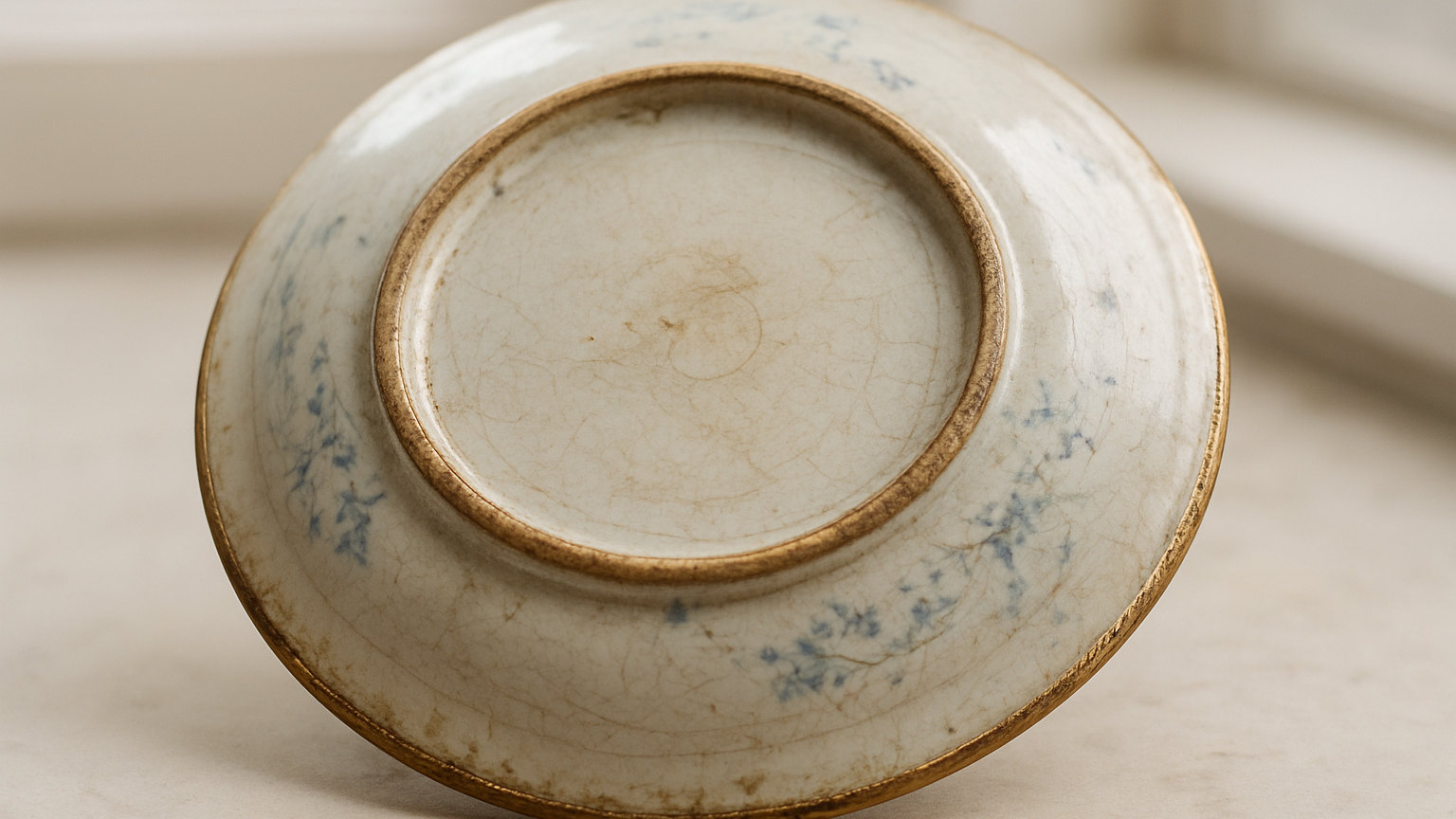
Whether it is under or over the glaze, and whether that matches what the claimed factory actually did. Run a fingernail across it: underglaze marks are smooth, overglaze marks can frequently be felt.
Be sceptical of the widely copied devices. Assess the body, the glaze, the potting and the painting first, and treat the mark as confirmation rather than evidence. A convincing mark on an unconvincing body tells you the mark is wrong.
What should you ask the seller?
Directly whether there is any restoration, damage or replacement, and ask for the answer in writing on the receipt alongside the attributed date and maker.
Reputable dealers disclose as a matter of routine, since restoration in ceramics is expected rather than shameful. Vagueness on this point is the warning rather than the answers themselves, and a confident dealer will hand you a torch.
How do you buy safely from photographs?
By asking specific questions rather than general ones and getting written answers. Photographs essentially never show restoration, and a listing silent on condition should be assumed to have some.
Request additional images including the base, the rim and every projection, ask whether the piece has been checked under ultraviolet light, and confirm the return position before bidding. Bid more conservatively than you would having handled the piece.
What about buying at auction?
Attend the viewing if at all possible, since most lots are sold as seen and the burden of inspection falls on you. Take your torch.
Where you cannot attend, request a written condition report and ask specifically about restoration. Remember to cost the buyers premium and any platform fee into your limit before bidding rather than after winning.
What should be on the receipt?
A description of the piece, the factory or attribution, the approximate date, any restoration or replacement, and the price. That description is your protection if anything proves otherwise.
Keep it with the object permanently, since it becomes part of the provenance and will matter to the next owner. Photograph the piece as received, which settles any question about condition on arrival.