This is one of the more difficult problems in porcelain, because everything about the object is genuine except the thing that gives it most of its value. A real factory blank, correctly marked, was sold undecorated and painted years or decades afterwards by someone else entirely. The mark is authentic and the decoration is not.
Why were blanks sold undecorated?
Because decorating was a separate trade. Factories sold white ware to independent decorating studios and individual painters, who applied their own designs and fired them at lower temperature.
This was entirely legitimate and much good work was produced that way. The problem arises when much later decoration is passed off as factory work, or when a plain blank is elaborately painted specifically to imitate a valuable factory pattern.
What is a cancelled mark?
A factory mark scored through with one or more lines, indicating a piece sold as a second or as an undecorated blank leaving the factory. Some makers did this systematically.
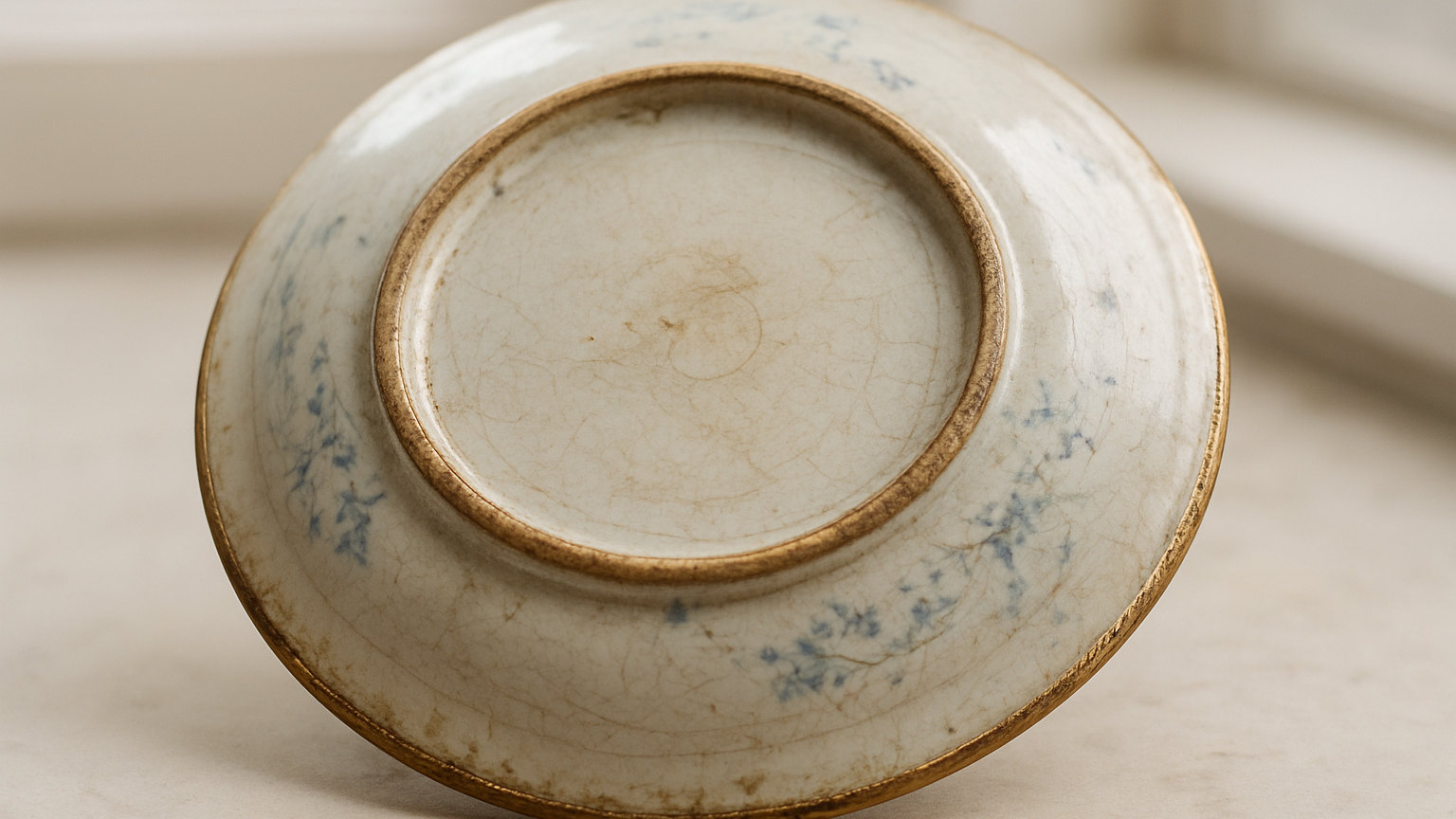
A cancelled mark under elaborate decoration is a strong signal, because it says the factory released the piece white. If the decoration then claims to be factory work, those two facts contradict each other. Look carefully at any mark for scoring lines, which can be faint.
What does the palette tell you?
A great deal, if you know what the factory actually used. Each maker worked with a defined range of enamel colours, and outside decorators rarely matched them precisely because the recipes were proprietary.
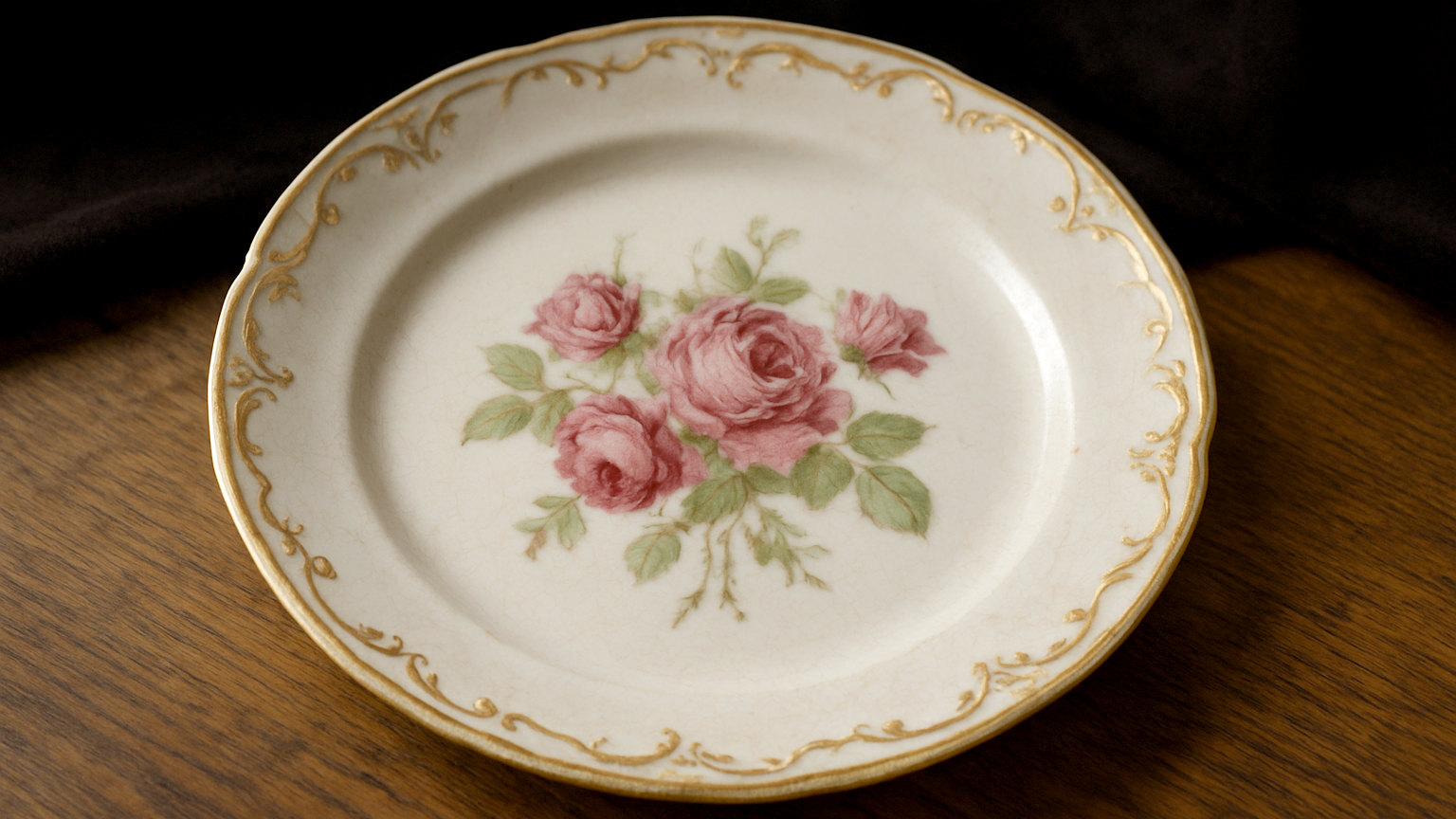
Compare against documented examples from that factory. Colours that are close but slightly wrong, particularly greens, pinks and the specific tone of a ground colour, are a common tell. Later decoration also tends to be more crowded, since the decorator was covering a plain surface rather than working to a factory design.
How does the enamel sit on the glaze?
Later added decoration frequently sits differently. Factory decoration was fired in the factory kiln at a controlled temperature, so enamels sank into the glaze surface slightly and integrated with it.
Later refiring at lower temperature can leave enamel sitting more distinctly on top, sometimes with a slightly raised or granular feel. Run a fingertip over the decoration and compare with a known factory piece. Look also at the edges of painted areas under magnification for a hard boundary rather than a softened one.
Does the wear pattern help?
Considerably, and it is one of the most reliable checks. On a genuinely old decorated piece, the decoration has been washed and handled for as long as the body has, so it shows wear consistent with the base and rim.
Later decoration is younger than the object carrying it. Bright unworn gilding and crisp enamel on a piece whose foot rim shows a century of genuine scratching is inconsistent. Compare the condition of the decoration against the condition of the undecorated areas.
What is clobbering?
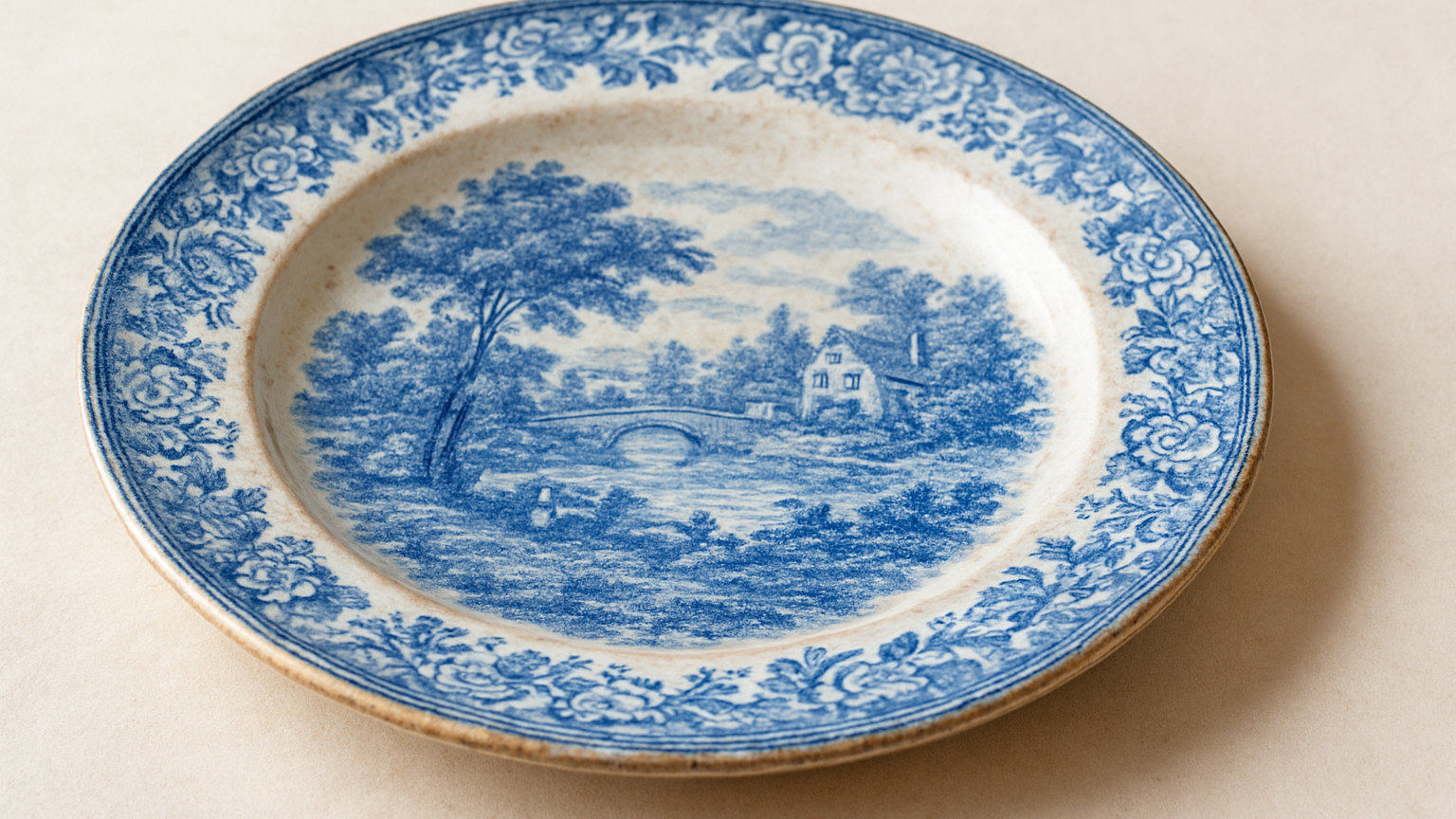
Adding extra colour to an existing decorated piece, usually painting over or around original underglaze blue with overglaze enamels and gilding to make it more elaborate and saleable.
Look for enamel overlapping the underglaze design imprecisely, or colour applied in a way that fights the original pattern rather than complementing it. Clobbered pieces are genuine antiques with later additions, and they are worth considerably less than either an original blue and white piece or a genuine polychrome one.
Does later decoration have any value?
Yes, and it should not be dismissed. Work by recognised independent decorators is collected in its own right, sometimes at prices exceeding ordinary factory production, because the painting itself is the achievement.
What matters is accurate description. A blank correctly identified and honestly described as later decorated has a market. The same piece sold as factory decorated is misdescribed, and buyers who discover it later have a legitimate complaint. Where the sums involved are significant, get a specialist ceramics opinion before buying rather than afterwards, since this is one of the problems that photographs conceal almost completely and that only handling will settle.