The word fake suggests deliberate deception, and that is the smaller part of the problem. Far more often a piece was made openly as a reproduction, was sold honestly as one, and then lost that description somewhere over the following decades until a later owner assumed it was period. The financial effect on you is identical, so the checks matter either way.
What is a married piece?
A marriage is two genuine old parts from different objects joined to make one saleable item. A bookcase top on a bureau base, a clock movement in a case built for another movement, a chest on a stand that never belonged to it.
Check where the two parts meet. The timber colour, the patina and the quality of construction should be consistent across the join. Look for mouldings that do not align, a top that overhangs oddly, or a difference in the colour of unpolished timber inside. Marriages are usually much less valuable than either genuine complete piece.
How do you spot later carving?
Plain period furniture was frequently carved decades later to make it more saleable, a practice common enough to have its own place in the trade. The carving itself may be old, but it was not there originally.
Look at the depth of the design relative to the surface. Original carving is planned into the timber thickness, so the ground around it sits at a sensible level. Later carving is cut into an existing flat surface, so the panel often ends up unusually thin, and the carved recesses show a cleaner, paler colour than the surrounding surface because they were cut after the patina formed.
What does artificial ageing look like?
Too even. Genuine wear follows use, so it concentrates exactly where hands, feet, sleeves and cloths made contact and is entirely absent elsewhere. Artificial distressing tends to be spread across whole surfaces, including places no person would ever touch.
Look for dents that are all the same depth, worm holes that run straight into the timber rather than following an irregular tunnel, and staining that sits on the surface rather than in it. Ask yourself how someone using this object would have handled it, then check whether the wear tells that story.
How can you check a mark?
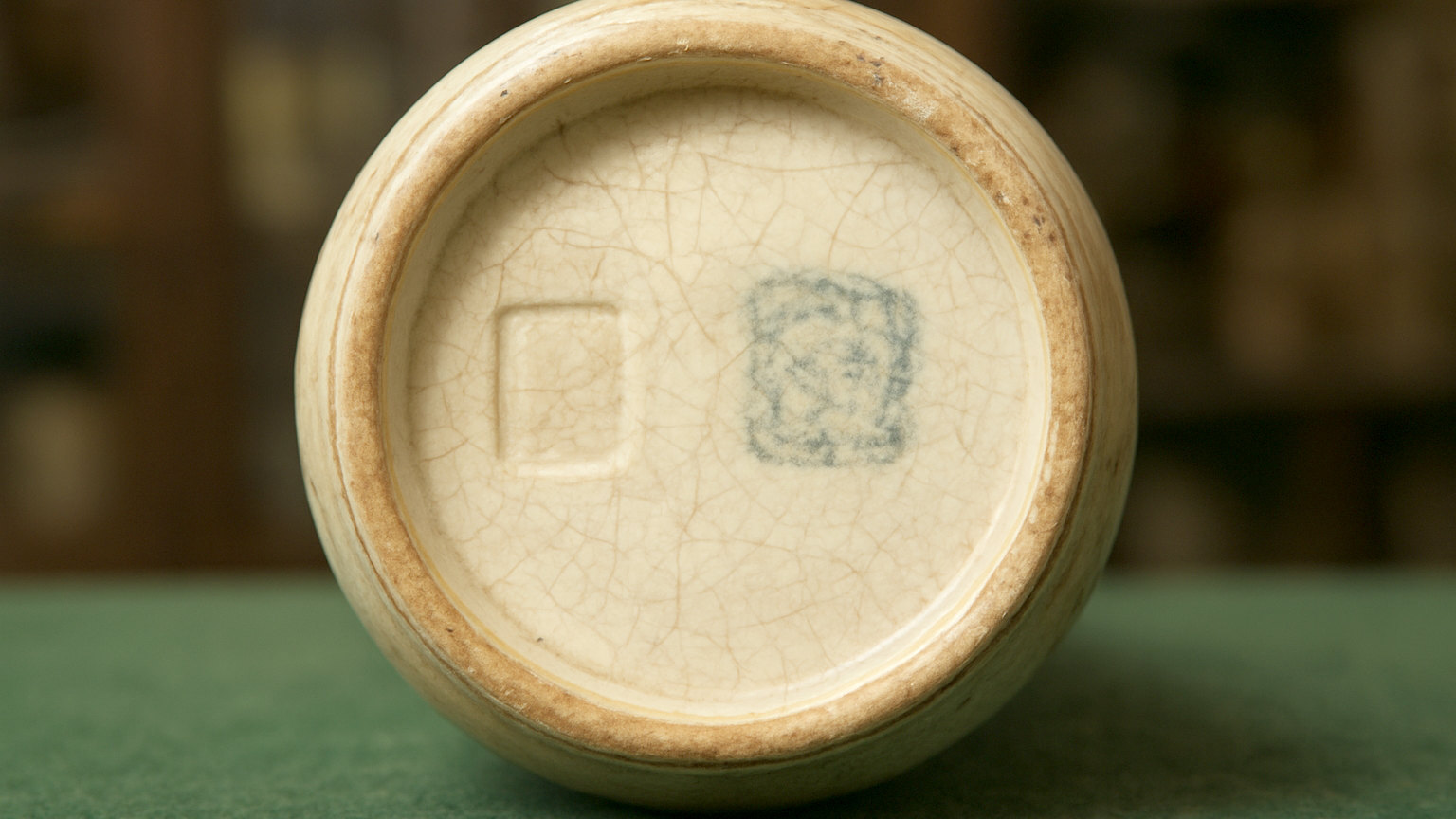
Compare crispness against context. A struck mark wears at roughly the same rate as the metal around it, so a razor sharp mark on a heavily worn base is inconsistent.
Cast copies are the other common problem. A struck mark has sharp walls and a clean floor; a cast one has softly rounded edges and a slightly grainy surface, because it was reproduced from a mould taken off an original. On silver, marks that are spaced oddly or sit on a slightly raised patch may have been cut from another item and let into this one.
Which categories are faked most?
Anything where the price of an original is high and the cost of a copy is low. Well known ceramic factory marks, popular furniture designs, early pewter, sporting and militaria items, and any category that has recently risen sharply in price.
Be especially careful where the object is small, easily made and highly desirable. Where a genuine example costs a great deal and materials cost almost nothing, someone has always taken an interest.
What should you do before paying?
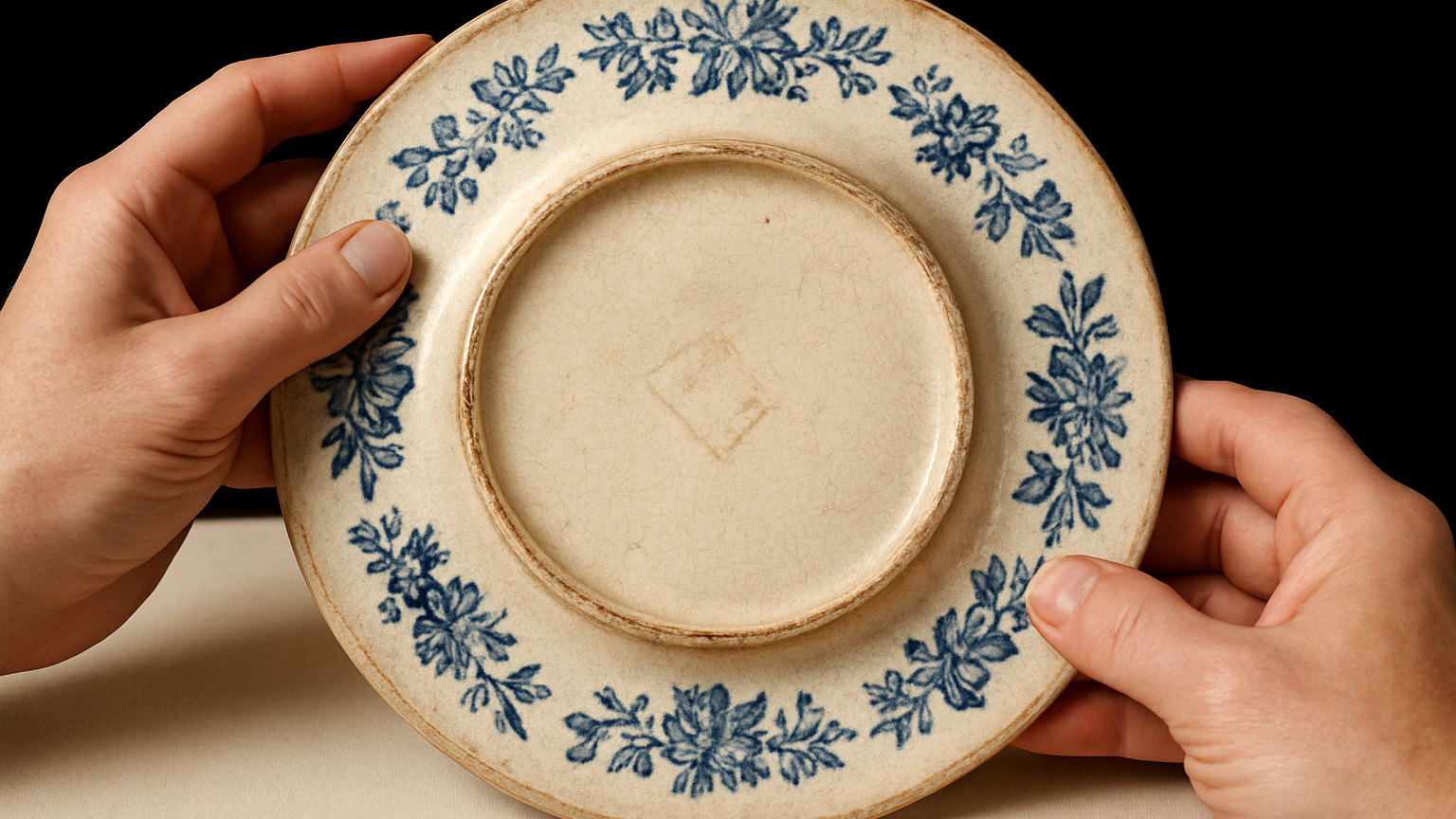
Handle the object, turn it over and look at the parts nobody finished. Ask direct questions and listen to how they are answered. A dealer who knows their stock will tell you plainly what has been restored, because restoration is normal and disclosure is routine.
Ask for a written receipt describing the item, its date and its condition. That description is your protection, and a seller who is confident will provide one without hesitation. Reluctance to put a date in writing tells you a great deal.
When is a reproduction worth buying anyway?
Often, provided the price reflects what it is. Good quality reproductions are frequently well made, use solid timber, and cost a fraction of a period equivalent while looking almost identical in a room.
The problem is never the reproduction itself. It is paying a period price for one. Buy it knowingly, at the right money, and it will serve perfectly well.