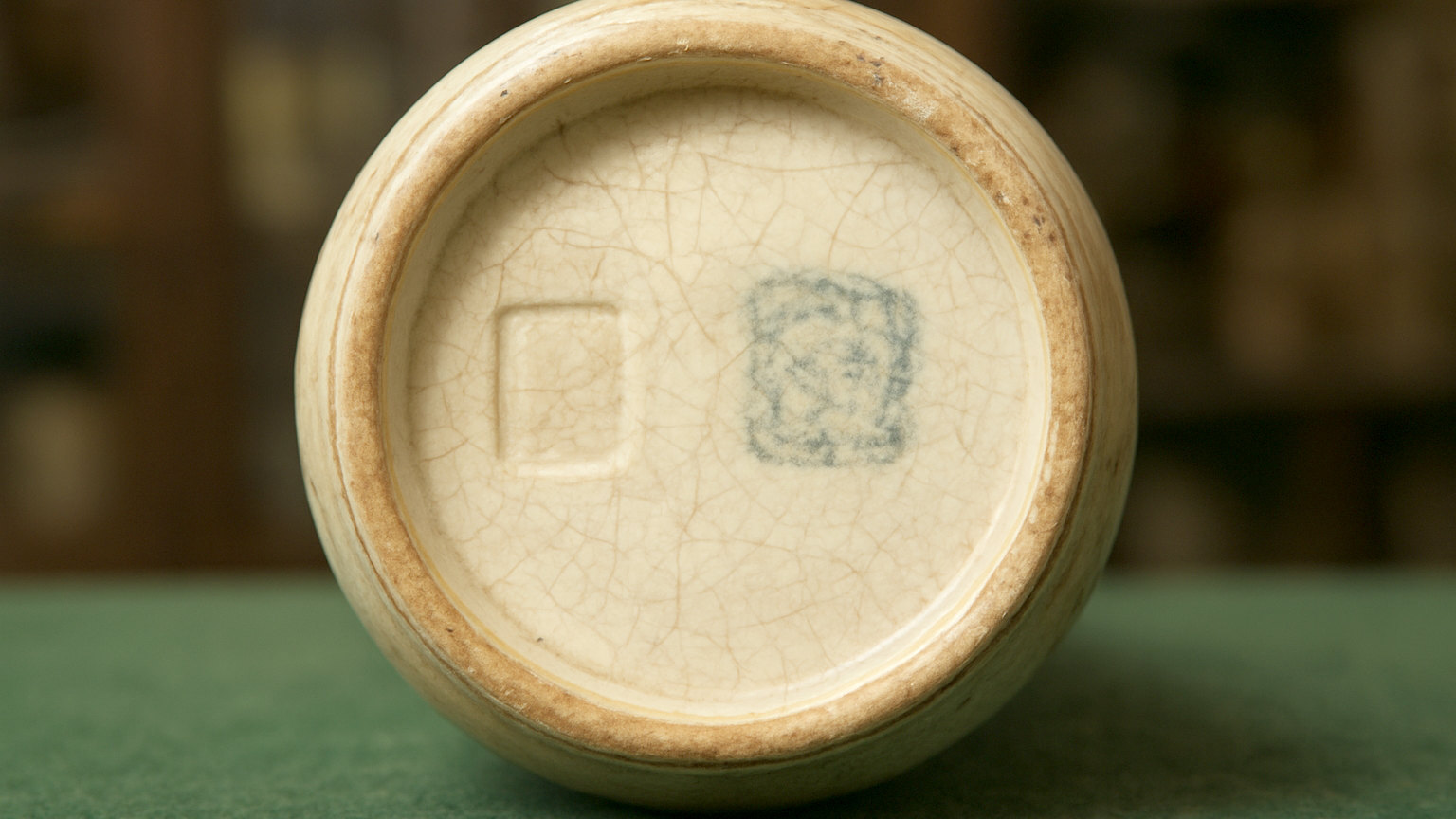
British hallmarking exists to guarantee metal content, and it works well enough that faking the mark became more attractive than faking the metal. The good news is that every method of falsifying a mark leaves physical evidence, and the checks require nothing more than a loupe and a little patience.
What is a transposed hallmark?
A genuine hallmark cut out of one object and soldered into another. The mark is real, which is what makes this the most convincing form of deception, but it belongs to a different piece and usually a much cheaper one.
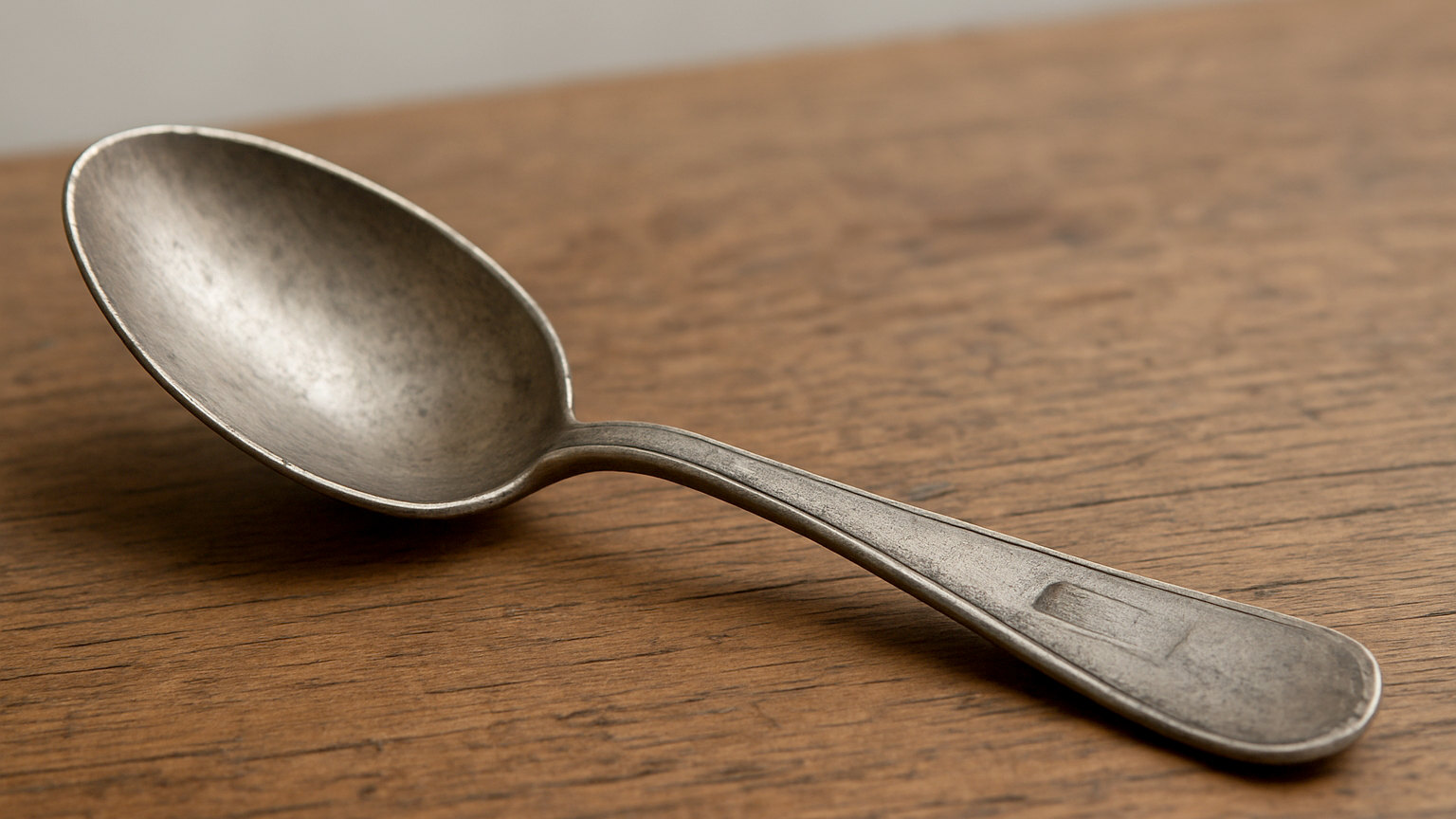
The motive is to give an unmarked or later item the date and standing of an earlier one. A small mark panel cut from a worn spoon and let into a fine tea caddy transfers an early date to an object that never earned it.
How do you detect a let in mark?
Look for the seam. Breathe on the area around the marks so condensation forms, then watch how it clears. Solder and the surrounding silver have slightly different properties, so a fine rectangular outline frequently appears around a let in panel as the moisture evaporates.
Examine the inside of the piece at the corresponding point. A soldered insert usually shows a faint line, a slight difference in colour, or a patch of solder that has flowed unevenly. Run a fingernail across the area, since a let in panel often sits very slightly proud or slightly sunken.
What does a cast mark look like?
Soft. A struck mark is made by driving a hardened punch into metal, so it has sharp walls, a clean floor and crisp lettering. A cast mark is reproduced from a mould taken off an original, so the edges are rounded, the letters are slightly blurred and the surface within the mark often has a fine grainy texture.
Cast marks also tend to be surrounded by a slight depression or halo where the mould sat. Compare the crispness of the mark against the crispness of any engraving or decoration elsewhere on the piece, since these should have aged at broadly similar rates.
Do the marks match the object?
This is the check that catches most problems and requires no magnification at all. A hallmark records a date, so ask whether the object could plausibly have been made then.
Look at the form, the decoration and the construction. A shape that belongs to one period carrying a mark from a much earlier one is a clear warning. Equally, check whether the assay office town makes sense for the style of work and whether the makers mark corresponds to someone recorded as working in that town in that year.
What about marks on separate parts?
Every separately made component should carry its own marks, so check the lid, the handle mounts, the base and any detachable fitting individually rather than accepting the mark on the largest section.
Different dates or different makers marks on different parts usually indicate a marriage of components rather than fraud, and that is common and often disclosed. It still matters to value, because an original matched piece is worth considerably more than an assembled one.
What is a duty dodger?
A piece on which an older mark panel was transposed specifically to avoid paying the duty charged at assay. These are historic frauds rather than modern ones, dating from when the tax applied.
They are interesting objects in their own right and are collected as such, but they are not what their marks claim. The tell is the same as any transposed mark: a seam, a mark inconsistent with the form, and often a mark panel positioned oddly relative to how that object would normally have been marked.
When should you get an expert opinion?
Whenever the marks would make a substantial difference to value, and whenever anything about them feels inconsistent with the object. Assay offices themselves will examine marks, and specialist silver dealers read them constantly.
Do not clean the piece first. Polishing softens punch edges and removes the dark residue that makes marks legible, and it can destroy exactly the evidence a specialist needs to reach a view.