People check the hallmark on a silver object and stop, which means they check one component of something that may have four. Each separately made part was supposed to be submitted and marked in its own right, and comparing those marks against each other is the quickest way to establish whether a piece is what it appears to be.
Which parts should carry marks?
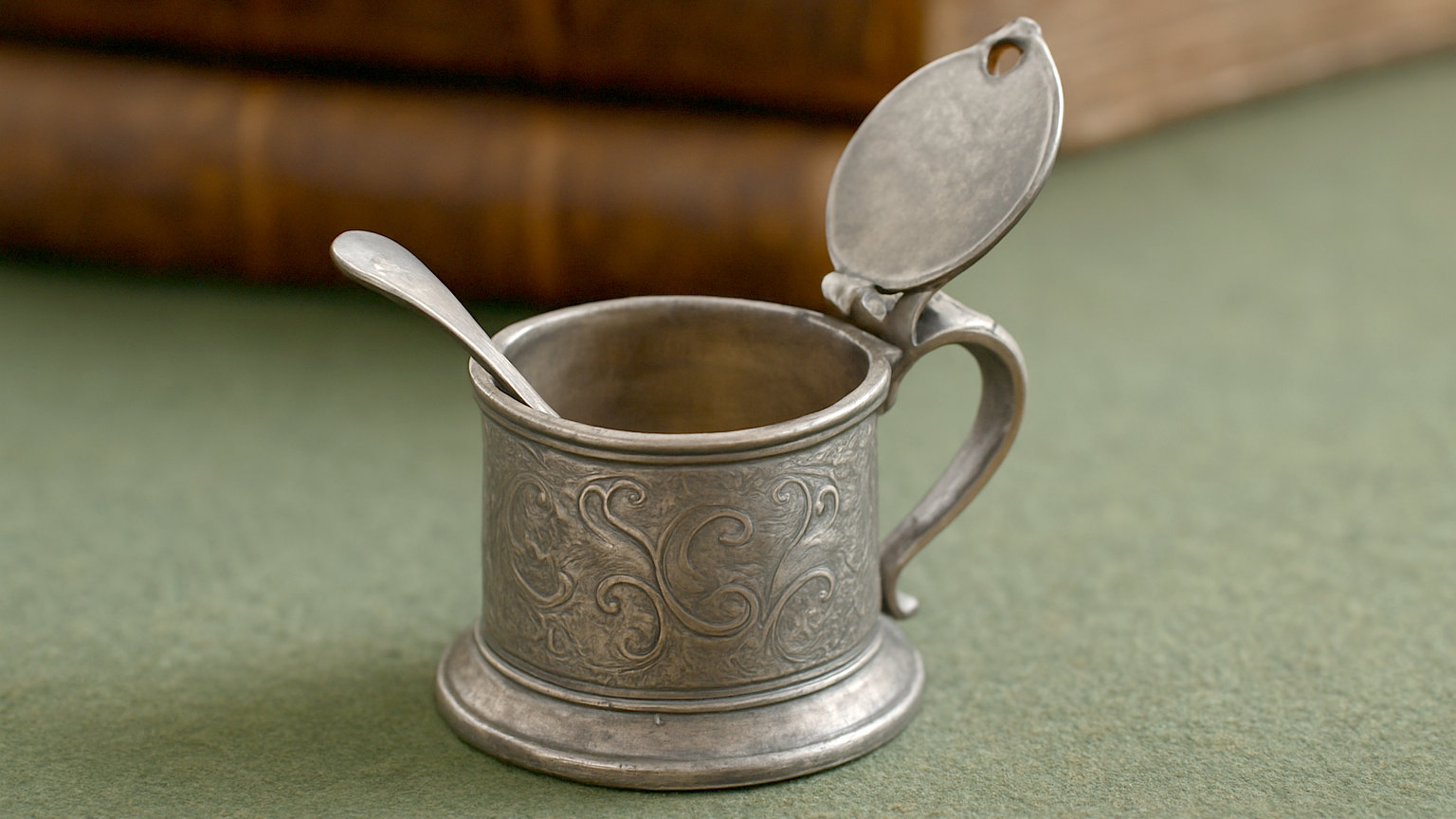
Anything made separately. On a teapot that means the body and the lid. On a cruet it means the stand and every vessel standing in it. On a candlestick it means the base and any detachable nozzle.
Covered vessels, hinged boxes, cruets, tea services and anything with a removable component should be checked part by part. Handles of wood or bone are not marked, since they are not silver, but their silver mounts frequently are.
What is a partial mark?
A reduced set of punches applied to smaller or secondary components, commonly just the standard mark and the makers mark rather than the full four.
This is entirely normal and not a warning sign. A lid carrying two punches while the body carries four is exactly what you would expect. What matters is whether those two punches agree with the ones on the body, not whether there are as many of them.
How do mismatched marks indicate a marriage?
By showing that two parts came from different origins. A lid with a different maker mark or a date letter years away from the body was made for something else.
Marriages are extremely common, because lids were dropped and lost constantly and a replacement was fitted from whatever was available. It is not fraud, and it is frequently disclosed, but an original matched piece is worth considerably more than an assembled one and the difference should be reflected in the price.
Where are the marks on each part?
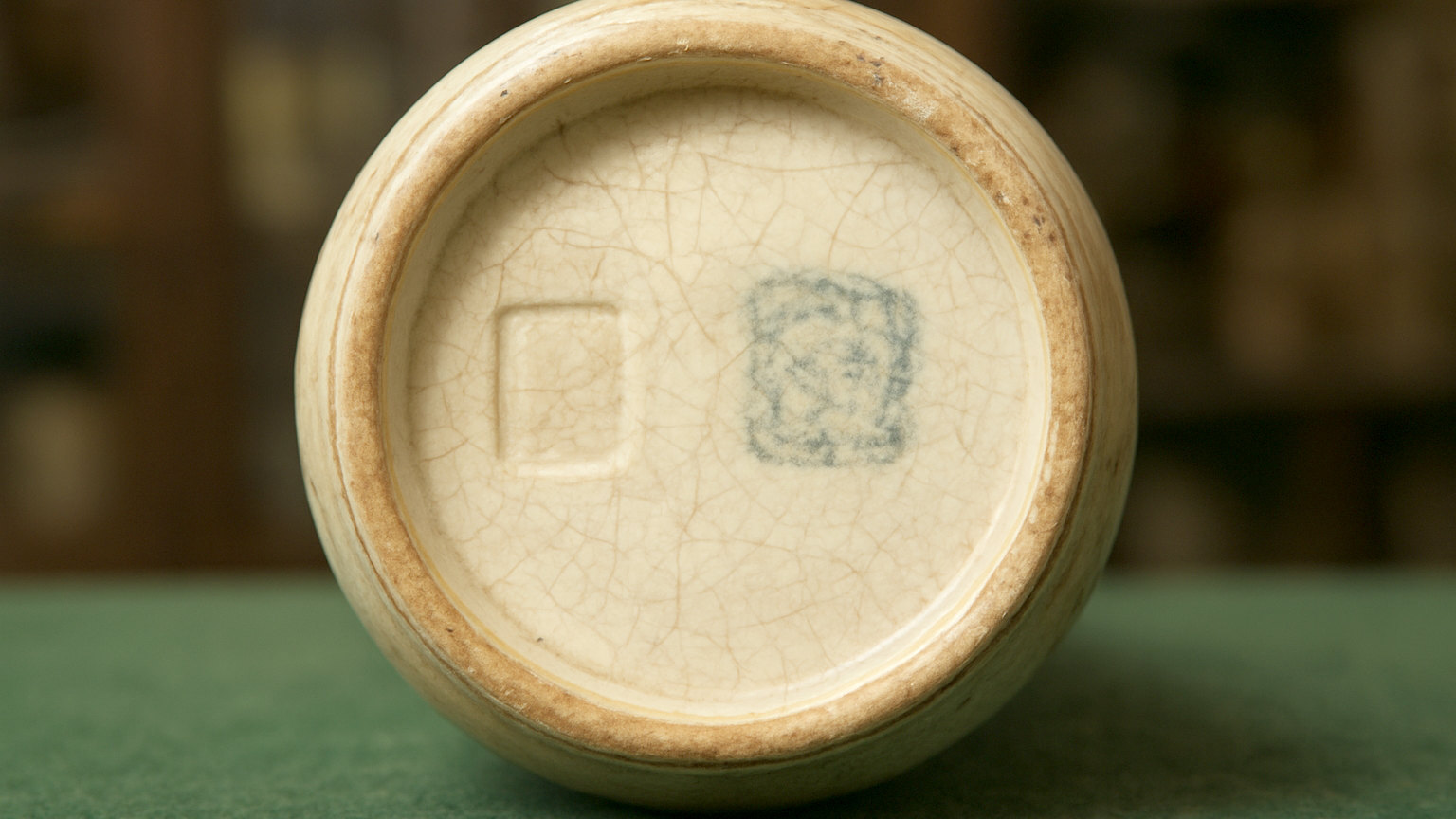
Lids are usually marked on the underside of the flange or inside the rim. Nozzles are marked on the underside or inside the socket. Stands are marked on the base, and small vessels on the underside.
Some are awkward to reach and require the piece to be dismantled as far as it safely comes apart. Never force anything, and never unscrew a fitting that resists. Use raking light, since marks on curved and thin components wear heavily.
Why are some genuine parts unmarked?
Because small and light components fell below the weight thresholds at which marking was required, and because some fittings were exempted in practice as marking would have damaged them.
Fine chains, small mounts, tiny spoons and delicate applied decoration are frequently unmarked on entirely genuine pieces. An unmarked component is therefore not evidence of anything on its own. What matters is whether the marks that do exist are consistent with each other.
What should you check besides the marks?
Fit and wear. An original lid sits precisely and shows wear corresponding to the rim it has rested on for a century. A married lid frequently sits slightly loose or slightly proud.
Compare the colour and patina across parts, the depth of any engraving, and whether an engraved crest matches in style and wear. Two components that have been together for two centuries should have aged identically, and a difference in tone is worth investigating.
What if a part is marked but the body is not?
That combination deserves attention, since it can indicate a marked lid fitted to an unmarked or later body. Check whether the body is silver at all by testing rather than assuming.
Look also at whether the marks on the smaller part have been let in from elsewhere, by breathing on the surrounding metal and watching for a fine rectangular outline as the condensation clears. Where a valuable attribution rests on one set of punches, that check is worth the minute it takes.
Does a partial mark reduce value?
Not where it is the expected marking for that component. What reduces value is a mark that disagrees with the rest of the piece, since that indicates an assembled object rather than an original one.
Record the marks on every part separately when describing a piece for sale, because a buyer who knows the category will check them and a description that has already done so builds confidence.