Most people researching a ceramic mark start by typing what they think it says into a search box, get nothing useful, and stop. The method that works is different: describe the mark systematically before you interpret it, then narrow by evidence rather than by hope. It takes longer and it produces answers.
What should you record first?
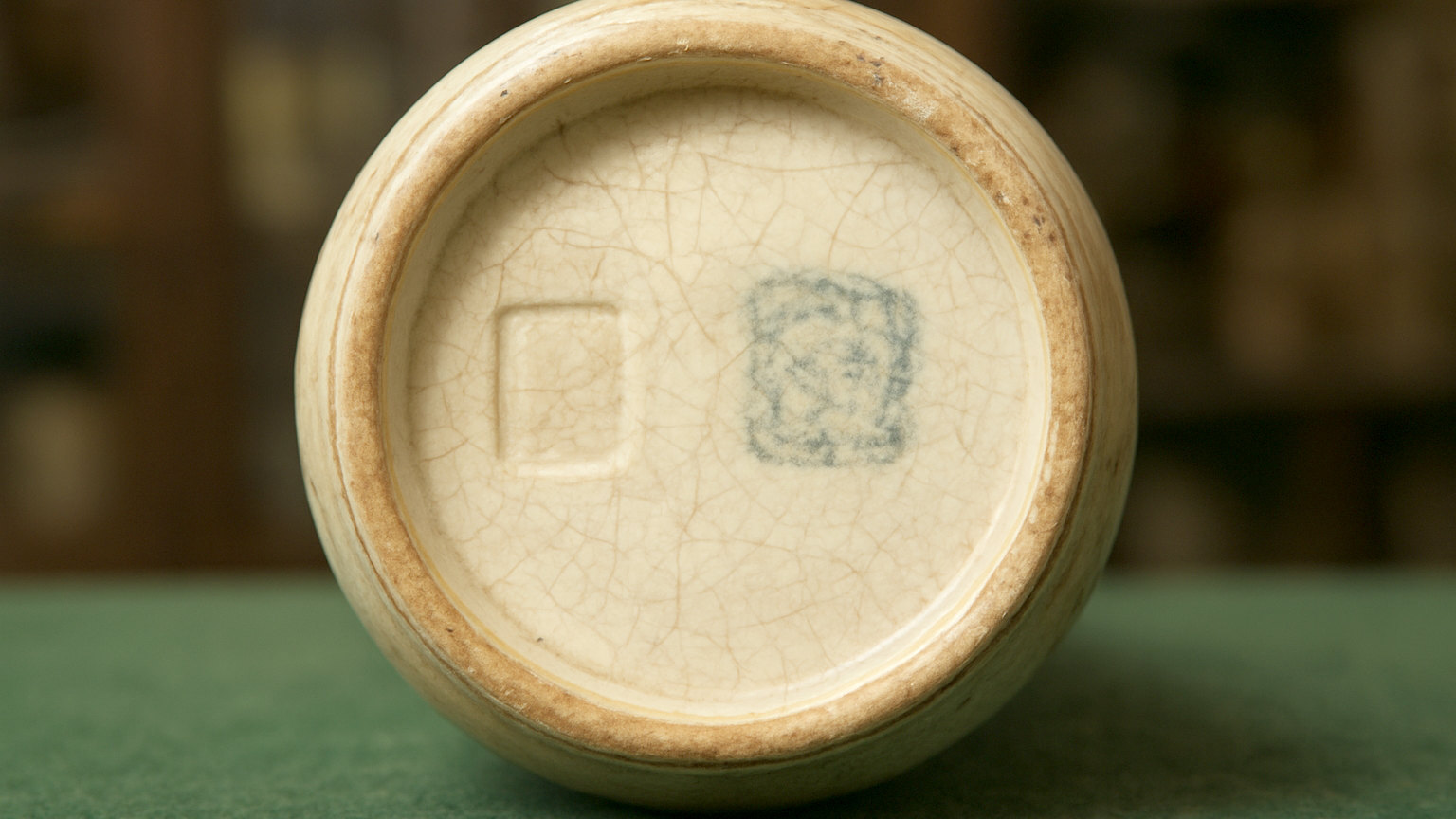
Everything on the base, exactly as it appears. Note how many separate marks there are and their positions relative to one another, since a factory mark, a pattern number and a decorator mark are different things.
For each one, record whether it is impressed into the clay, printed under the glaze, or applied on top of it. That single distinction narrows the field considerably and is frequently the detail that identifies which factory used which method.
How should you describe a device?
By shape rather than by what you think it represents. A crown, an anchor, a shield, a bird, a beehive or a pair of crossed lines are all describable without interpretation.
Note the proportions, how many elements it contains, and whether any letters or initials sit inside or beside it. Guessing that a device is a particular factory emblem sends the search in one direction and closes off every other, which is exactly the mistake to avoid at this stage.
Where should you search?
Published mark encyclopedias first, because they were compiled from factory records and trade directories rather than from guesswork, and they index by device shape as well as by name.
Museum collection databases are the strongest online source, since each object there has usually been examined in person by a specialist and correctly attributed. Collector society archives and replacement china specialists hold enormous searchable image collections organised by pattern and by mark.
Why should you be cautious with image search?
Because a visual match tells you two marks look alike, which is a much weaker claim than saying they are the same mark. Small factories copied the devices of larger ones constantly, and reproductions carry deliberately similar marks.
Treat any match as a hypothesis to test rather than an answer. Check whether that factory actually used that method of application, whether the body and glaze of your piece are consistent, and whether the form is one that factory produced.
What if the mark is only a number?
Then the number is doing the work and you need the factory first. Pattern numbers were internal references and are only meaningful once you know whose system they belong to.
Identify the maker from the body, glaze, form and decoration instead, then use the number against that factory pattern books. A registration number or diamond device is different, since both convert to a date through published tables regardless of maker.
How do you identify a piece with no mark at all?
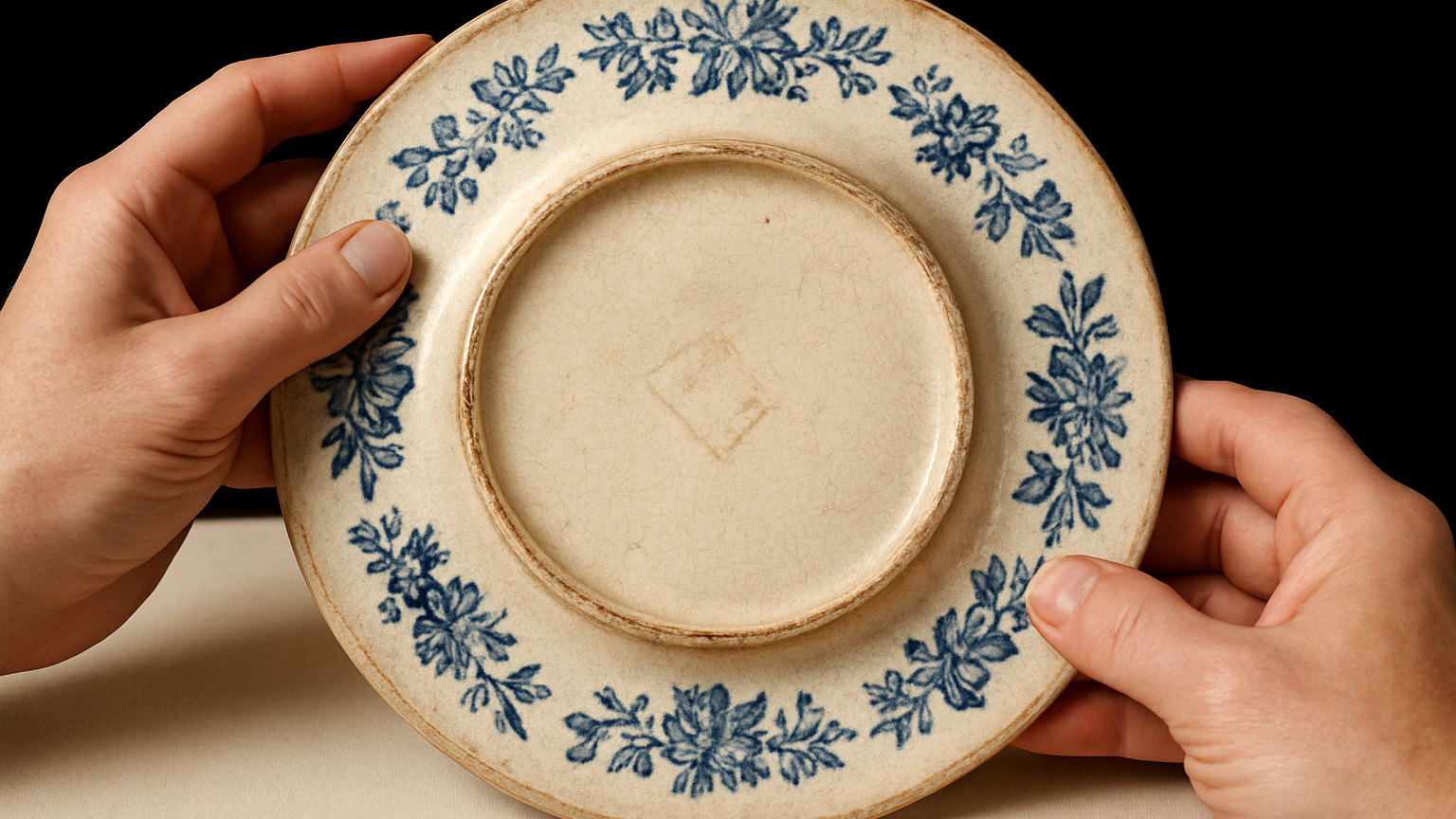
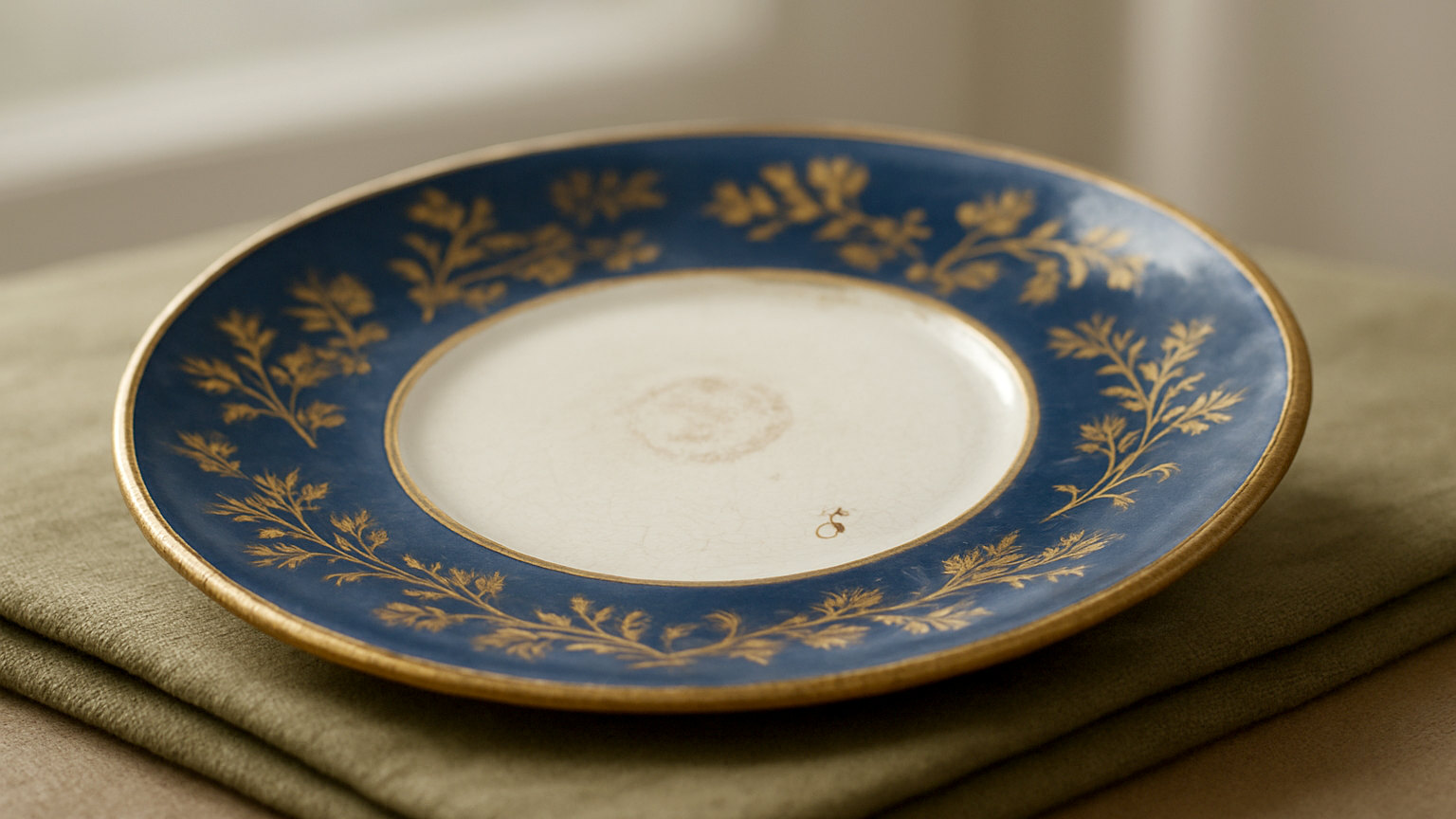
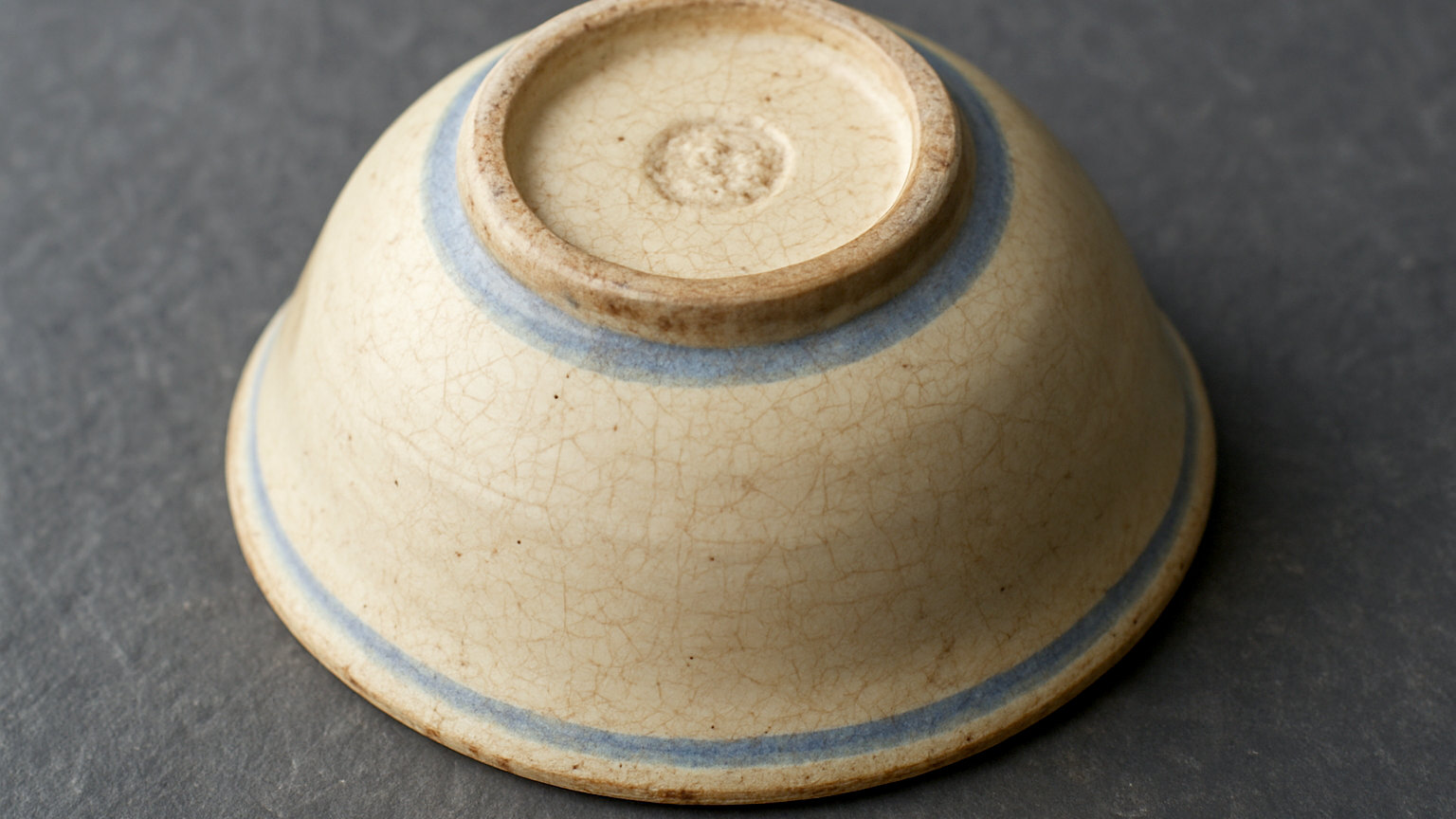
By reading the object rather than searching for a name. Look at the colour of the clay at the foot rim, the way the glaze pools and thins, the potting thickness, the profile of the foot, and the palette of the decoration.
These narrow the field far more than most people expect. Handling genuine marked examples of candidate factories is the fastest way to learn, which is why an afternoon at a saleroom viewing teaches more than a week of searching.
When should you ask someone?
Once you have described the mark properly and exhausted the obvious references. Collector societies for specific factories are generous with expertise and see unusual marks constantly.
Present your description rather than your guess: how many marks, how each was applied, the shapes involved, the letters you are confident about, plus photographs of the whole piece and the base under raking light. A well described unknown mark gets answered far more often than a badly photographed guess.
How should you record the outcome?
With the reasoning as well as the answer, noting which reference gave the attribution and how confident it is. An attribution without a source is an opinion rather than a finding.