Turn over almost any piece of decorated china and you will find numbers as well as a factory mark. People assume these are dates and they very rarely are. Most are internal factory references, and knowing which is which prevents hours of research chasing a figure that was only ever a stock code.
What is a pattern number?
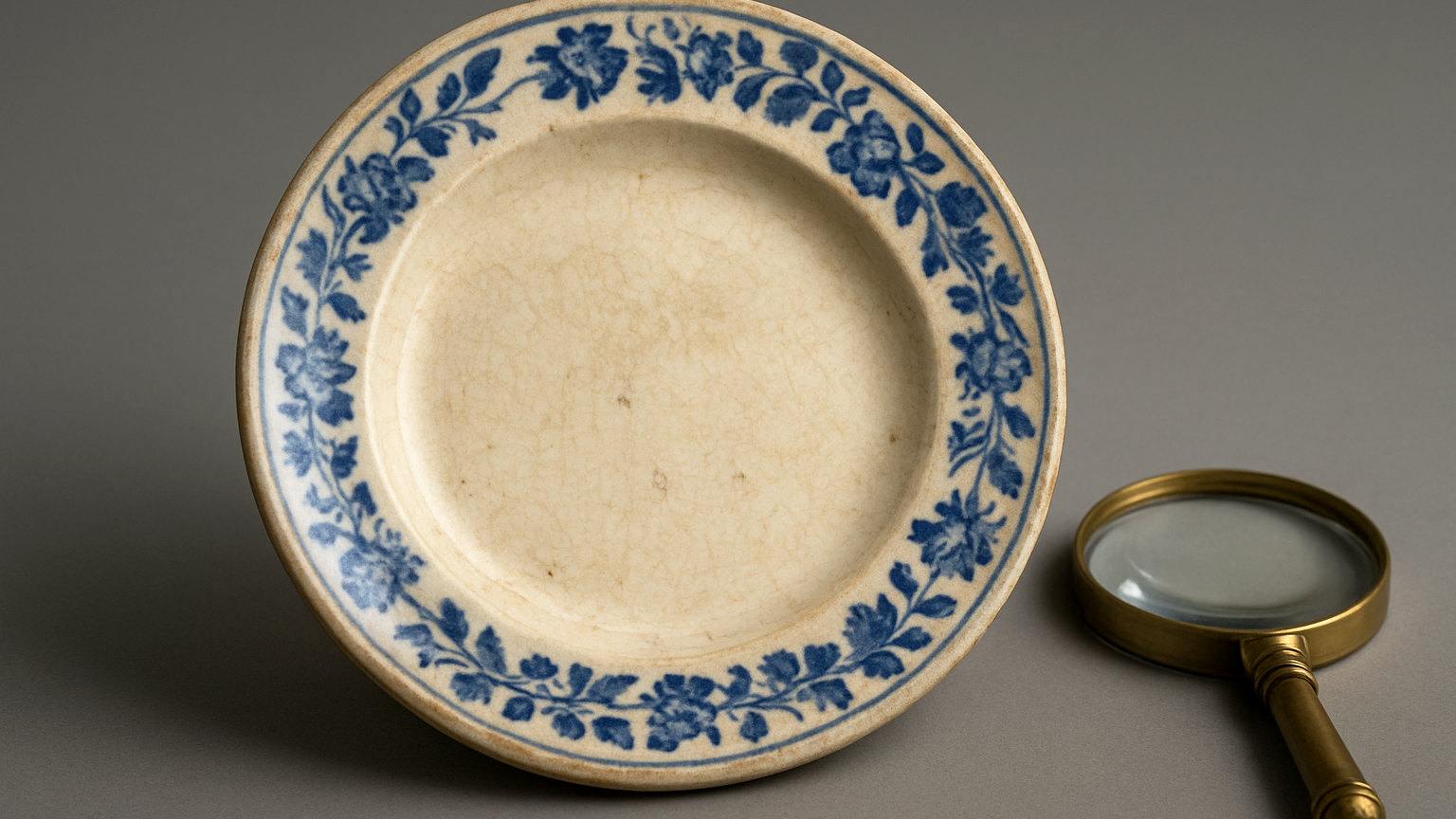
A reference identifying the decoration, so a factory could reorder or repeat a design exactly. It is usually painted or printed in the same colour as the decoration, often in a small neat hand, and it is the number you will encounter most often.
Pattern numbers were issued in sequence as new designs were introduced, which makes them genuinely useful. For the major factories, published pattern books record which numbers were in use in which years, so a pattern number plus a factory name will often date a piece within a few years.
How is a shape number different?
It identifies the form rather than the decoration, so every teapot of a particular model carries the same shape number regardless of what was painted on it.
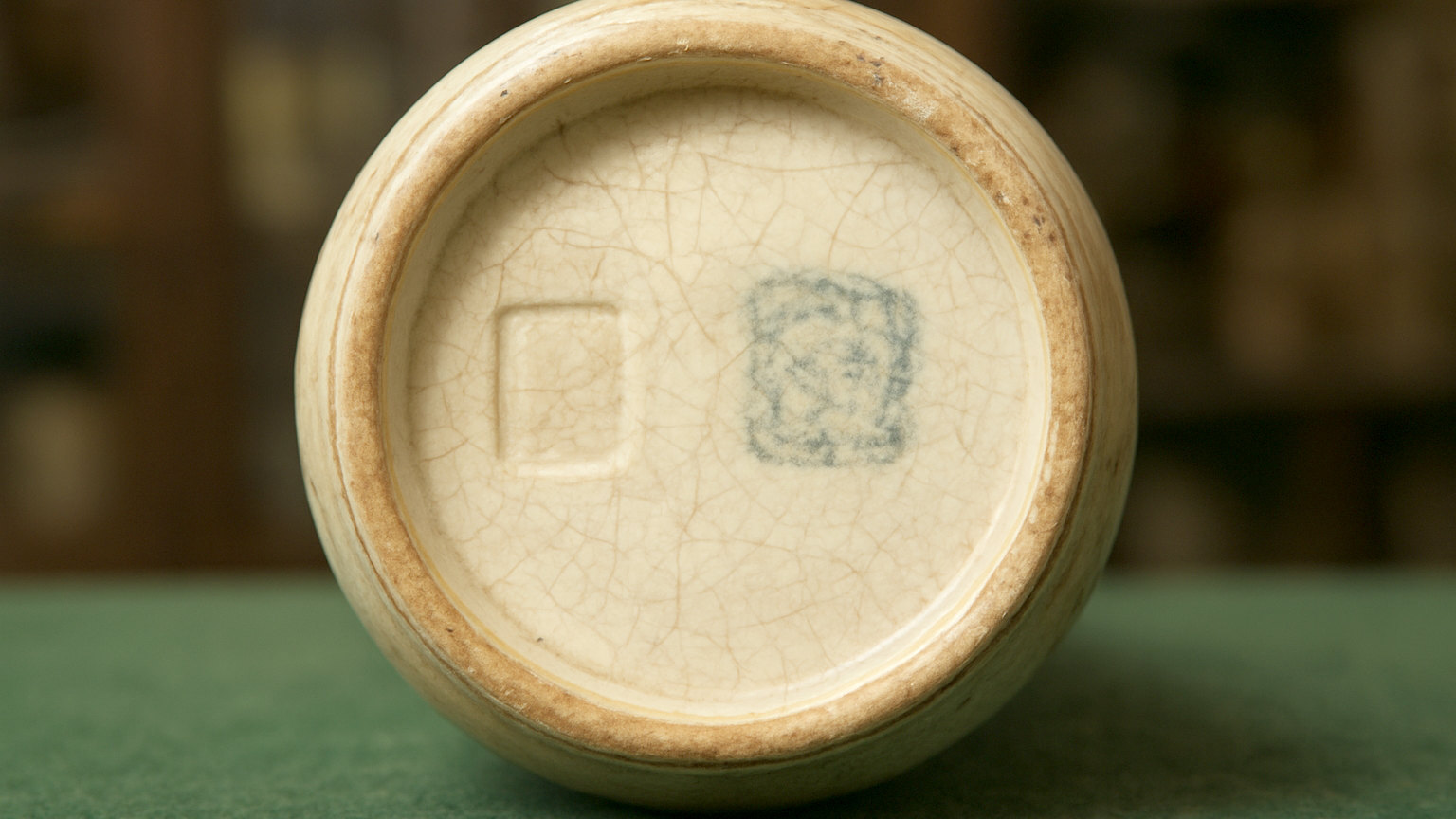
Shape numbers are frequently impressed into the clay rather than painted, because the form was determined at the moulding stage before any decoration existed. If you find one number pressed into the body and another painted on top, the impressed one is almost certainly the shape and the painted one the pattern.
What are painters marks?
Small numerals, initials or symbols applied by the decorator who painted the piece, so that piecework could be paid and faults traced back to an individual.
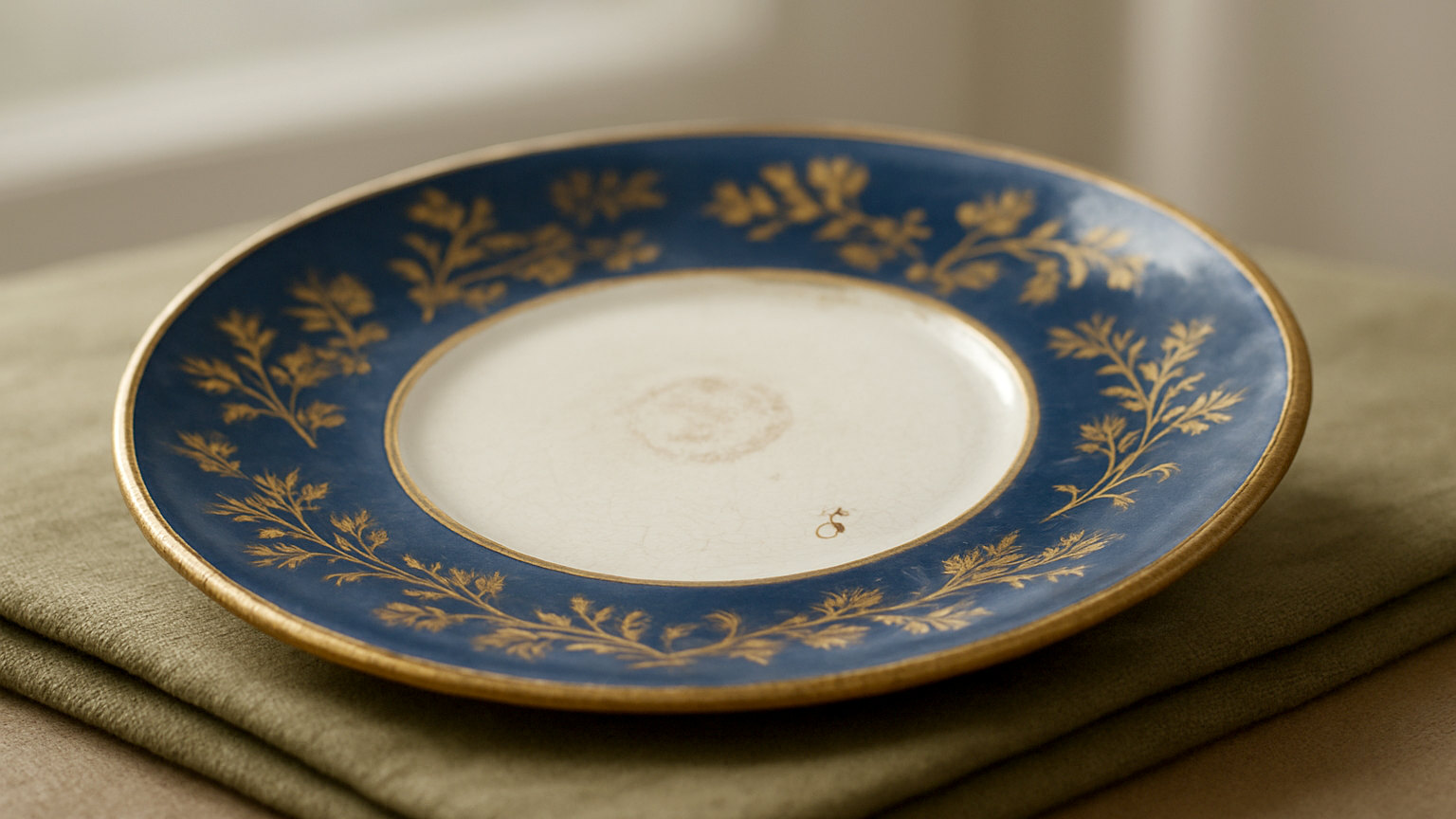
They are usually tiny, often tucked near the footrim, and applied in enamel or gilt. On several factories these are recorded and can be attributed to named decorators working known spans of years, which occasionally dates a piece more precisely than the factory mark does. Gilders sometimes added their own separate mark.
Do any numbers actually give a date?
Some factories used genuine date codes, usually a small cypher, letter or arrangement of dots that changed annually. These are documented in reference works for the makers that used them.
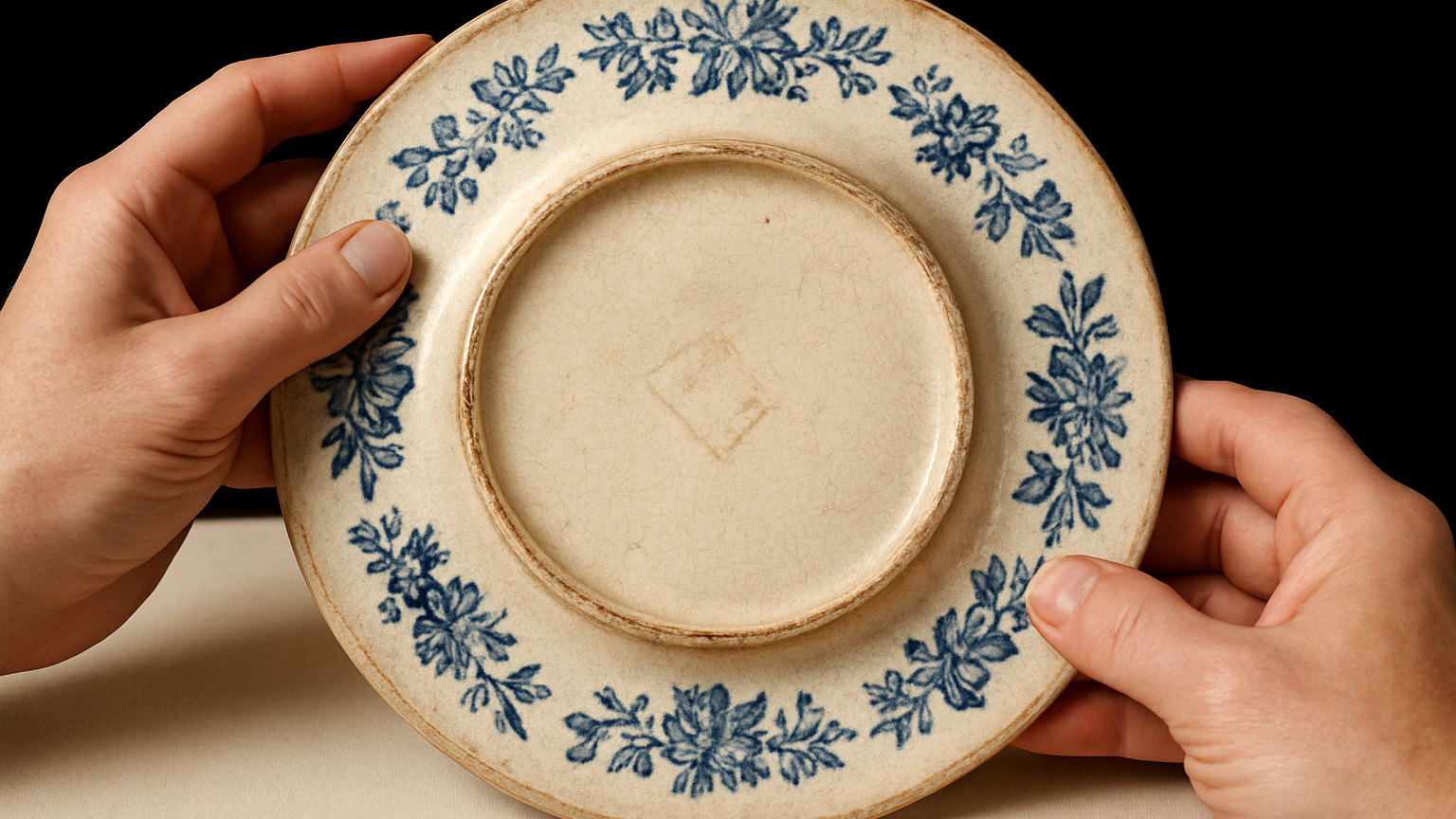
Registration numbers are the other datable figure. A number preceded by letters indicating registration converts to the year the design was registered, and the diamond shaped registration device gives an exact day, month and year. Both give the earliest possible date rather than the date of manufacture, since a successful design stayed in production for decades.
What about impressed numerals and letters?
Small impressed numbers in the clay are frequently potters or mould marks, identifying which mould or which workman produced the blank. They are internal quality control rather than anything a collector can date from directly.
Impressed letters sometimes indicate a month or a year within a factory system, and occasionally a size. Do not assume a two digit impressed number is a year, since it is far more likely to be a mould reference. Check what that specific factory is known to have used before drawing conclusions.
What do fractions and letter groups mean?
A pattern number written as a fraction usually separates a shape reference from a decoration reference, or indicates a variant of a standard pattern. Letters combined with numbers frequently denote a series, where a factory grouped related designs under a prefix.
Some numbers refer to the size or capacity of a piece, particularly on jugs and bowls made in graduated sets. A number that seems oddly small relative to others on the base is often a size rather than a reference.
How should you record what you find?
Write down every mark exactly as it appears, noting for each one whether it is impressed into the clay, printed under the glaze, or painted on top. That distinction matters as much as the number itself.
Photograph the base under raking light so impressed marks show. When you search, start with the factory mark to establish the maker, then use the numbers to narrow the date within that makers records, rather than searching the numbers on their own, which will return nothing useful.