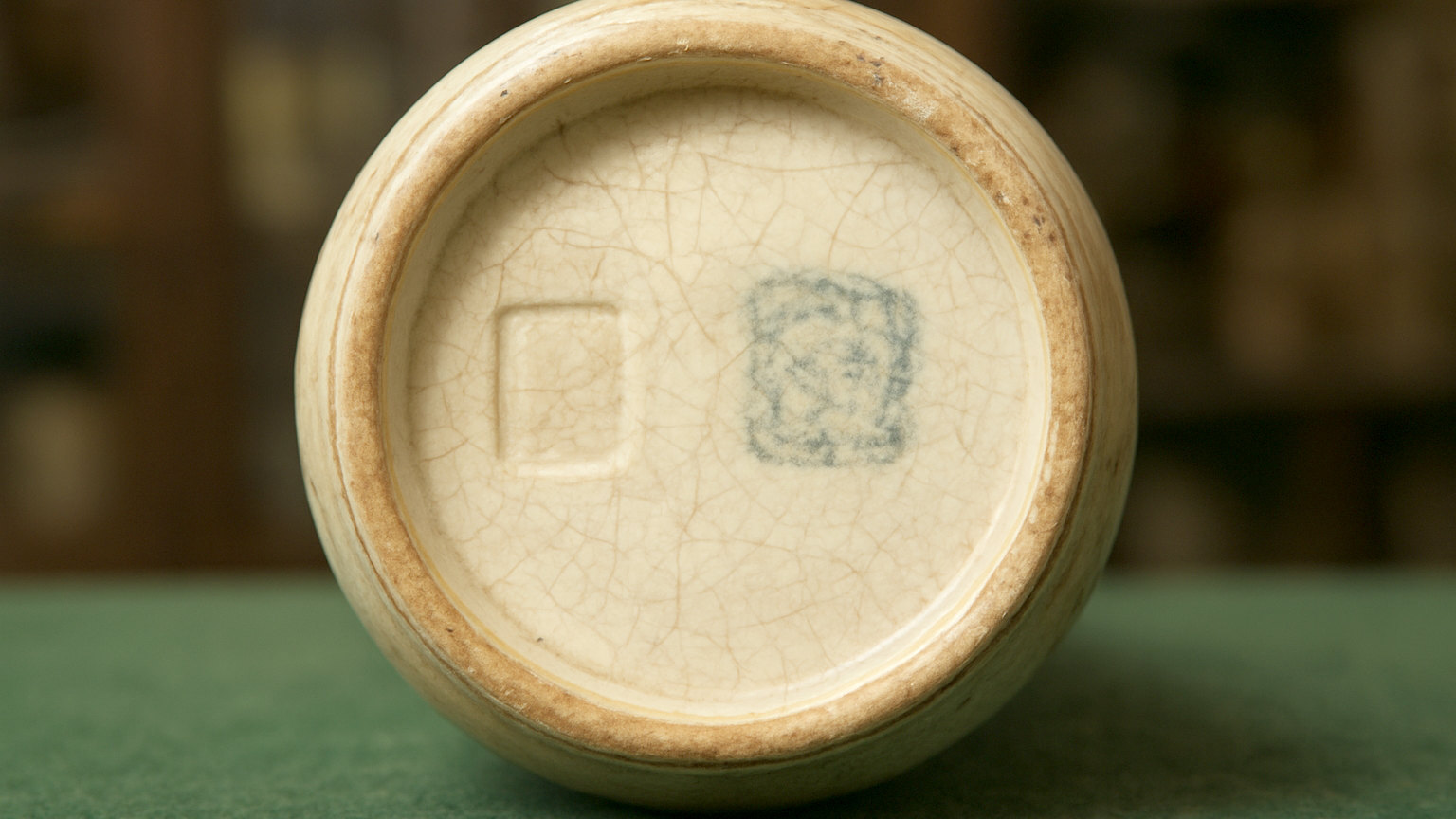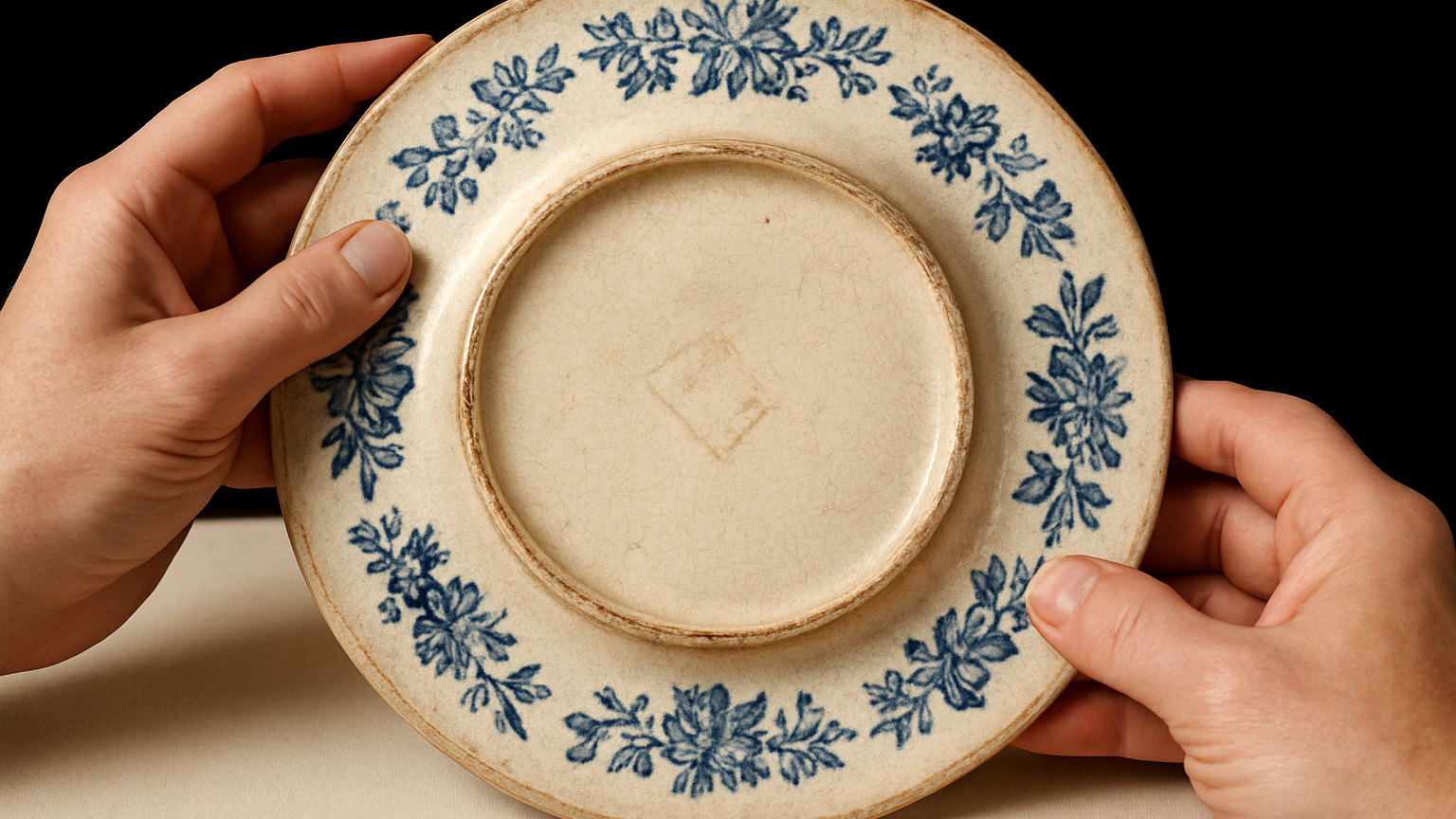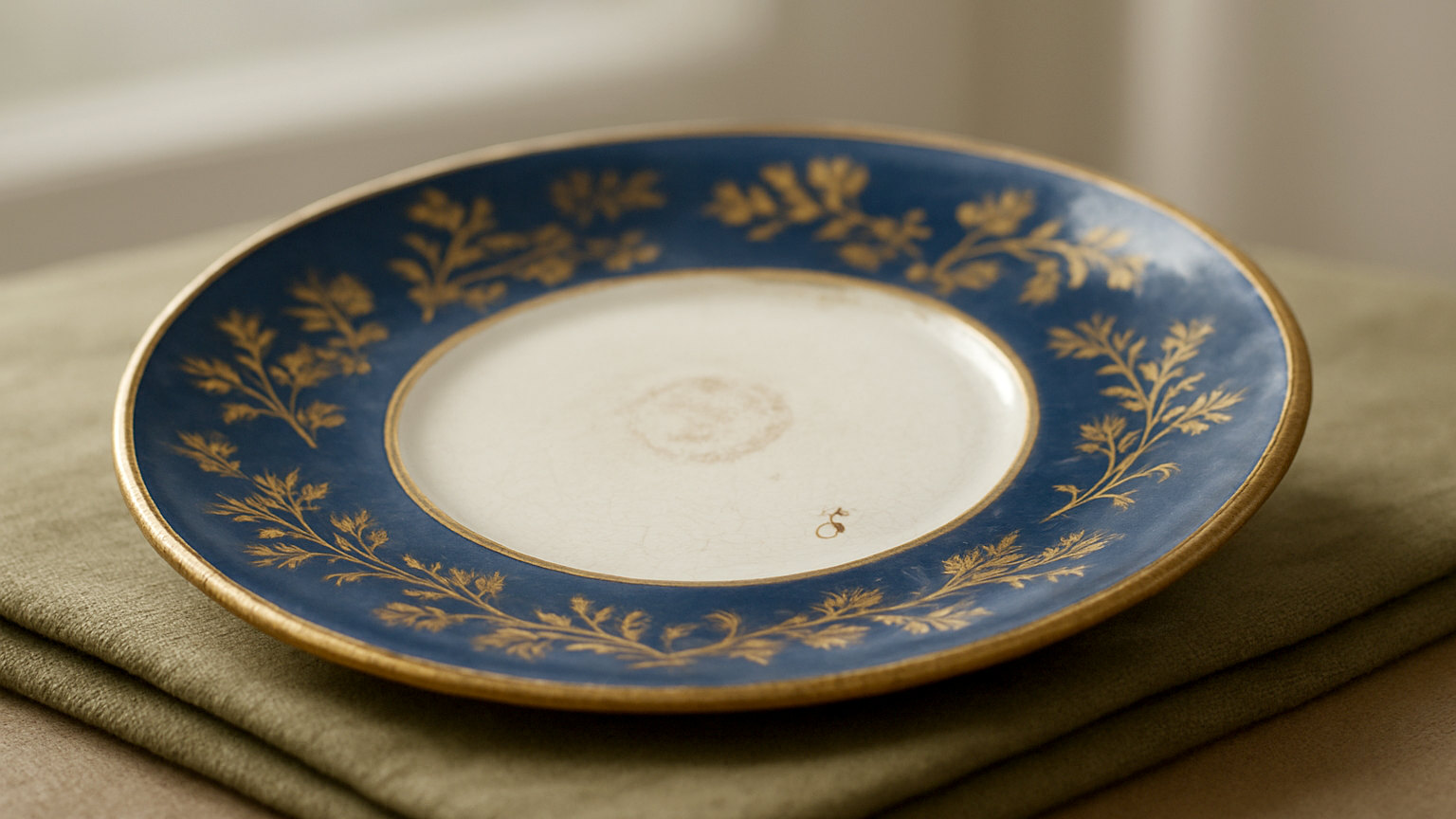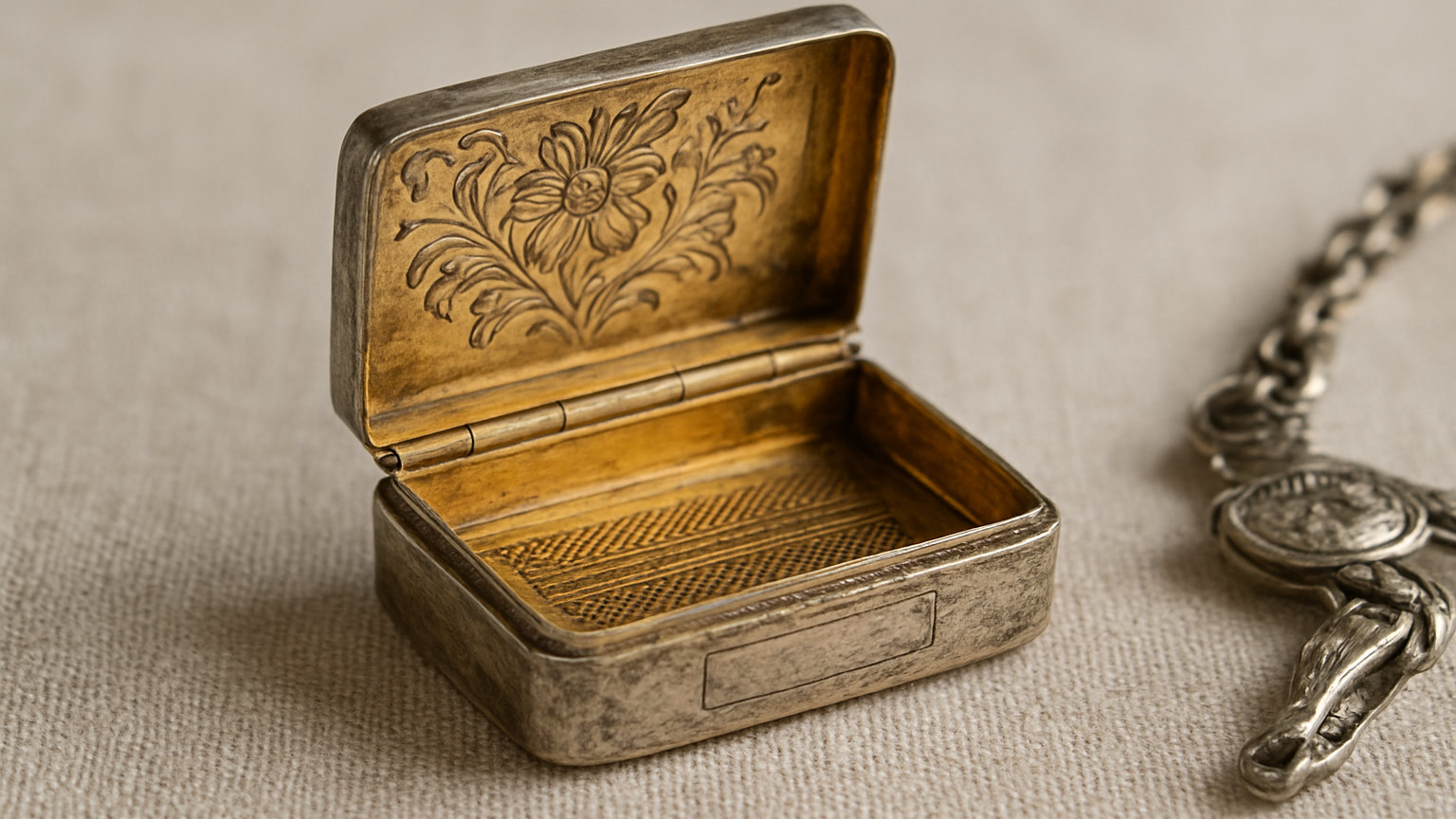
Finding a name on an antique feels like solving the problem, and quite often it is only half of one. A great deal of antique furniture, silver, clocks and ceramics carries the name of the shop that sold the item rather than the workshop that made it, and confusing the two sends research in entirely the wrong direction.
Why would a shop put its name on someone elses work?
Because reputation sold goods. Large retailers built a name for quality and reliability, and customers bought on that name rather than on the identity of an anonymous workshop several streets away.
The retailer commissioned pieces to their own specification, inspected them, guaranteed them and stood behind them. Putting their name on the finished article was an ordinary commercial practice rather than a deception, and buyers at the time understood the arrangement perfectly well.
How can you tell which kind of name you have?
Look at what accompanies it. A retailer name is usually given with a full street address, sometimes with several branches listed, and often with a phrase describing the business. A maker mark is generally more compact, frequently just initials or a surname with a device.
On clocks, a name on the dial is very often the retailer while the movement carries the actual makers stamp on the backplate. On silver, the sponsor mark struck as part of the hallmark is the party who submitted the item for assay, which may be a maker or a retailer, so it needs checking rather than assuming.
Does a retailer name reduce the value?
Not necessarily, and sometimes the opposite. A well regarded retailer name can add a premium, because it indicates the piece met a known standard of quality and because collectors follow those names in their own right.
What it does change is your research. Attributing a piece to a famous workshop when the name belongs to a shop will produce an inflated expectation that no valuer will support. Establish which you have before you form a view on value.
Where do paper labels come into this?
Paper trade labels survive far more often than people expect, because they were glued in sheltered places. Look on the back of a carcass, inside a drawer, on the underside of a seat rail and inside the case of a clock.
These labels frequently carry the fullest information available: business name, address, a description of the trade, and sometimes a royal appointment or an award. Never clean, wet or peel a paper label. A tattered original label is worth considerably more than a clean surface, and removing one destroys the single best piece of evidence the object has.
How do you use an address to date a piece?
Trade directories recorded who traded where, and they were published regularly. A business that appears at one address in a run of directories and at a different one later gives you a firm bracket for anything carrying the earlier address.
Street numbering changes and postal district codes are useful in the same way, since both were introduced at datable points. Local archives and library reference collections hold directory runs, and many have been digitised. This is often the most precise dating you can achieve on an otherwise ordinary piece.
What about names that are neither?
Several other names turn up and mislead. An owner name, engraved or painted on later, records who possessed the object rather than who produced it, and inventory numbers from a large house serve the same purpose.
Pattern names on ceramics describe the decoration, not the maker. Words describing a material or a process are trade descriptions. Repair marks, scratched inside cases and behind movements by workmen who serviced an item, look like maker information and are simply a record of maintenance, though they are genuinely useful evidence of a long working life.
What should you do with a name you cannot trace?
Record it exactly as written, including punctuation, abbreviations and any address, then search local directories for the town rather than national sources. Most workshops were small and local, and they appear in regional records rather than in the standard reference books.
Photograph the mark under raking light and keep the image with the object. Attributions get revised as archives are digitised, and a name that leads nowhere today may be traceable in a few years.