Hollow ware with a handle and a spout is the hardest working silver in any household, and it fails in predictable places. Weight was carried by two small soldered joints, hot liquid stressed the metal, and the spout was knocked constantly. Knowing where to look turns a quick glance into a proper assessment.
What forms will you encounter?
Cream and milk jugs, hot water jugs, coffee pots, chocolate pots, beer jugs and claret jugs with a glass body and silver mounts. Each has its own proportions and its own weak points.
Coffee pots are taller and more tapered than teapots, with the handle set at right angles to the spout rather than opposite it. Chocolate pots have a hole in the lid for a stirring rod. Establishing which form you have narrows the field before you look at any mark.
Where do they fail?
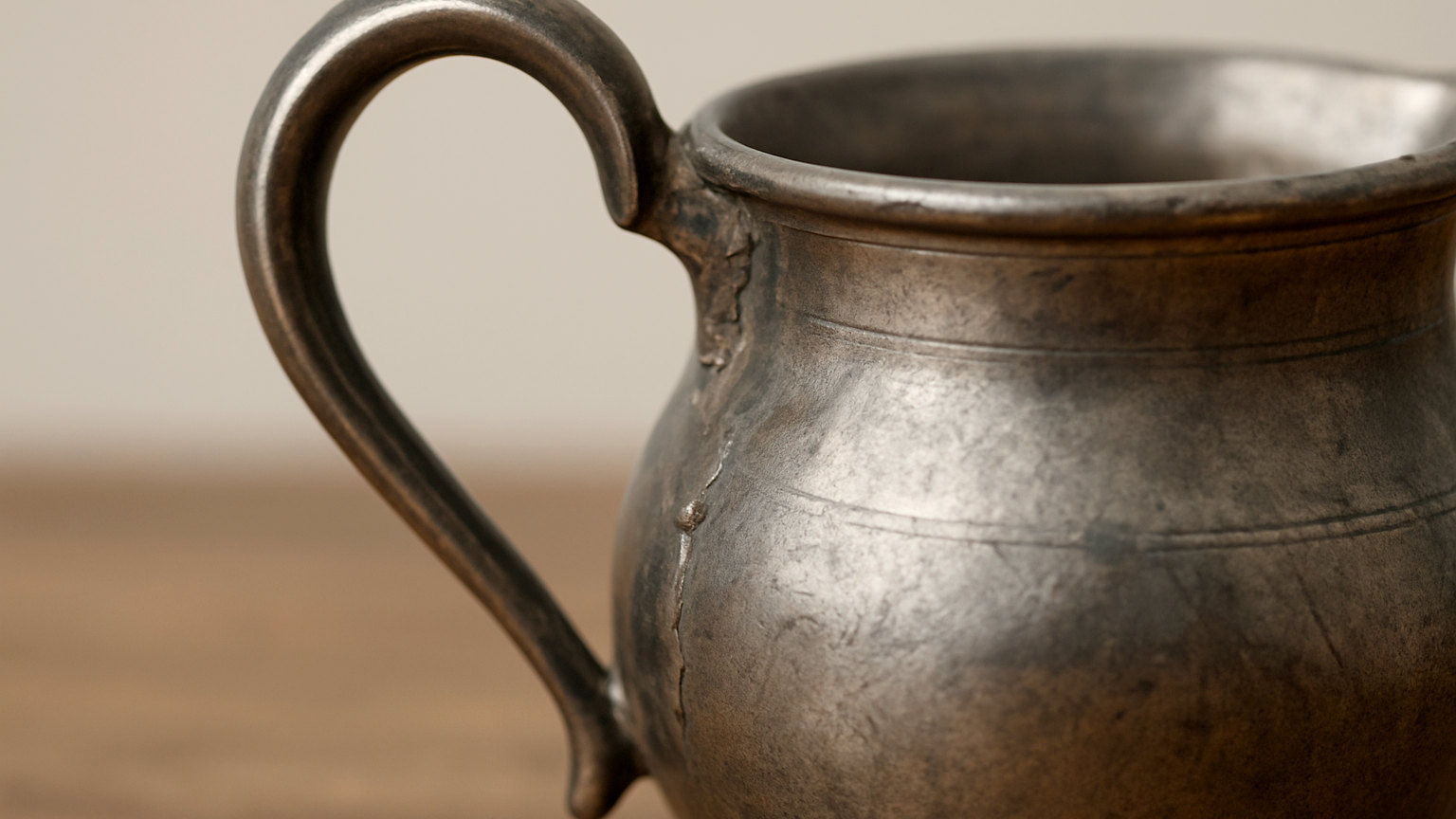
At the handle joints, above everything. The handle is attached by two small soldered sockets, and every lift puts stress on them. Look for splits in the metal radiating from each socket.
The spout base is next, where the spout was soldered to the body and where knocks concentrate. Then the rim, the foot and the hinge on any lid. Check each of these individually under a good light rather than glancing at the piece as a whole.
How do you spot a repair?
By colour and texture. Soft solder used in crude repairs appears as a dull grey deposit quite unlike silver, frequently with a slightly rough or lumpy surface where it flowed.
Breathe on the area and watch how the condensation clears, since solder and silver behave differently and a repair line frequently shows. Run a fingernail across suspected areas feeling for a step. Proper silver soldering by a silversmith is far less visible and is an acceptable repair.
Where are the marks?
On the base usually, and separately on the lid where there is one. Check both, since a lid with different marks from the body is a marriage and reduces value considerably.
On some pieces the marks are on the side near the handle or under the spout. Lids may carry a partial set of only two punches, which is normal. Compare the date letters and maker marks across every component before assuming a piece is original throughout.
What about the handle material?
Wood, bone, ivory or silver with insulating spacers, since silver conducts heat and a plain silver handle on a hot water pot would be unusable.
Check whether the handle is original and sound. Replacements are common and acceptable when sympathetic, though a modern plastic substitute noticeably reduces value. Never immerse a piece with an organic handle in water, since it will swell, crack and loosen in its sockets.
What should you check inside?
Corrosion and pitting, particularly on anything used for tea, coffee or wine. Tannin and acidic residues attack silver over time, and the damage is invisible from outside.
Look inside with a torch at the base and the lower body. Pitting shows as small dark depressions in the surface. Check for thinning by pressing very gently on the base and feeling for flex, and hold the piece up to a strong light looking for pinholes.
What is a claret jug?
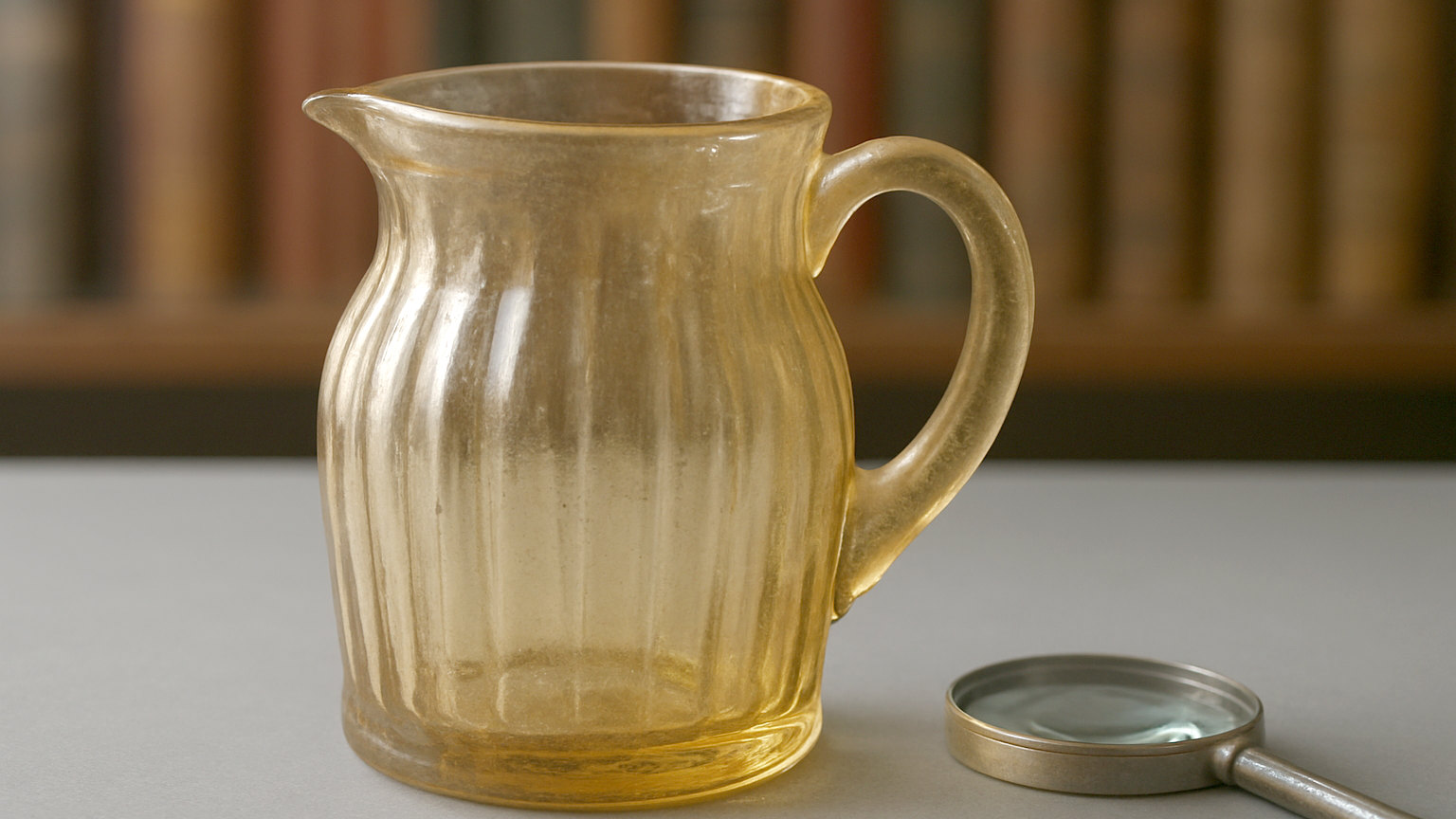
A glass body, frequently cut or engraved, with silver mounts at the neck, foot and handle and a hinged lid. Both materials need checking separately.
Examine the glass for chips at the rim and foot and for internal cracks by holding it to a light. Check the mounts for splits and for movement against the glass, since the two expand differently and the fit loosens over time. A cracked glass body is a serious fault, since replacements essentially do not exist.
How should they be used and stored?
Washed by hand promptly after use and dried thoroughly, never in a dishwasher. Do not leave tea, coffee or wine standing, since residues corrode the interior.
Store with lids open so moisture cannot be trapped, wrapped in tarnish resistant cloth and away from rubber bands and newspaper. Lift a jug by the body rather than by the handle where the joints are at all suspect, since a failure while full is how the worst damage happens.