How to Identify an Antique Dresser and Its Rack
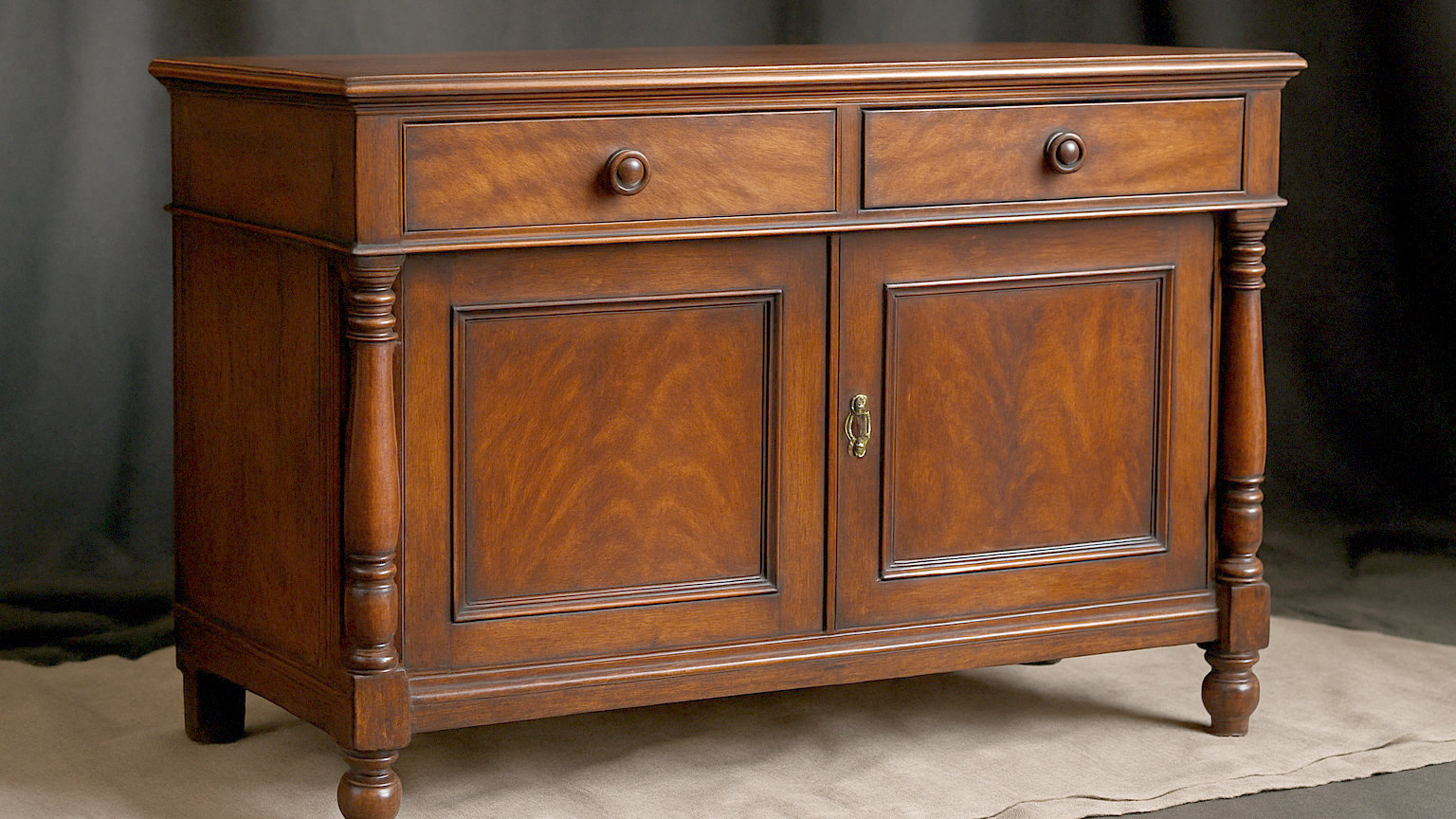
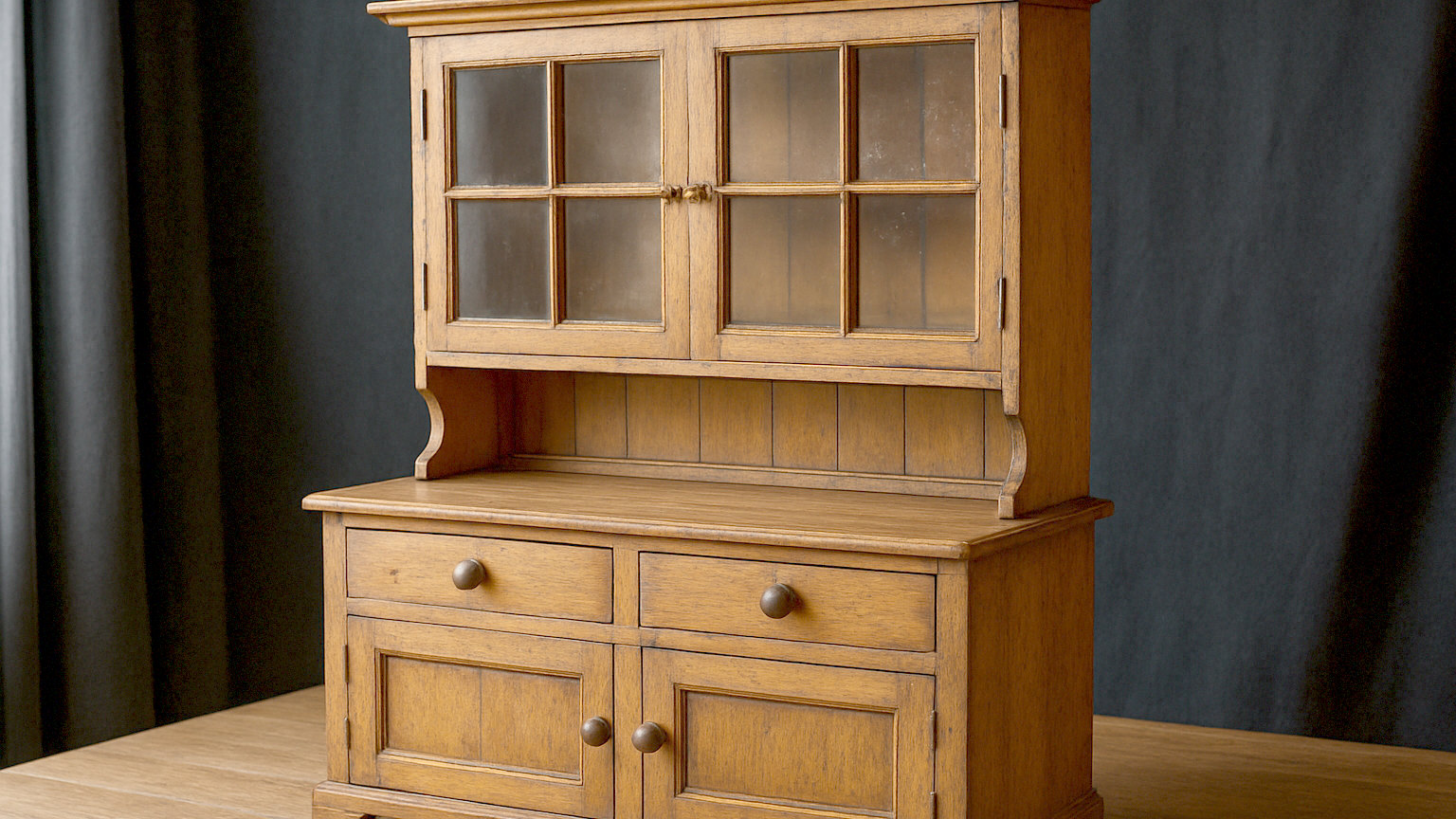
A dresser is a base and a rack, and the two are frequently not original to each other, which is the first thing worth checking.
By Antique Guides Editorial
19 Jun 2026

Furniture is the category where the object tells you most about itself. Hand-cut dovetails, saw marks, shrinkage across the grain, oxidation where light never reached and the wear on a drawer runner all carry dates, and none of them can be convincingly faked in quantity. These guides cover the main furniture forms alongside the clocks, lighting, mirrors and textiles that furnished the same rooms, with an honest account of what condition and restoration do to the price - which in brown furniture is frequently more than the maker does.
A dresser is a base and a rack, and the two are frequently not original to each other, which is the first thing worth checking.
Sideboards have fallen further than almost any furniture form, which makes a good one remarkable value if you have the wall for it.
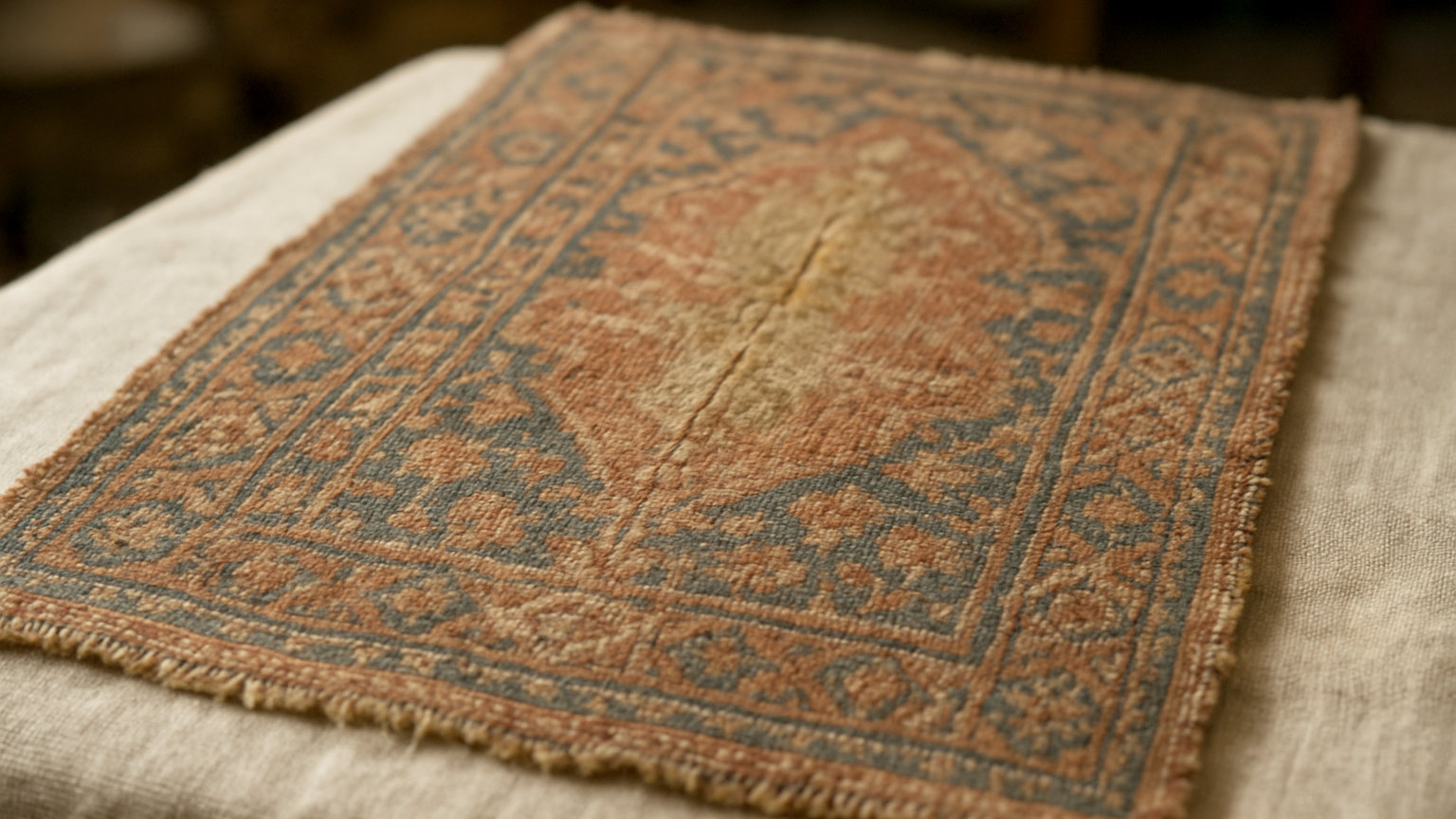
Condition drives rug values further than age does, and the parts that matter most are the ones people never look at.
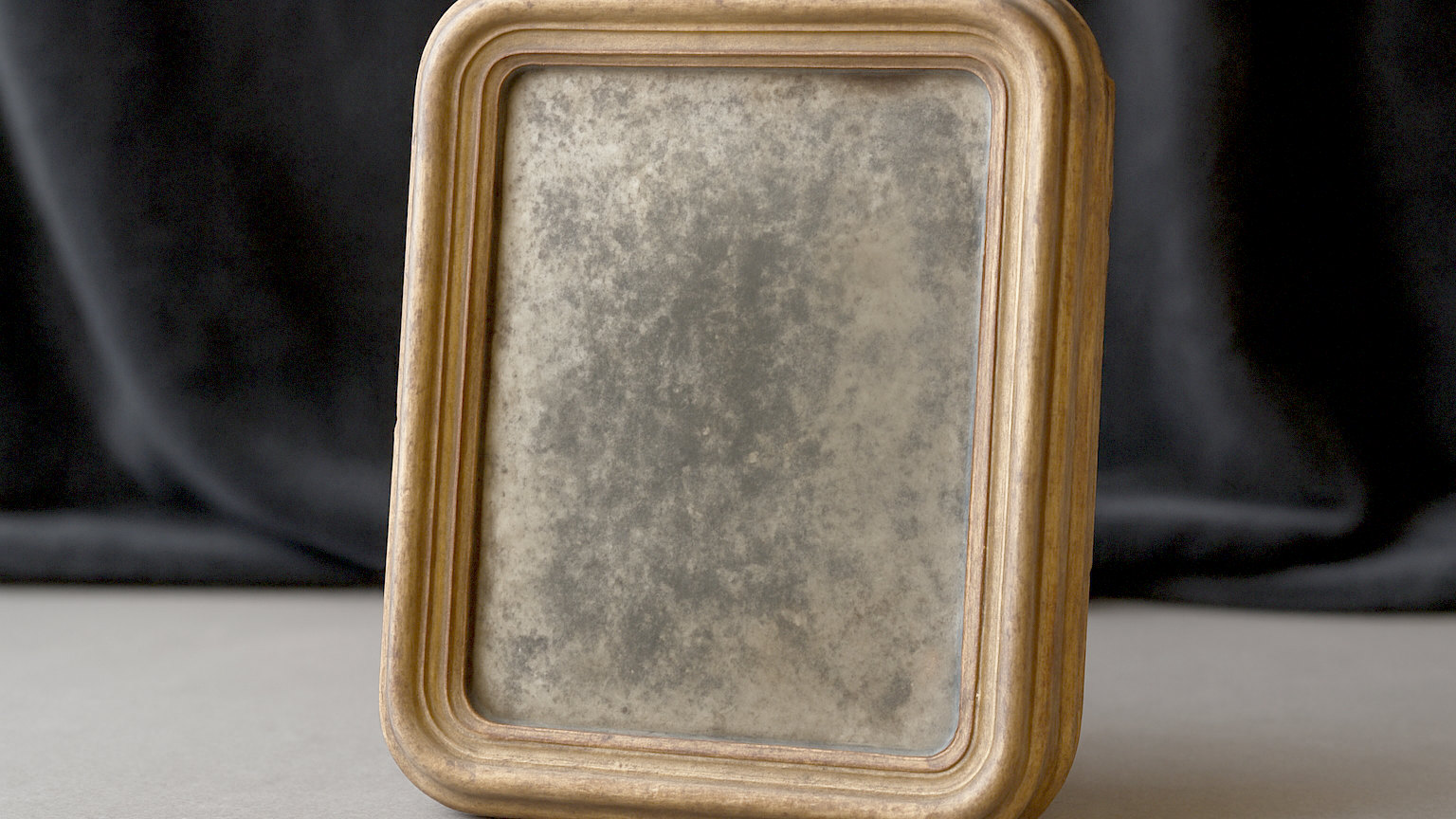
Early mirror plate is thin, grey toned and speckled with characteristic black spotting. Replacing it with modern glass costs a period mirror much of its value.
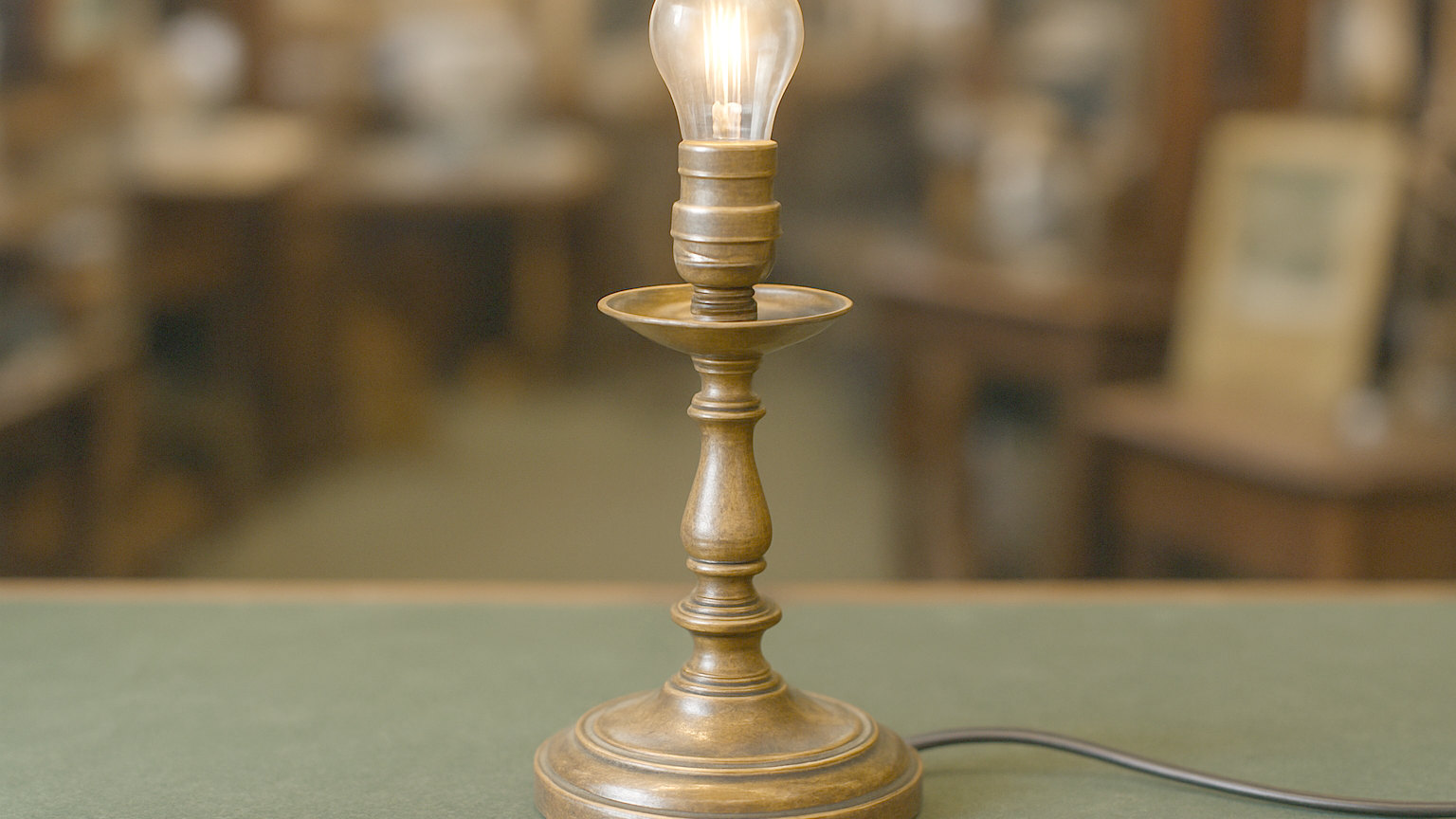
A great many antique table lamps were never lamps at all, and telling a purpose built one from a conversion changes the value considerably.
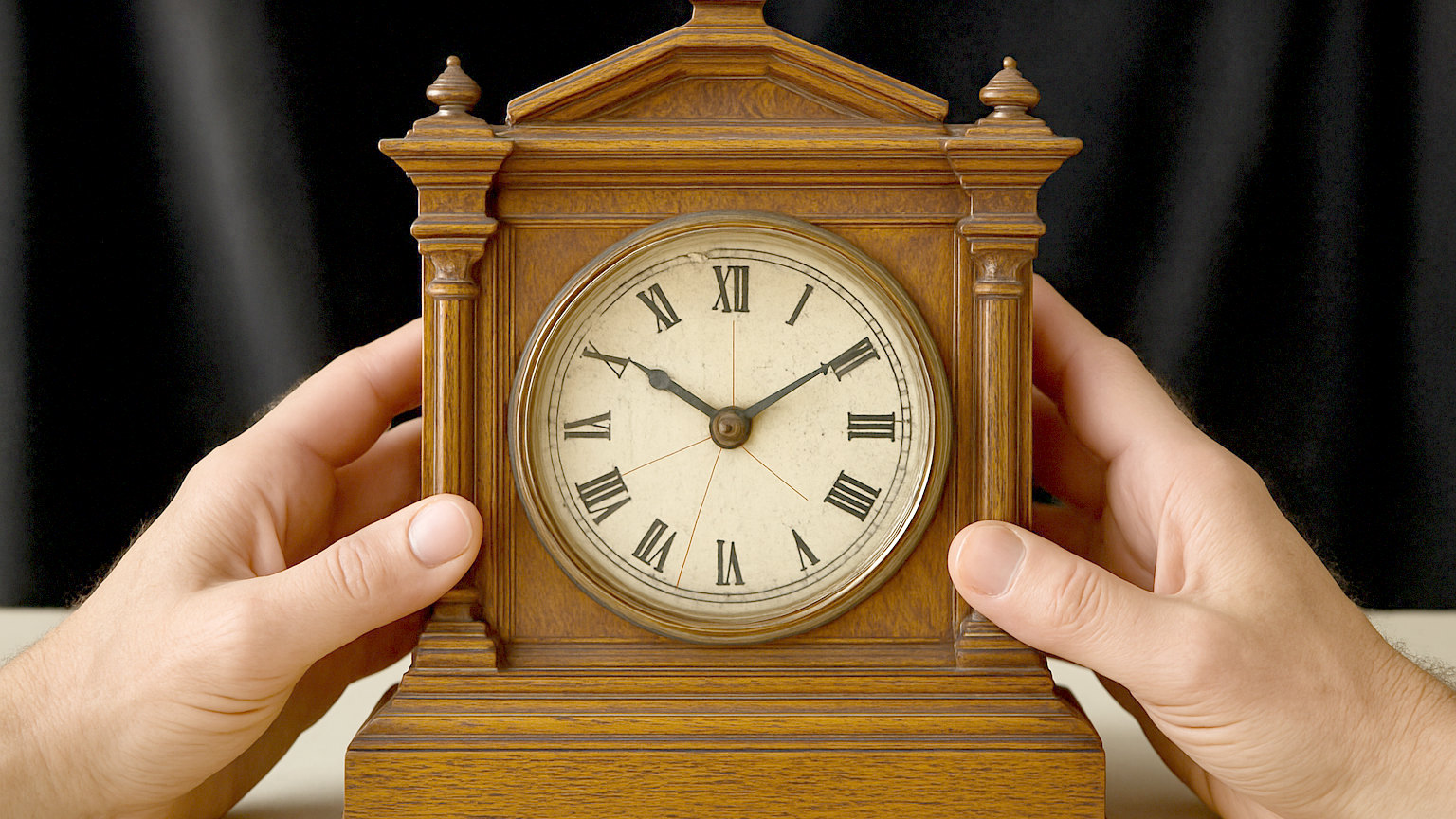
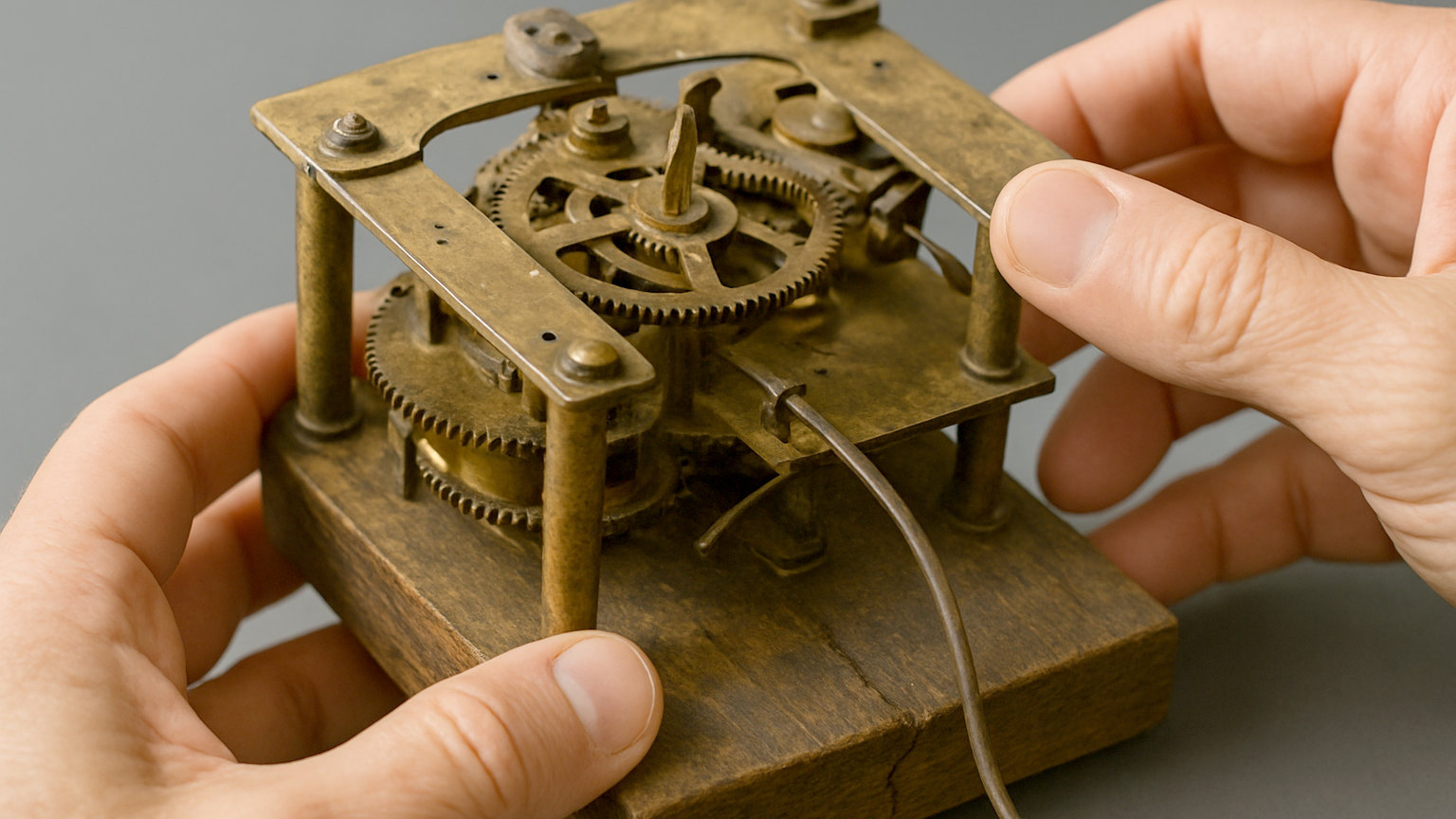
More clock movements are damaged in transit than in a lifetime of running. Ten minutes of preparation prevents almost all of it.
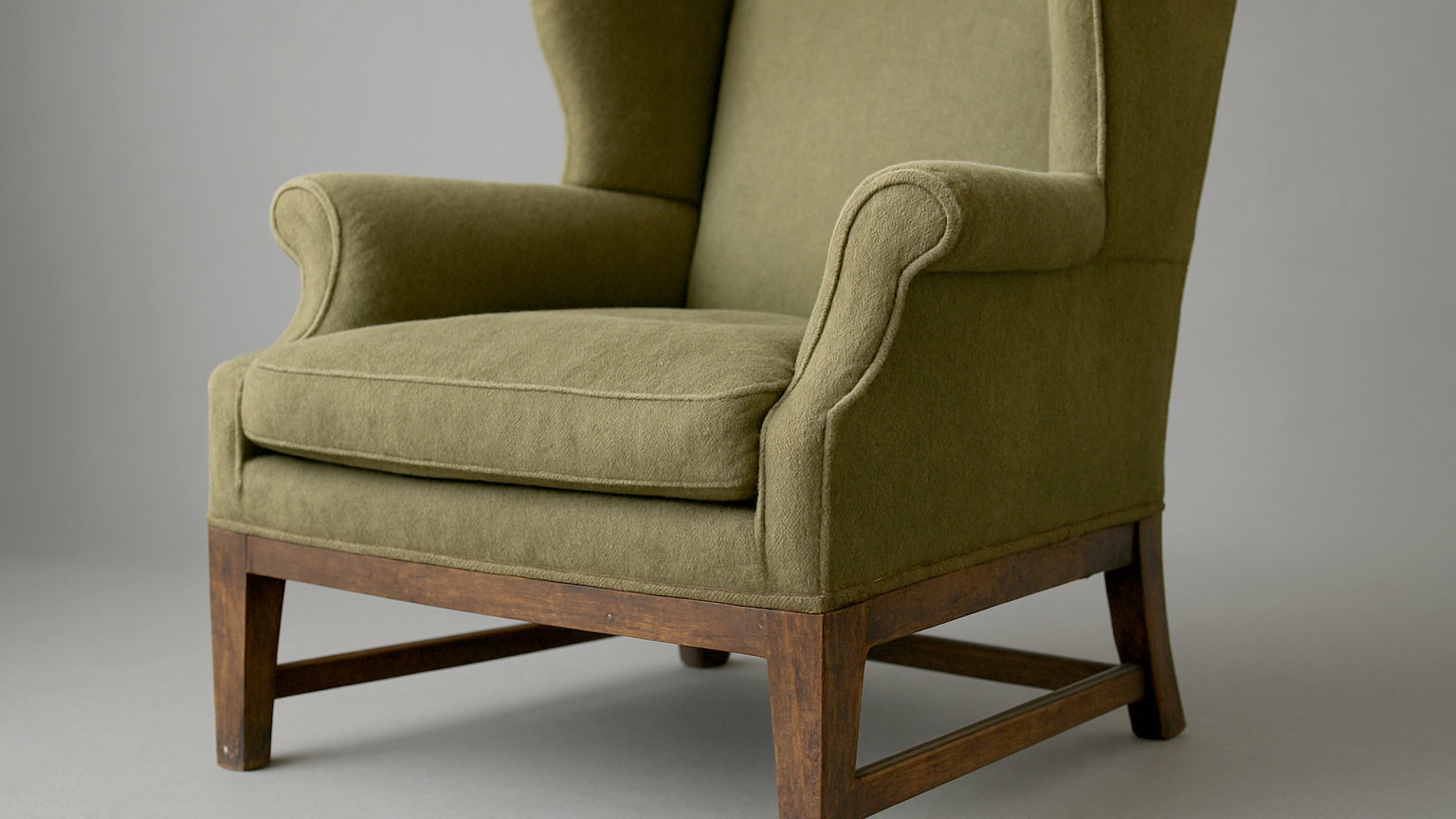
An upholstered chair hides almost everything that dates it, which is why the legs and the underside have to do all the work.
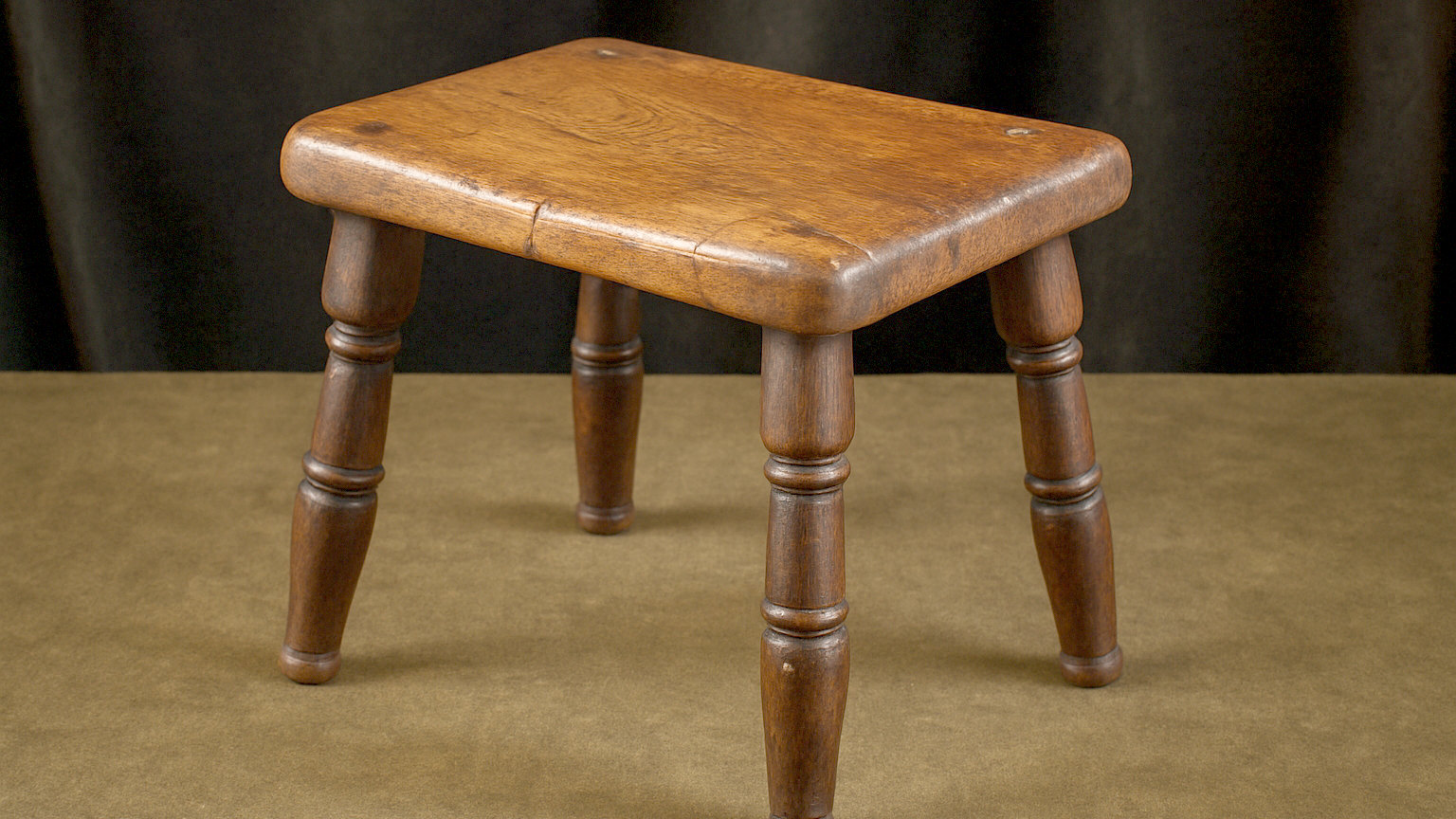
Stools are the oldest seating form still in use and among the most reproduced, so wear in the right places matters more than style.
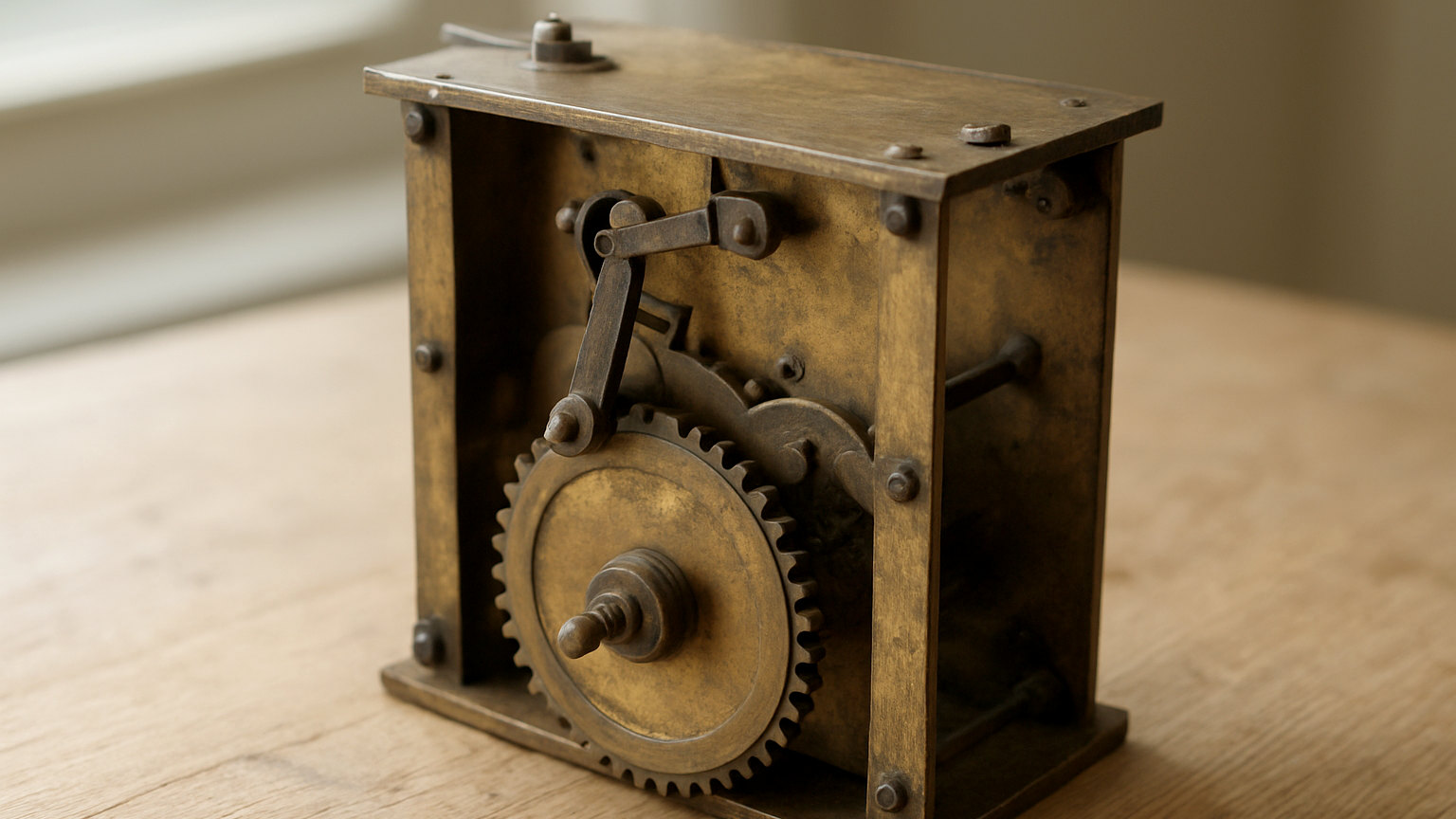
The verge is the earliest escapement in common use, and recognising one immediately tells you something useful about a clock or watch.
Reassembling a longcase in the wrong order is how movements get damaged, and the sequence matters more than any individual step.
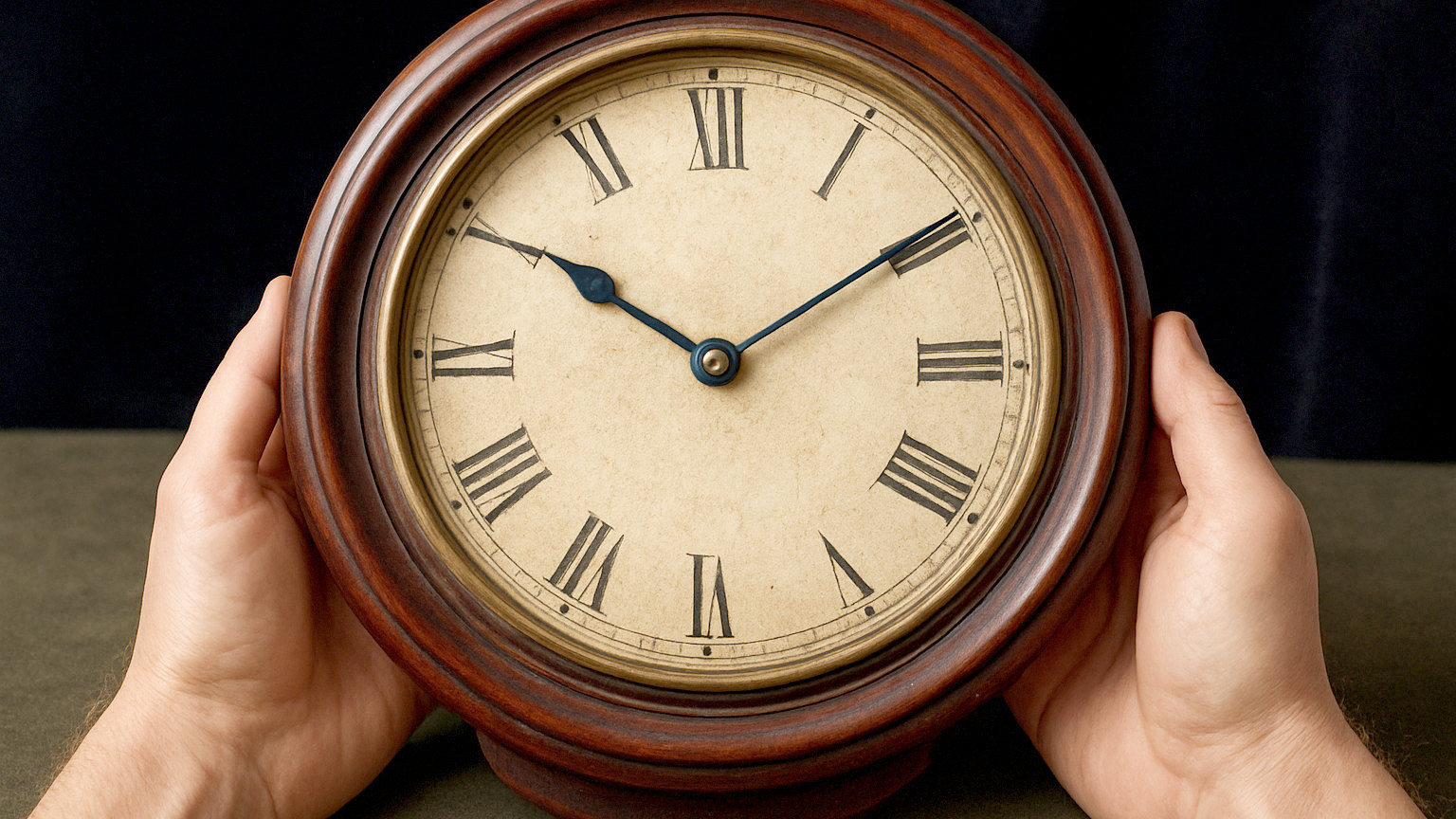
Wall clocks were made for schools, offices, stations and homes, and the size of the dial usually tells you which.
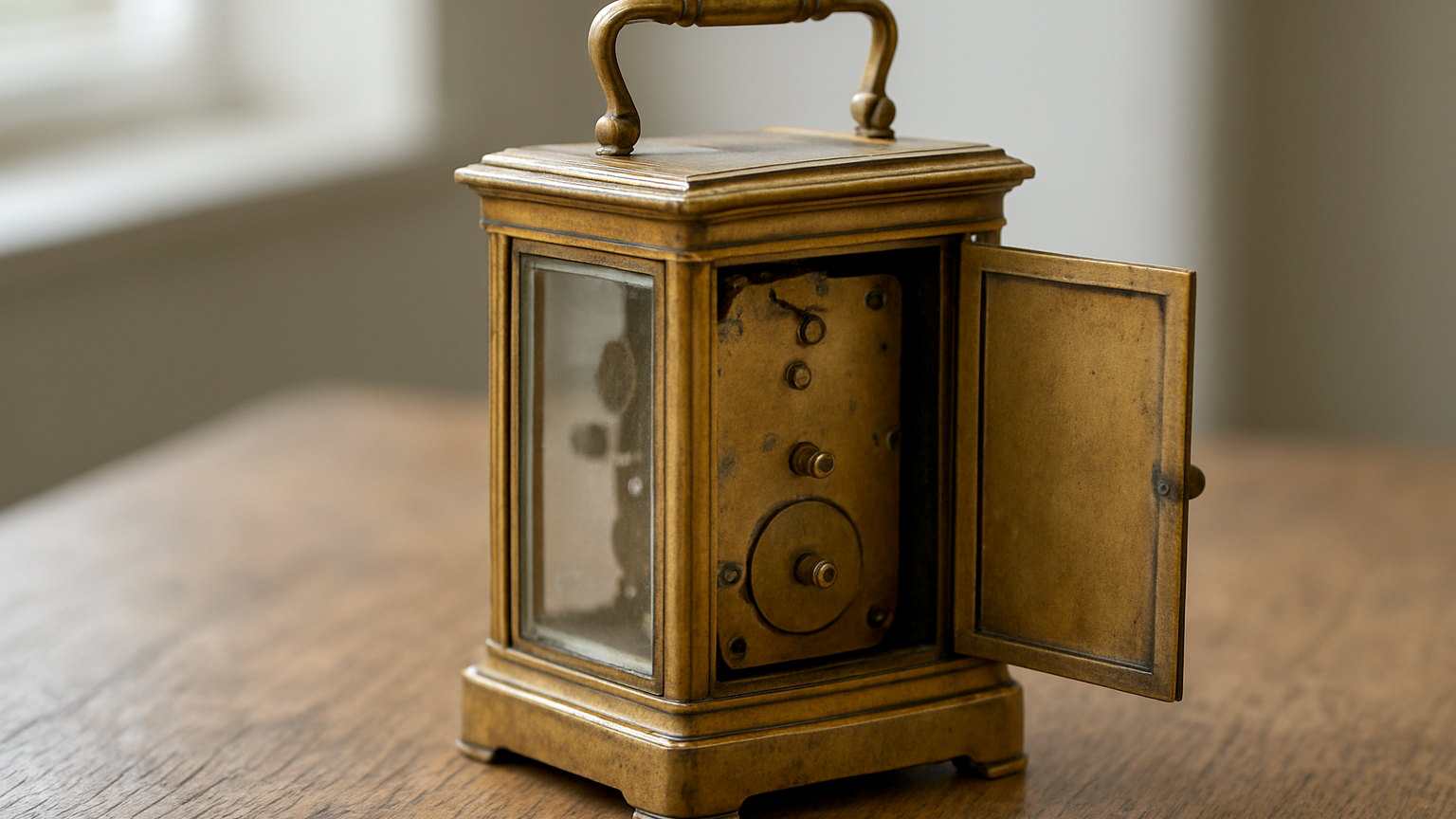
Carriage clocks look similar and vary enormously in quality. The differences that matter are inside the case and on the back plate.