Anyone researching prices eventually finds two apparently identical items that sold months apart for wildly different sums, and concludes the data is unreliable. It is not. Auction prices vary for reasons that are entirely explicable, and understanding them is what turns a list of results into a usable estimate.
Why does the same object make different money?
Because an auction price is set by two people, not by a market. The hammer falls one increment above the second highest bidder, so the price reflects what the underbidder was willing to pay rather than what the winner would have gone to.
Put two determined collectors in a room and the price runs away. Put one collector against a dealer working to a margin and it stops much sooner. Have neither present and the lot sells cheaply to a speculator or fails altogether. Nothing about the object has changed.
How much does the saleroom matter?
A great deal. A specialist sale advertised to people who collect that category brings the buyers who pay most, and they compete with each other. The same lot in a general house sale may be seen only by dealers looking for stock.
Catalogue quality, photography and description all affect this. A lot properly identified, illustrated and described attracts specialist attention. The same object catalogued in one line as a mixed box lot will not, which is how good pieces disappear at low prices.
Does the date of sale matter?
Yes, in two ways. The broad market moves over years, and several categories have fallen or risen substantially, so a result from a decade ago describes a different market.
Timing within the year matters less than people think, though sales immediately after a major fair or during a holiday period can be thinly attended. What matters more is whether several comparable lots appeared at once, since three similar pieces in one sale will divide the available buyers between them.
How does condition explain apparent contradictions?
More often than anything else. Two lots that look identical in thumbnail images may differ substantially once the catalogue text is read, and salerooms disclose damage in the body of the description rather than the headline.
Read the full entry every time. Look for words indicating repair, replacement, associated parts, later additions or restoration. A strong result almost always attaches to a better example than the one you are holding, and a weak result frequently attaches to a damaged one.
What about provenance and completeness?
Both move prices considerably and neither shows in a photograph. A documented history of ownership removes doubt about authenticity, which is the largest risk a buyer carries, and buyers pay for that certainty.
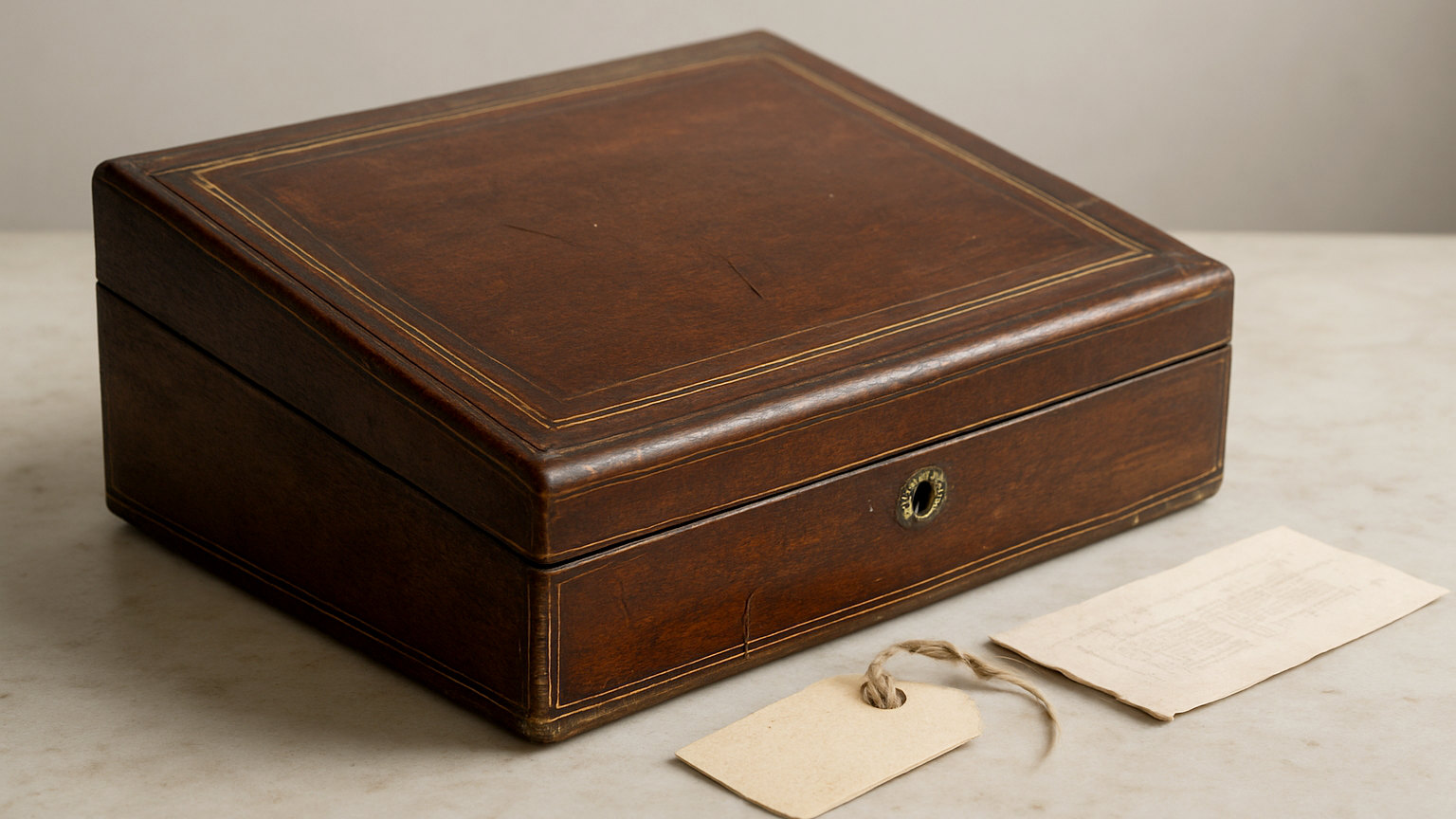
Completeness works the same way. Original box, fitted case, liners, keys, spare parts and paperwork can multiply a price in some categories. Two identical objects where one retains its original case are not comparable at all.
How should you use variable results?
Collect at least five comparable sales, discard the highest and lowest, and work from the middle of what remains. That middle figure is a reasonable expectation and the outliers are noise.
Count the unsold lots as well. A category where several comparable pieces failed to sell is telling you the market is thin, which matters more than one encouraging result. Depth of demand is what makes a price repeatable.
What does this mean if you are selling?
That you should aim for the conditions that produced the good results rather than hoping for luck. Choose the sale where the buyers for your object actually are, make sure it is properly identified and photographed, and set a reserve that reflects the middle of the range rather than the best result you found.
The single most useful thing you can do is establish exactly what the object is before deciding where to sell it, because a correctly identified piece in the right sale is what generates the results other people later quote.