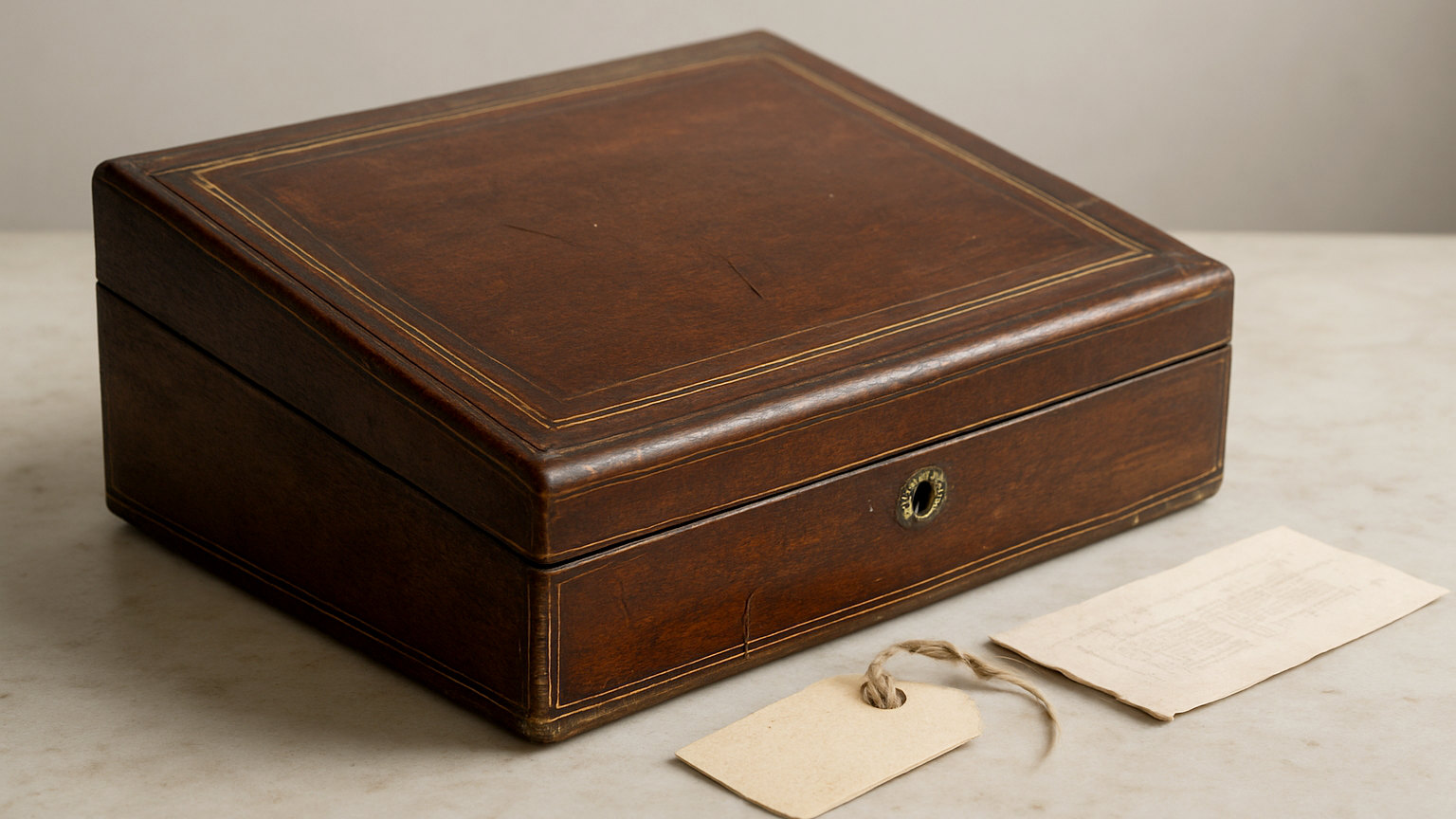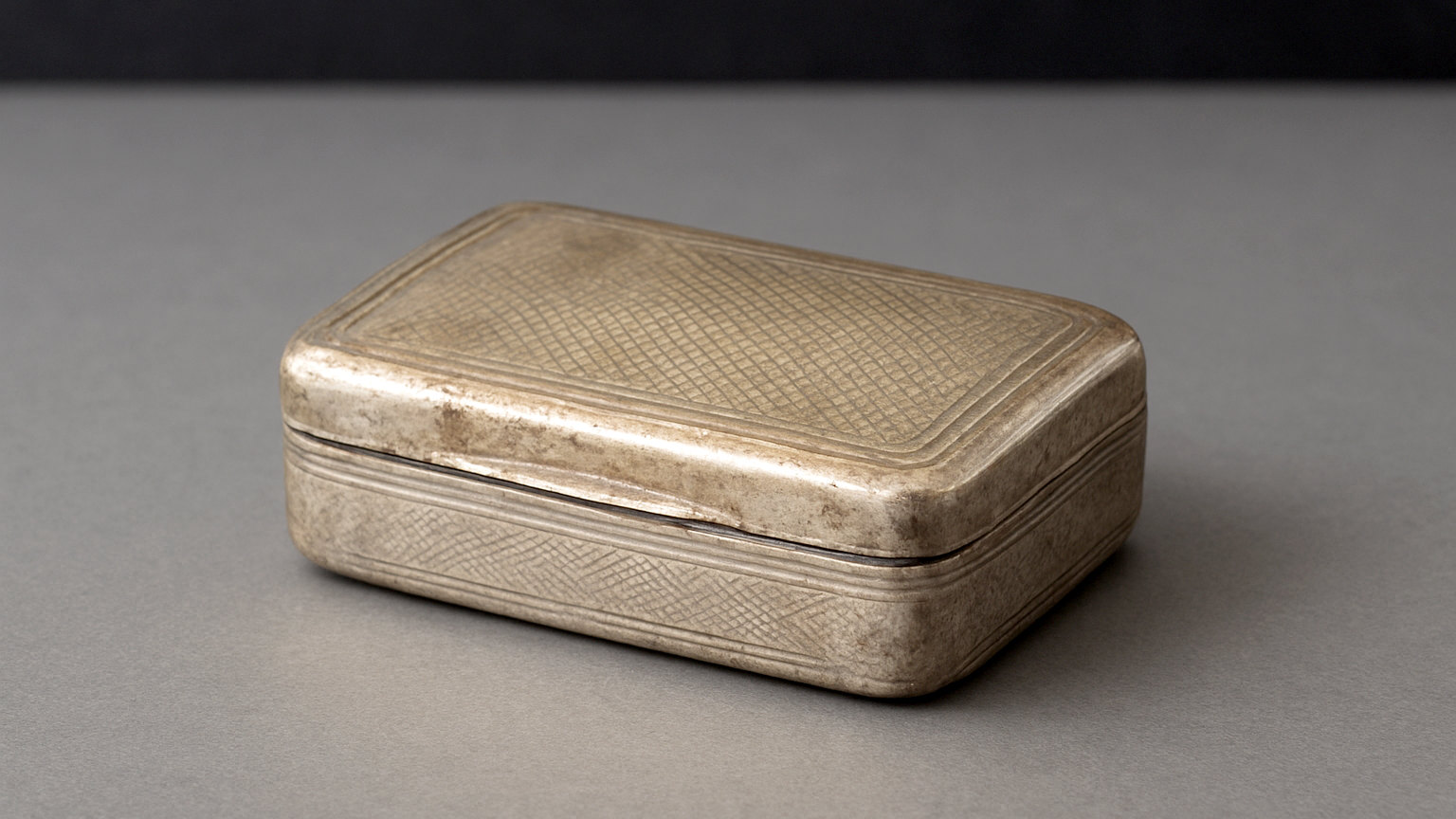
Sellers offered a fraction of what they later see an item priced at frequently conclude they were taken advantage of. Usually they were not. The gap between the two figures covers a set of real costs, and understanding them makes both selling and buying more rational.
What does the margin have to cover?
Premises, staff, insurance, stock that does not sell, transport, restoration, fair stand fees, and the cost of capital tied up in inventory for months or years.
Add to that the risk of buying wrongly, since a dealer who misjudges an item carries that loss entirely. The headline margin on a piece that sells quickly funds the pieces that sit for two years and the ones that turn out to be wrong.
Why is the offer to a seller so much lower?
Because the dealer must sell it on at a profit and cannot know when. They are buying certainty from you and taking on the uncertainty themselves, which is exactly what the discount pays for.
That certainty has real value to a seller: immediate payment, no fees, no risk of a lot going unsold, no transport and no waiting. Whether it is worth the discount depends on how much you value those things, which is a legitimate personal judgement rather than a moral question.
Does the margin vary by category?
Considerably. Fast moving inexpensive goods carry proportionally higher margins because the fixed costs of handling any item are the same whatever it is worth.
High value items generally carry lower percentage margins, since a small percentage of a large number is still substantial and the buyer is usually better informed. Items requiring restoration carry higher margins to cover the work and the risk that more will be found.
How does this compare with auction?
Auction takes commission from the seller and premium from the buyer, so the total spread between what a vendor receives and what a purchaser pays is also substantial.
Work in net figures rather than headline ones when comparing. A dealer offer available today, with no fees and no risk of failing to sell, frequently compares better than an auction estimate once commission, charges and the possibility of the lot going unsold are all counted.
Is buying from a dealer more expensive?
In headline terms usually, and what you receive for the difference is real. A dealer has selected the stock, established what it is, disclosed restoration, and stands behind the description with a receipt.
At auction you carry all of that yourself. The premium a dealer charges is partly payment for their knowledge, and for anyone not confident assessing a category, that is frequently good value rather than a cost to be avoided.
What is the trade price?
A discounted price offered between dealers, reflecting that the buyer is reselling rather than keeping. It is not generally available to private buyers, and there is nothing improper about that.
Private buyers can still negotiate. Asking whether there is any movement on a price is normal, expected and usually answered politely. Paying promptly and buying more than one item both help, as does being straightforward rather than aggressive about it.
How should you use this when selling?
Get several offers rather than one, from dealers who specialise in the category rather than a general shop, and be prepared to say no. Offers vary because dealers have different customers and different stock needs.
Research completed sales first so you know roughly where the market sits, and be honest about condition, since a dealer who finds an undisclosed fault revises the offer and trusts you less next time.
What should make you walk away?
Pressure to decide immediately, reluctance to put a description and price in writing, and anyone who valued the item and offered to buy it in the same conversation.
Be particularly cautious of unsolicited approaches, whether by letter, telephone or at the door. A legitimate buyer will not mind you taking time or seeking other opinions, and will still be interested next week.