People assume age drives value, then discover that two apparently identical pieces from the same year sell for wildly different sums. Condition is usually the reason, and it is the factor that separates a strong result from a disappointing one more often than anything else. What counts as serious damage, though, varies enormously between categories.
Why does condition matter more than age?
Because supply of most antiques is not scarce, so buyers can afford to be selective. Where a hundred comparable examples exist, buyers choose the best ones and the damaged ones sell only when the price drops far enough to compensate.
Scarcity flips this entirely. Where an object is genuinely rare, buyers accept faults because the alternative is not owning an example at all. The reduction for damage is therefore proportionally smaller on rare items and considerably more brutal on common ones.
Which faults matter most in ceramics?
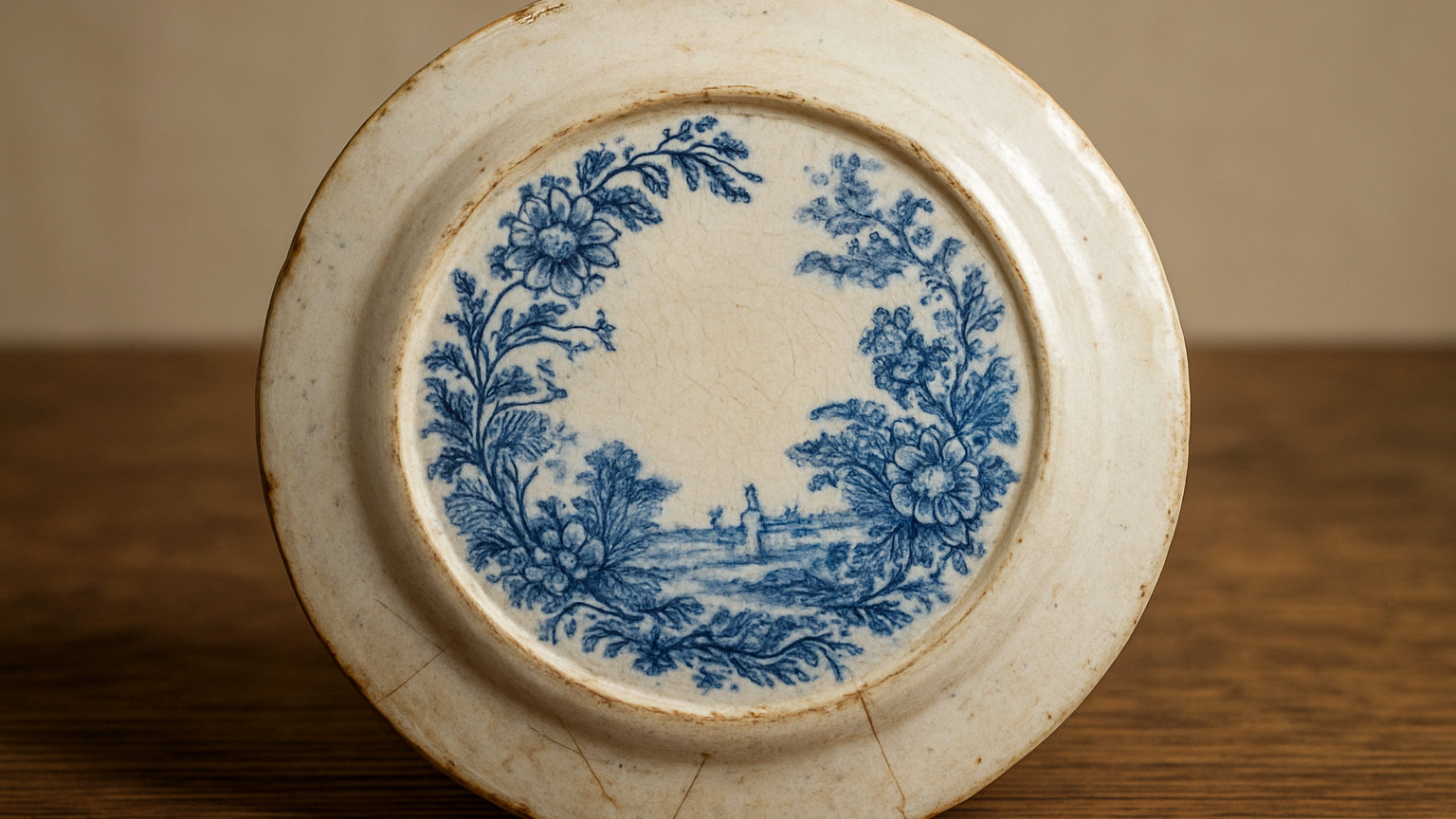
Cracks above chips, because cracks spread and threaten structure while a chip is stable. A hairline through a plate can reduce it more than a chip on the footrim that nobody sees.
Position matters as much as size. Damage on a display face is far worse than damage underneath. Restoration must be disclosed, and it is easily found under ultraviolet light. On porcelain the discount for damage is steeper than on pottery, because collectors accept that soft earthenware bodies chip.
What counts against furniture?
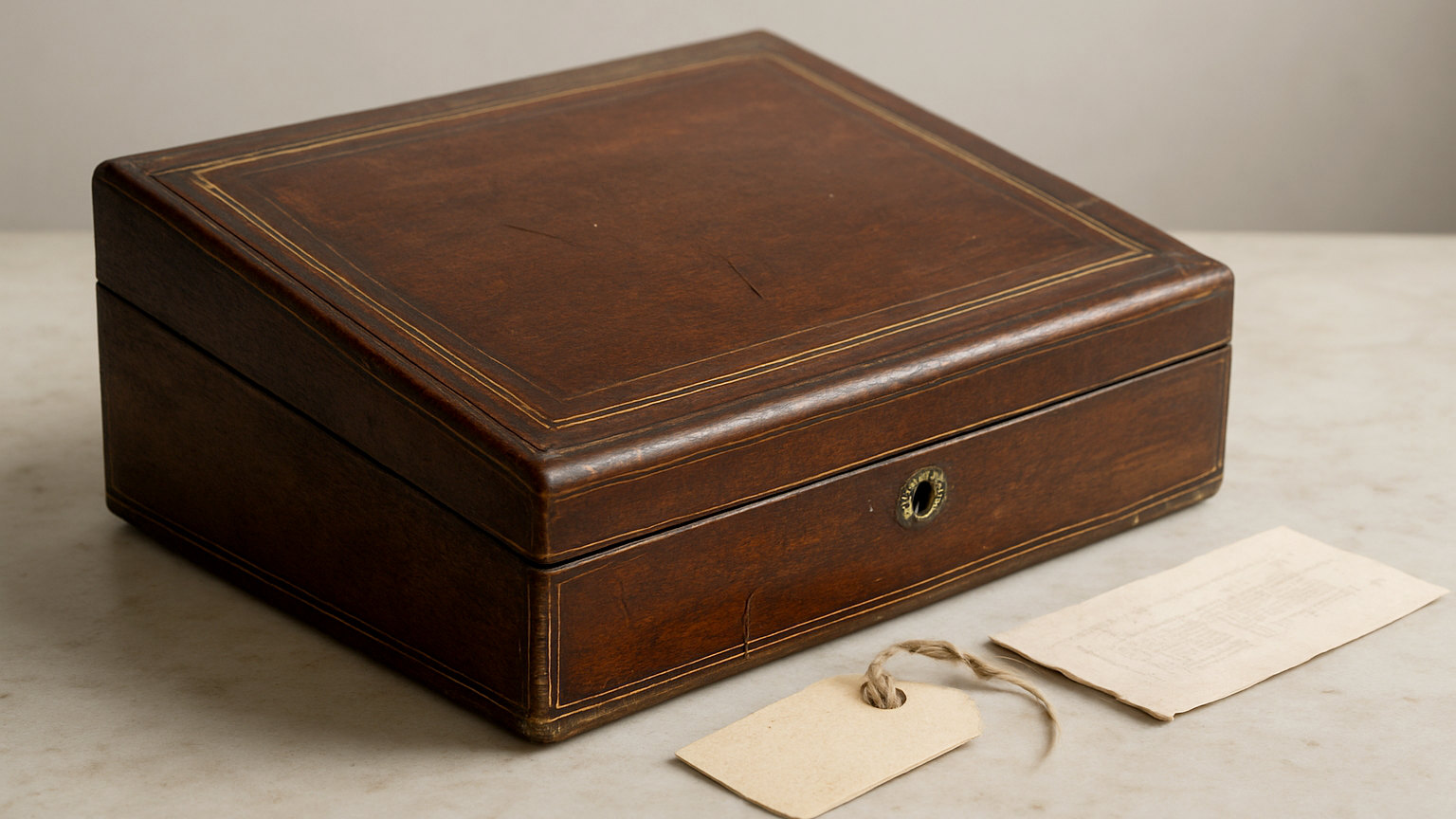
Replaced components and refinishing, both of which remove originality rather than merely damaging it. A replaced top, replaced feet or a reduced size all cut deeply into value.
Original surface is the thing to protect. A piece stripped and repolished to a uniform modern finish has lost patina that took two centuries to develop and cannot be put back. Loose joints, worn runners and replaced upholstery barely register by comparison, since these are maintenance rather than loss.
What about metal and jewellery?
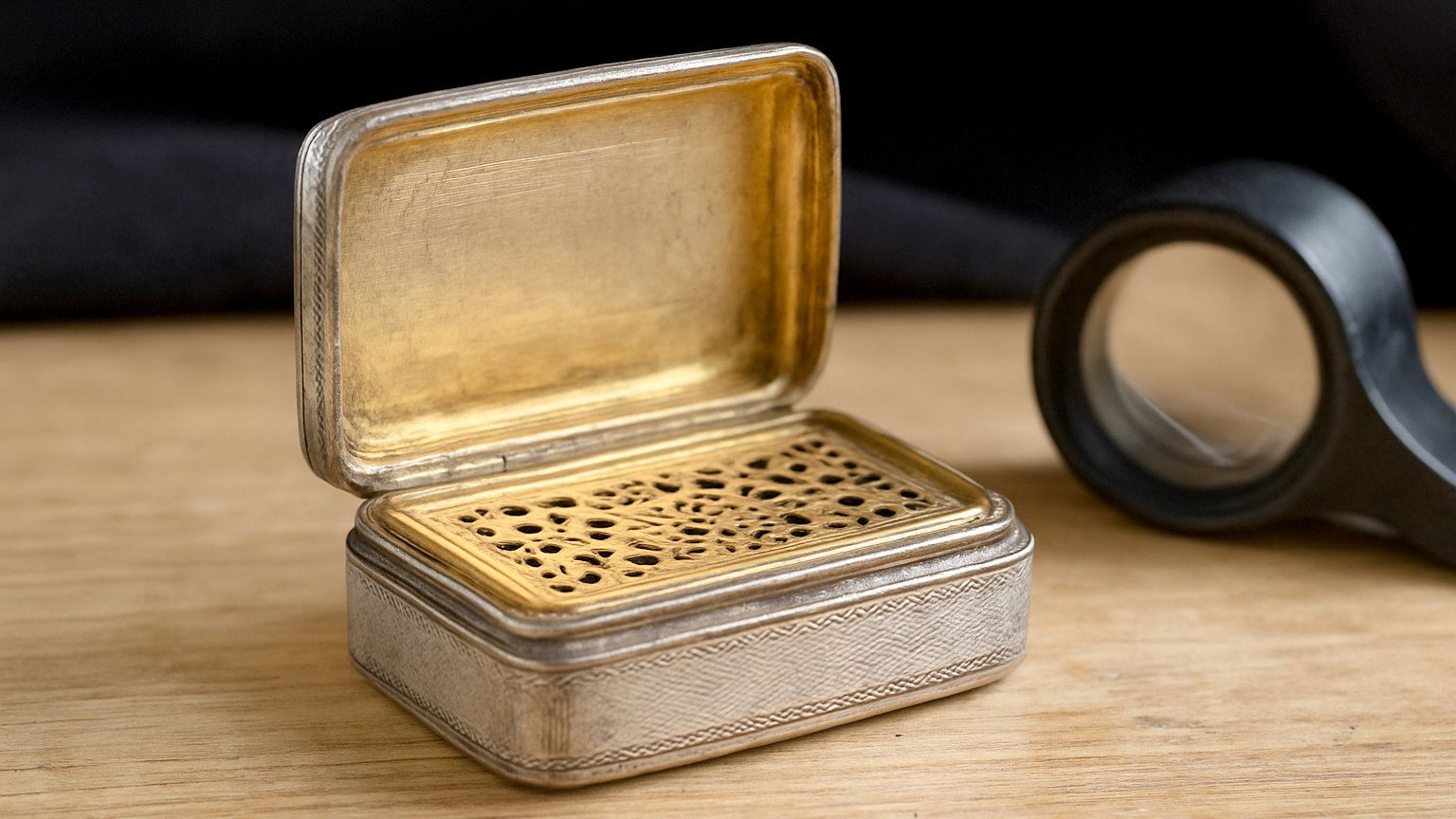
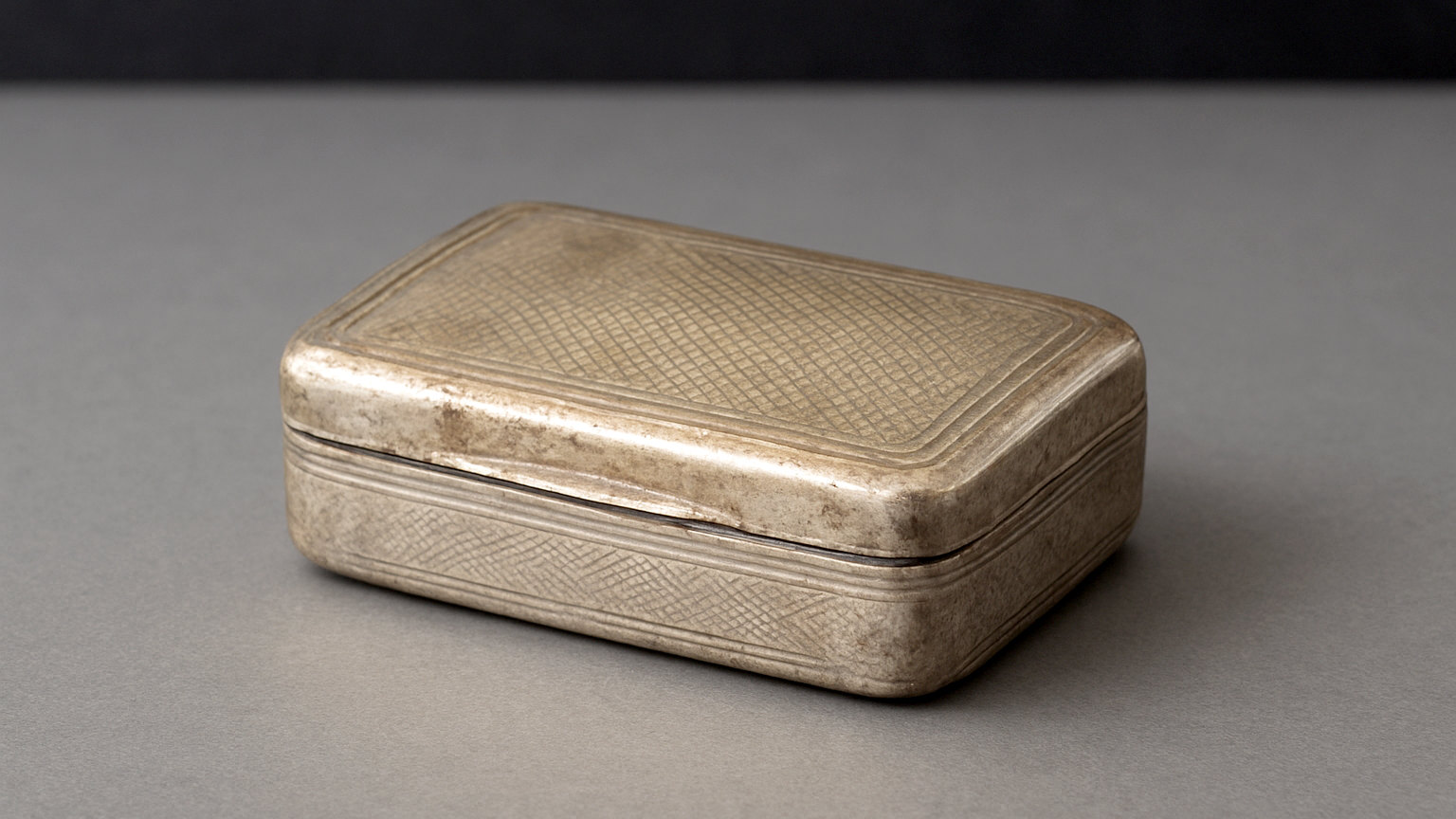
Over polishing is the quiet destroyer. Every polish removes metal, and on silver it softens hallmarks and wears away engraving until a piece looks tired in a way that cannot be reversed.
On copper alloys, stripping patina reduces value immediately. In jewellery, replaced stones, worn claws and erased engraving all count against, while a sympathetic repair that keeps a piece wearable is generally accepted. Scrap value sets a floor under precious metal, which is why damaged gold and silver rarely become worthless.
Where is condition almost everything?
Coins, stamps, toys, books and anything mass produced. In these fields grade drives price more than any other factor, because millions were made and collectors compete for the best survivors.
A boxed toy in mint condition can be worth many multiples of the same toy played with. A cleaned coin is treated as damaged regardless of appearance. A first edition without its dust jacket may be worth a small fraction of one with it. In these categories, condition is the market.
Does restoration help or hurt?
It depends on what and how much. Good conservation that stabilises an object and prevents further deterioration is generally positive. Cosmetic restoration that disguises damage is neutral at best and negative when undisclosed.
The principle buyers apply is reversibility. Work that can be undone by a future conservator is acceptable; work that permanently alters original material is not. Always ask what has been done and expect it reflected in the price.
How should you describe condition when selling?
Completely and specifically, listing every fault with its location. This raises rather than lowers what you achieve, because buyers who trust the description bid with confidence.
Photograph every fault clearly and in close up, and place those images alongside the flattering ones rather than at the end. Undisclosed damage produces returns, disputes and lost reputation, all of which cost far more than the deduction would have. Buyers forgive damage they were told about and punish damage they discover for themselves on opening the parcel.