Quality and age feel as though they should determine value, and they set a floor beneath the very best objects. Everything else in the market is driven by whether people want to live with the thing, and that changes on a cycle nobody controls. Understanding it explains most of what has happened to antique prices in the last generation.
Why does interior fashion matter so much?
Because the overwhelming majority of antiques are bought to be used in a home rather than collected. That buyer is furnishing a room, and their decision is made on whether the piece suits the way they want to live.
Collectors sustain the top of each category and are a small fraction of the market by volume. When a style falls out of favour with ordinary furnishing buyers, demand collapses across the middle and lower end while the exceptional pieces hold.
What changed to depress brown furniture?
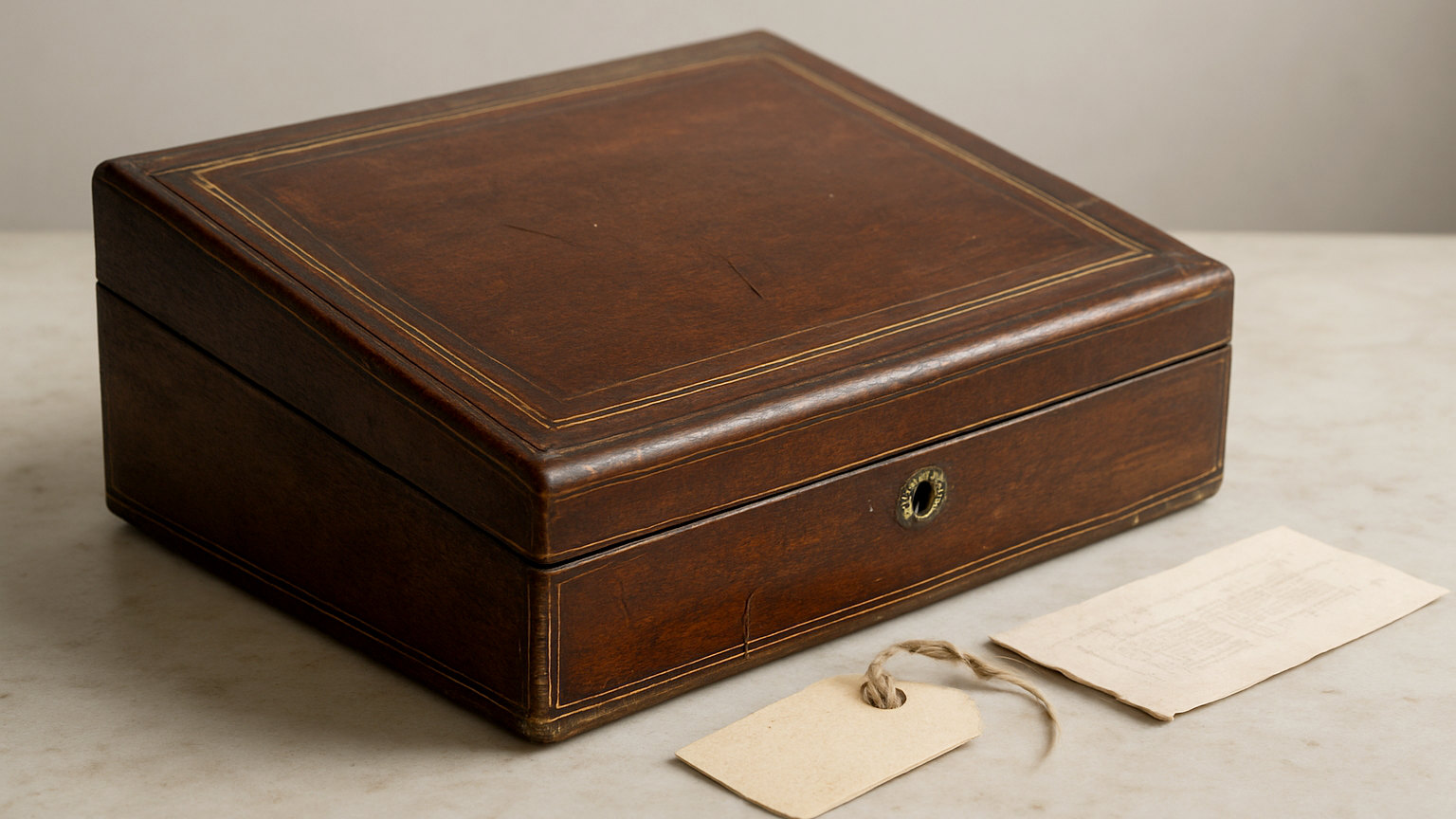
Several things at once. Rooms got smaller and ceilings lower, dining rooms merged into open plan spaces, and the visual fashion moved towards lighter, plainer, less crowded interiors.
At the same time an enormous quantity of material came onto the market as an older generation downsized, so supply rose precisely as demand fell. Those two forces together produced falls that surprised people who assumed antiques only appreciated.
Which categories did fashion lift?
Mid twentieth century design above all, which suits open plan rooms, has clean lines and photographs well. Studio ceramics, vintage watches, industrial pieces and anything with strong graphic character followed.
Scale is part of it. The risers are mostly small or visually light, and they fit into interiors that will not take a mahogany sideboard. The pattern is consistent enough to use predictively when assessing a category nobody has written about.
How long do these cycles last?
Longer than people expect, frequently a generation or more. Predictions that brown furniture will return have been made repeatedly for years without much sign of it happening.
Cycles turn when a new group of buyers arrives with no memory of the style being their grandparents taste. That takes decades rather than years, which is why buying a fallen category in the hope of a recovery is a poor plan even when the reasoning is sound.
Does fashion affect the best pieces?
Far less. Exceptional quality, important makers and documented provenance are bought by collectors who follow the category regardless of what interiors magazines are showing.
That is why the gap between the best and the ordinary has widened so much. A fine piece with an attribution has held its value while a competent unremarkable one has fallen heavily, even where both are the same age and style.
What does this mean if you are buying?
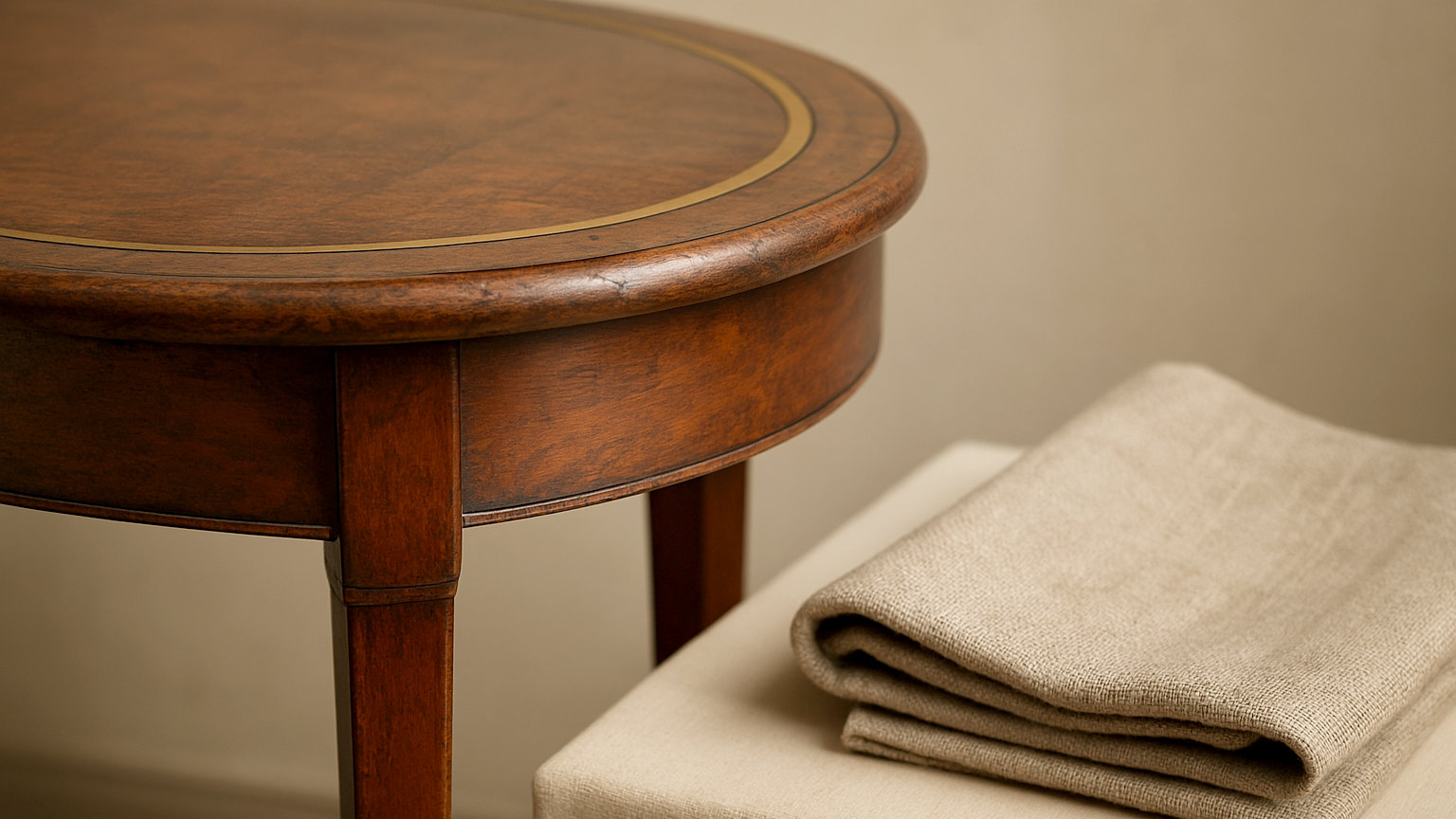
That the fallen categories are where the value is. Solid timber furniture with hand cut joints costs less than new equivalents of far poorer construction, purely because fashion moved away from it.
Buy what you want to live with rather than what you expect to appreciate. If the style comes back you have gained; if it does not you still own something well made that you chose. Treat any rise as a bonus rather than a plan, because the costs of buying retail and selling at auction consume most modest gains anyway.
How do you spot a category before it moves?
Look for the signals rather than the objects. Ask whether the items are small enough for modern rooms, whether they were used and discarded so survival is low, whether an enthusiast community is forming, and whether quality exceeds anything made now.
Then watch whether prices for the best examples have started separating from the ordinary ones, which is usually the first visible sign of a category being taken seriously. That divergence tends to appear well before general prices move.
Does any of this apply to the very best pieces?
Barely. Museum quality objects with documented histories trade in an international market driven by collectors and institutions rather than by domestic interior fashion.
That market has its own cycles, but they are far shallower, which is why the advice to buy the best example you can afford holds across every category regardless of what is currently fashionable.