People who inherit antiques frequently arrive with a figure in mind from decades ago, and are startled by what they are offered. The explanation is not that dealers are being unfair. Large parts of this market have genuinely fallen, some very sharply, while other parts have risen just as steeply, and knowing which side your item sits on prevents a great deal of disappointment.
What has fallen most?
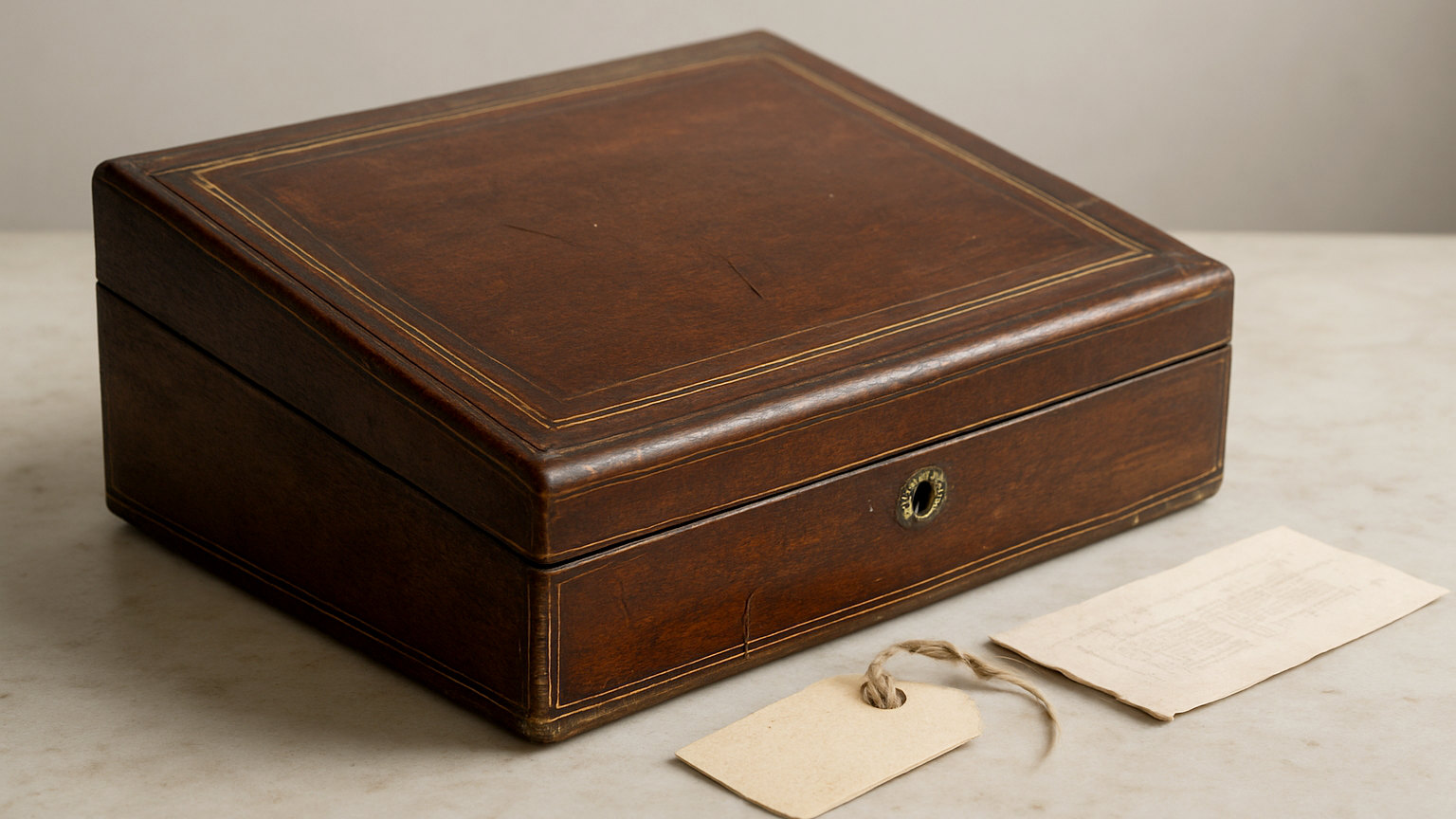
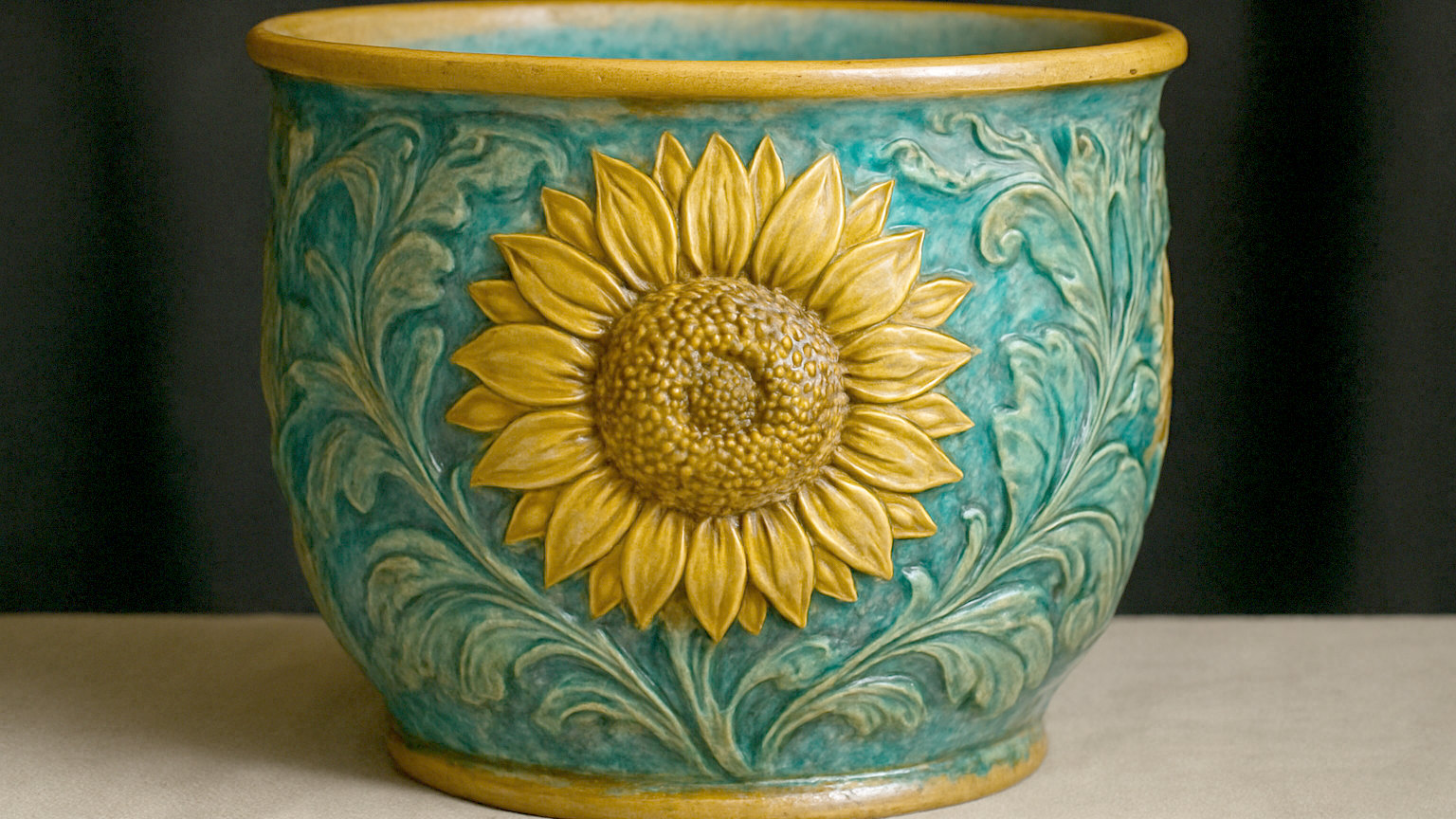
Large dark furniture, formal dinner services, cut glass, ornamental figurines and heavily decorated display ceramics. Some of these now sell for a small fraction of what they made a generation ago.
The pattern is consistent: items designed for formal entertaining in large rooms, requiring space, maintenance and a way of living that has largely disappeared. Demand did not shrink slightly, it collapsed, and it has not returned despite frequent predictions that it would.
Why did demand disappear?
Households changed. Homes became smaller, dining rooms were absorbed into open plan spaces, and formal entertaining declined. A twelve seat dining table and a service for twenty need a house that most buyers no longer have.
Fashion moved as well. Younger buyers furnishing first homes largely rejected the look of their grandparents houses, and interior taste shifted towards lighter, plainer and more flexible pieces. Supply compounded it, because a great deal of this material was made in enormous quantities and is now being released by an ageing generation all at once.
What has risen instead?
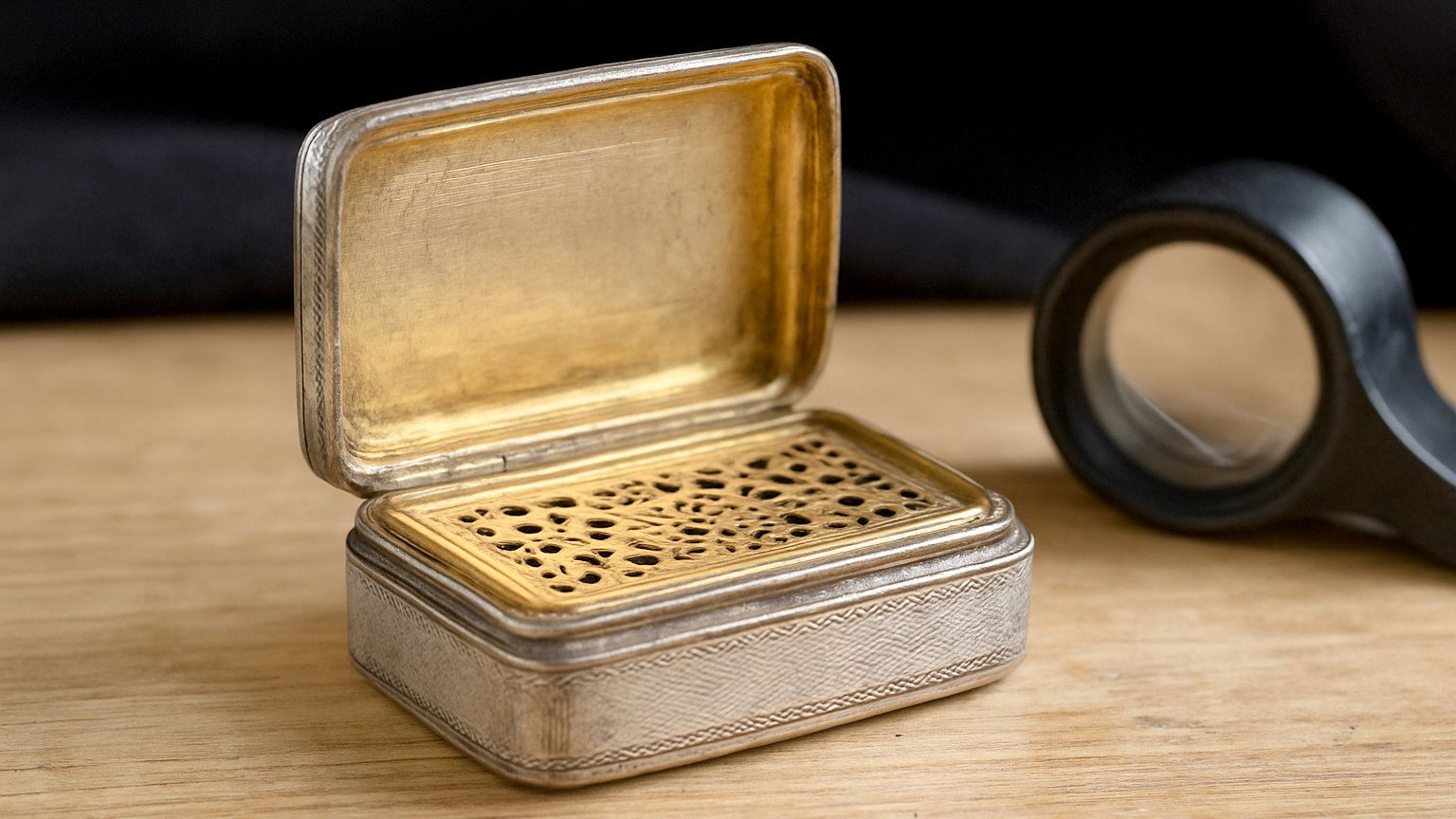
Mid twentieth century design, studio ceramics, vintage watches, early technology, quality hand tools, scientific instruments and anything with strong graphic appeal. Original packaging and printed ephemera have risen across almost every category.
The common thread is scarcity meeting a younger collector base. These are objects that were used and discarded rather than displayed and preserved, so survival rates are low, and they suit smaller homes because most of them are small.
Does this mean brown furniture is worthless?
No, and this is where people overcorrect. Exceptional pieces have held their value perfectly well, because the best examples were always bought by a different set of buyers from the ordinary ones.
What has fallen is the middle and lower end: competent but unremarkable furniture made in quantity. A fine piece with good provenance, an important maker or unusual quality still attracts serious competition. The market has become far more selective rather than uniformly weaker.
Is now a good time to buy?
For anyone furnishing a home, it is an unusually good time. Solid timber furniture with hand cut joints, made to be repaired and frequently stronger than modern equivalents, can be bought for less than new flat packed alternatives.
The environmental argument is genuine too, since the piece already exists and needs no new material. If you want furniture to live with rather than to trade, current prices in the fallen categories represent real value.
Should you buy antiques as an investment?
Generally not. The recent history of this market is exactly why. Categories that looked like safe stores of value fell heavily, and nobody reliably predicted which ones would.
Costs work against you as well, since buying at retail and selling at auction means losing both the dealers margin and the salerooms commission before any change in value. Buy what you want to own and use. Treat any appreciation as a bonus rather than a plan.
How do you check where your item sits?
Search recent completed auction results rather than asking prices, and pay attention to the dates. Results from more than a few years ago describe a different market, particularly in the categories that moved most.
Count unsold lots as well as sold ones. A category where many similar items fail to sell is telling you something that the successful results alone will not, because a strong price achieved on one day says nothing if three comparable pieces went unsold in the same room. That is a far more honest picture of demand than any single encouraging figure.