Antique prices are not uniform across a country, and the differences can be substantial. Online bidding has flattened this considerably, but it has not removed it, and understanding where the remaining variation comes from tells you both where to buy and where to sell.
Why does supply vary regionally?
Because objects tend to stay near where they were made and used. Regional furniture traditions produced distinct styles, and those pieces survive in greatest numbers in the areas that produced them.
Where supply is plentiful the price is lower, since local buyers have choice. The same piece taken to a region where it is unfamiliar may make more, simply because nobody there has three others to choose between.
Does local taste really matter?
Considerably. Collecting interests cluster geographically, frequently around a local industry, a local pottery, a local maker or a regional identity.
Objects connected to a place attract buyers from that place who will pay well above the general market, because they are collecting their own history rather than an object type. A token, a piece of commemorative ware or a topographical view of a small town is worth most where the town is.
Where is the effect strongest?
In anything with local content. Postcards and photographs of identifiable streets, trade tokens naming a local business, pottery from a regional works, and paintings of recognisable places all sell best regionally.
It applies to regional furniture traditions too, though less sharply, and to items associated with local industries such as mining, fishing, weaving or agriculture. The narrower the connection, the stronger the local premium.
Where has the effect disappeared?
In anything easily described and easily posted. Live online bidding means a specialist item in a provincial saleroom is now seen by collectors everywhere, so scarce and identifiable things find their buyer regardless of geography.
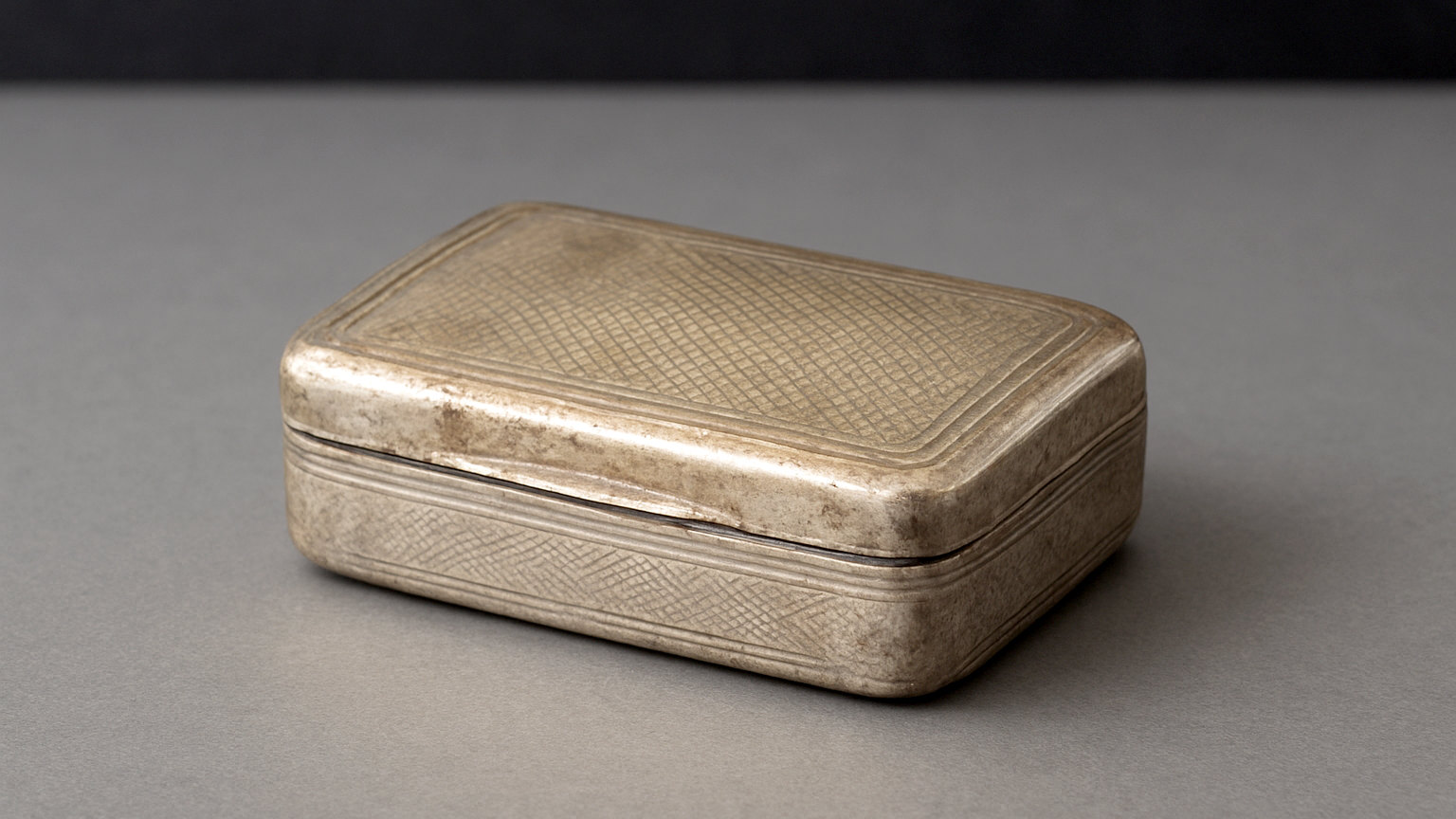
That is why the old practice of buying cheaply in one region to sell dearly in another has largely stopped working for portable goods. Silver, jewellery, coins, books and small collectables now trade at broadly national prices.
Where does it persist?
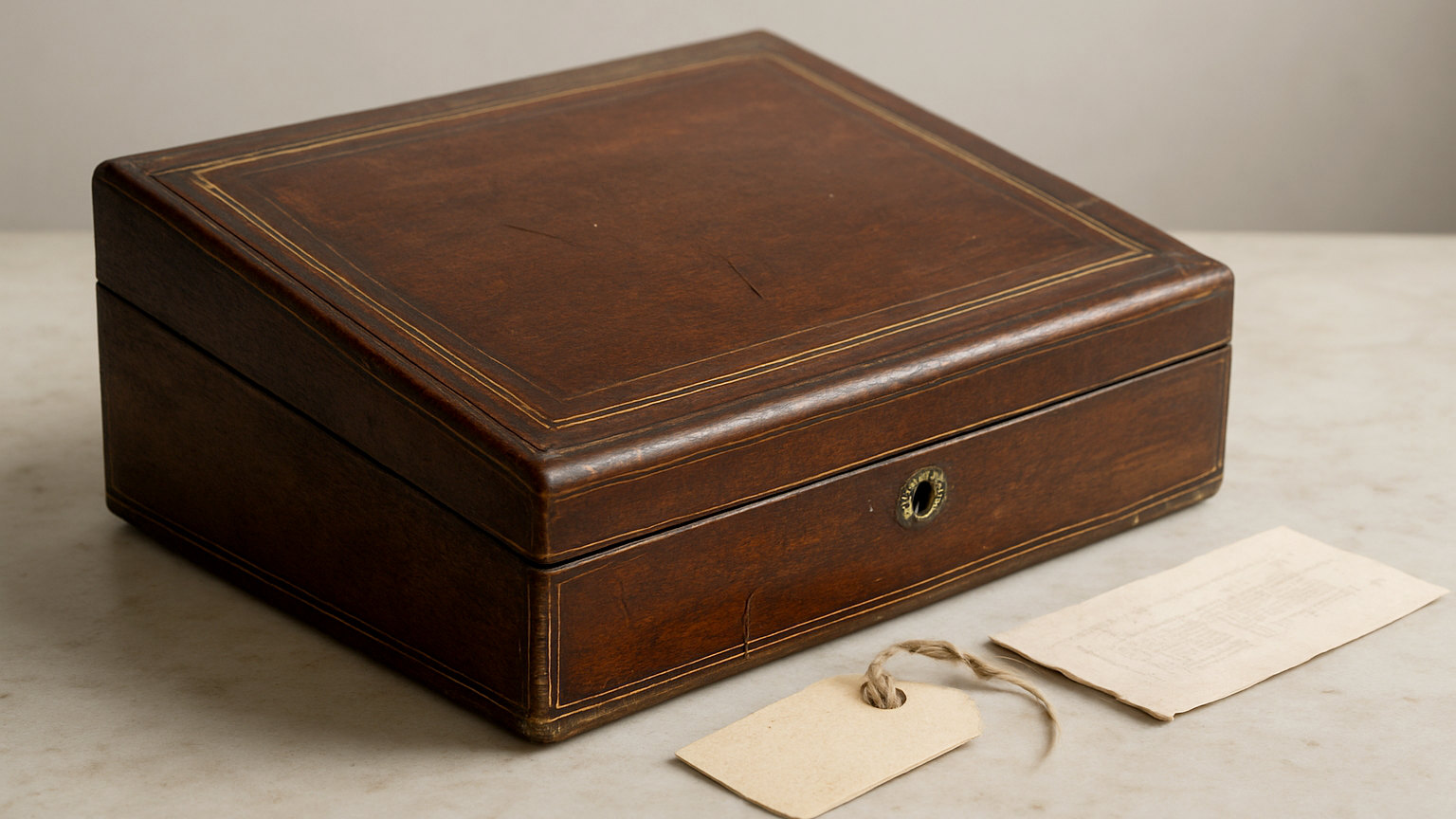
In anything that must be seen or collected in person. Large furniture, upholstered seating, mirrors, garden items and anything awkward to transport still sell to a local audience.
The buyer must arrange collection, which deters distant bidders entirely. That is why the same sideboard can make very different money in a city saleroom and a rural one, and why large items remain the last place where geography genuinely pays.
How does the saleroom itself affect price?
As much as the region does. A house with an established specialism attracts the collectors for that category, wherever it is located, and its results reflect that.
A general saleroom in the same town may sell a comparable item for considerably less, because the buyers are different. When comparing results, note which house sold each lot and what kind of sale it was, since that frequently explains more of the variation than geography does.
How should this affect where you sell?
Send items to where their buyers are rather than to what is nearest. For anything with local content, that means the region it relates to, even if it is some distance away.
For specialist categories it means a specialist sale wherever that is held, since online bidding removes the geographic penalty for the buyer. For large furniture, local is genuinely better, because transport cost otherwise consumes the difference.
Does this create buying opportunities?
Fewer than it once did, though some remain. Regional material offered outside its own area frequently sells below what it would make at home, which is worth knowing if you buy in that field.
Large furniture in areas of plentiful supply remains cheap. But be realistic about transport costs, since moving a wardrobe two hundred miles can easily exceed the saving. Calculate the full delivered cost, including your own time and fuel, before treating any distant bargain as one.