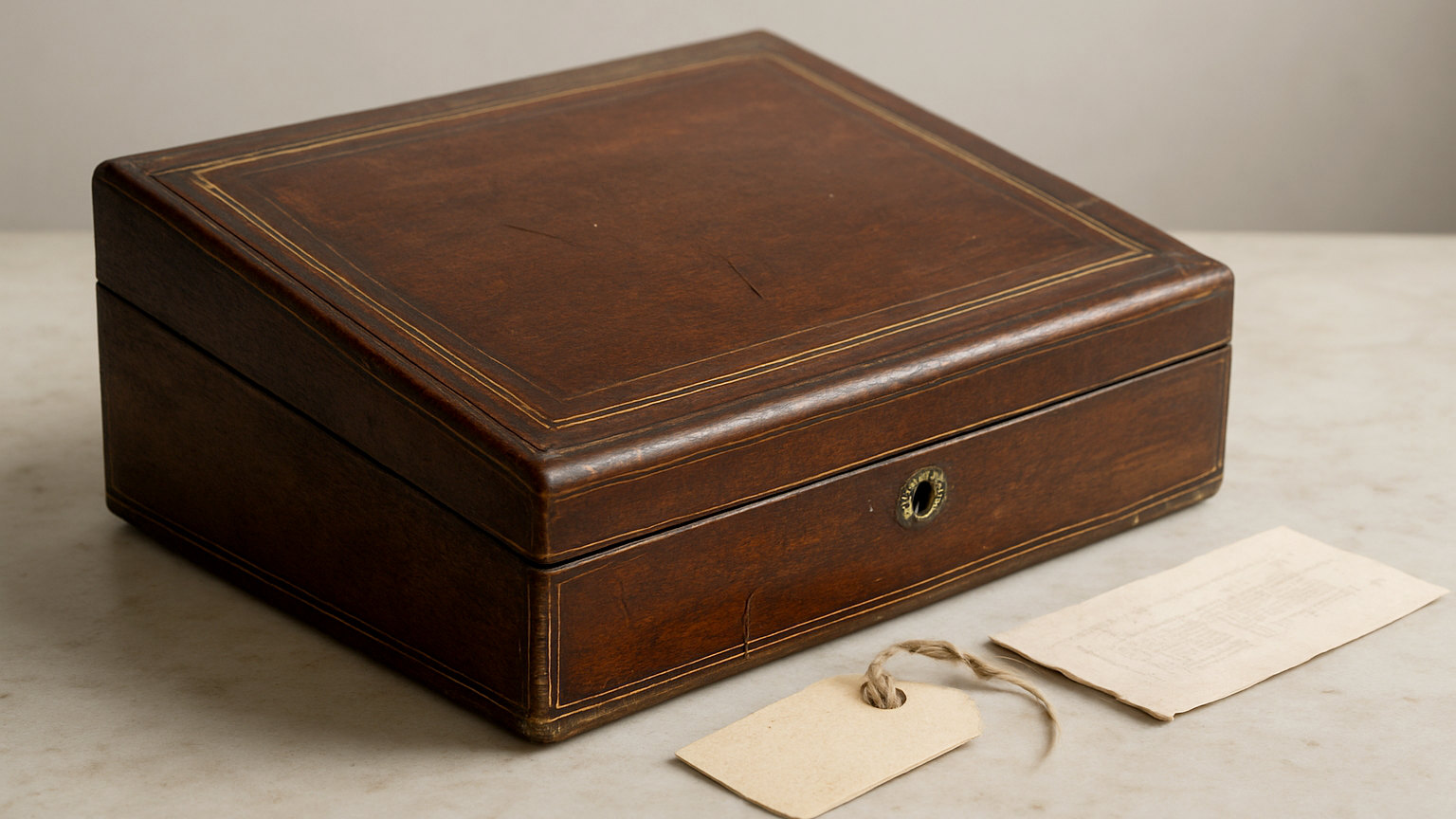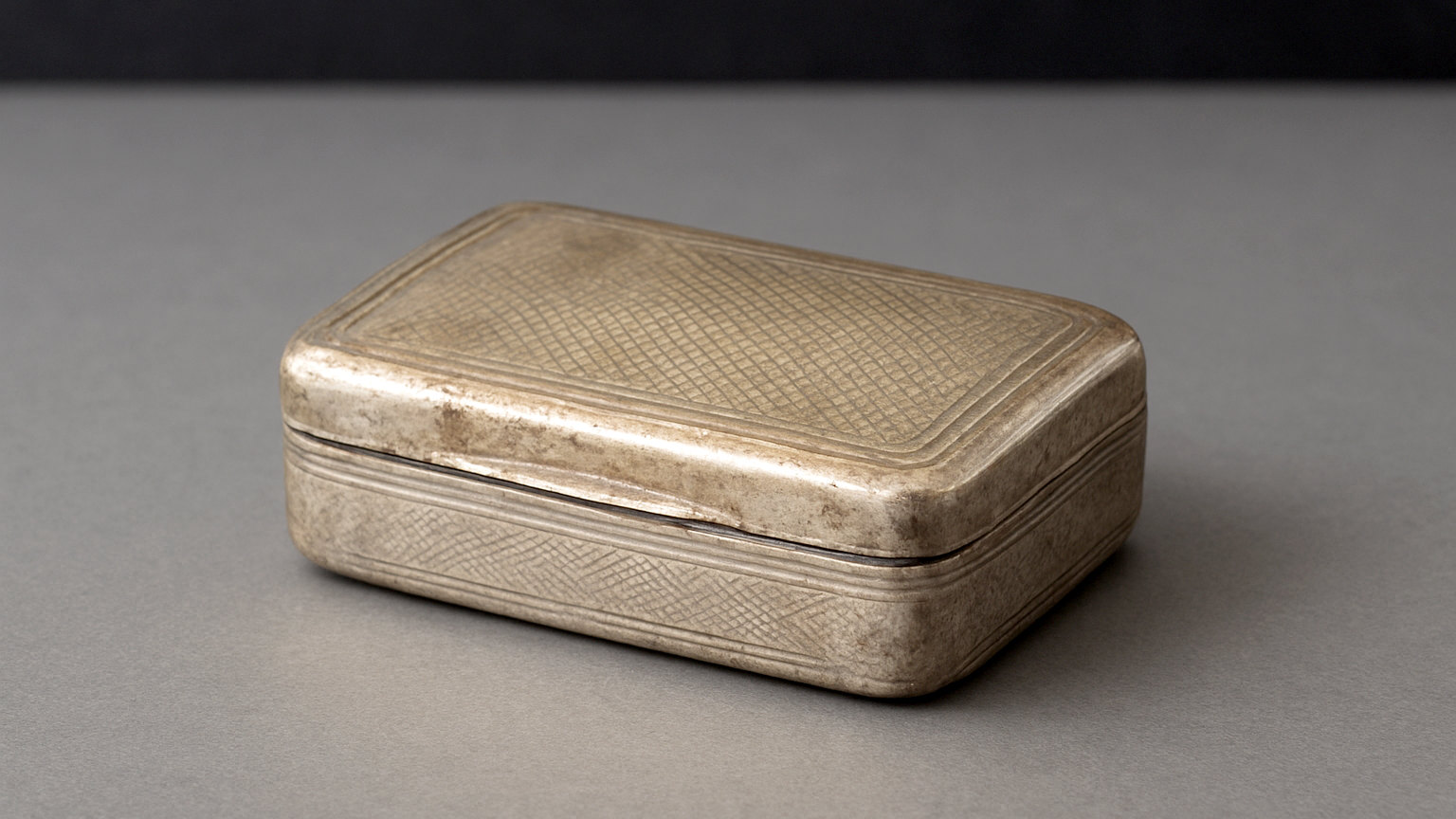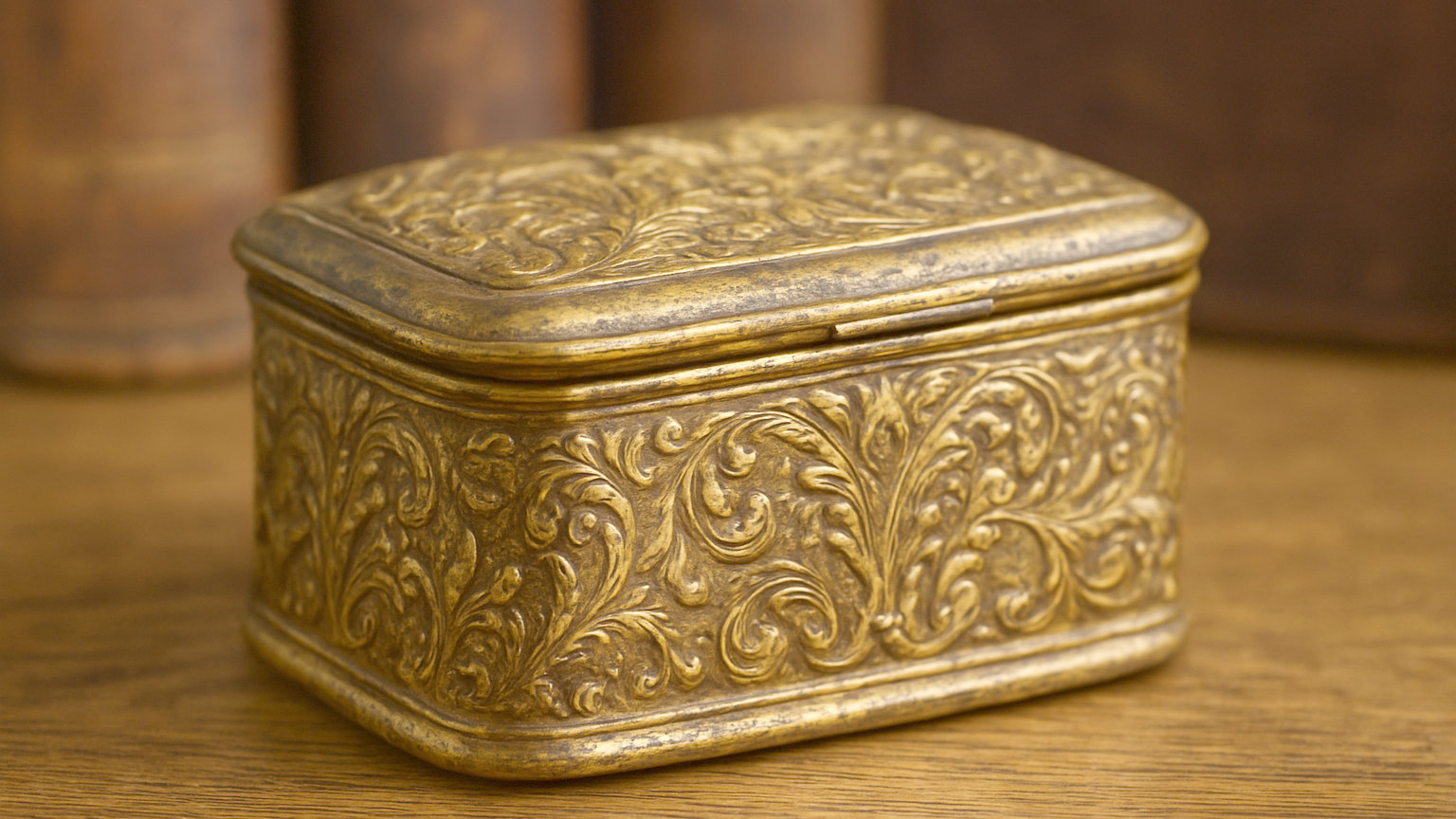
Most people faced with something they cannot identify either guess wildly or give up. Neither is necessary, because value in antiques rests on a small number of assessable qualities, and several of them can be judged without knowing what the object is called. Working through them narrows the range considerably.
What is it made of?
Start here, because material sets a floor under the value. Precious metal has intrinsic worth regardless of what the object is, so establishing whether something is silver, gold, plate or base metal is the first question.
Look for hallmarks, test with a magnet as a first check, and have anything uncertain tested electronically by a jeweller. For other materials, work out whether you are holding porcelain or pottery, hardwood or softwood, bronze or spelter, since each has a different baseline.
How good is the workmanship?
Quality is visible without attribution. Look at the crispness of any casting, carving or engraving, the fit of moving parts, the finish on surfaces nobody would see, and whether the design resolves properly at corners and junctions.
Hand work shows slight variation between repeated elements; machine work is identical. Better objects are finished where they did not need to be. An object that is well made is worth more than a poorly made one of the same type, whoever made it.
How old is it likely to be?
Construction answers this without a name. Look at fixings, tool marks, joints, wear patterns and the colour of unpolished surfaces, all of which bracket a date regardless of what the object is.
Hand cut joints, irregular fixings and genuine oxidation indicate real age. Machine regularity and uniform colour throughout indicate later production. This tells you which period the object belongs to, which is frequently enough to search sensibly.
How do you search without a name?
By describing rather than naming. Search the material, the approximate period, the form and the function together, and look at images rather than text results.
Auction archives allow browsing by category and period, which lets you scan hundreds of images looking for something similar. Museum collection databases work the same way and are more reliably attributed. When you find something close, read its description to learn the correct terminology, then search again with it.
What does the object tell you about its purpose?
A great deal, and purpose usually leads to a name. Look at the wear, since that shows how it was actually handled. Look at any compartment, hinge, spout, grille or channel and ask what would have gone through it.
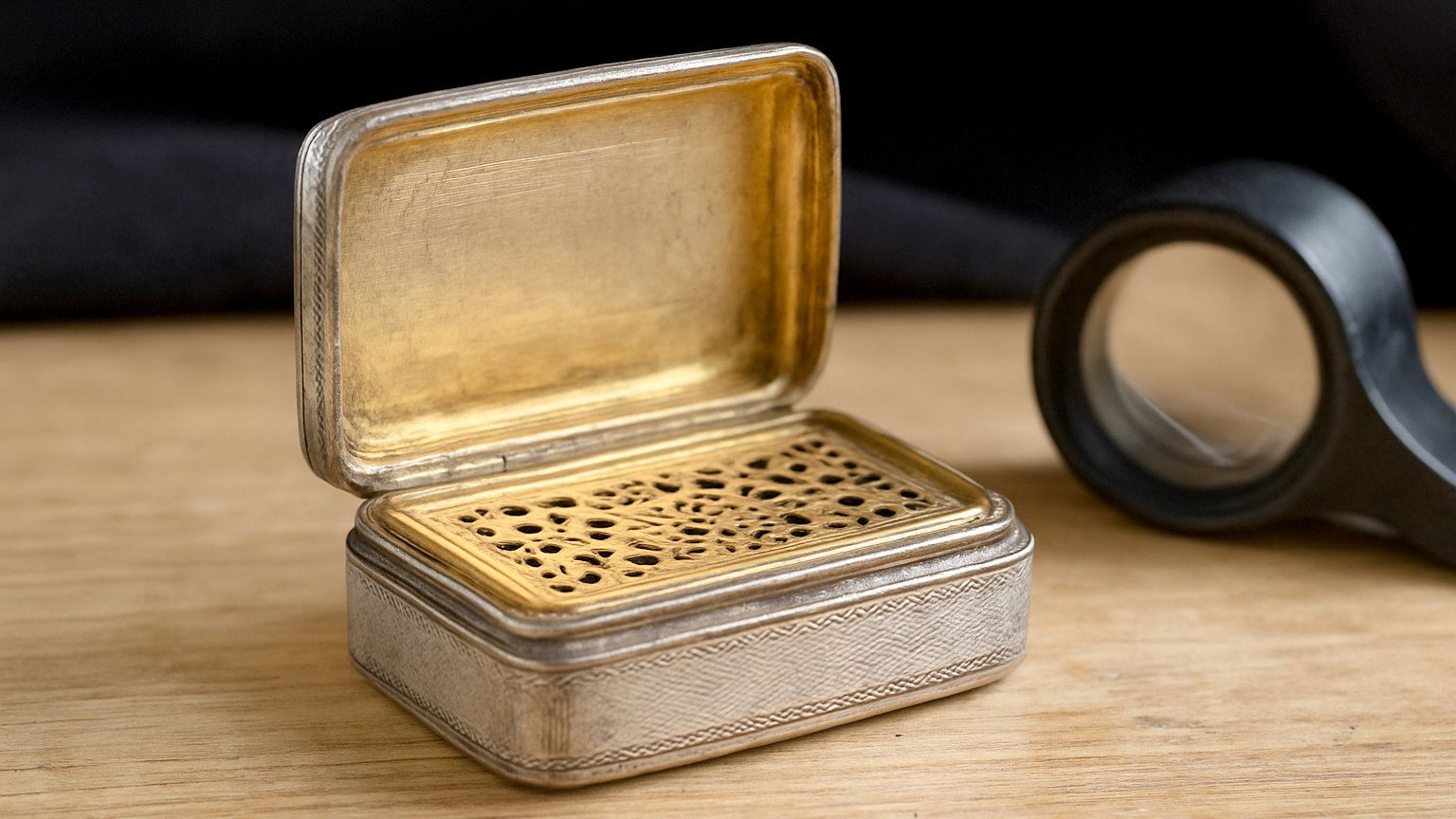
Gilding inside a small box suggests it held something corrosive. A pierced grille suggests something needed to breathe or drain. Working out the function is frequently the moment the identification arrives, because you can then search the function rather than the shape.
Who can help, and how should you approach them?
Auction house valuation days cost nothing and specialists see unfamiliar objects constantly. Collector societies for the relevant material are generous with expertise. Museums will sometimes comment on an object type even where they cannot value it.
Present measurements, weight, photographs from every angle including the base, and a transcription of any mark exactly as it reads. Say plainly that you do not know what it is rather than offering a guess, since a wrong guess can send an expert down the same blind alley you took.
What should you not do meanwhile?
Clean it, polish it, repair it or take it apart. All of these reduce value, and on an unidentified object you have no way of knowing which surface or component is the important one.
Do not sell it to the first person who offers, particularly anyone who approached you. An object nobody can name is exactly the situation where an informed buyer has the largest advantage, so establish what you have before accepting any figure.
How long should this take?
An hour of systematic assessment usually narrows an unknown object to a category and a period. That is enough to search sensibly and to know whether an expert opinion is worth paying for.