Two pieces of identical quality, date and condition can differ enormously in price purely on their dimensions. This is not a subtlety of the market, it is one of its dominant forces, and it explains most of what has happened to antique prices over the last generation better than any argument about taste.
Why has size become so decisive?
Because homes changed. Rooms are smaller, ceilings are lower, dining rooms have been absorbed into open plan spaces, and the servants who once moved heavy furniture do not exist.
A buyer must be able to get a piece into the house, up the stairs where necessary, and into a room where it fits without dominating. Each of those constraints eliminates buyers, and fewer buyers means lower prices regardless of how good the object is.
Which categories have suffered most?
Anything designed for a large formal house. Long dining tables, substantial sideboards, tall bookcases, full dressers, overmantel mirrors, wardrobes and large longcase clocks have all fallen a long way.
The effect compounds with declining fashion in the same categories, which is why some large brown furniture now sells for a small fraction of what it made a generation ago. A piece that will not fit in most houses is competing for a very small pool of buyers.
Where does small command a premium?
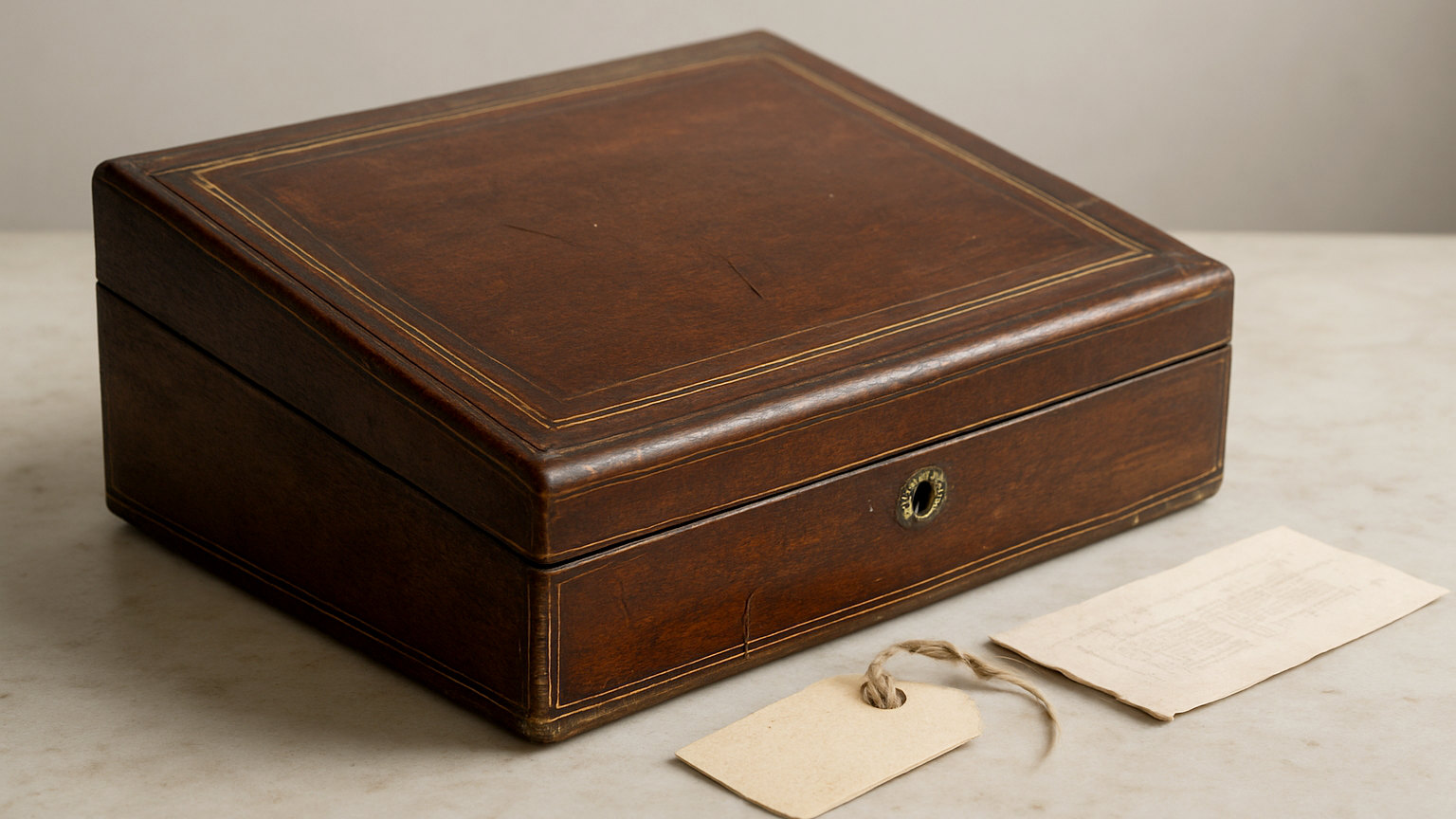
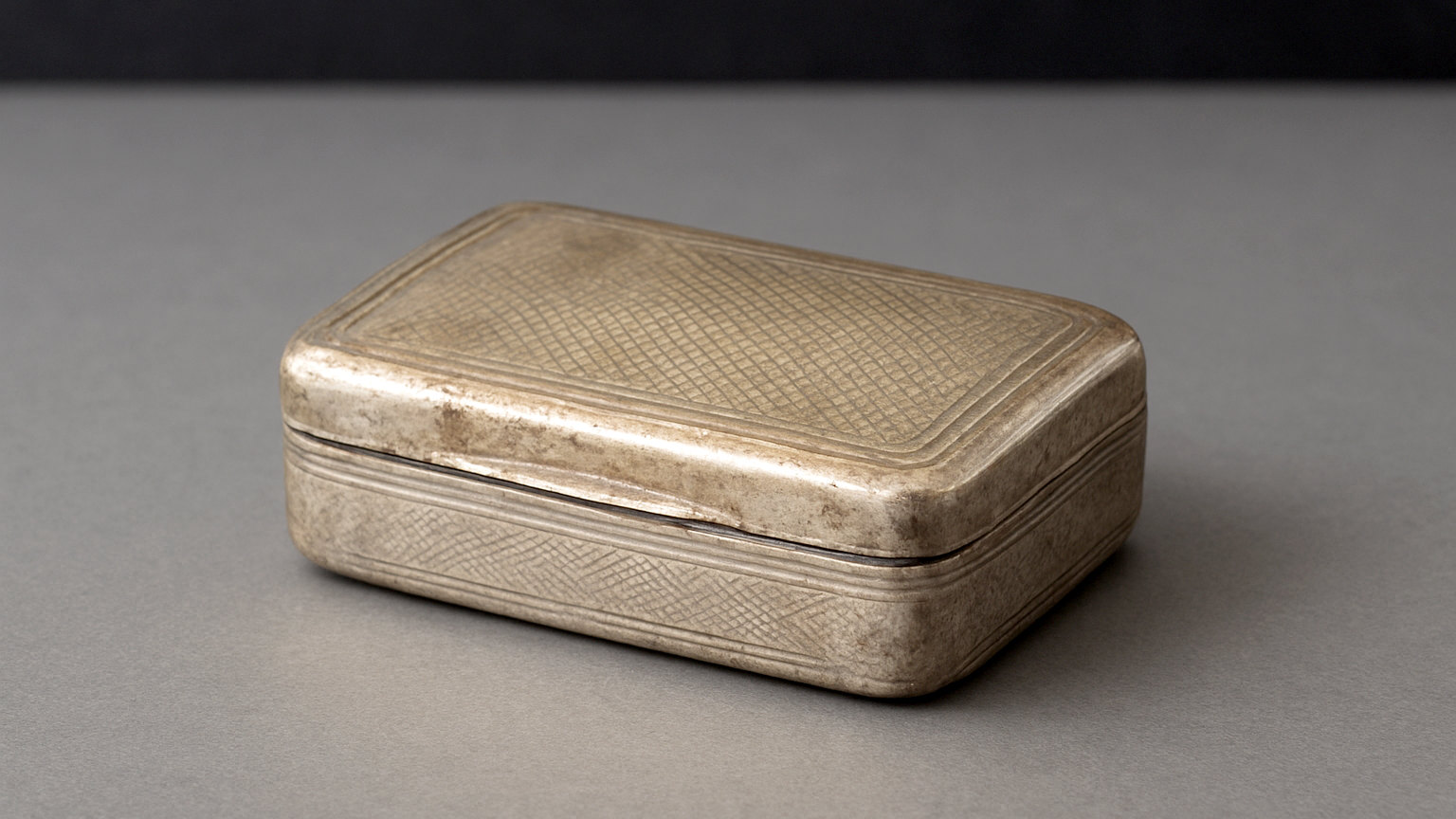
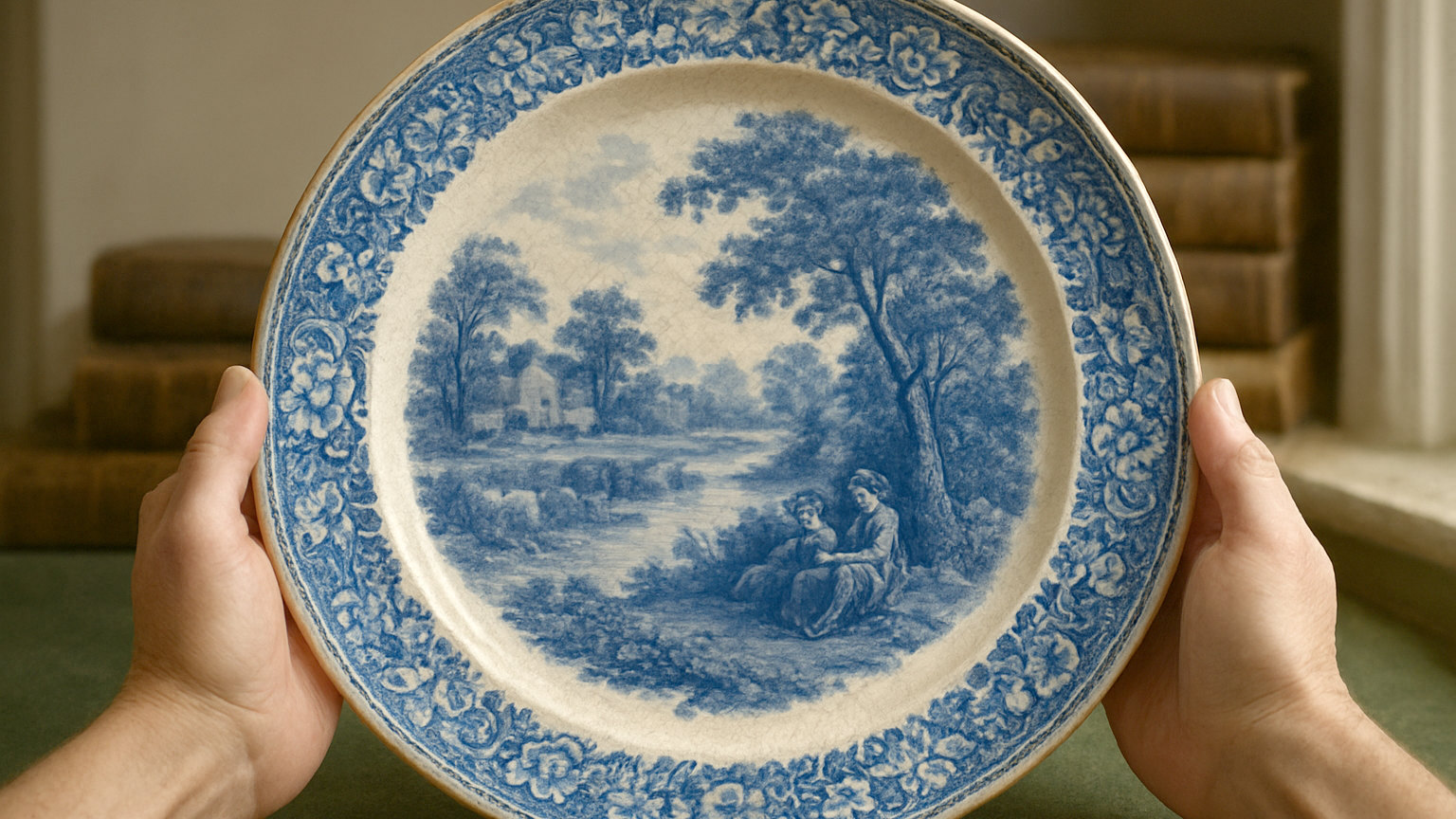
Almost everywhere. Small silver, jewellery, coins, watches, boxes, miniatures, small ceramics and anything that sits on a shelf have held value far better, and several have risen sharply.
They fit any home, they post easily, they can be collected in depth without filling a house, and they can be sold to a national or international audience rather than a local one. That last point matters enormously, because postability multiplies the buying audience.
How does size affect selling costs?
Substantially, and it is frequently overlooked when comparing venues. Large items must usually be collected in person, which limits online selling almost entirely and makes the market local by default.
Transport to a saleroom, storage charges if a lot goes unsold, and the cost of getting an unsold item home again all fall on the seller. On a low value large item those costs can exceed the proceeds, which is why house clearance firms exist and why bulky furniture is frequently given away.
Is very small always better?
No, and there is a floor. Objects too small to display well, or so small that they read as trinkets, can be harder to sell than something with presence. Miniature furniture is a specialist field rather than a general one.
The sweet spot is usually something substantial enough to be a focal point and small enough to fit anywhere. A well proportioned chest of drawers of moderate size will outsell both a tiny one and a very large one of the same quality.
What does this mean for buyers?
That large antiques are the outstanding value in the market. Solid timber furniture with hand cut joints, made to be repaired, frequently costs less than new flat packed alternatives simply because it is big.
Measure your space carefully first, including ceiling height, doorways, stair turns and the width of any landing. The commonest expensive mistake in the whole market is buying a large piece that will not physically enter the room it was bought for, at which point the saving disappears entirely and you are left arranging its resale at a loss.
How should size affect your research?
Compare like with like. When looking at auction results, check the dimensions given in each catalogue entry rather than assuming similar items are comparable, since a difference of a foot in length can halve a figure.
Record your own measurements precisely and quote them in any listing, since buyers filter on size before they consider anything else at all. An accurate dimension in the description prevents wasted enquiries, and it prevents the returns and disputes that follow when a piece arrives considerably larger than the buyer had pictured.