How to Bid at an Auction Without Overpaying
Salerooms are built to encourage one more bid. Setting your limit before the room fills is the single most useful discipline in buying at auction.
There is no single value for an antique. There is an insurance value, a probate value, an auction estimate, a dealer's offer and the price it eventually sells for, and on the same object those five numbers can differ by a factor of ten. Most disappointment in this trade comes from comparing one to another. These guides explain what each figure means, where the reliable price evidence lives, how to read a realised auction result rather than an asking price, and how to sell without giving away the margin.
Salerooms are built to encourage one more bid. Setting your limit before the room fills is the single most useful discipline in buying at auction.
A fair stand costs a pitch fee and a day of your time, and it puts you in front of dealers and collectors with no commission deducted.
An estimate is a working prediction pitched to encourage bidding rather than a valuation, and the low figure is doing most of the work.
The viewing is where you discover what the catalogue description leaves out, and skipping it is the most expensive habit an auction buyer can have.
Commission and premium are only part of what an auction costs, and the additional charges frequently matter more than the headline rate.
Most salerooms will give an opinion from photographs, and the quality of that opinion depends entirely on the quality of the images.
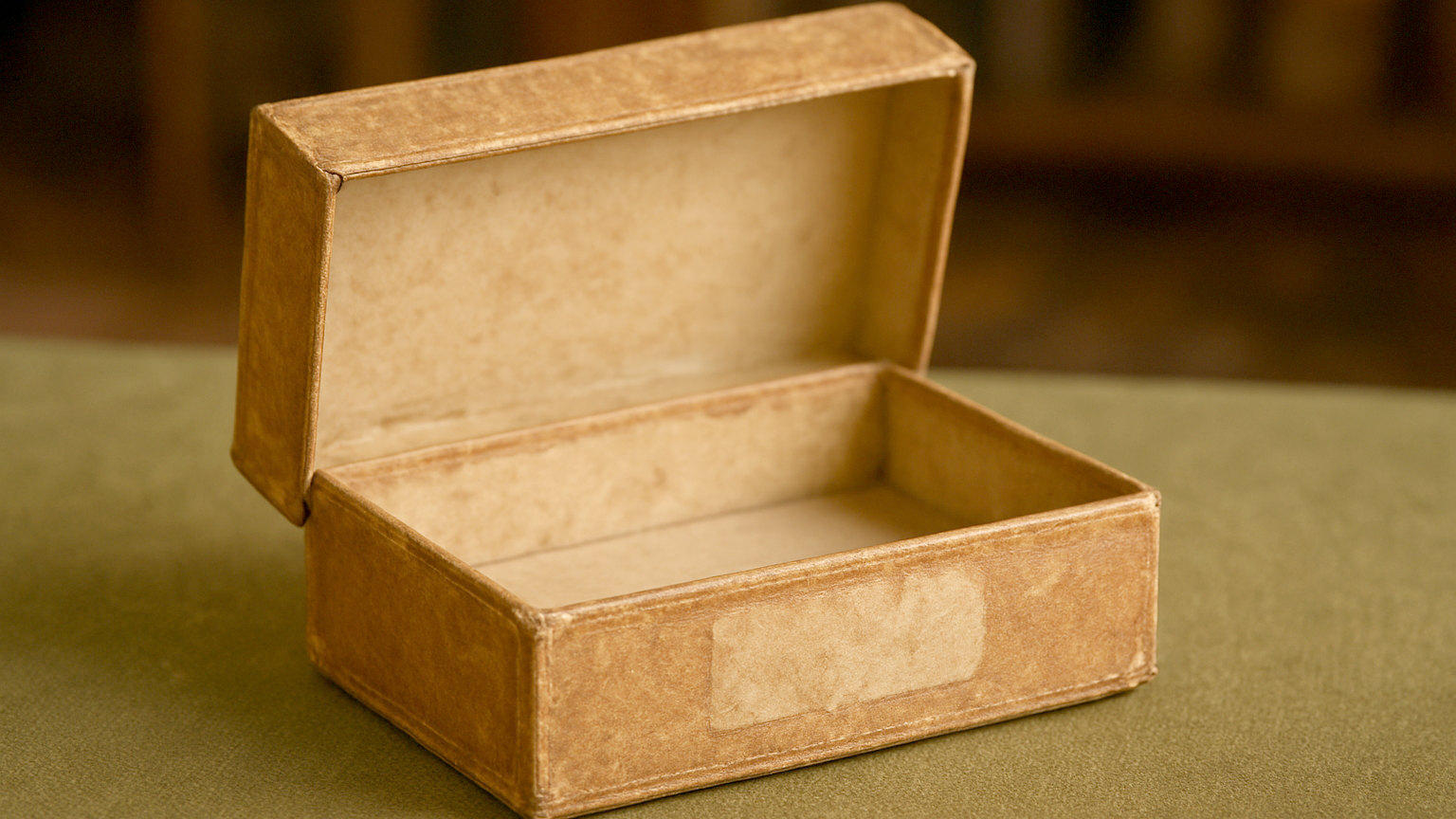
Packaging was wrapping and went in the bin, while the contents were kept. That single fact inverted the scarcity in several whole categories.
Almost everything people do to prepare an antique for sale reduces what it fetches, and the exceptions are mostly paperwork.
Rarity on its own is worth nothing, because plenty of scarce objects are scarce precisely because nobody wanted them. Value appears where scarcity meets demand.
Photographs sell antiques online more than descriptions do, and the difference between a poor image and a good one is technique rather than equipment.
Recovery depends almost entirely on how well an object was recorded before it disappeared, and on how quickly it is circulated afterwards.
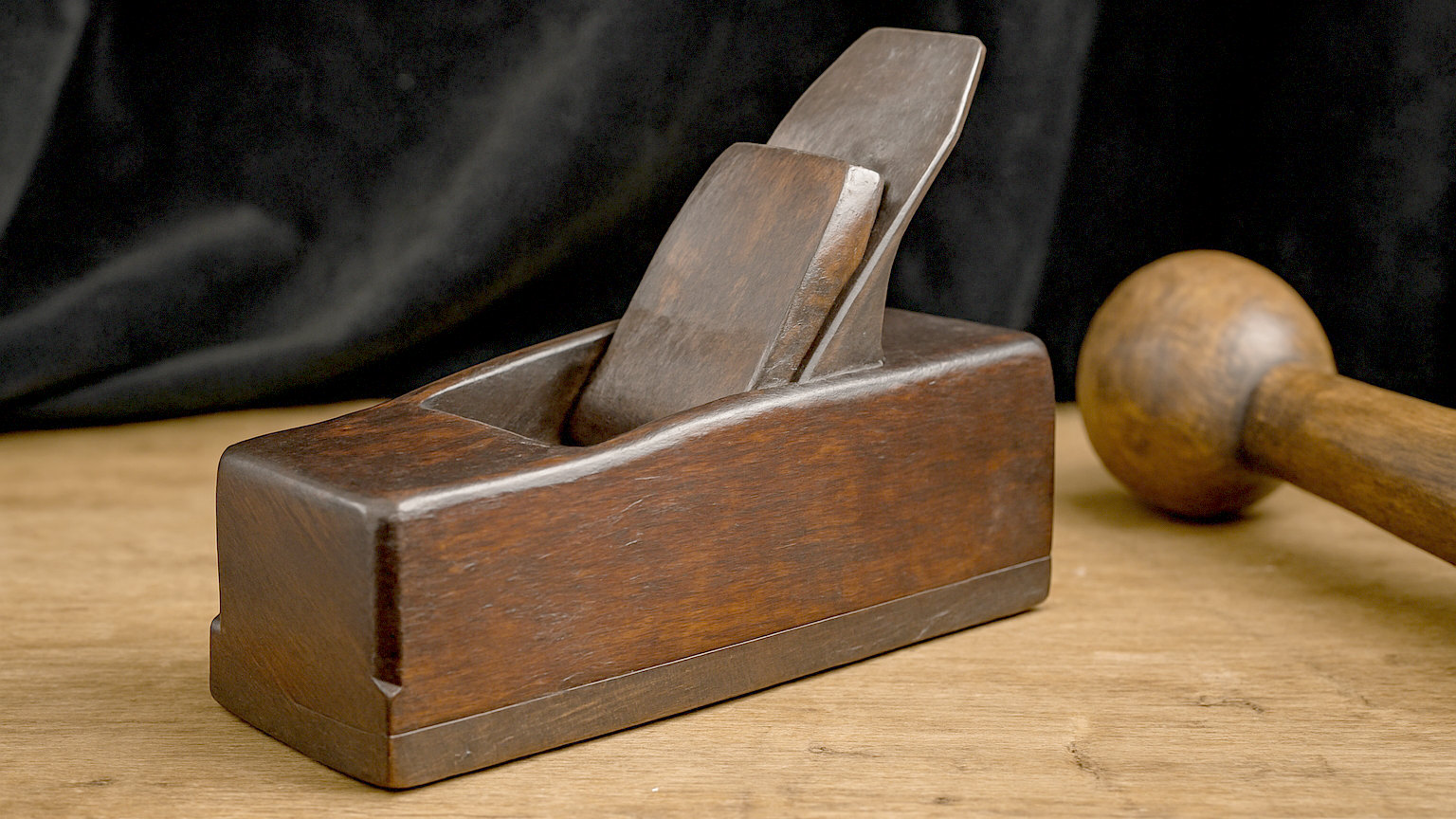
Tools were used until they broke and then thrown away, which is exactly why good survivors have become genuinely scarce.