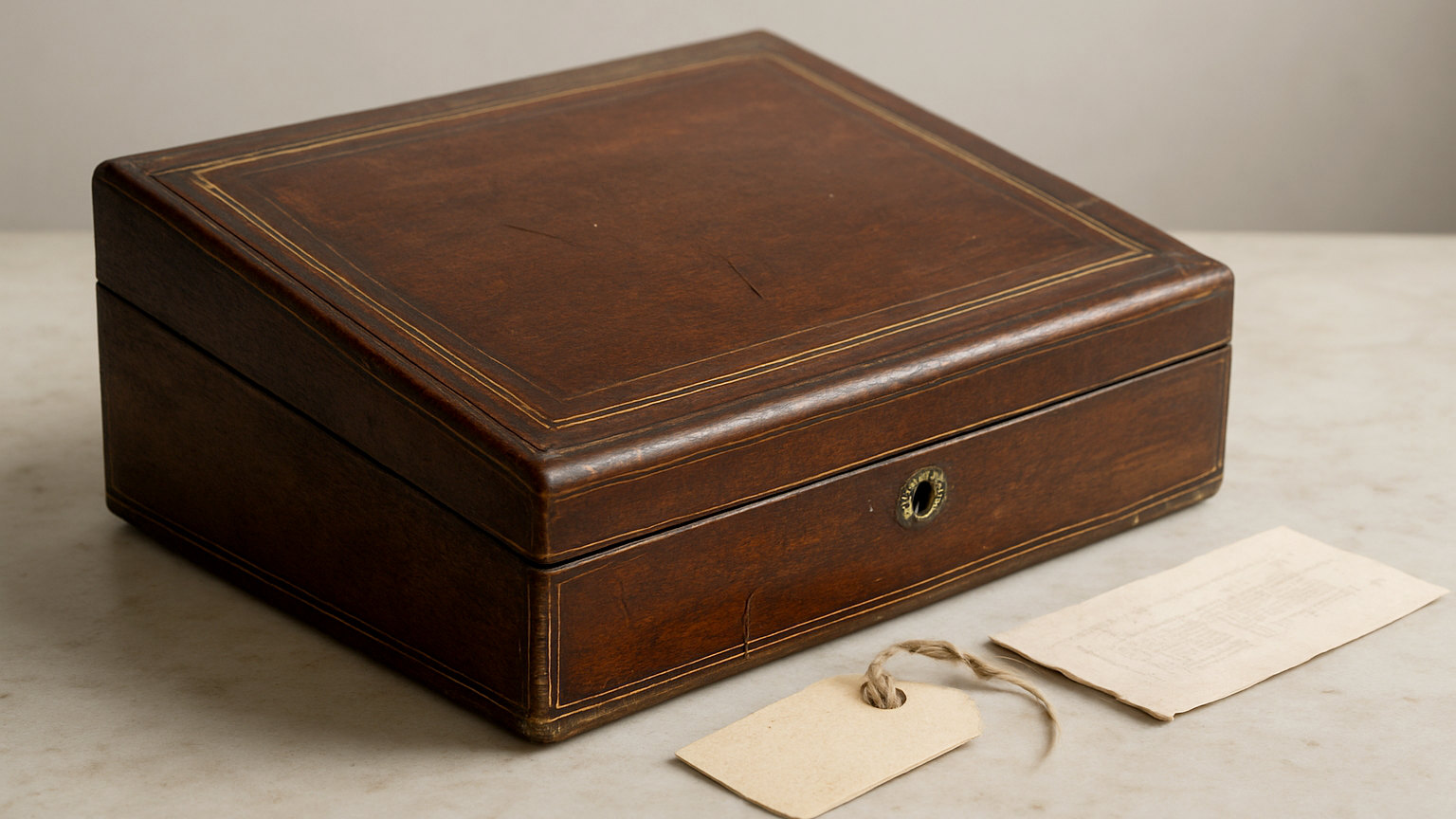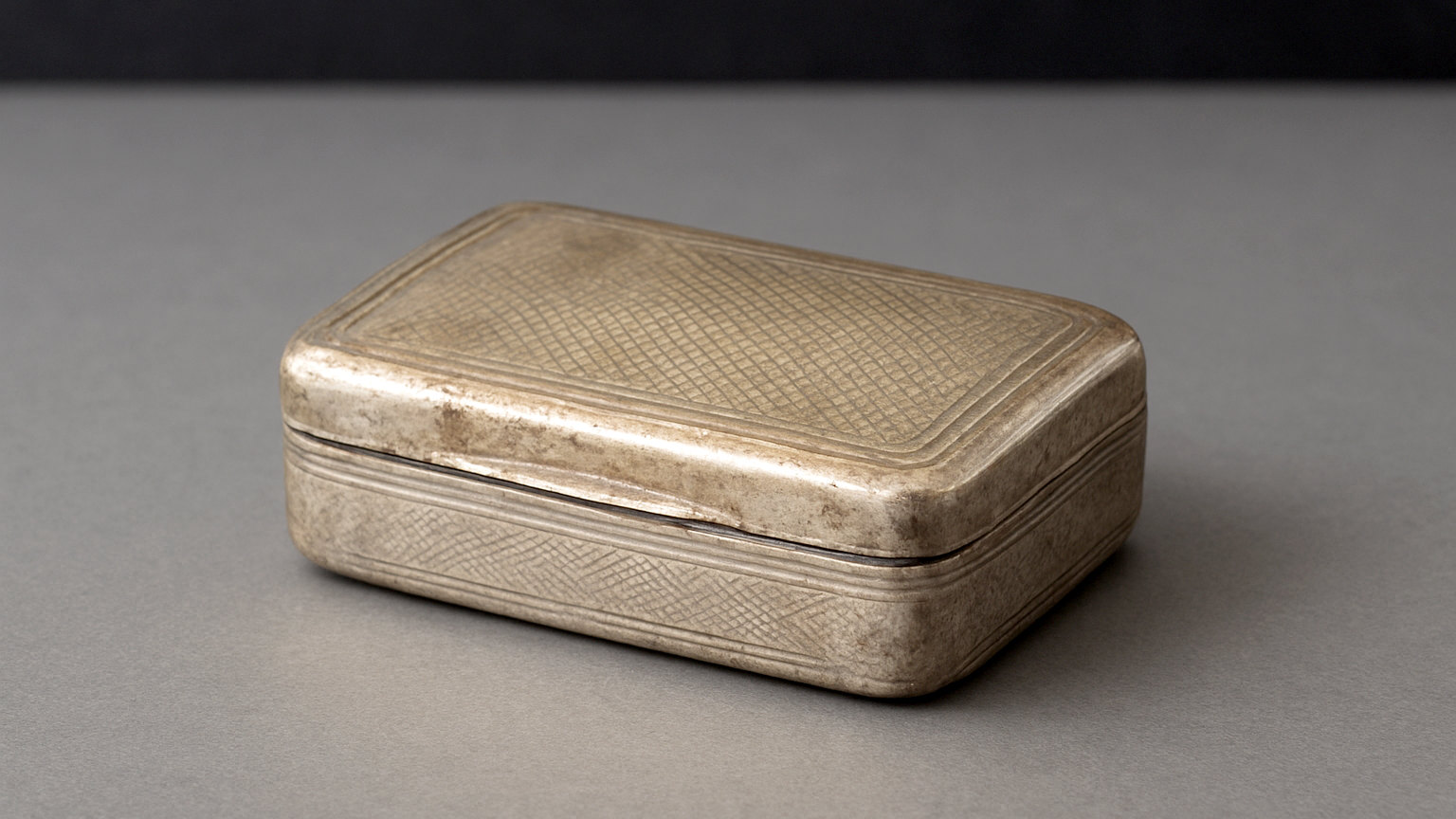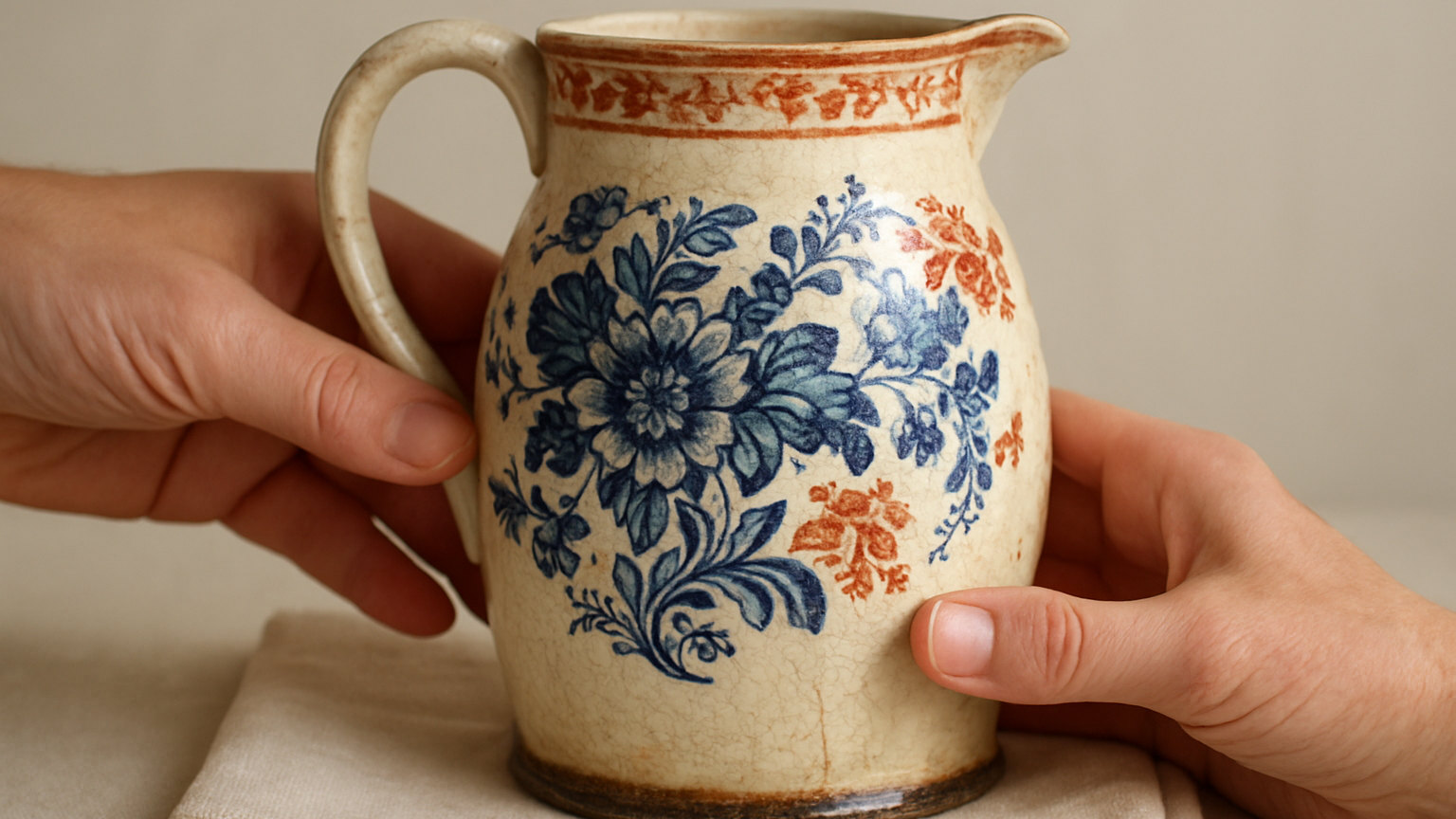
Most lots are sold as seen, which puts the burden of inspection entirely on the buyer, and the viewing is the only opportunity to do it. People who bid without attending are relying on a photograph and a short description to reveal problems that neither is designed to show. That is how buyers end up with a crack they did not expect.
What is a viewing?
A period before the sale, usually a day or two, when lots are laid out and the public can examine them. Staff are present and specialists are frequently available to answer questions.
You can handle most things, subject to sensible restrictions on anything fragile or valuable, and staff will unlock cases and lift heavy items on request. There is no obligation to bid and no cost to attend.
What should you take with you?
A torch, a magnifying glass or loupe, a tape measure, the catalogue and a notebook. A small ultraviolet torch is worth carrying if you look at ceramics, since it reveals restoration in seconds.
A magnet is useful for metalware. Take a phone for photographs, and check whether the house permits them, since most do. Write your notes against the lot number at the time rather than trusting memory, because everything looks similar afterwards.
How should you examine a lot?
Systematically, and always turn it over. Look at the base, the underside, the back and the interior, which is where evidence of construction, repair and alteration lives.
Pull out drawers on furniture and look at the joints and the runners. Hold ceramics and glass up to a strong light to reveal hairline cracks. Check every detachable part separately: lids, liners, keys, nozzles and stoppers. Count components on anything that should be a set.
What does the catalogue not tell you?
Everything the cataloguer did not have space or time to include. Descriptions are short, they are written quickly across hundreds of lots, and minor faults are frequently not mentioned at all.
Read the small print carefully, since damage is disclosed in the body text rather than the headline. Learn the vocabulary too: words such as associated, in the manner of, and bearing a signature carry precise meanings that qualify the claim considerably.
What should you ask the staff?
For a condition report, which most houses will provide in writing on request, and which is worth having even if you have inspected the lot yourself. Ask directly whether there is any restoration.
Ask what the reserve position is in general terms, ask which sale the item came from and whether there is provenance, and ask about collection arrangements and any storage charges. Specialists at viewings are usually generous with information if you ask sensible questions.
How do you use the viewing to set a limit?
By costing what you actually see. Note every fault and estimate what repairs would cost, since a chip, a rewire or a reupholstery is money you will spend after buying.
Then work backwards from the total you are willing to part with: deduct the buyers premium and any tax, deduct transport, deduct the repair estimate, and what remains is your maximum bid. Write that number down at the viewing while the object is in front of you rather than deciding in the room.
What if you cannot attend?
Request a written condition report and additional photographs, which most houses supply by email, and ask specific questions rather than general ones. Ask whether there is any damage, restoration or replacement, and get the answer in writing.
Be aware that this is a weaker position than attending, and bid more conservatively to reflect it. For anything of significance, consider paying someone to view on your behalf, since the cost is small against the risk of buying an item whose faults nobody described.
What should you look at beyond your own lot?
The comparable lots in the same sale, since several similar items divide the available buyers between them and depress prices for all of them.
Note how many are offered and what condition they are in. If three better examples of your target are in the same sale, wait for another. Viewing also teaches you the category faster than any book, because you handle a great deal of genuine material in an afternoon at no cost.