Almost every auction house now accepts photographs by email for an initial opinion, which saves a journey and costs nothing. What people rarely appreciate is that the answer they get back is limited by the images they sent. A specialist working from three blurred pictures gives a vague answer because that is all the evidence allows.
Which photographs are essential?
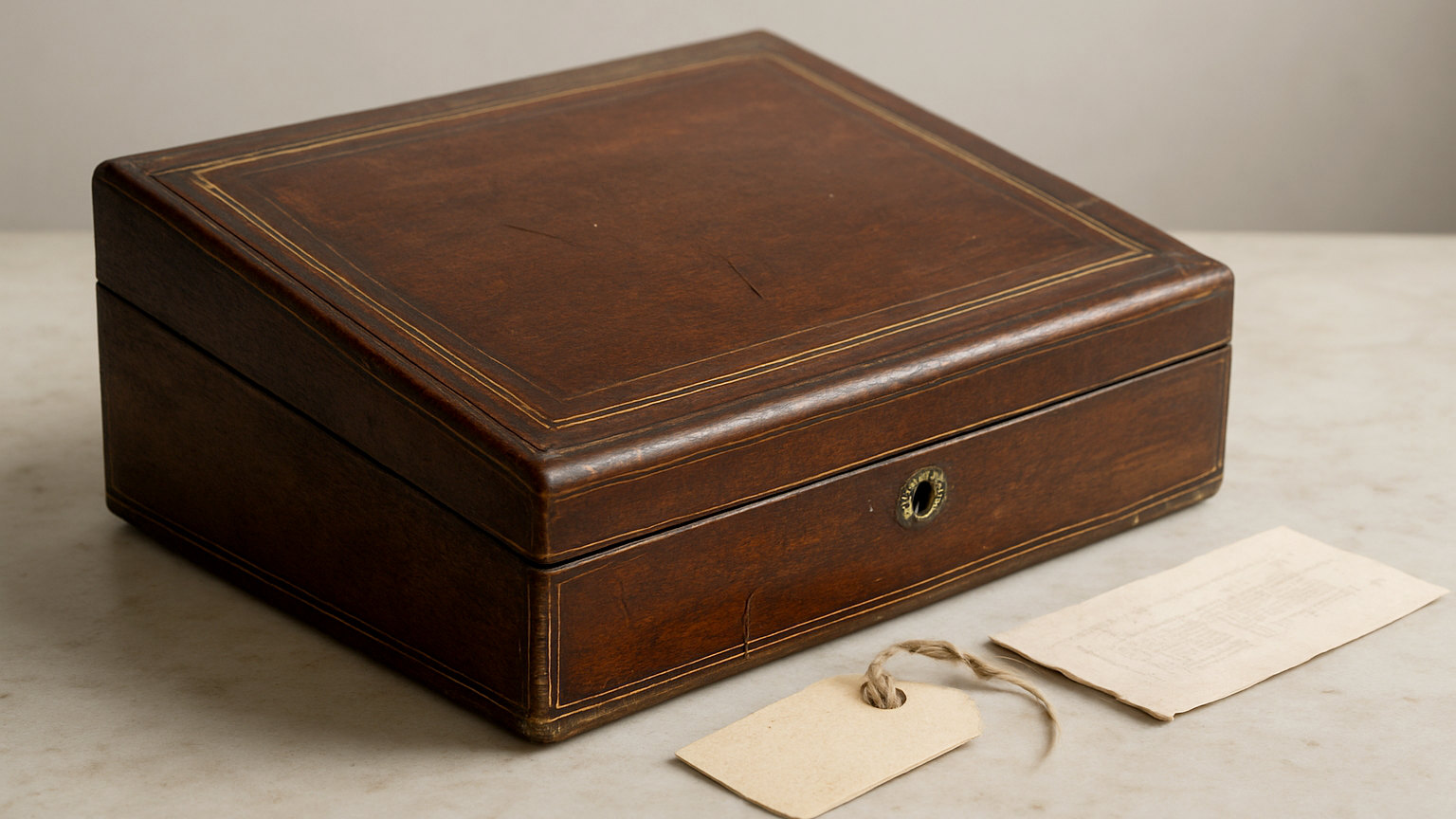
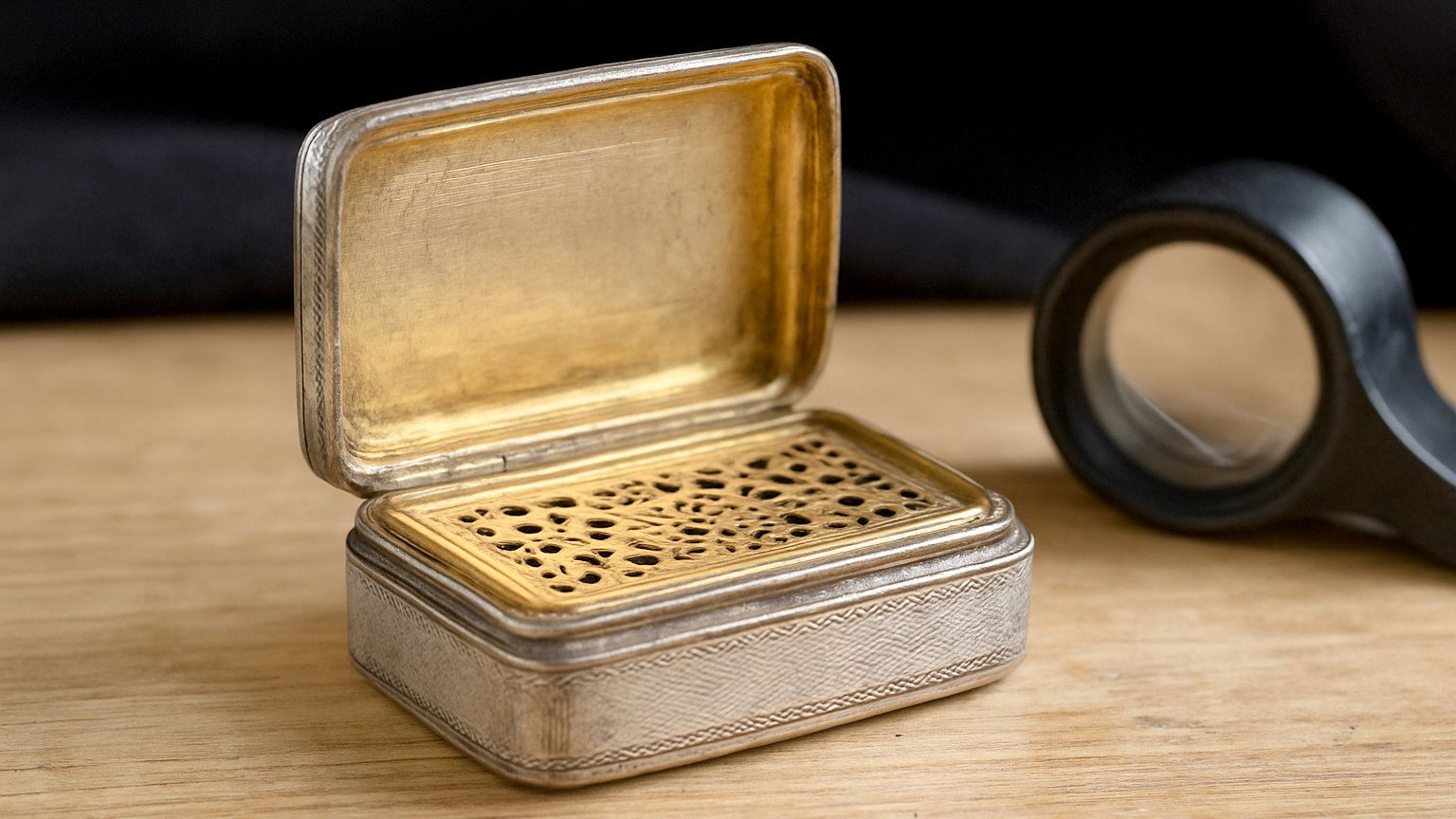
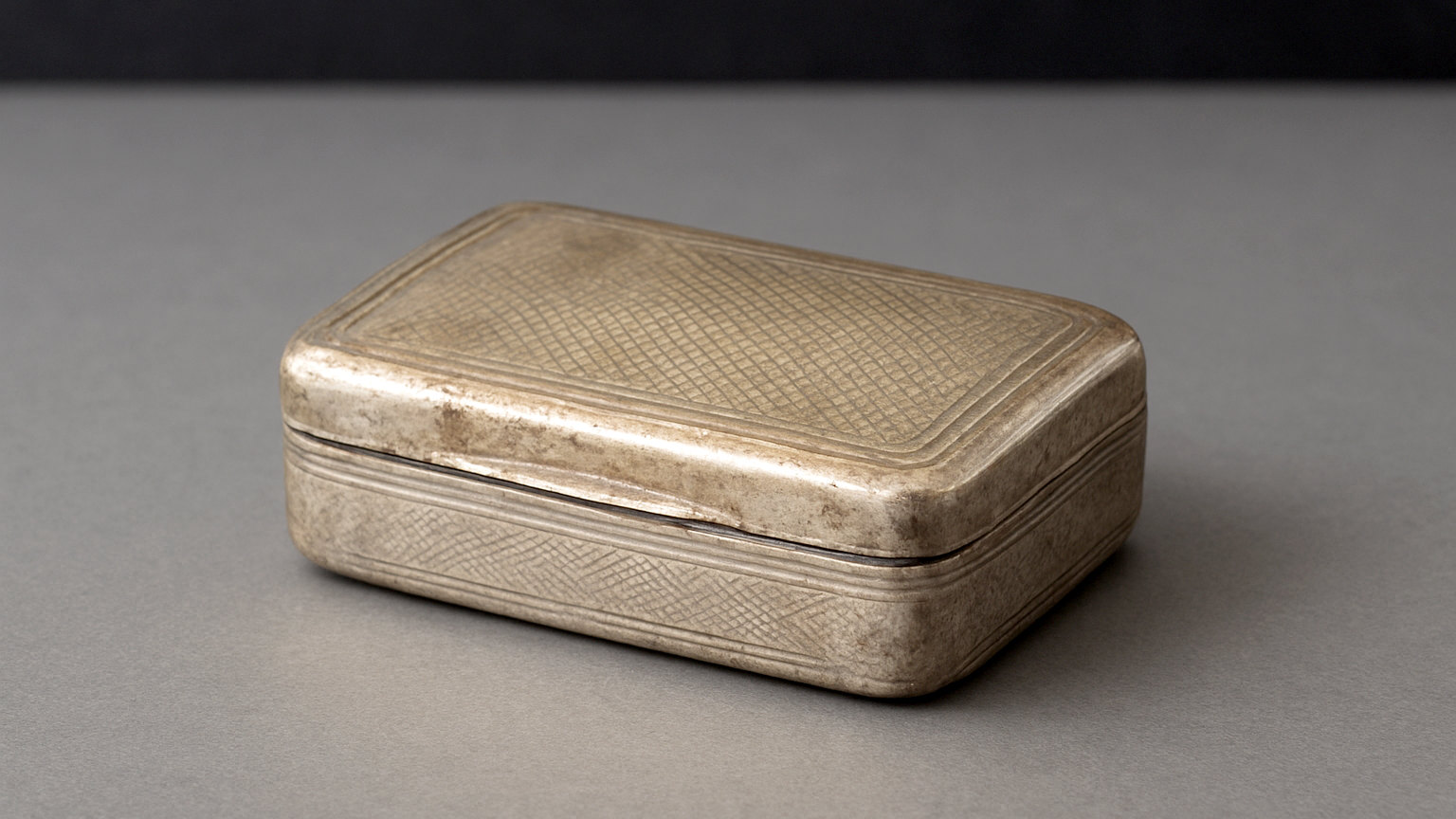
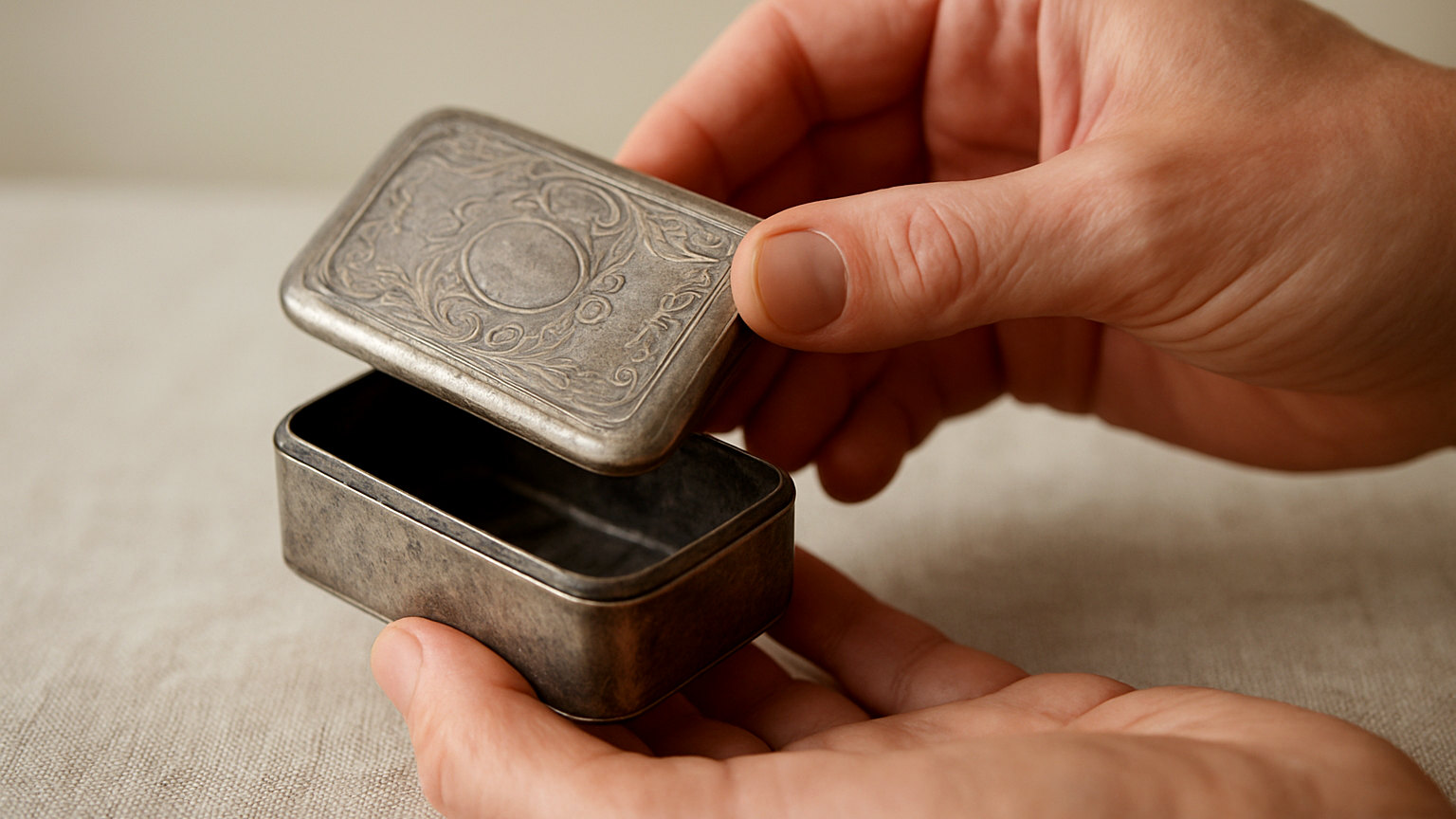
Six as a minimum. A straight on view of the front, a three quarter view showing depth, a view of the back or reverse, a full view of the base or underside, a close up of every mark or signature, and a clear image of any damage.
Send all of them even when some seem uninformative, because the specialist decides what matters rather than you. The base of a ceramic and the reverse of a painting are frequently the two most useful images and the two most often omitted.
What light should you use?
Daylight, indirect. Work near a window on an overcast day, or in a room where the sun is not falling directly on the object. Direct sun produces hard shadows and blown highlights that hide exactly the detail being assessed.
Turn the flash off. On camera flash flattens texture, kills the depth of a polished surface and produces a hard reflection on anything glazed. If daylight is insufficient, use two lamps positioned either side rather than one from the front.
How do you photograph a mark?
With raking light, which is the single most useful technique in the whole exercise. Hold the object so light skims across the mark at a shallow angle rather than falling onto it, since a struck or impressed mark is a depression and needs shadow to read.
Rotate the object slowly and watch the mark. At most angles it will be invisible and at one or two it will suddenly become legible. Photograph from that position, take several frames at slightly different angles, and back off far enough for the lens to focus rather than pushing too close.
What about scale?
Include something for scale in at least one image, such as a ruler or a coin laid beside the piece, and give the measurements in the text as well. Size is impossible to judge from a photograph and it changes the answer entirely.
Give height, width and depth for furniture, height and diameter for ceramics and glass, and the weight for silver. A specialist cannot tell a small dish from a large charger without a dimension, and the two are worth quite different sums.
Should you photograph the damage?
Always, clearly and in close up. Concealing a chip wastes everybody time, because it will be found at the viewing and the estimate will change, usually after you have already committed to consigning.
Photograph every chip, crack, repair, replacement and area of wear, and describe each in the message. A specialist who can see the faults gives a realistic figure first time, which is what you actually want from the exercise.
What should the message say?
What you know and what you do not. State the measurements, transcribe any marks exactly as they read rather than interpreting them, and describe the material if you are confident about it.
Mention any history you have: where it came from, any receipts, old valuations, labels or family documentation. Provenance affects value and specialists take it seriously. Say plainly if you do not know what something is, since guessing at an attribution sends the assessment in the wrong direction.
What are the common mistakes?
Photographs taken from too far away, taken on patterned carpet or a cluttered worktop, taken at an angle that distorts the proportions, and taken with the flash on. All of these are easily avoided and all of them reduce the quality of the answer.
Sending too few images is the other frequent error. Six good photographs cost nothing to attach and produce a far better opinion than two. Do not clean or polish the piece first, since a specialist would much rather see it exactly as it has survived.