Tools are among the strongest risers in the antique market, and the reason is straightforward. They were working equipment, used until they wore out or broke, then discarded without sentiment. Survival rates are low, quality was frequently outstanding, and a committed collector base has formed around them.
Why have tools risen so sharply?
Because they combine genuine scarcity with two separate groups of buyers. Collectors want them as objects, and craftspeople want them because the quality exceeds what is affordable new.
A category supported by both collectors and users holds value better than one supported by collectors alone, since demand does not depend entirely on fashion. Tools also suit modern homes, being small, and they display well, which broadens the audience further.
Which woodworking tools are collected?
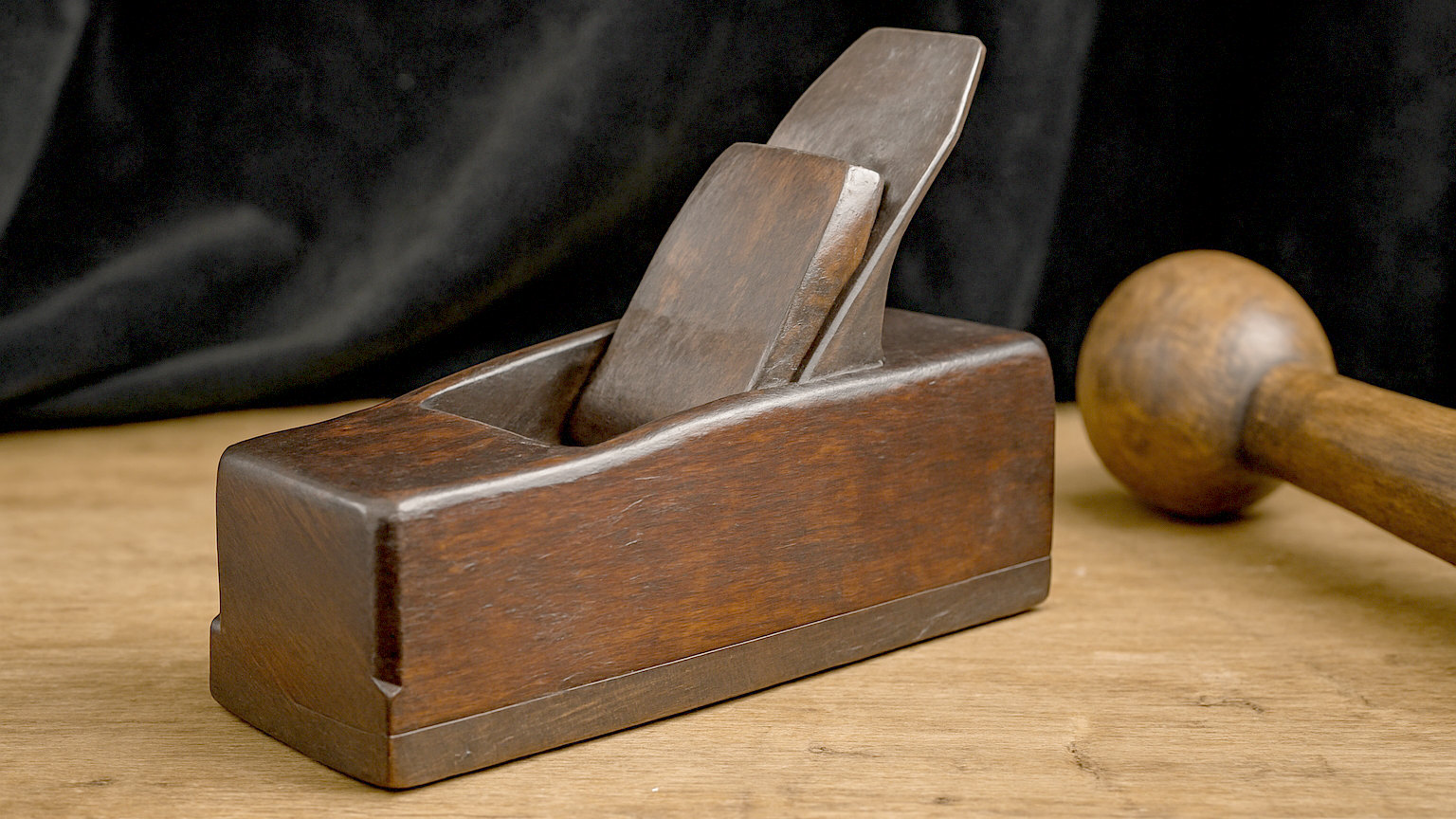
Hand planes above all, particularly infill planes with a metal body and a hardwood filling, which were made to very high standards by a small number of workshops.
Braces, especially those with brass and ebony fittings, spokeshaves, moulding planes in matched sets, and marking gauges all have followings. Look for maker stamps on the toe of a plane or on the stock of a brace, since named makers command substantial premiums over anonymous work.
What about scientific instruments?
Microscopes, telescopes, surveying instruments, drawing sets, barometers and precision measuring equipment are all strongly collected, and the best examples reach serious prices.
These are usually signed, frequently with a maker name and address engraved on the instrument, which allows precise dating through trade directories. Completeness matters enormously: a microscope with its original fitted case, objectives and accessories is worth a large multiple of the instrument alone.
Which trades produced collectable tools?
Those with specialised equipment made in small numbers. Coopering, wheelwrighting, leatherwork, bookbinding, watchmaking, blacksmithing and shipwrighting all used tools that mean nothing outside the trade and are collected precisely for that reason.
Medical and dental instruments have their own following, as do agricultural implements. The more specialised the trade, the fewer tools were made and the fewer survive, which is where the scarcity sits.
What condition should you look for?
Honest working wear with everything present. Tools were meant to be used, so wear on a handle and a sharpened blade are correct rather than defects.
What reduces value is rust pitting, broken or replaced parts, missing components, and over restoration. Do not clean rust aggressively or repaint anything, since original finish and patina matter here as much as anywhere. A tool with its original box, instructions or fitted case commands a real premium.
Where do you find the maker name?
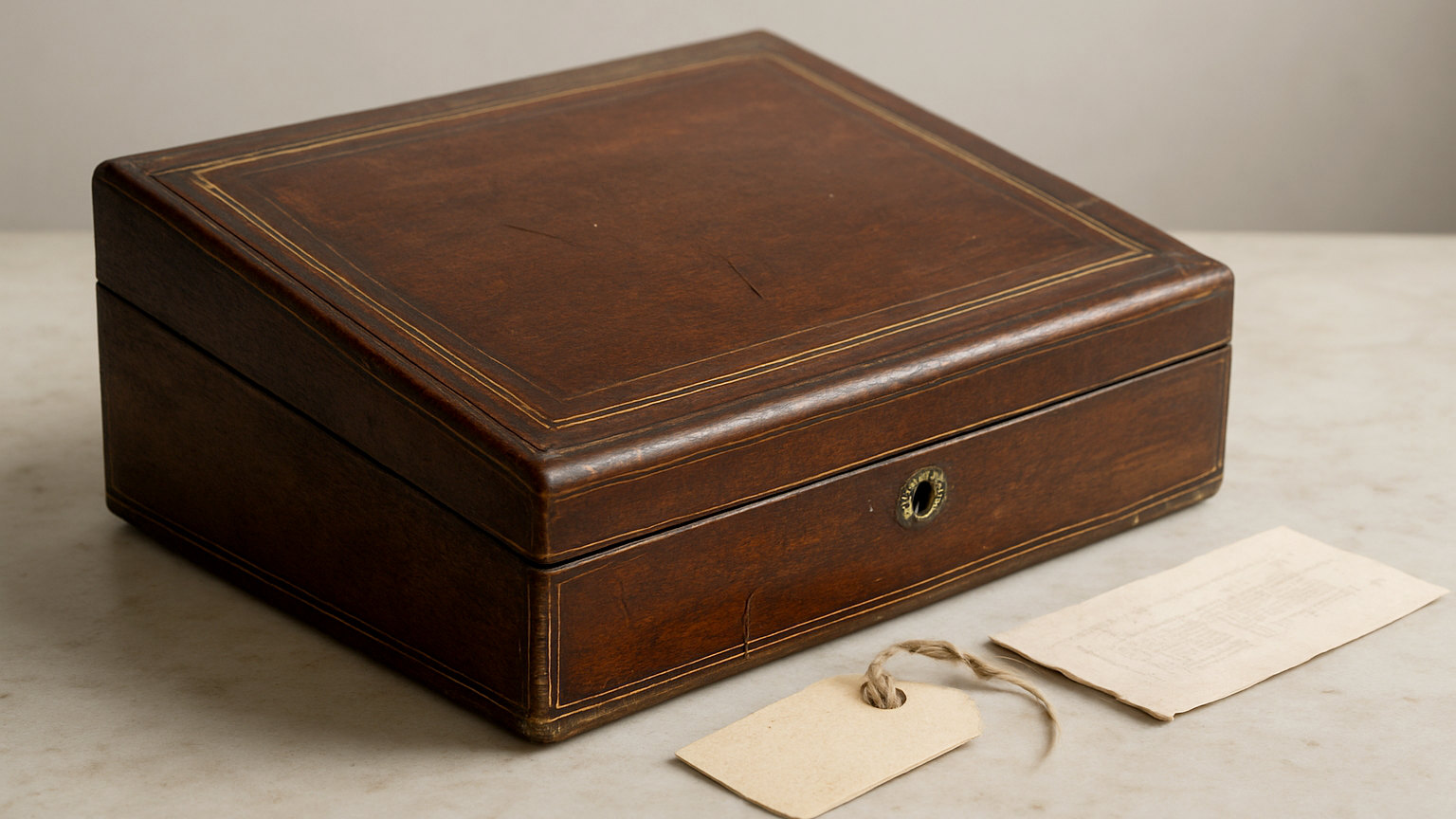
Stamped into the metal or the timber, usually in a position that would not be worn away by use. On planes look at the toe and on the blade itself, which may carry a different maker from the body.
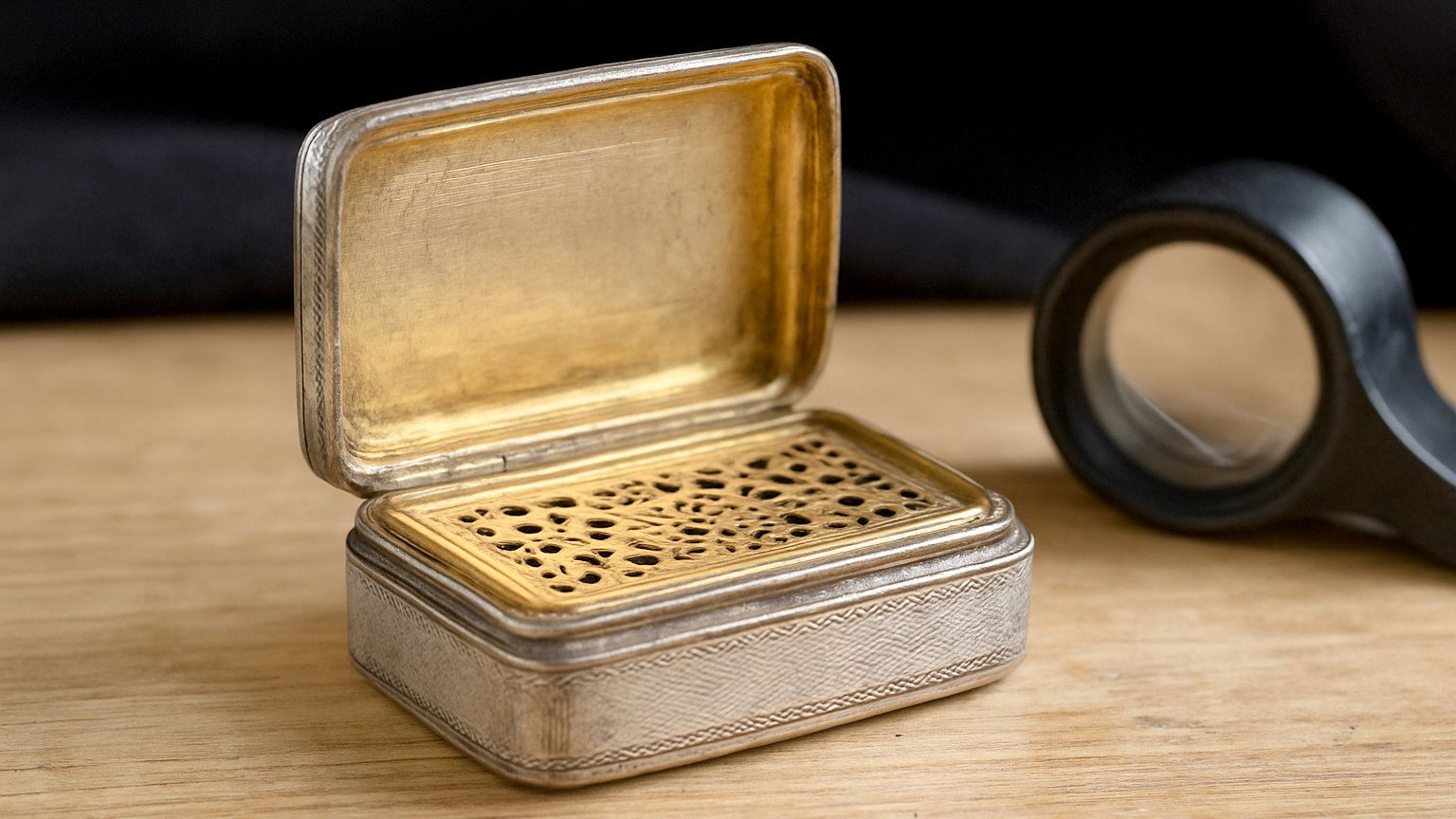
On instruments, look for engraving on the main tube, the base or the limb. Record the address as well as the name, since it dates the piece through directories. Many tools carry an owner name stamped alongside the maker, which is normal and occasionally traceable.
What should you avoid doing?
Cleaning to bare metal, sharpening a collectable blade, replacing a worn handle and repainting a japanned surface. Each removes original material that cannot be put back.
Remove active rust with the gentlest method that works, oil lightly to stabilise, and stop there. If you intend to use a tool rather than collect it, that is a legitimate choice, but sharpen a common example and leave the scarce ones alone.
Where do you find them?
House clearances, farm sales, general salerooms and specialist tool auctions. Ordinary general sales are where the bargains are, because cataloguers frequently group good tools into mixed box lots.
Specialist tool auctions reach the collectors who pay most, so they are the right route for selling and the wrong one for buying cheaply. Tool collector societies run regular meetings and are generous with expertise.
What should you check before buying?
That everything is present, since a plane missing its blade or an instrument missing its accessories is worth a fraction of a complete one.
Check for cracks in cast iron, which are difficult to repair, and for replaced parts that do not match. Handle the tool as though you intended to use it, because the way it feels usually tells you whether it was well made.