The instinct before selling is to make things look their best, and in this market that instinct is usually wrong. Cleaning, polishing, repairing and restoring all reduce value far more often than they add to it. The preparation that genuinely helps is almost entirely about information rather than appearance.
What should you not do?
Clean, polish, strip, repaint, refinish, resurface or repair anything. Every one of these removes original material, and original material is what buyers pay for.
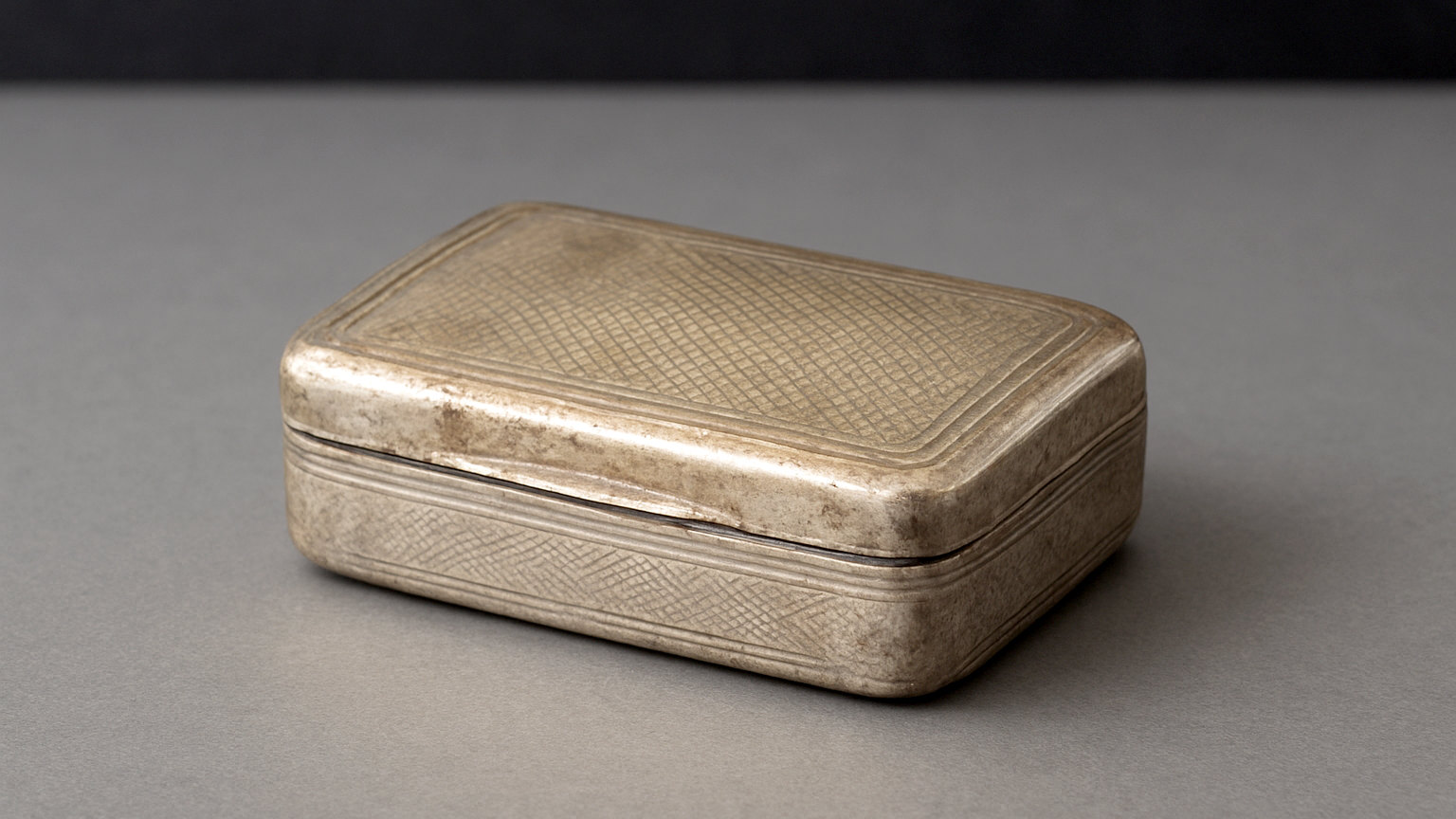
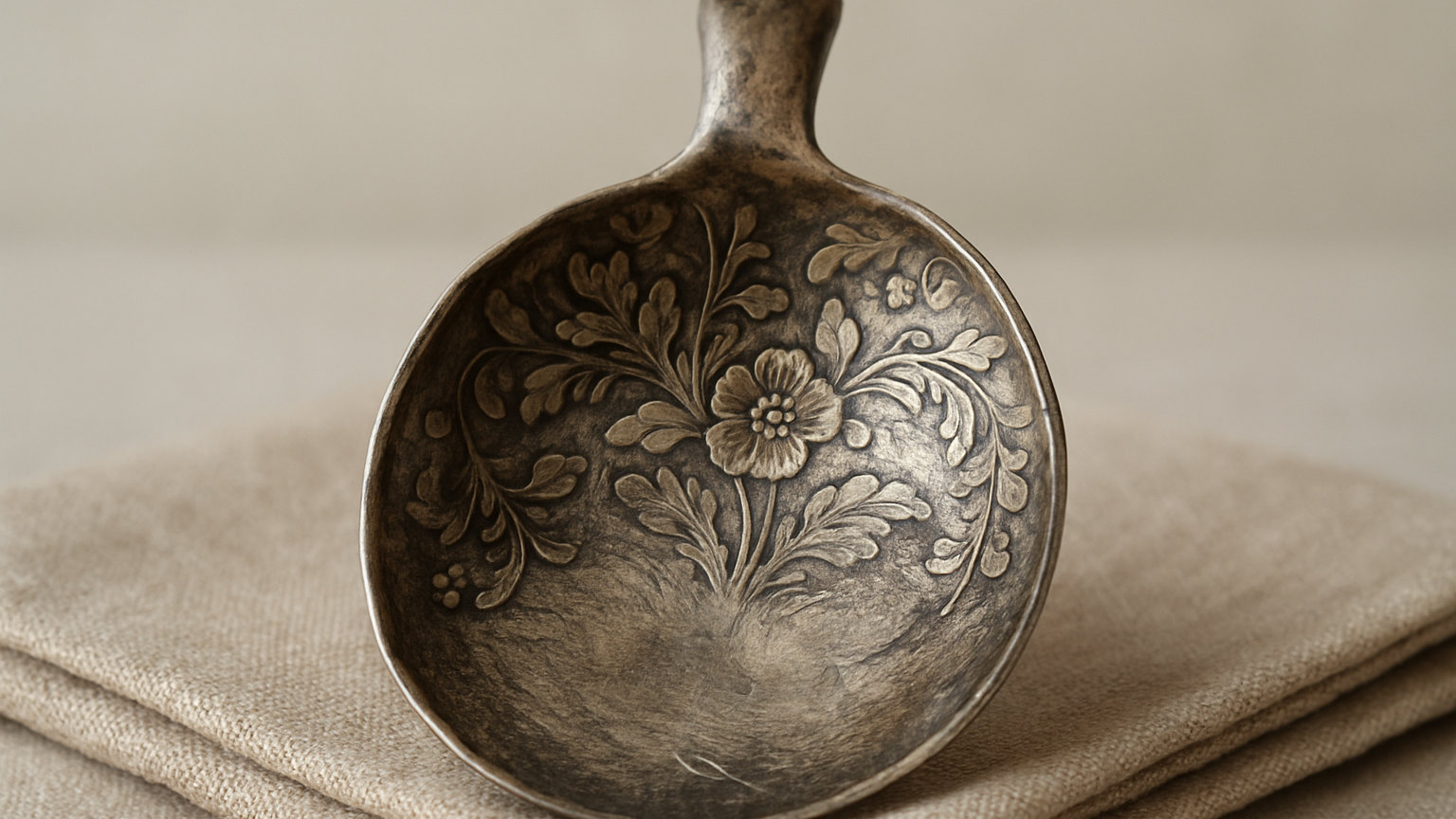
Specific examples: never polish coins or bronze, never strip furniture, never clean a painting, never refinish a watch dial, never repaint a toy, never remove patina from copper alloys. In each case the object is worth more as found.
Is any cleaning acceptable?
Removing loose dust with a soft brush, and nothing more on most things. On furniture, a barely damp cloth followed by a light wax and a good buff will revive a tired surface without removing anything.
Beyond that, stop. If an object is genuinely filthy in a way that obscures what it is, a specialist can advise, but the default should be to present it as it has survived rather than as you would like it to look.
What preparation actually helps?
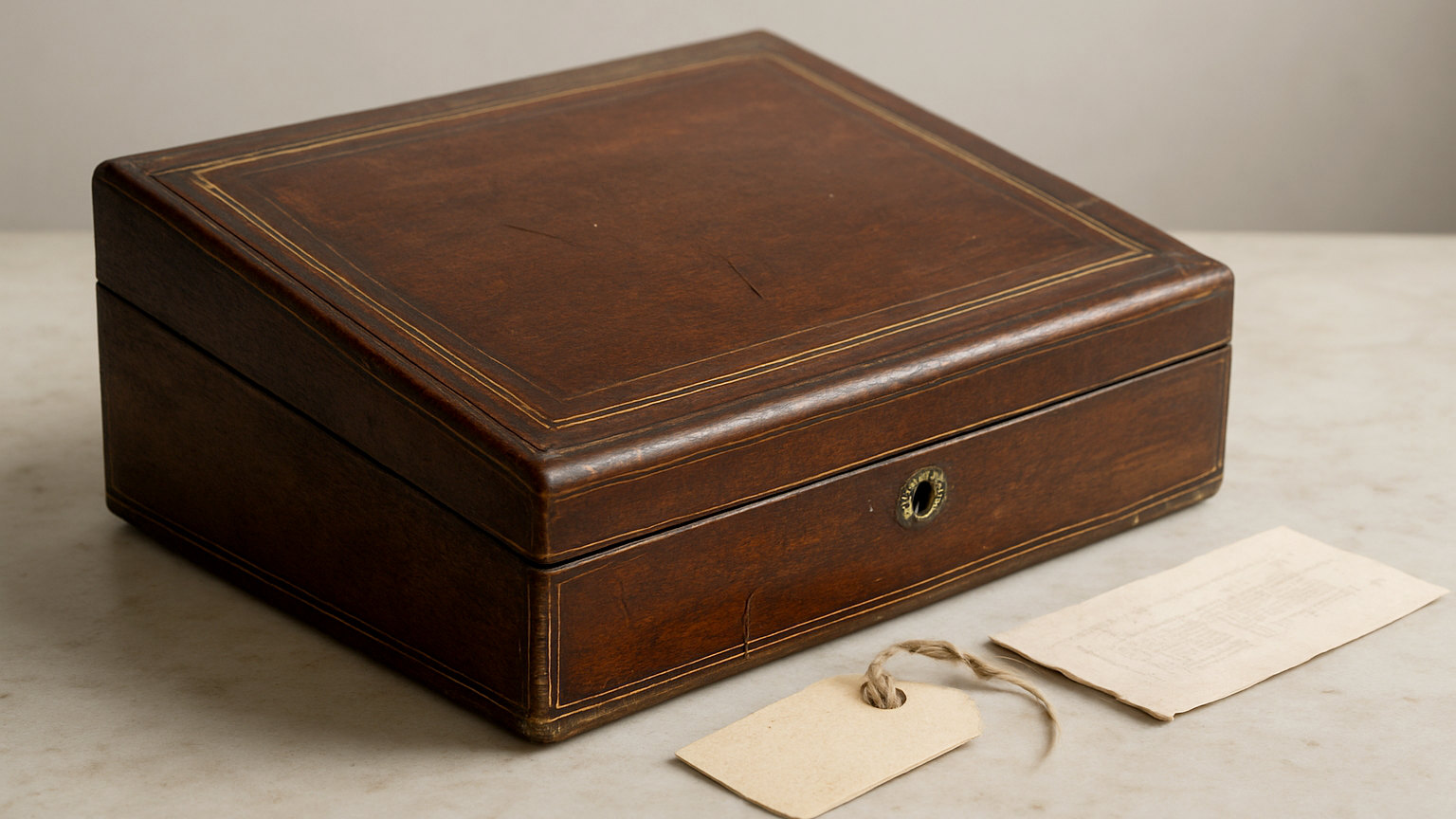
Gathering paperwork. Receipts, old valuations, letters, exhibition labels, photographs showing the object in a house, and any research you have done all add real money because they remove doubt for the buyer.
Documented provenance is one of the few things that reliably lifts a price. Assemble it, organise it chronologically, and provide copies with a short note explaining what each document shows.
What about missing components?
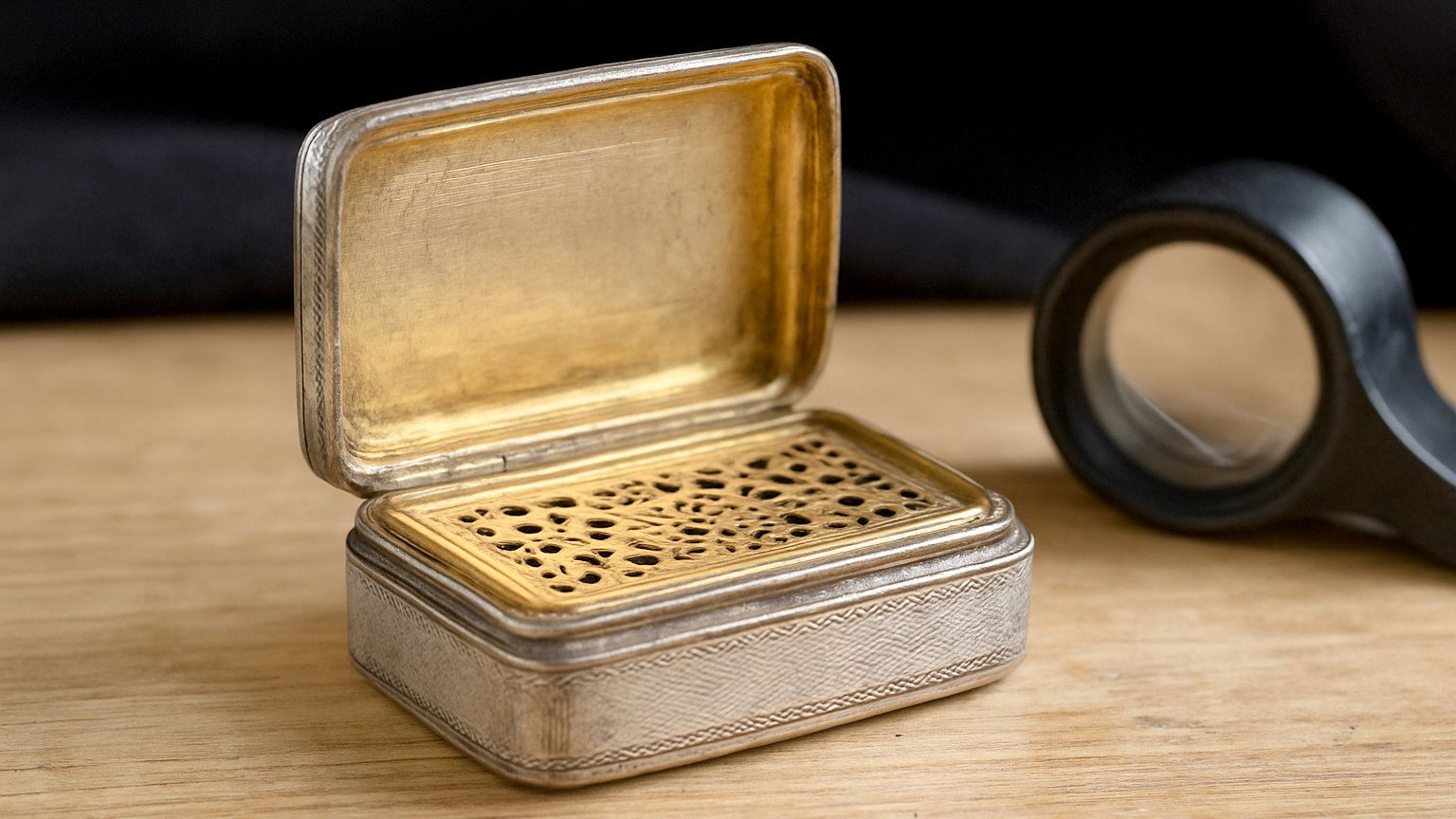
Find them. Keys, lids, liners, nozzles, spoons, shelves, leaves, drops and original boxes are frequently in another room, another drawer or the loft, and reuniting them adds substantially.
Completeness commands a premium in almost every category. Half an hour searching for a missing lid is likely to be the most profitable half hour in the whole process.
How should you photograph it?
In indirect daylight against a plain background, with the flash off. Front, three quarter view, back, base, close ups of every mark, and clear images of every fault.
Photograph the damage as carefully as the good bits. Buyers who discover undisclosed faults on arrival open disputes and leave poor feedback, and the cost of that far exceeds whatever a chip would have deducted from the price.
How should you describe condition?
Completely and specifically, listing every fault and its location. This raises rather than lowers what you achieve, because a buyer who trusts the description bids with confidence.
Say what you do not know as well. Describing an item as unidentified and listing the marks exactly as they read is entirely respectable and frequently produces strong bidding from people who enjoy identifying things.
What should you do about restoration?
Disclose it, in writing, whether or not you carried it out. Undisclosed restoration is the single commonest cause of dispute after a sale, and it is easily found with an ultraviolet torch.
If you do not know whether a piece has been restored, say that rather than asserting it has not. Buyers accept honest uncertainty and react badly to confident claims that turn out to be wrong.
What should you do first of all?
Find out what the object is, before deciding anything else. Identification changes the venue, the description, the estimate and the outcome more than any other single factor.
The most expensive mistakes in this market are made by people who sold something good through the wrong channel because nobody had established what it was. An hour of research or a free valuation day costs nothing and occasionally changes everything.
What about presentation on the day?
Keep it simple and honest. Group sets together so they are not split, keep components with their parent object, and label anything whose purpose is unclear.
Where an item has a fitted case, original box or instruction leaflet, present them together, since completeness commands a premium and a component sitting in another box is a component nobody counts.