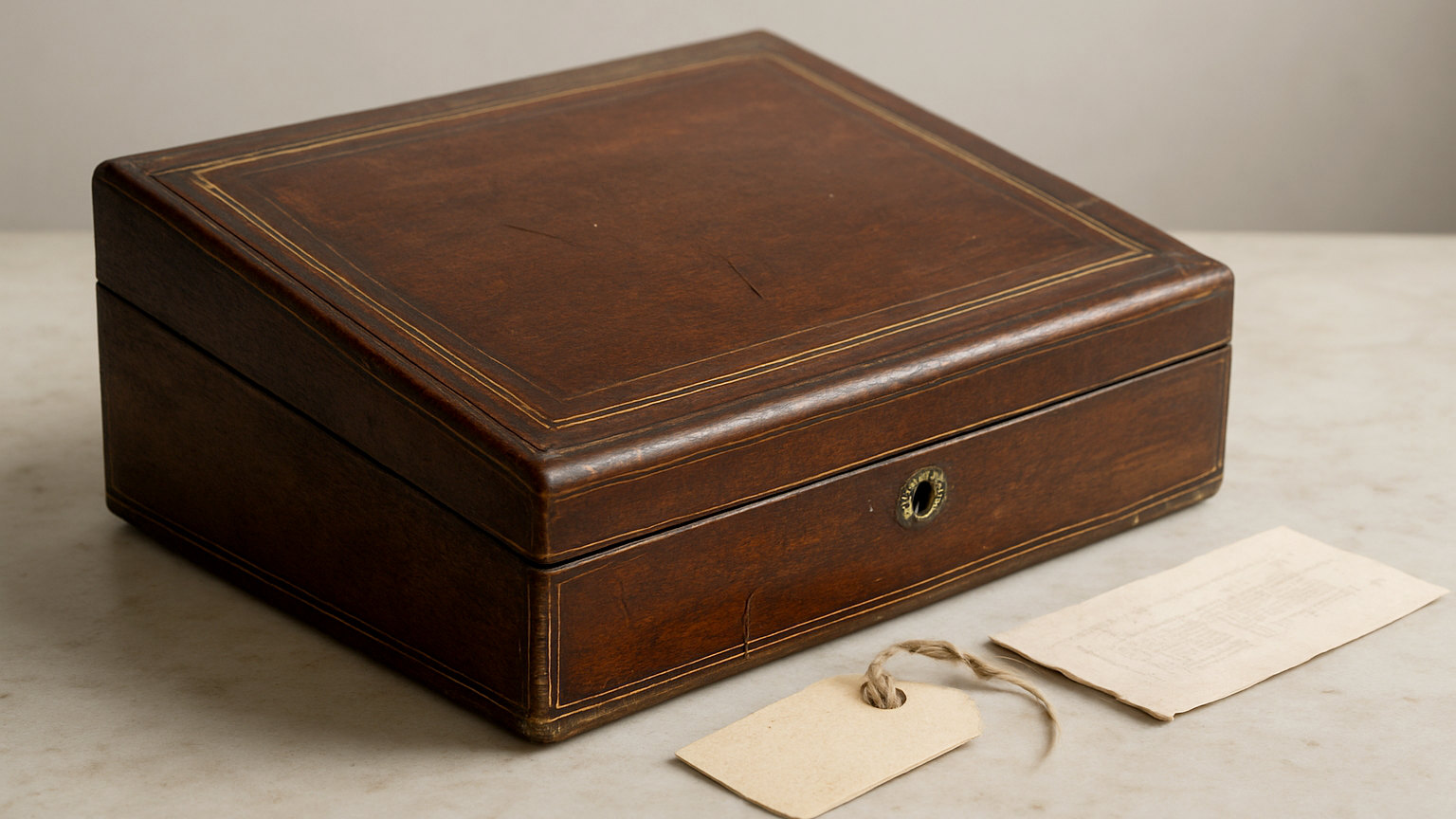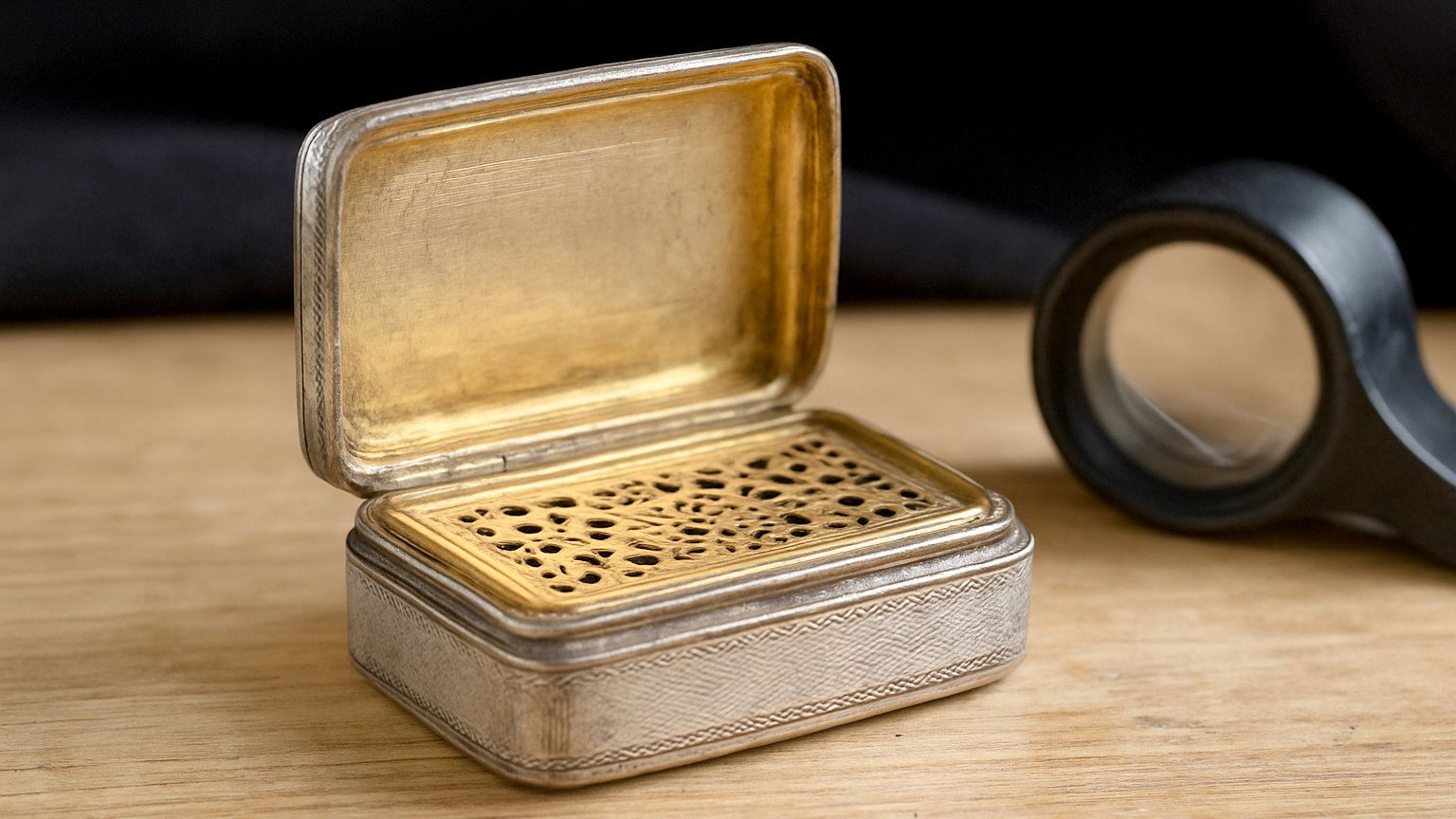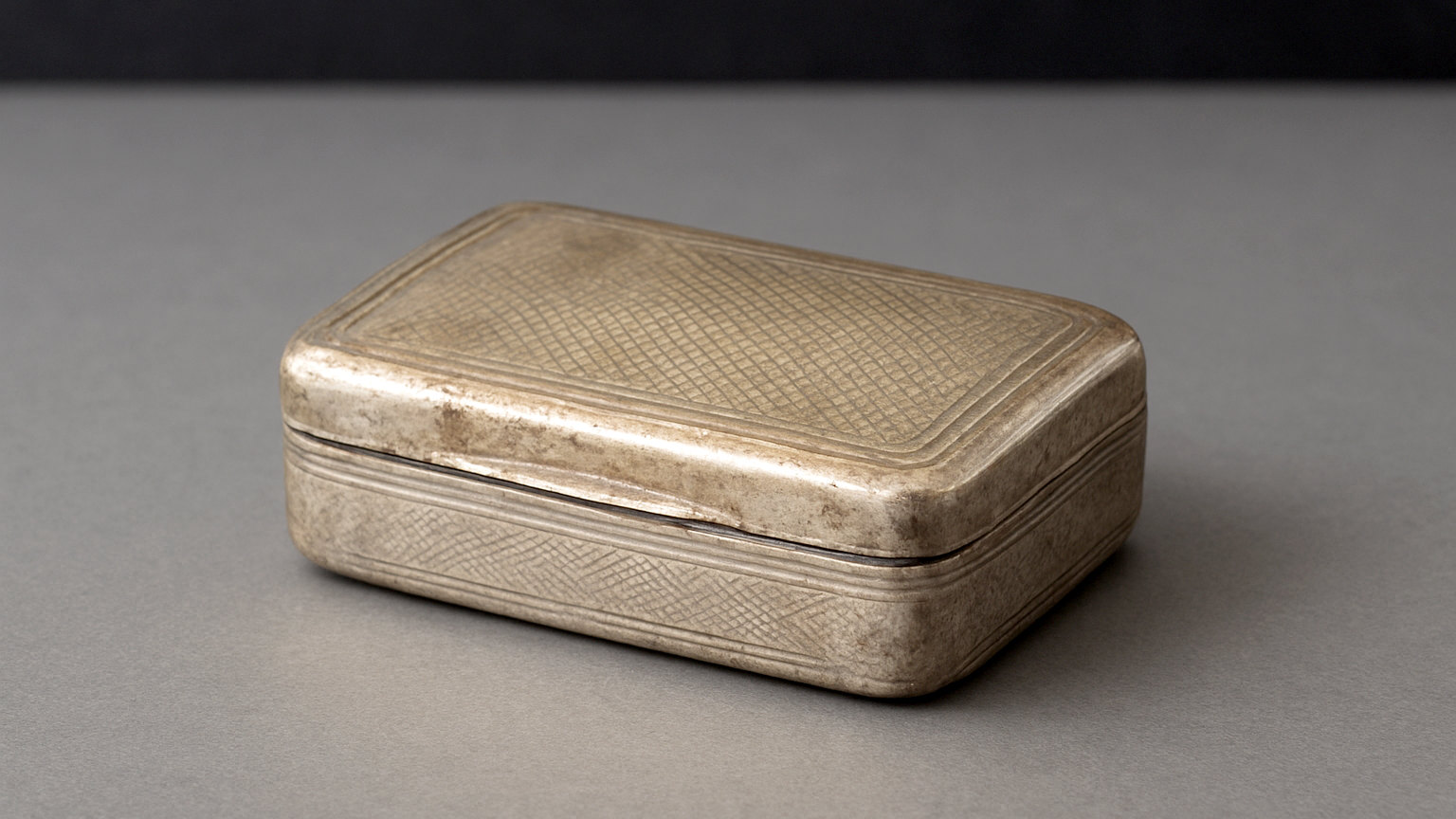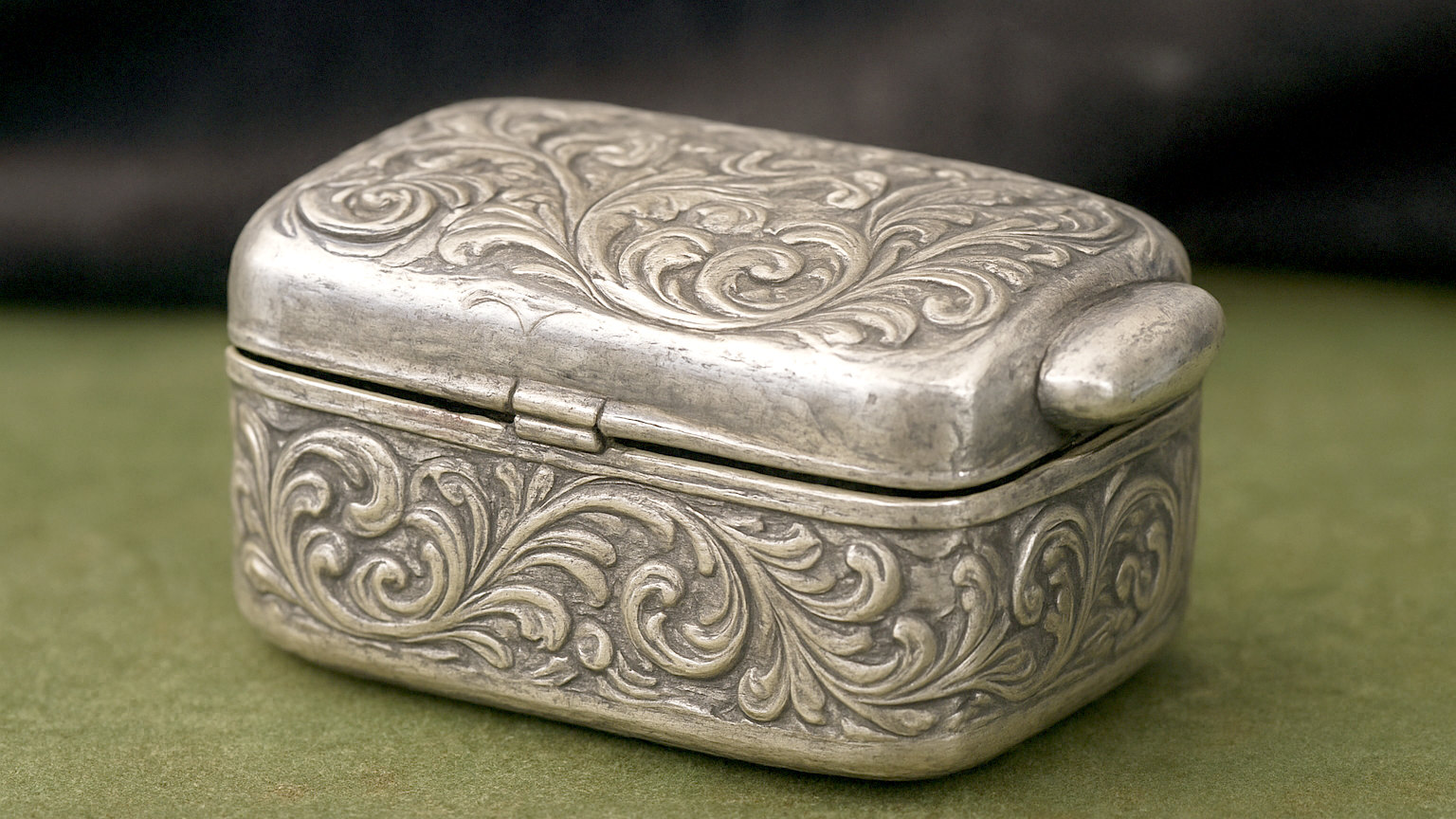
Online buyers cannot handle an object, so the photographs do all the work that a dealer would normally do in conversation. Two identical items listed on the same day can achieve very different prices purely on the quality of the images, and closing that gap needs no camera beyond the phone in your pocket.
What light should you use?
Daylight, indirect. Set up near a window on an overcast day or in a room where the sun is not falling directly on the object. Direct sunlight creates harsh shadows and blown out highlights that hide detail.
Turn the flash off. On camera flash flattens texture, kills the depth of a polished surface, and produces a hard reflection on anything glazed or glossy. If daylight is insufficient, use two lamps positioned on either side rather than one from the front.
What background works best?
Plain and neutral. A white or mid grey sheet, a roll of plain paper, or a clean uncluttered wall. The point is that nothing competes with the object for attention.
Avoid patterned carpet, kitchen worktops, garden furniture and rooms full of other possessions. Buyers read a cluttered background as carelessness and it lowers what they will bid. Curve the sheet up behind the object rather than leaving a hard line where floor meets wall.
Which shots should every listing have?
A straight on view of the front, a three quarter view showing depth, a view of the back, and a full view of the base or underside. Then close ups of any mark, signature or hallmark, and close ups of the decoration.
Include something for scale in at least one image and give measurements in the text as well. For furniture, photograph the piece in a way that shows its proportions honestly rather than from a low angle that exaggerates its presence.
Should you photograph the damage?
Always, clearly and in close up. This feels counterintuitive and it raises the price rather than lowering it, because it builds confidence in everything else you have said.
Buyers who discover undisclosed damage on arrival open disputes, leave poor feedback and return items, and the cost of that far exceeds whatever a chip would have deducted. Photograph every chip, crack, repair, missing part and area of wear, and describe each one in the text.
How do you photograph difficult materials?
Silver and other reflective metals will mirror everything around them, including you. Shoot from slightly to one side, wear dark clothing, and diffuse the light through a thin white sheet or tracing paper to soften reflections.
Glass needs light passing through it, so place it against a bright background or backlight it. Paintings should be photographed square on with even light from both sides, ideally out of the frame or with the glass removed, since glazing reflects the room back at the camera.
How much editing is acceptable?
Straightening, cropping and modest brightness or contrast adjustment are all reasonable, because they show the object as it appears in person. Anything that changes what the buyer will receive is not.
Do not remove blemishes, do not saturate colours beyond life, and do not use filters. If the edited image looks better than the object, you have created a dispute for yourself. The test is simple: would a buyer holding the item in their hands agree that the photograph was an accurate record of what they received? If the answer is anything other than yes, the edit has gone too far.
What should the description do?
Support the images rather than repeat them. Give dimensions and weight, state any marks exactly as they read, describe condition honestly including everything visible in the photographs, and say what you do not know rather than guessing.
Avoid claiming an attribution you cannot support. Describing a piece as in the style of something is honest; describing it as by a named maker without evidence invites a return and, on some platforms, worse. Accuracy costs you nothing and protects the sale.