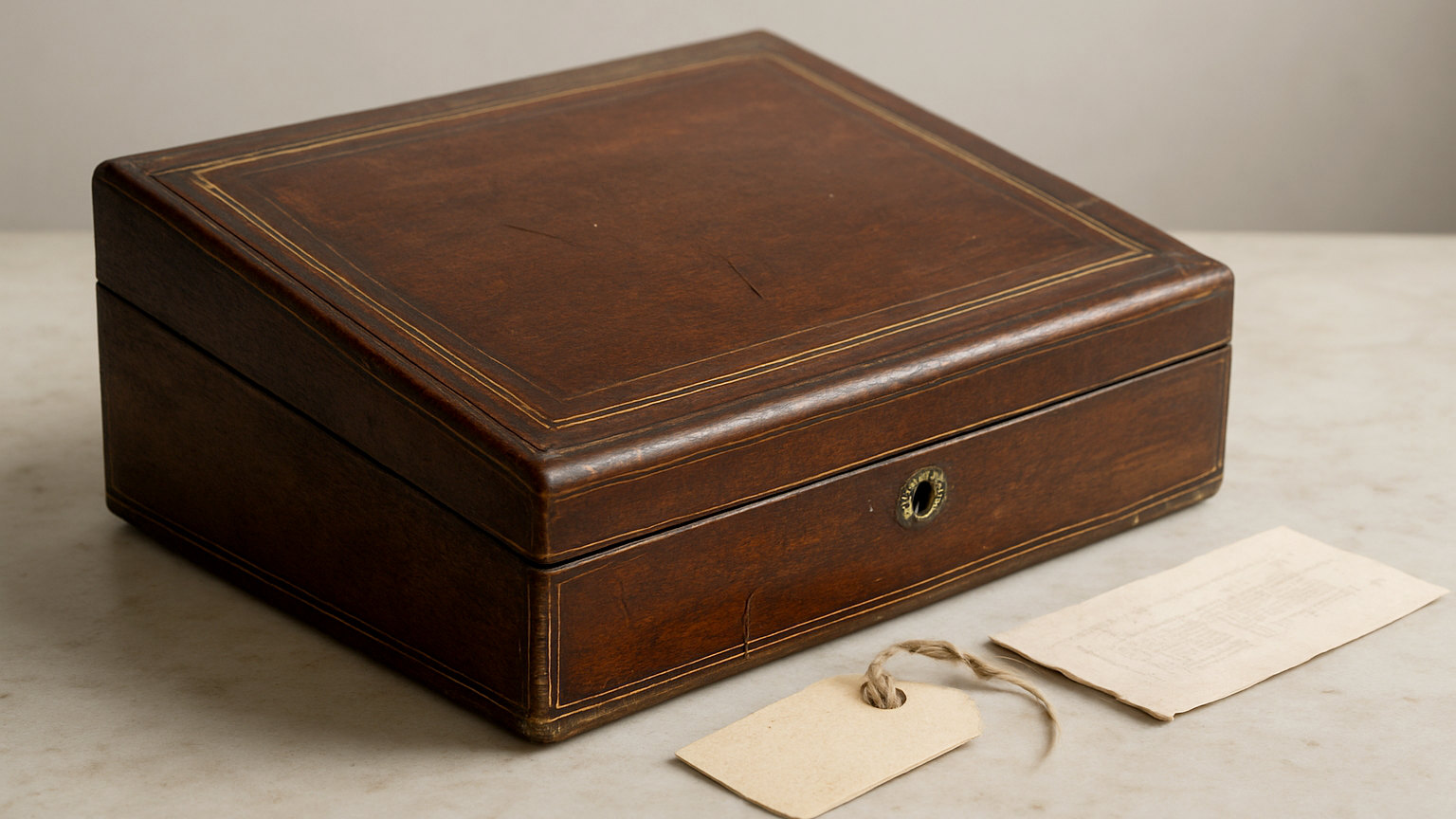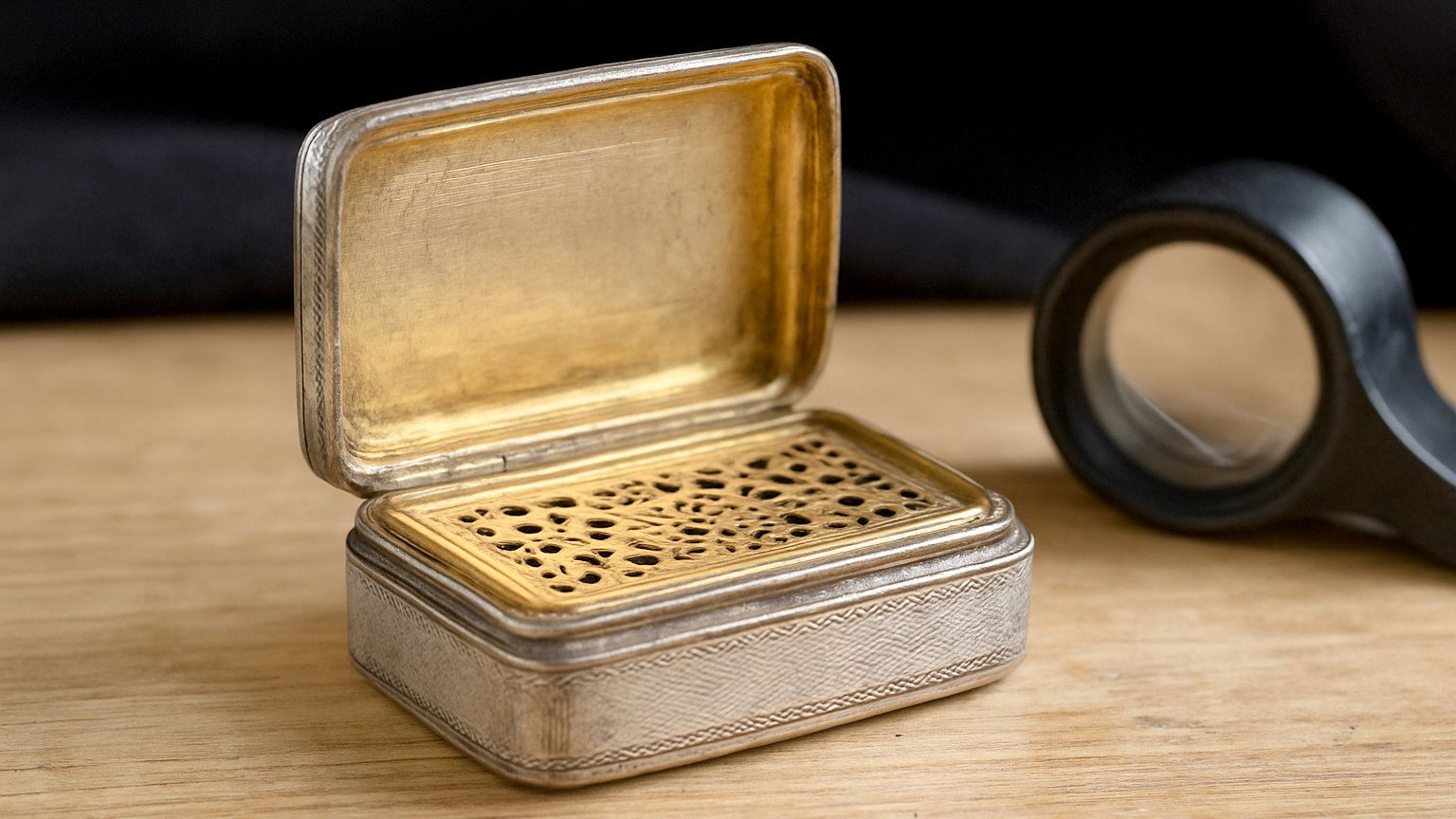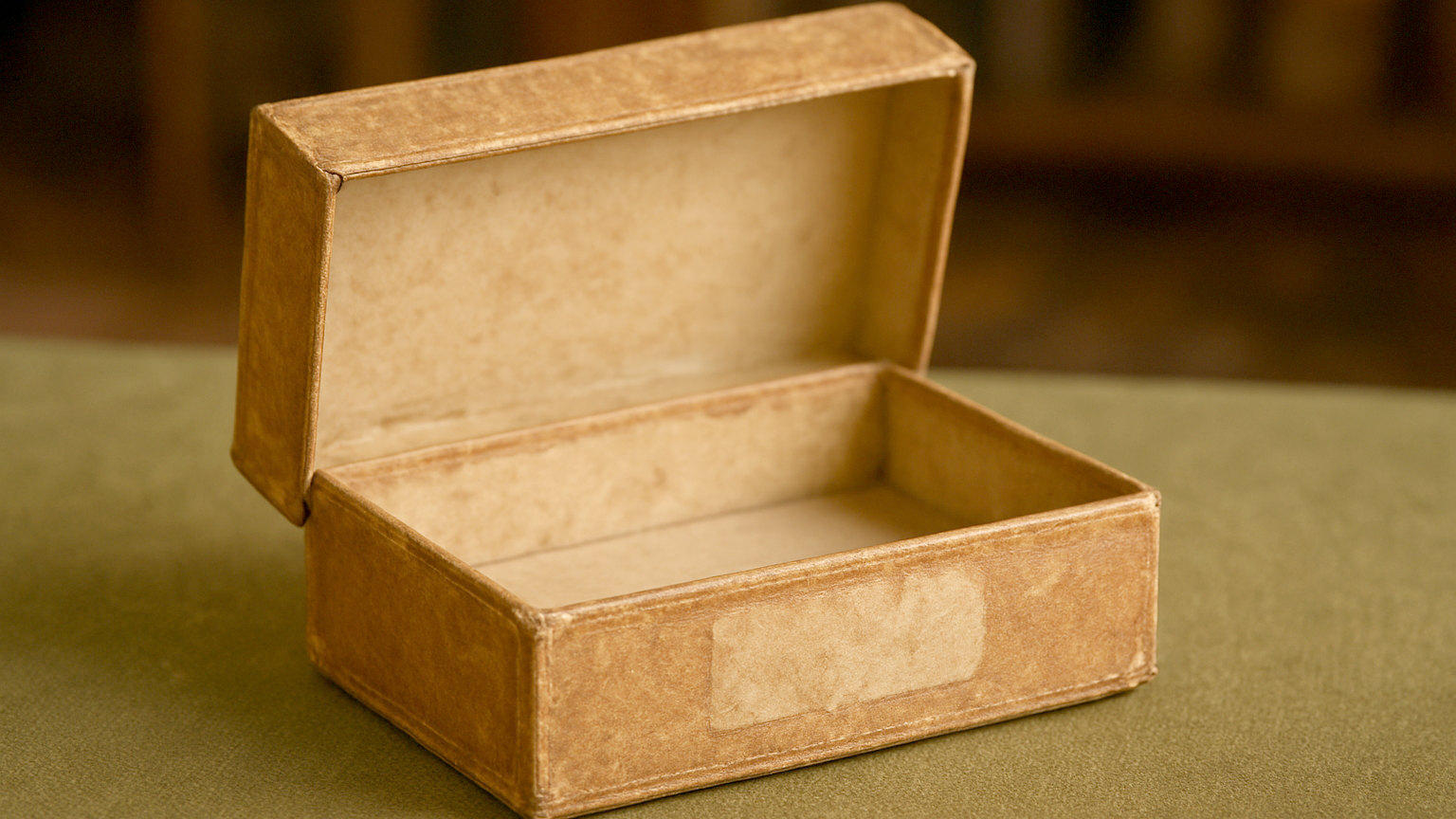
In several collecting fields the box is now worth more than what came in it, which strikes most people as absurd until the arithmetic is explained. It is not sentimentality or fashion. It is the direct consequence of one behaviour repeated by almost everybody for a century: keep the object, throw away the wrapping.
Why is packaging so scarce?
Because it was designed to be discarded. A box protected an item in transit and on a shelf, and once the item was in use the box had no function. It went in the bin the same afternoon in the overwhelming majority of cases.
Meanwhile the object itself was kept, used, and frequently passed on. So survival rates for the two diverged enormously, and the wrapping that was originally worthless became the scarce component.
Which categories does it affect most?
Toys above all, where a boxed die cast model can be worth several times the same model played with. Watches, where the original box and papers can add substantially. Cameras, radios and early technology. Ceramics and glass sold in presentation boxes.
It extends well beyond boxes. Instruction leaflets, guarantee cards, catalogues, inner packing pieces, tissue wrapping and fitted cases all count, and the small paper items are frequently scarcer than the box itself because they were even more readily binned.
What does the box actually prove?
Which variation you have. Manufacturers changed colours, wheels, fittings and details during production runs while the catalogue number stayed on the packaging, so the box identifies exactly which version an object is.
That matters enormously where one variation is common and another scarce. Without the box, a rare colour is difficult to distinguish from a repaint or a common version, and buyers discount accordingly. With it, the identification is settled.
How is box condition graded?
Separately from the item, and descriptions state both. A listing might read excellent item in a good box, meaning the object has survived better than its packaging.
Look for crushed corners, split edges, tape repairs, price stickers, writing, fading and water staining. Sunlight fades printed colours quickly, so a box that has stood on a shelf facing a window often shows one side noticeably paler. End flaps are the first part to fail, since they were opened repeatedly.
Are reproduction boxes a problem?
Yes, and they are made in quantity for the more valuable models. A convincing reproduction box on a common item can add a great deal to an asking price dishonestly.
Reproductions usually print slightly too cleanly, with colours that are marginally too bright and blacks that are rather too dense. The card frequently feels different as well, being smoother, whiter and more uniform in thickness than period board, which was made to a lower standard and shows it. Genuine boxes soften at the corners and edges from decades of handling in a way that is difficult to imitate.
How should packaging be stored?
Flat, supported and out of light. Card is far more vulnerable than the object it held, and the two main enemies are damp and sunlight.
Support the sides so a box cannot crush, avoid stacking anything heavy on top, and never use adhesive tape on a box, since the residue damages printed surfaces permanently. Keep boxes away from lofts and garages, where temperature swings and condensation do most of the damage this material suffers.
What should you do with modern packaging?
Keep it, if you have room. The pattern has repeated with every generation of collectable, and the packaging discarded today is the scarce component in twenty years.
Flatten boxes only if they were designed to be flattened, since creasing a rigid box breaks the board along the fold and that damage cannot be undone. Store the paperwork inside the box with the item rather than filing it separately, because reuniting an object with its documentation years later is usually impossible and the pairing is most of the value.