Why Do Antique Valuations Differ So Widely?
Two competent valuers can give very different figures for the same object, and the gap usually reflects the market rather than an error.
By Antique Guides Editorial
22 Apr 2026

There is no single value for an antique. There is an insurance value, a probate value, an auction estimate, a dealer's offer and the price it eventually sells for, and on the same object those five numbers can differ by a factor of ten. Most disappointment in this trade comes from comparing one to another. These guides explain what each figure means, where the reliable price evidence lives, how to read a realised auction result rather than an asking price, and how to sell without giving away the margin.
Two competent valuers can give very different figures for the same object, and the gap usually reflects the market rather than an error.
Antique prices track interior fashion far more closely than they track quality or age, which explains most of what has happened to the market.
Free valuation days, auction estimates, written reports and paid appraisals are four different products, and only some of them are independent of whoever wants to buy your item.
Size affects price more than almost anything except condition, and it works in both directions depending on the category.
An object you cannot name can still be assessed on material, quality and construction, and doing that first makes any expert opinion far more useful.
Condition moves antique prices further than age or rarity, and the same damage costs very different amounts depending on the category.
Provenance adds money because it removes the largest risk a buyer carries, which is doubt about whether an object is what it claims to be.
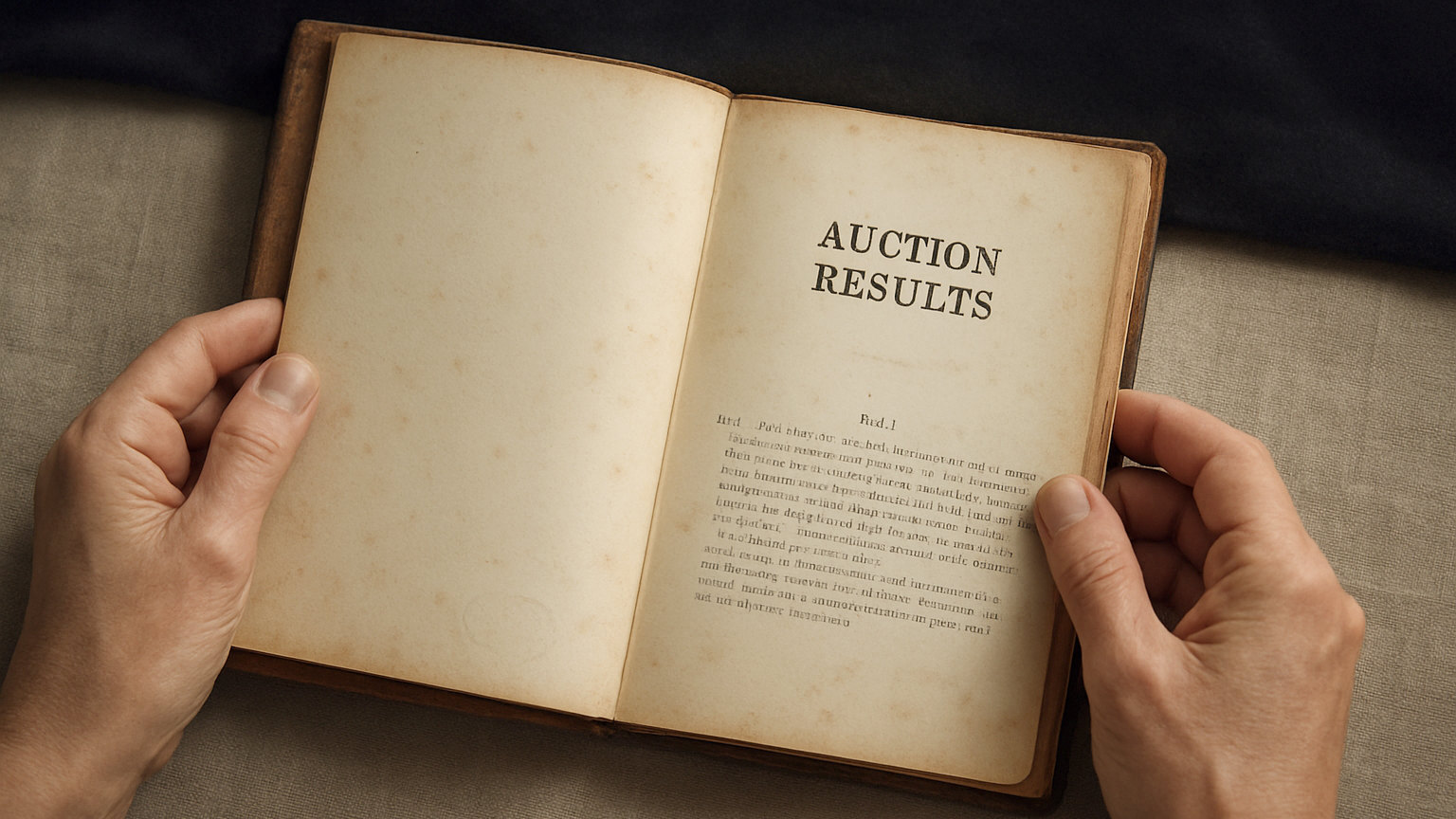
Auction result archives are the strongest price evidence available to the public, because they record completed sales rather than hopeful asking prices.
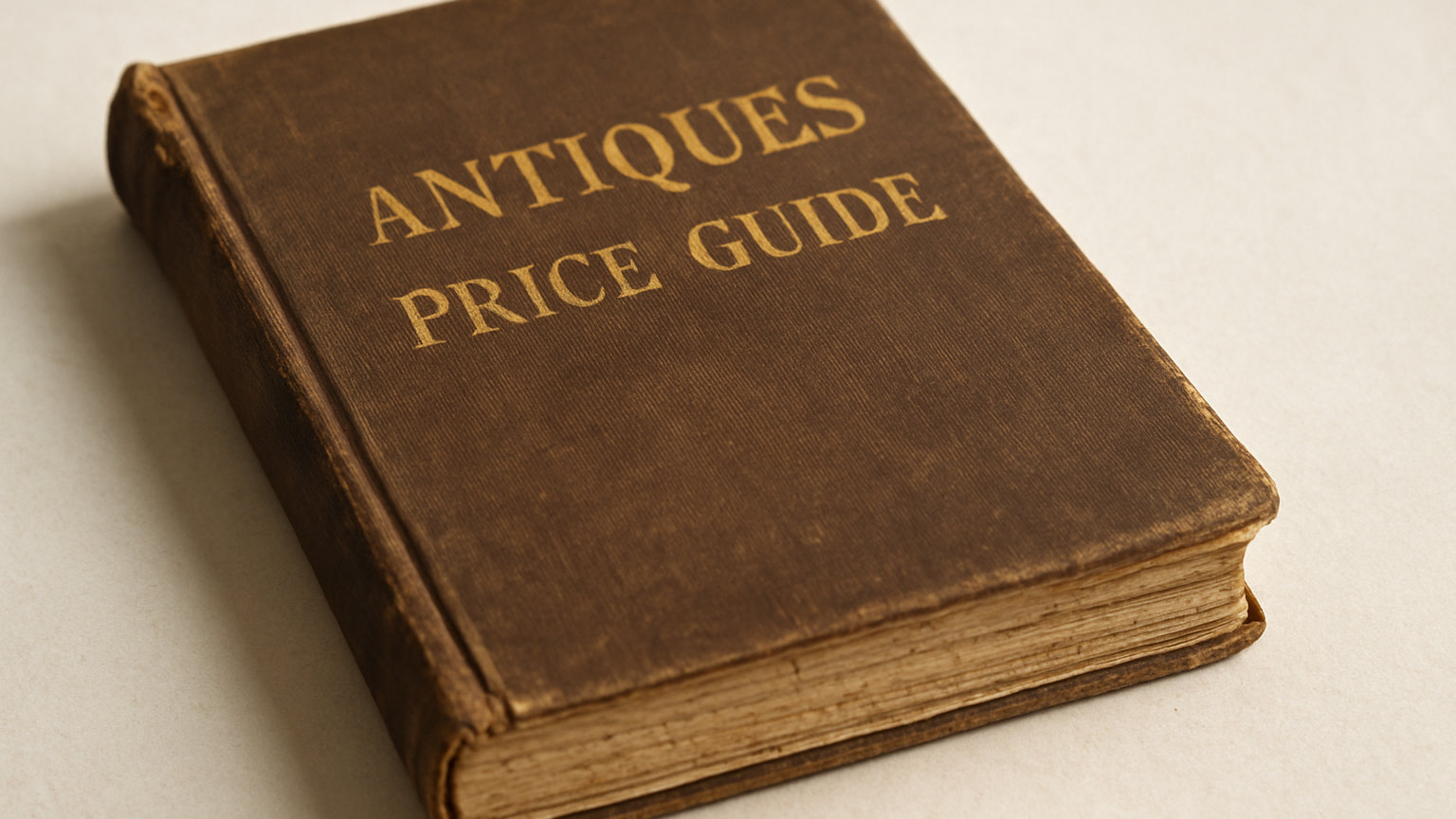
Printed price guides describe the market as it was when they were written, which on some categories is a very different market indeed.
There is no single value for an antique. The number you need depends on why you are asking, and the evidence that answers it is records of completed sales.