Auctions are efficient places to buy antiques and they are also designed, quite openly, to make you bid once more than you intended. The increments are small, the pace is fast, and losing feels worse in the moment than overpaying does. Almost every regret in the saleroom traces back to a limit that was never actually set.
What should you do before the sale?
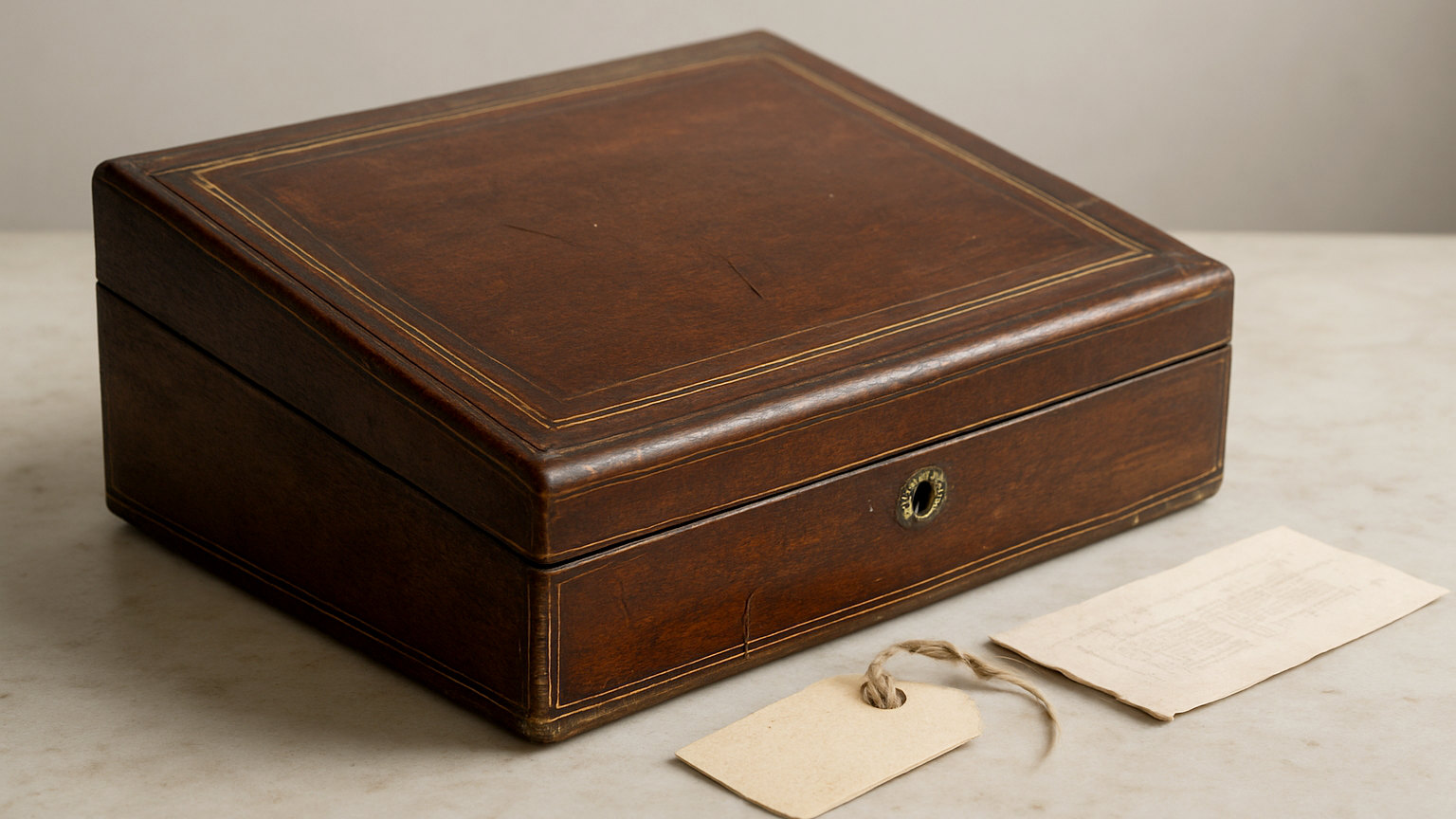
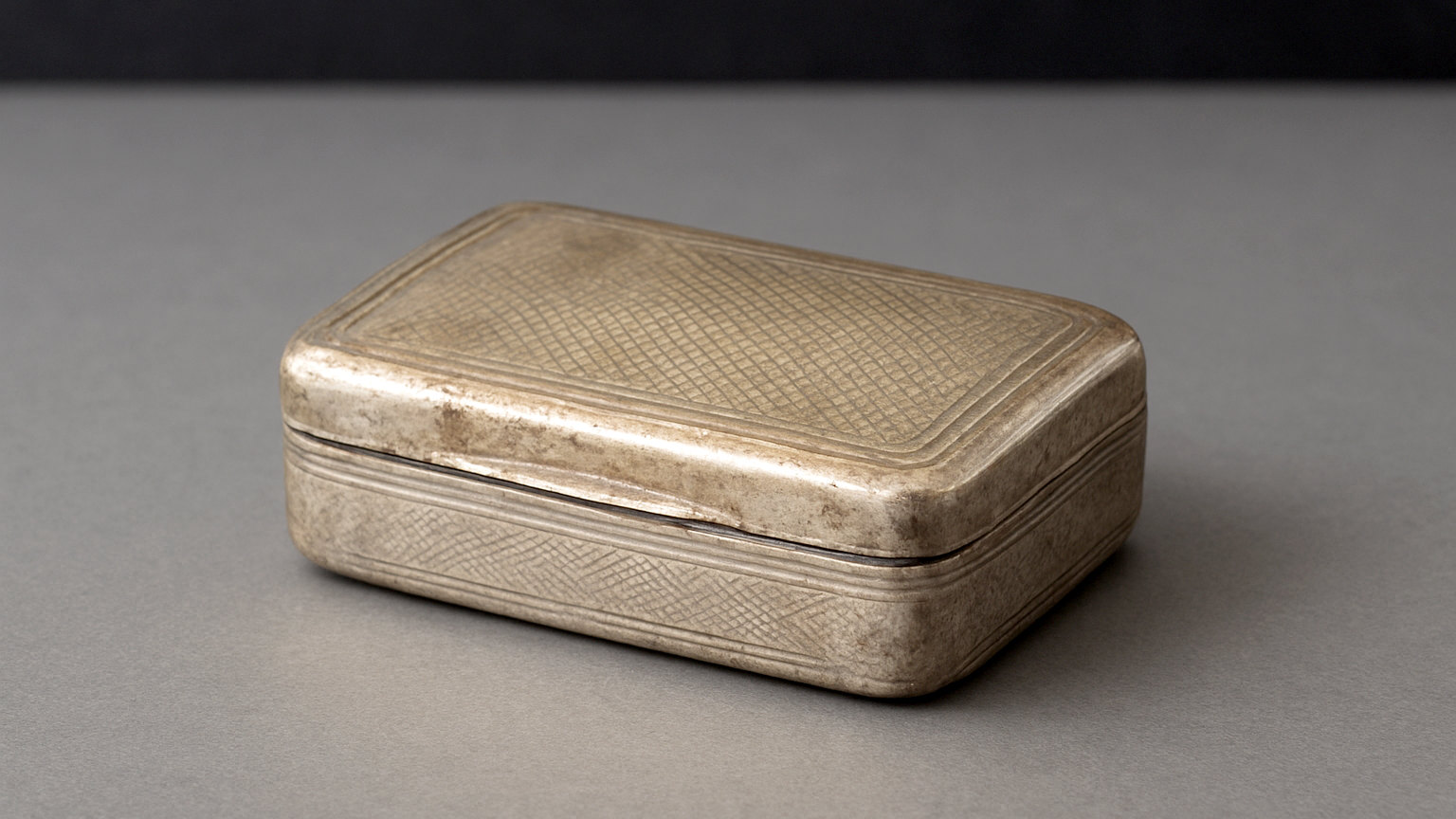
Attend the viewing. This is the part inexperienced buyers skip and it matters more than anything that happens on the day, because a catalogue photograph will not show you a crack, a replacement or a repair.
Handle the lot, turn it over, look at the underside and inside, and check for damage the description may summarise briefly. Ask the staff questions, since specialists at viewings will generally tell you plainly what they know about a piece.
How do you set a sensible limit?
Work backwards from the total you are willing to part with. Take that figure, deduct the buyers premium and any tax on it, deduct anything you will spend on collection or transport, and deduct the cost of any restoration the piece needs. What remains is your maximum bid.
Write it down before the sale starts and treat it as fixed. The number that matters is your total cost, not the hammer price, and the premium is large enough that ignoring it will push you well past what you intended to spend.
What is in the conditions of sale?
The terms you are agreeing to by bidding, and they are worth ten minutes of reading. They set out the premium rate, what taxes apply, when payment is due, when collection must happen and what storage charges begin afterwards.
They also explain any symbols beside lot numbers, which flag additional charges or special circumstances. Crucially, they define the extent of any guarantee about authenticity and how long you have to raise a problem. Most lots are sold as seen, and the viewing is your opportunity to inspect.
What are the ways to bid?
In the room, by telephone, by absentee bid left with the auctioneer, or online through a bidding platform. Each suits different circumstances.
An absentee bid is the strongest discipline, because you commit a maximum in advance and the auctioneer bids on your behalf up to it, buying at the lowest increment necessary. Telephone bidding suits higher value lots. Online bidding is convenient and usually carries an additional fee on top of the normal premium, so check that before deciding.
How does the bidding actually work?
The auctioneer opens below the low estimate and raises in set increments. There is no need to shout: a clear raised hand or catalogue is enough, and once you have bid the auctioneer will look to you for the next one.
You may see the auctioneer taking bids off the wall, meaning bids against the reserve rather than from a real bidder, which is a normal and permitted practice up to the reserve figure. Do not be drawn by pace. If your limit passes, stop bidding and let it go.
What happens after you win?
You are legally committed. Register before the sale and you will be given a paddle number; the lot is knocked down to that number and an invoice follows including the premium and any applicable tax.
Payment is normally due immediately or within a short window, and collection soon after, with storage charges accruing once the free period ends. Arrange transport in advance for anything large, because salerooms rarely have space and the charges add up faster than people expect.
What mistakes cost buyers most?
Bidding on a lot they have not viewed, forgetting the premium, and getting drawn into competition with one other bidder. That last one is the expensive one, because at that point you are bidding against a person rather than valuing an object.
Another sale will come. Almost nothing in the antiques market is genuinely unrepeatable, and the discipline of walking away from a lot that passed your limit is what separates buyers who do well over years from those who do not.