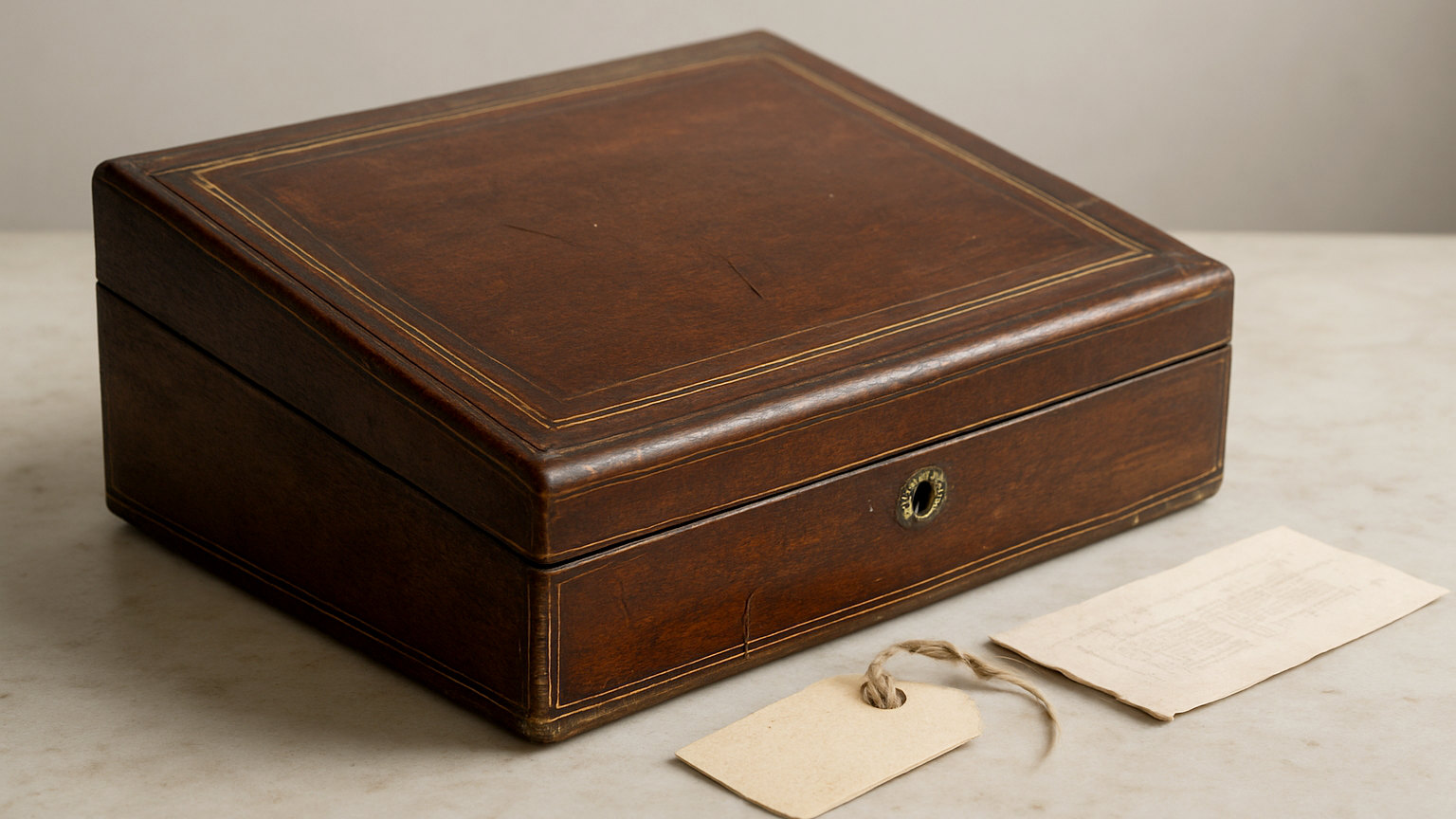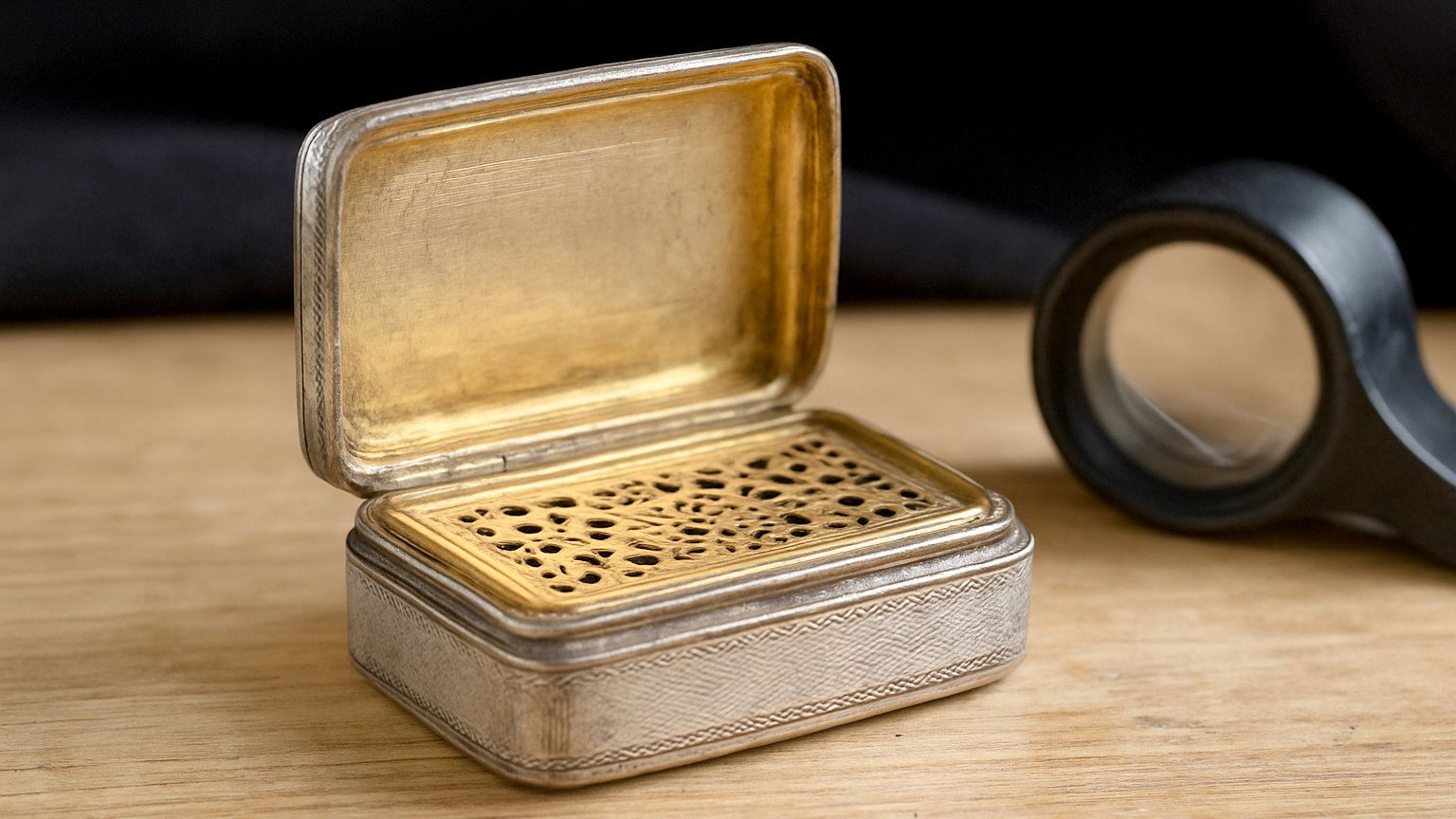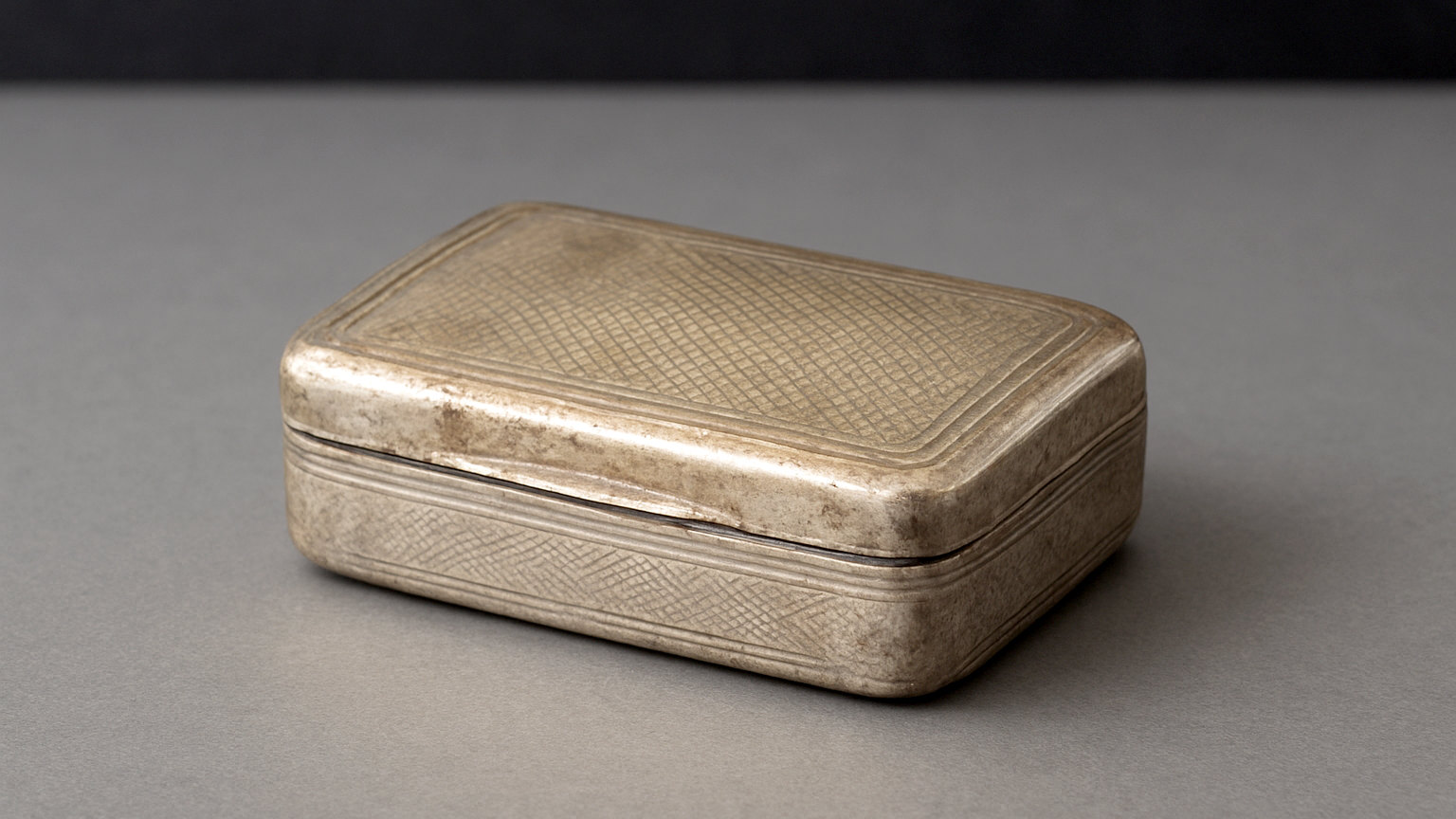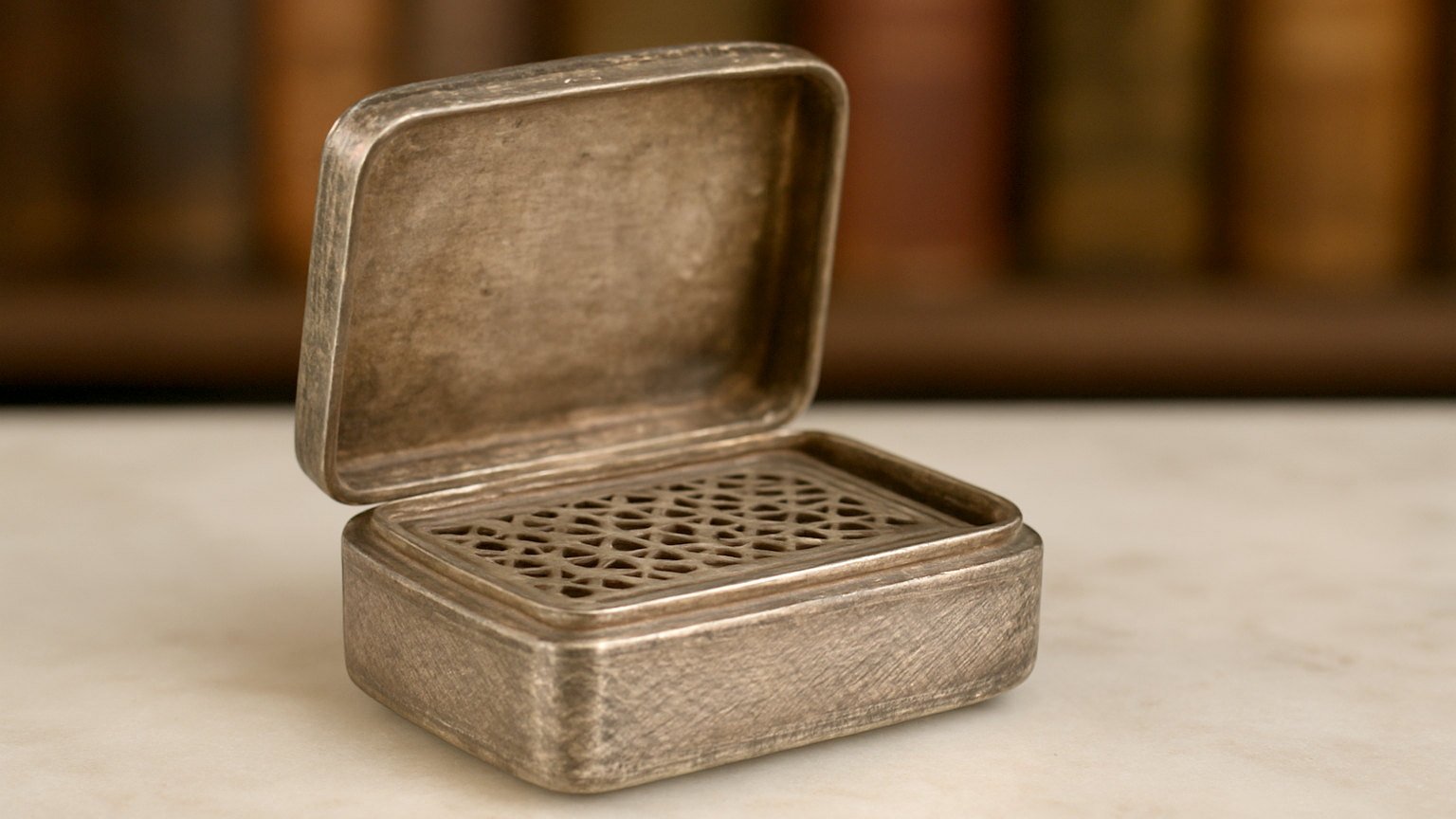
Every so often an ordinary looking object from a house clearance turns out to be worth a serious sum, and the stories travel widely. What the stories rarely explain is why, and understanding the mechanism is far more useful than memorising a list of lucky finds.
Why is rarity alone worth nothing?
Because price needs two people who want the same thing. An object can be genuinely unique and still worthless if nobody collects that category, and a great many scarce items are scarce precisely because they never sold well in the first place.
Value appears where scarcity and demand overlap. A mass produced item with a huge collector base can be worth more than a one off nobody is looking for. When you assess something, ask who wants it before you ask how rare it is.
Which everyday objects are most often undervalued?
Things that were used and thrown away. Original packaging, printed ephemera, catalogues, instruction leaflets and paper labels survive in tiny numbers relative to the objects they accompanied, and collectors pay heavily for them.
Early advertising material, shop display items and trade signs do well for the same reason. So do working tools from specialised trades, since they were used until they broke. The common thread is that nobody thought to keep them.
What makes one example worth far more than another?
Condition, completeness and originality, in that order for most categories. Two apparently identical objects can differ tenfold because one has its original finish and the other has been cleaned or repainted.
Variations matter enormously in mass produced categories. A colour produced for one short period, an early version before a design change, or a factory error can separate a common item from a scarce one while looking almost the same on a shelf. This is why the details in a description are worth reading carefully.
Does provenance really add value?
Substantially, when it is documented. Provenance means a recorded history of ownership, and it matters because it removes doubt about authenticity, which is the single largest risk a buyer carries.
A receipt, an old inventory, an exhibition label, a letter or a photograph of the object in a known house can add a great deal. Family belief is not provenance. A story passed down without paperwork adds nothing at auction, however sincerely it is held.
Which categories have risen and fallen?
Taste moves, and it moves further than people expect. Large brown furniture, formal dinner services and figurines that commanded strong prices a generation ago now sell for a fraction of it, because households changed and demand collapsed.
Meanwhile mid twentieth century design, studio ceramics, vintage watches, early technology and quality tools have risen sharply. If you inherited a collection assembled decades ago, do not assume the values you remember still apply in either direction.
How should you check something before disposing of it?
Photograph it properly, look for marks, measure it, and search completed sales rather than asking prices. Fifteen minutes of research costs nothing and occasionally saves a great deal.
Be particularly careful with anything about to go in a skip during a house clearance. Boxes of paper, old tools, tins, jars, sewing items and toys are where undervalued things most often hide, because they look like rubbish and frequently are, until they are not.
What should you never do to a promising find?
Clean it. This is the most expensive instinct in the entire field, and it applies to coins, bronze, furniture, toys and paintings alike. Original surface is what collectors pay for, and it cannot be put back once removed.
Do not repair, repaint, sharpen or polish anything before it has been assessed. Take it to a valuation day exactly as you found it. A specialist would far rather see a dirty original than a bright restored one, and will usually say so before looking at anything else. Photograph it as found as well, since that record is useful if the surface is later disturbed.