Ceramics are the most consistently marked of all antique materials, because factories competed on reputation and wanted their name on the base. Better still, they revised those marks frequently, so a backstamp often narrows a piece to a decade or less. Learning to read one is the fastest route from an unidentified plate to a factory, a date and a value.
Where do you find the mark?
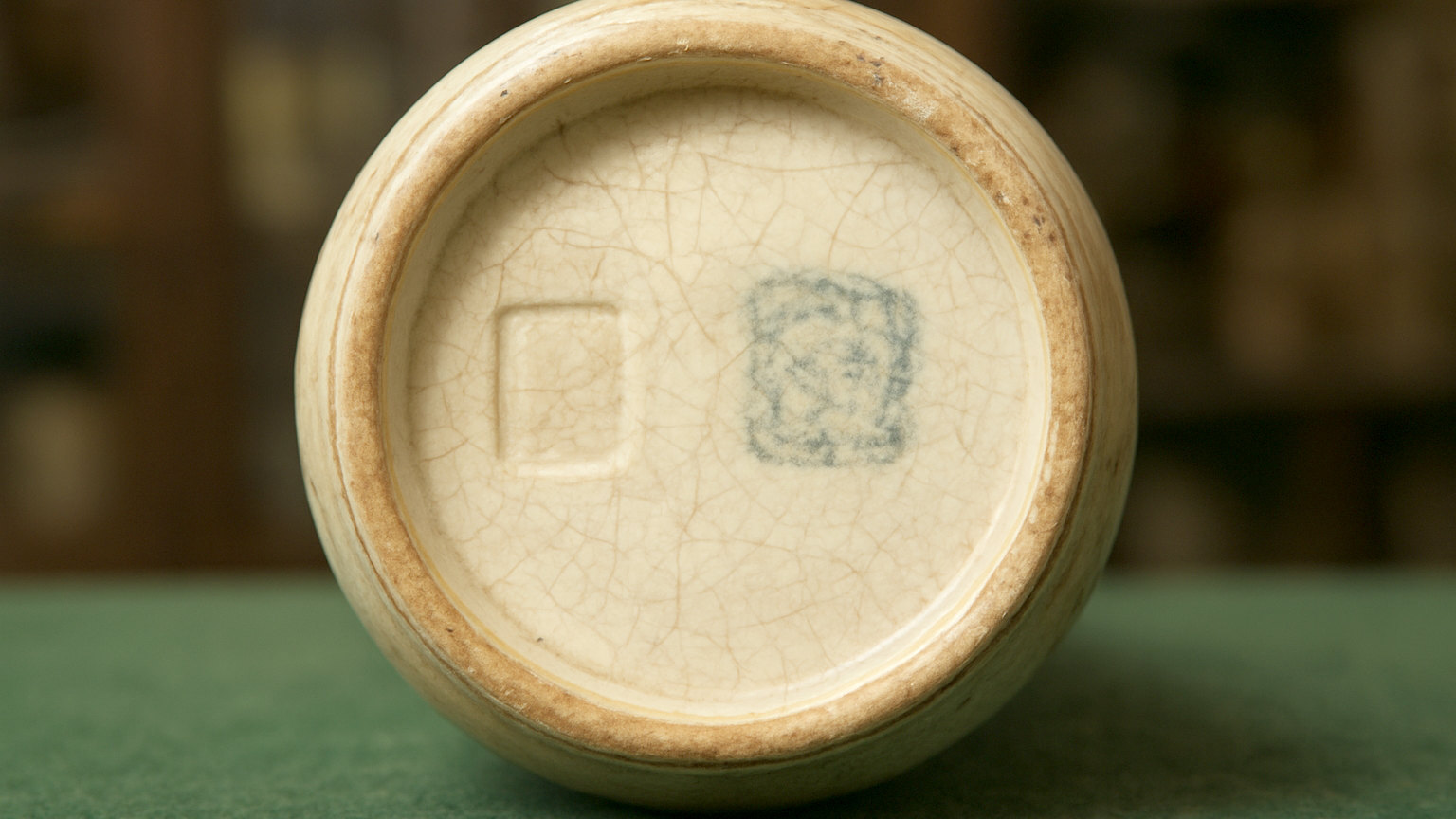
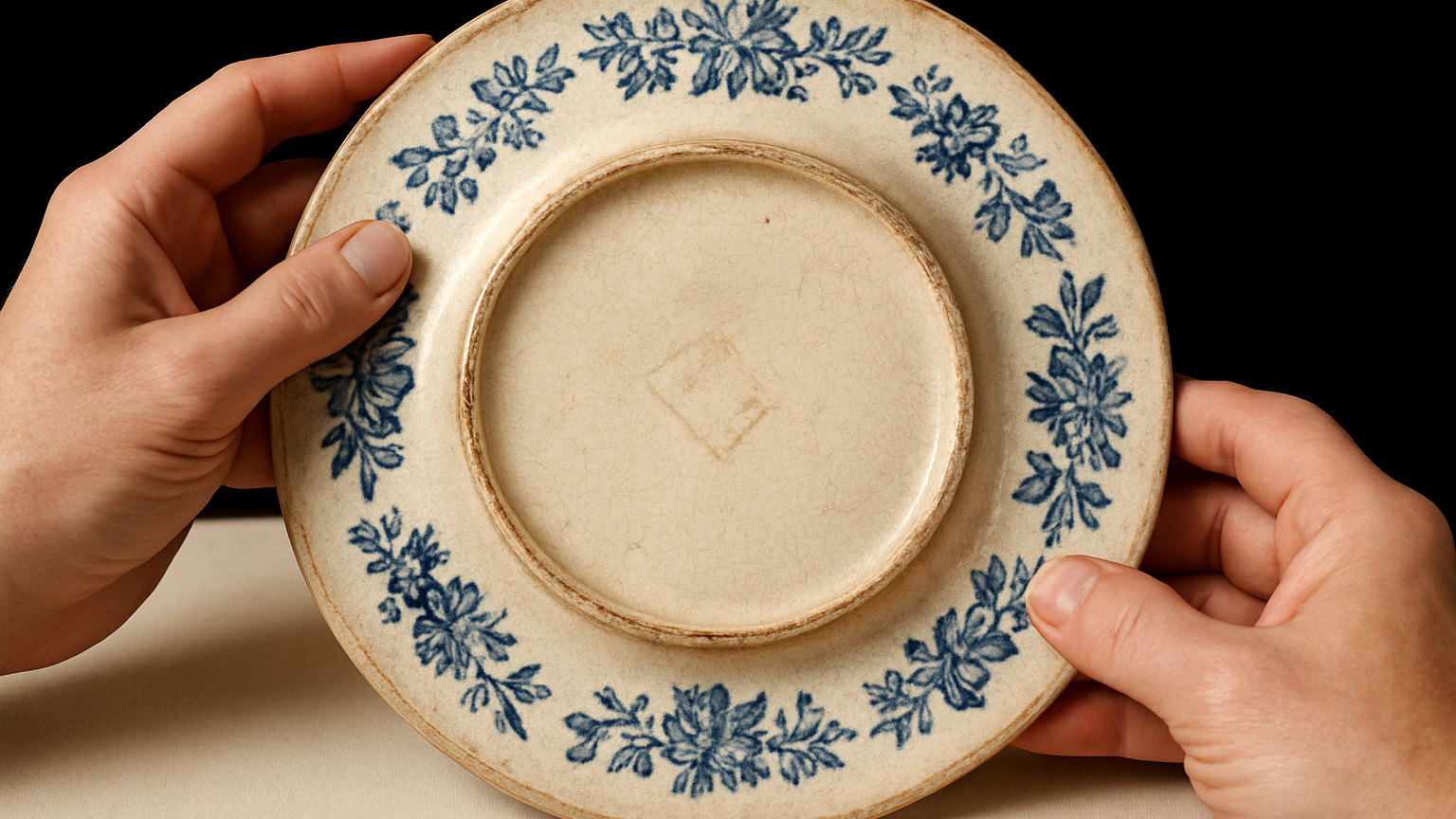
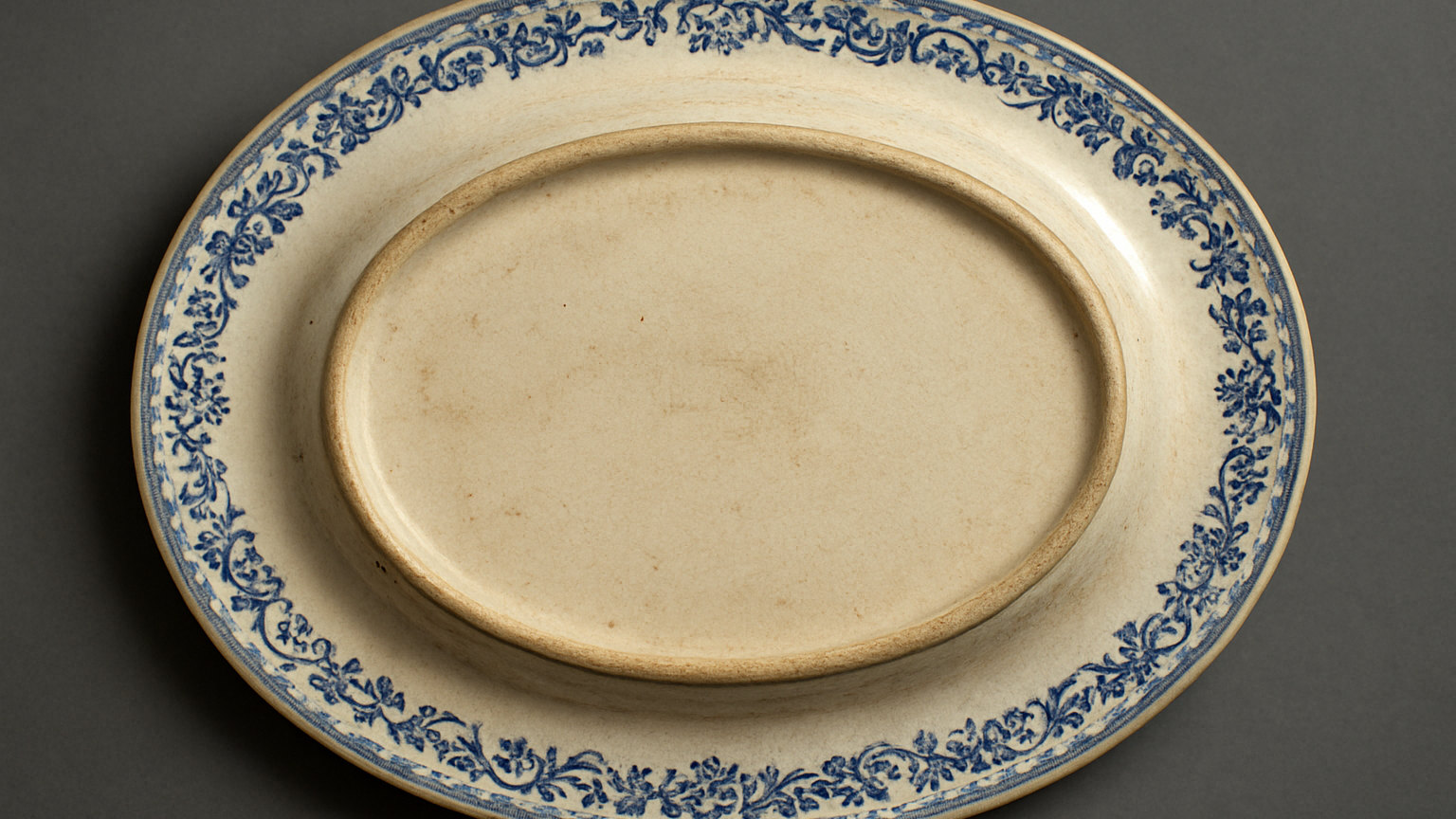
Almost always on the base, inside the foot rim. Turn the piece over and look at the centre first, then at the ring of unglazed clay around the edge, since impressed marks sit in the body rather than in the glaze and are easy to miss.
On hollow wares such as jugs and teapots, check inside the foot and around the lower body. On figures, look at the underside of the base and inside any hollow section. Some marks appear only under strong raking light, particularly impressed ones that have filled with glaze.
What are the different kinds of mark?
Impressed marks are stamped into the wet clay before firing, so they sit below the surface and often appear slightly blurred. They tend to indicate earlier production and are frequently just a name or a number.
Printed marks are applied over or under the glaze using transfers, and they carry the most information: factory name, pattern name, sometimes a trade device or crest. Painted marks are applied by hand in enamel or underglaze blue, and because they were drawn individually they vary from piece to piece, which is normal rather than suspicious.
How does a backstamp date a piece?
Factories redesigned their marks whenever they changed ownership, won an award, adopted a new trade name or updated their branding. Each version was used for a defined stretch of years, so identifying which version you have places the piece within that window.
Small details matter enormously here. The addition of a word indicating limited liability, a change from a simple name to an elaborate crest, or the appearance of a country name all shift the date. Compare your mark against a reference showing every version that factory used rather than settling for the first similar image you find.
What is a registered design mark?
Some British ceramics carry a diamond shaped device containing letters and numbers around the edges. This is a design registration mark, and it records the date the shape or pattern was registered for legal protection.
Read with the correct key, that diamond gives a precise registration day, month and year. Later pieces carry a registration number instead, usually preceded by letters indicating registration, and those numbers were issued in sequence so they also convert to a year. Neither tells you when your particular piece was made, only when the design was first protected, so they give you an earliest possible date rather than an exact one.
What do the other numbers mean?
Bases often carry several numbers that are not dates at all. A pattern number identifies the decoration and lets a factory reorder the same design. A shape number identifies the form. Impressed numerals in the body are frequently potters or mould numbers, used for internal quality control.
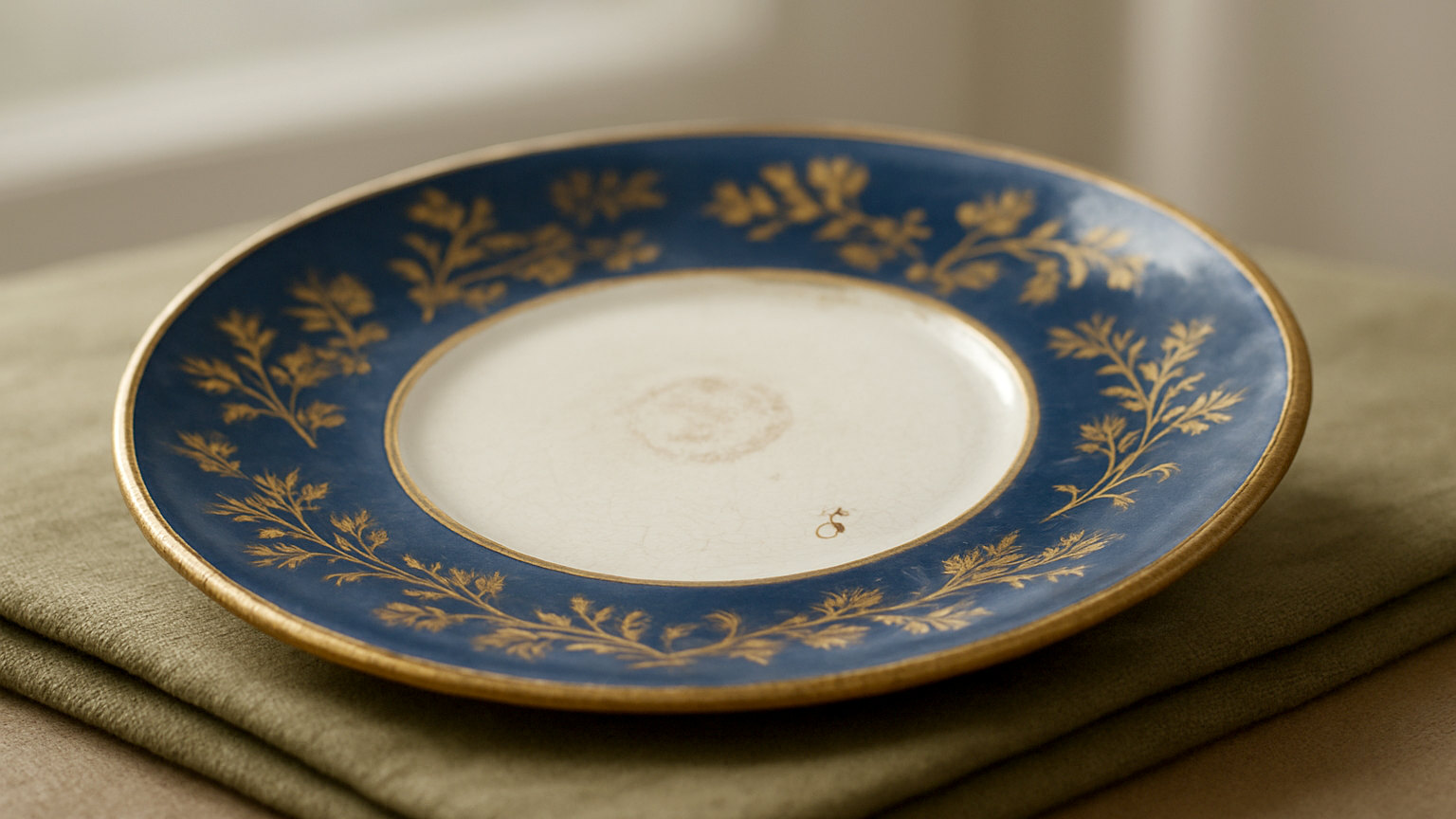
Small painted numbers or initials in enamel are usually decorators marks, identifying who applied the painting so piecework could be paid. These can help with dating, because individual decorators worked known spans of years.
Which marks suggest a reproduction?
A crossed swords device, a crowned shield or a well known factory monogram was copied constantly, because the original carried a premium. Copies tend to be slightly clumsier in execution, with uneven line weight where the original was crisp.
Be sceptical of a mark that looks too perfect on a piece with genuine wear elsewhere, and of a printed mark sitting on top of the glaze when that factory printed underglaze. A mark naming a country of origin generally indicates later production, since that requirement arrived with modern import rules.
What if there is no mark at all?
Plenty of genuine and valuable ceramics carry nothing. Small potteries had no marketing reason to mark, and some large factories left much of their output plain. An absent mark says nothing about quality.
Identify unmarked pieces by body, glaze, shape and decoration instead. The colour of the clay visible at the foot rim, the way the glaze pools and thins, the profile of the foot and the palette of enamels used all narrow the field considerably before you reach for a mark book.