Furniture

Antique Clocks

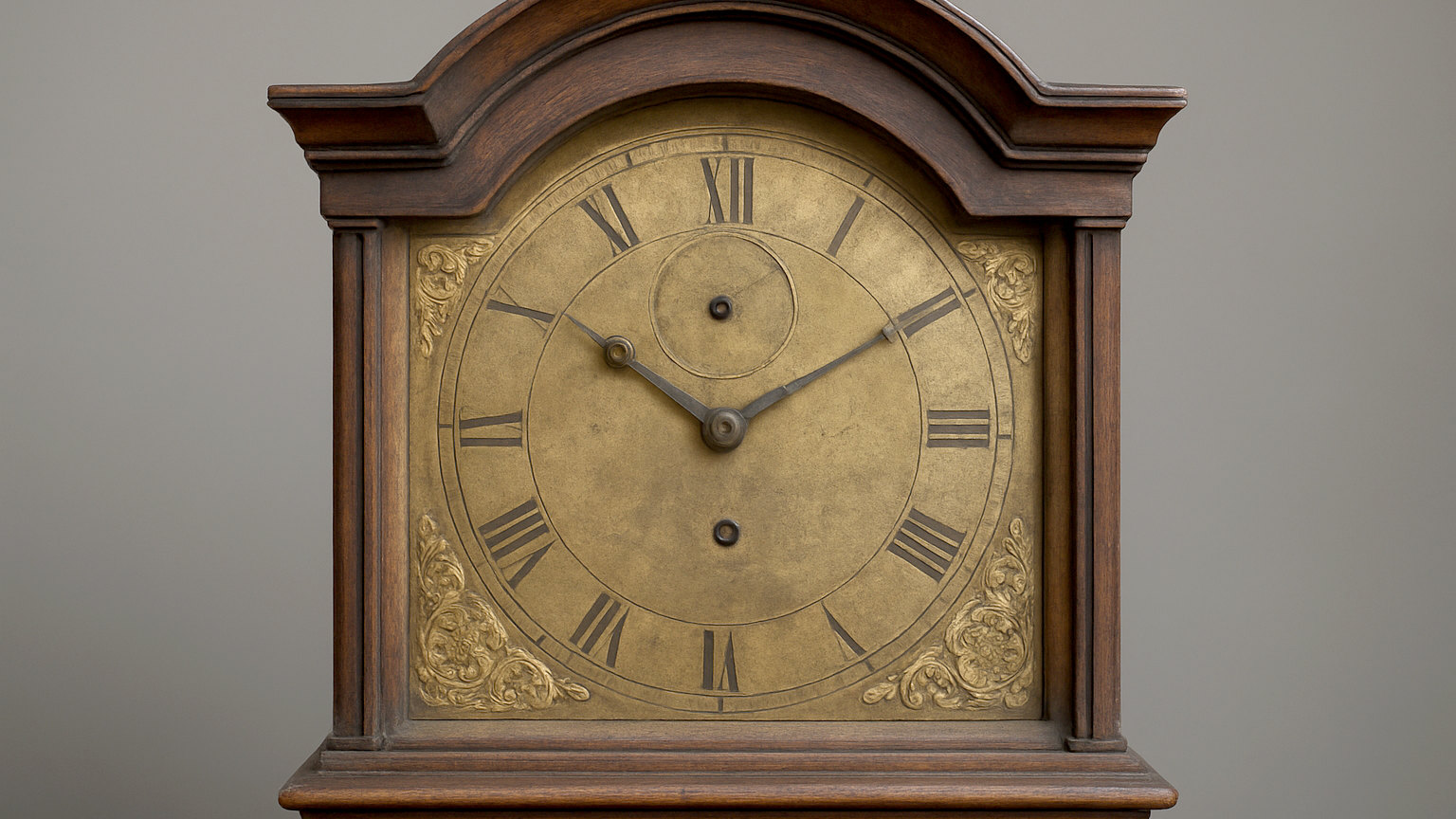
Clocks are two antiques in one - a case and a movement - and they are frequently not the same age as each other. The movement is usually where the value sits, the dial often carries the maker's name and town, and a marriage of a good movement to a later case is common enough to check for as a matter of routine. These guides cover longcase, bracket, carriage and wall clocks.

17 articles Last updated 06 Aug 2026

Antique Clocks Articles

How to Identify and Date an Antique Mantel Clock

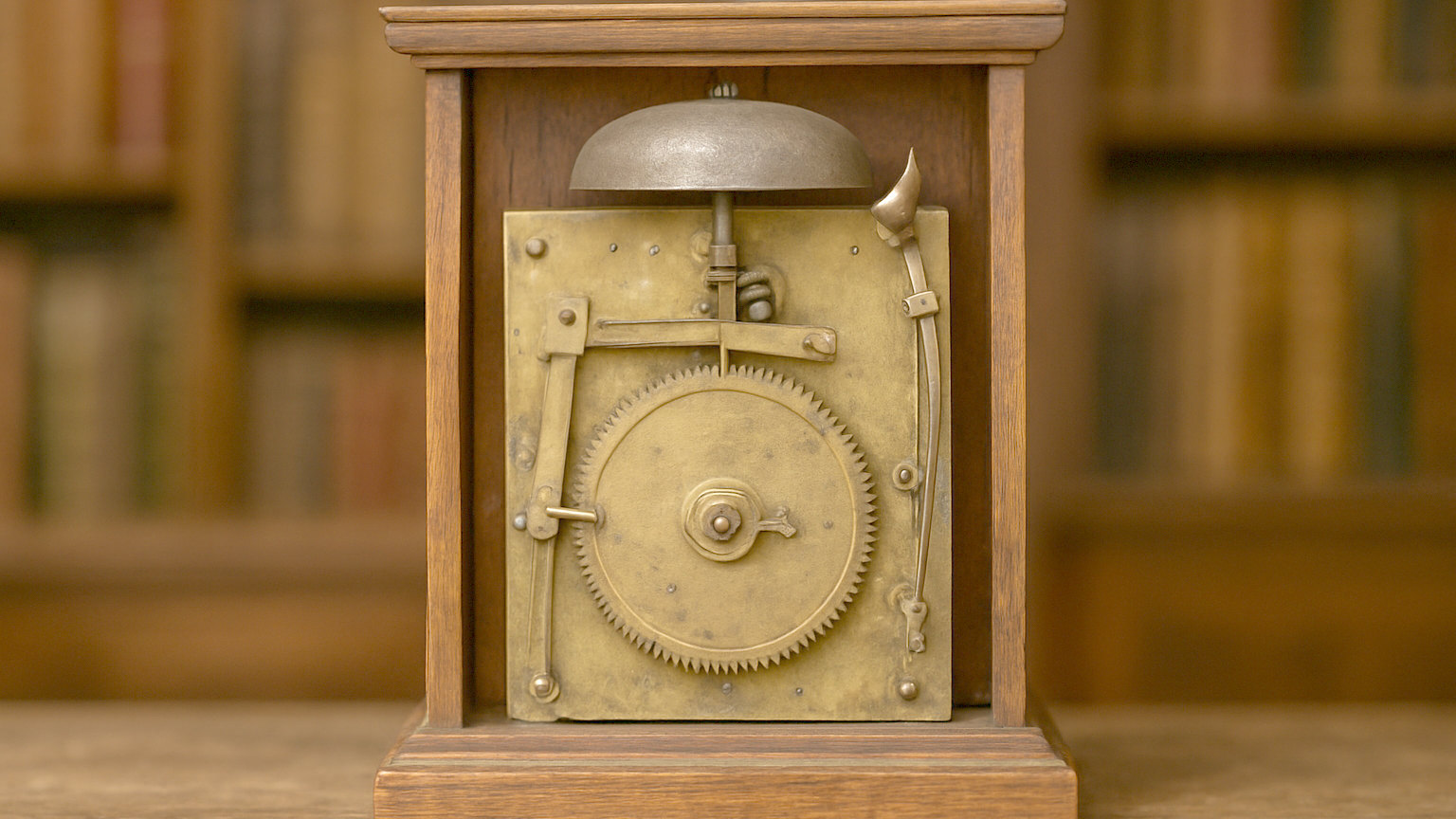
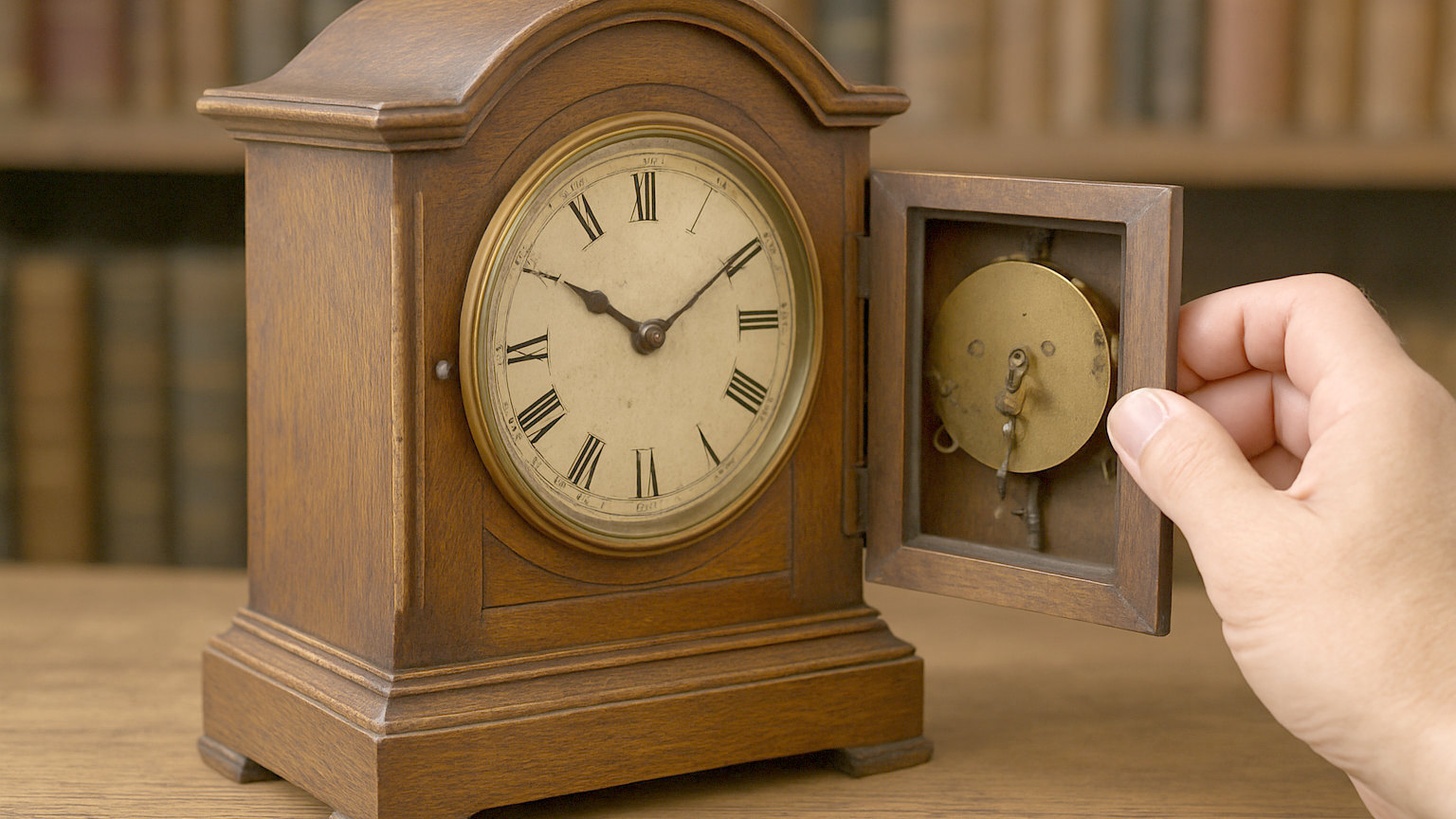
Mantel clocks cover an enormous range of forms and movements, and the backplate usually tells you more in ten seconds than the case does in an hour.

By Antique Guides Editorial 18 May 2026
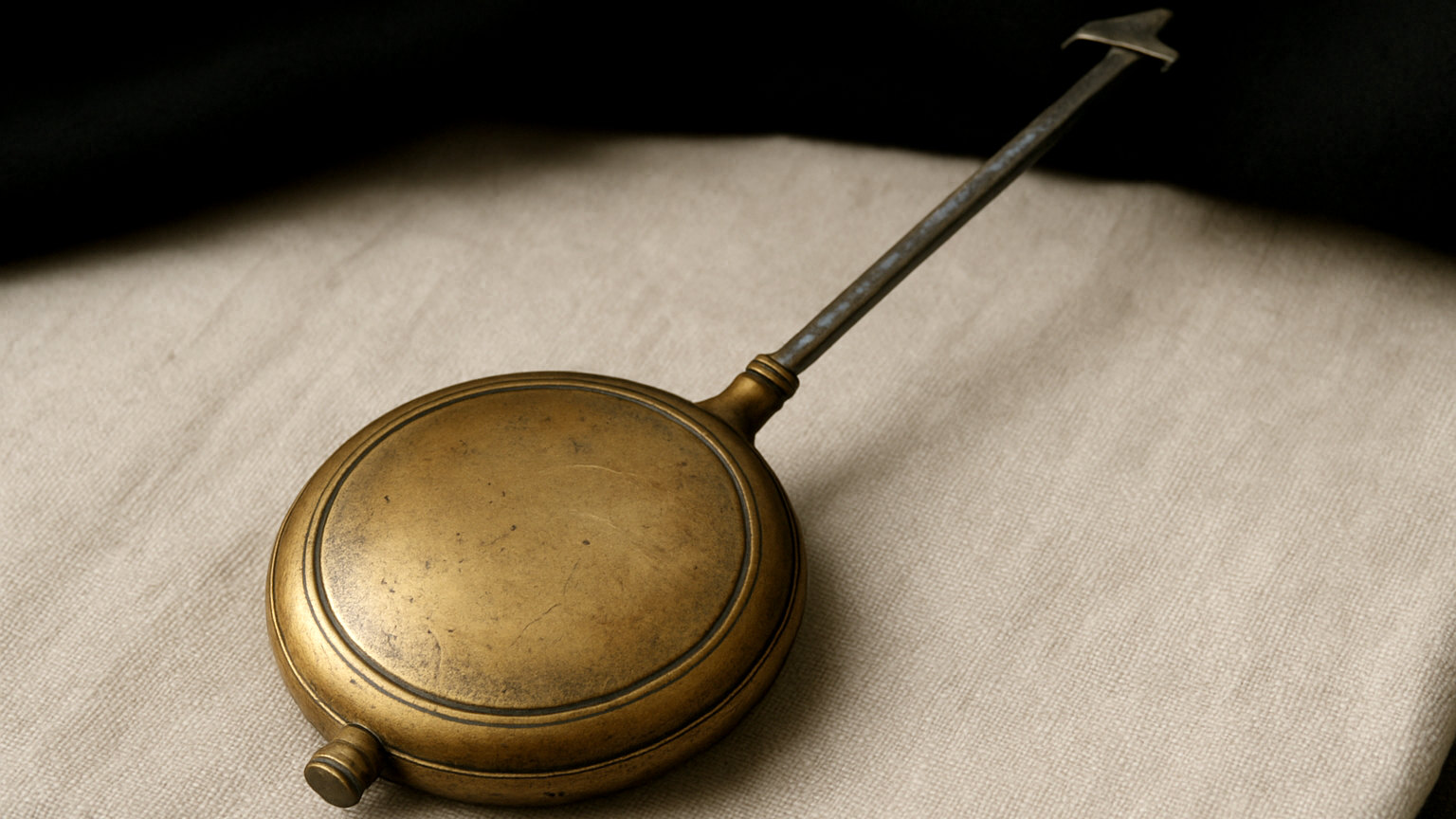
What Is a Clock Pendulum and How Is It Set?

The pendulum controls the timekeeping and hangs from a spring thinner than a fingernail, which makes it the most easily damaged part of any clock.

By Antique Guides Editorial 15 May 2026

What Is a Clock Strike and How Does It Work?

Striking clocks use one of two systems, and knowing which you have explains why a strike goes wrong and whether you can correct it yourself.

By Antique Guides Editorial 13 May 2026

How to Choose and Use a Clock Winding Key

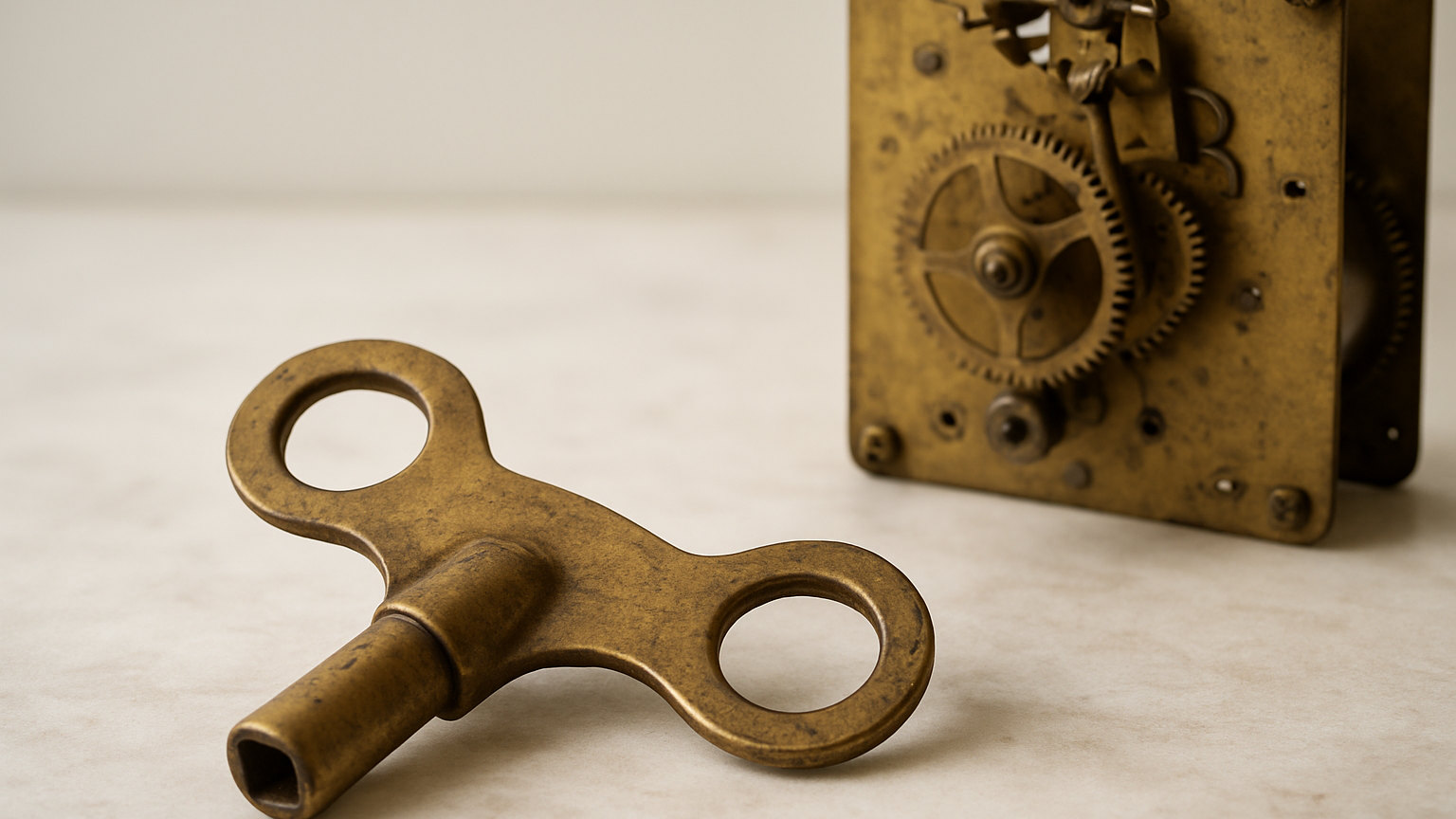
A key that is even slightly too large will round off the winding square, and that damage is permanent and expensive to correct.

By Antique Guides Editorial 8 May 2026

How to Value an Antique Longcase Clock Properly

A longcase clock is a movement and a case, and they are frequently not the same age. Knowing which parts carry the value changes what you look at first.

By Antique Guides Editorial 9 Apr 2026