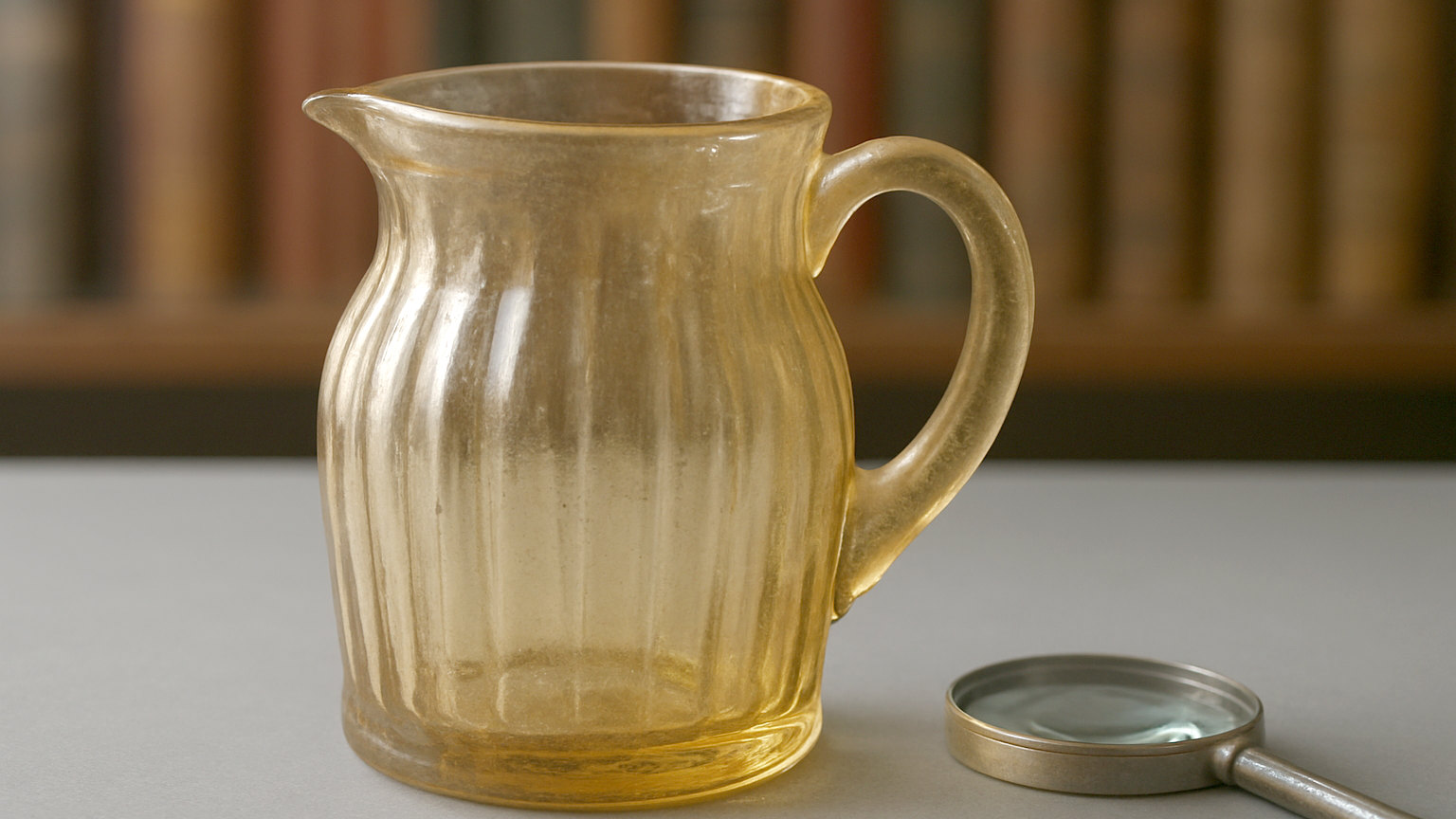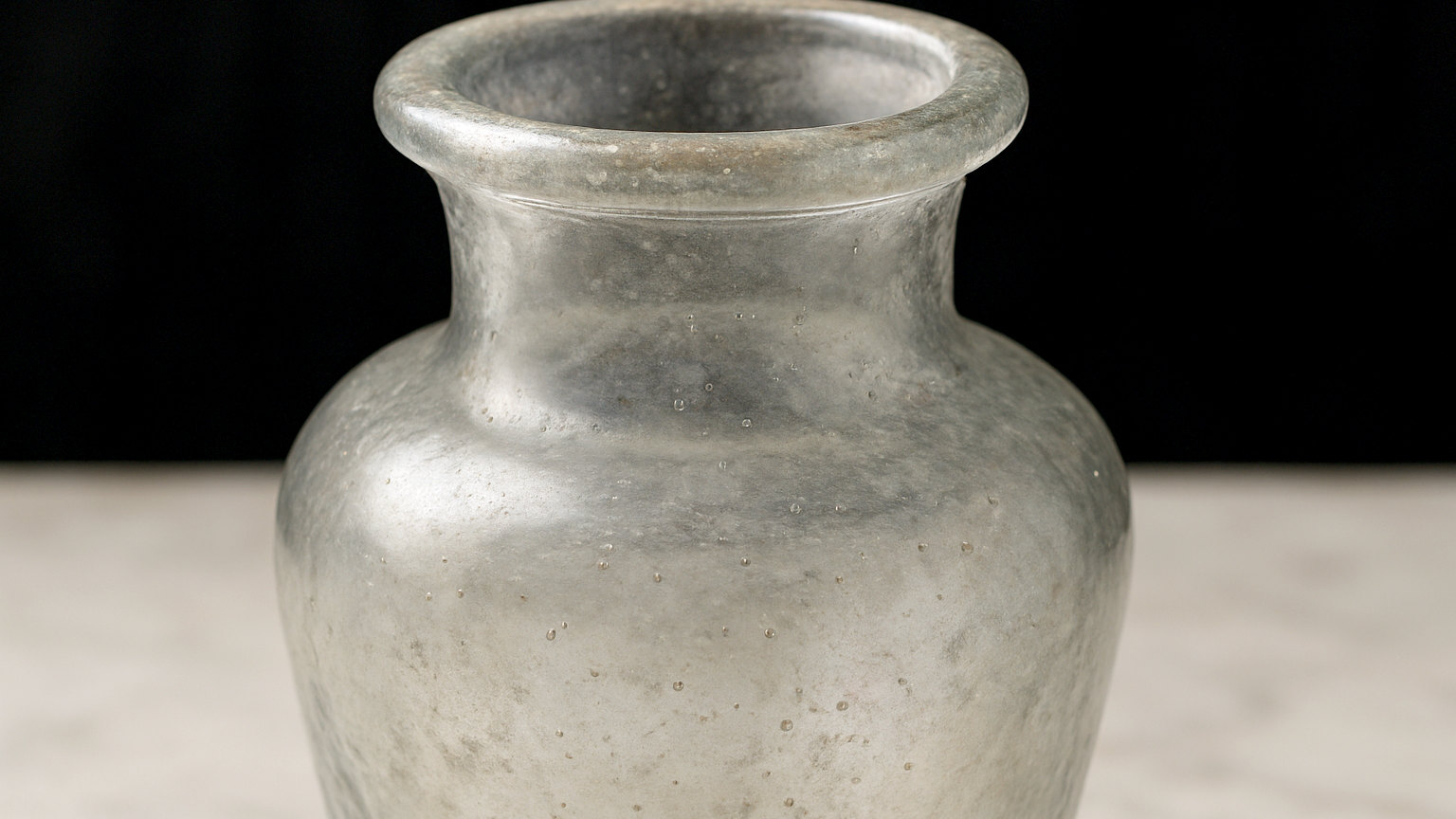
Antique glass is less fragile than people assume and more vulnerable than they expect, because the thing that breaks it is not impact but temperature change. A piece that has survived two centuries can crack in a sink in seconds, and that is entirely preventable.
What is thermal shock?
The stress created when one part of a glass object changes temperature faster than another, causing it to expand or contract unevenly and crack.
Old glass is more susceptible than modern, since it was not made to modern tolerances and frequently contains internal stresses from manufacture. Hot water poured onto cold glass, or a cold glass filled with a hot drink, is what causes it.
How should glass be washed?
By hand, in warm rather than hot water, one piece at a time, with a rubber mat or a folded towel lining the sink. Let cold glass warm to room temperature before washing.
Use a mild detergent and a soft cloth. Never use a dishwasher, where the heat, the detergent and the movement will all cause damage, and where the water chemistry gradually etches the surface into permanent cloudiness.
How should it be dried?
Immediately and thoroughly, with a soft lint free cloth, supporting the piece rather than gripping it. Never twist a glass while drying, since that is how stems break.
Hold the bowl rather than the stem on drinking glasses. Never leave glass to drain, since water marks form and hard water leaves deposits that can etch the surface over time.
How do you deal with a decanter?
Empty it after every use, wash promptly and dry the interior completely, which is the awkward part. Leave it upturned and open until fully dry.
Never store a decanter with liquid in it or with the stopper in place, since trapped moisture causes the permanent interior cloudiness called sickness, and a stopper left in can seize. Dry the neck carefully, since that is where moisture lingers.
Can cloudiness be removed?
Not by washing, because it is etching of the glass surface rather than a deposit. Professional polishing of the interior exists and is expensive with uncertain results.
Prevention is the whole answer. Never leave liquid standing, and check any decanter before buying by filling it with water: if it clears when wet and clouds when dry, that is sickness rather than dirt and it will not come out.
How should glass be displayed?
On a stable surface away from edges and vibration, out of direct sunlight, and away from heat sources. Sunlight can concentrate through a solid piece and cause heating.
Some early glass containing manganese darkens or turns amethyst with prolonged ultraviolet exposure, which is permanent. A closed cabinet away from a window is ideal, and it also keeps dust off, which reduces how often pieces need washing.
How should it be stored?
Upright and separately, never nested, never stacked. Glasses pushed inside one another chip rims and can jam together tightly enough that separating them breaks both.
If they must be boxed, wrap each piece individually in acid free tissue rather than newspaper, and pack so nothing can shift. Store stoppers alongside decanters rather than in them, and keep everything away from lofts and garages where temperature swings.
How should it be handled?
By the strongest part, which is the body or the foot rather than the stem, handle or rim. Applied handles on jugs fail at the join, and stems on drinking glasses are the weakest point of the whole object.
Lift with two hands where a piece is heavy, and never carry several pieces at once. On lustres and chandeliers, remove hanging drops before moving anything, since a swinging drop chips both itself and whatever it strikes.
What should you never do?
Put antique glass in a dishwasher or a microwave, pour hot liquid into a cold glass, use abrasive cleaners, or attempt to remove a stuck stopper by force.
For a seized stopper, try a little warm water around the neck to expand the glass very slightly, applied patiently. If it will not release, take it to a specialist rather than twisting harder, since forcing is how necks break.