Most people insure antiques by doing nothing at all, assuming that ordinary contents cover handles it. It frequently does not, and the gaps only become visible after a loss, when the limits in a policy nobody read turn out to apply. Getting this right takes an afternoon and a valuation.
Why is standard contents cover often inadequate?
Because of the single article limit. Most policies cap what they will pay for any one item unless it has been specifically declared, and that cap is frequently far below what a decent antique is worth.
There is usually a second limit on the total value of valuables as a proportion of the overall sum insured. Exceed either and the insurer pays the limit rather than the loss, however much cover you thought you had bought.
What does specifying an item mean?
Declaring it individually to the insurer with a description and a value, so it sits outside the single article limit. The premium increases accordingly, and the item is then covered for the sum specified.
Insurers normally require a professional valuation for anything above a threshold. Specified items are also frequently covered away from the home, which matters if a piece goes to an exhibition, to a restorer or with you when you move house.
What basis of value should you use?
Replacement value, meaning what it would cost to buy an equivalent piece from a retail dealer. That is considerably higher than auction value and much higher than probate value, and it is the correct basis for insurance.
Using an auction figure leaves you unable to replace the item after a loss, since you would be buying at retail with proceeds calculated at wholesale. Make sure any valuation document states the basis of value explicitly, because one that does not is not fit for the purpose.
How often should valuations be updated?
Every few years, and after any significant market movement in what you own. Values move in both directions, and several categories have fallen substantially while others have risen sharply.
That means some collections are now heavily over insured, which wastes premium, while others are dangerously under insured. Under insurance can also trigger an averaging clause, where the insurer reduces a partial claim in proportion to the shortfall, so a small loss pays out at less than its full cost.
What evidence should you keep?
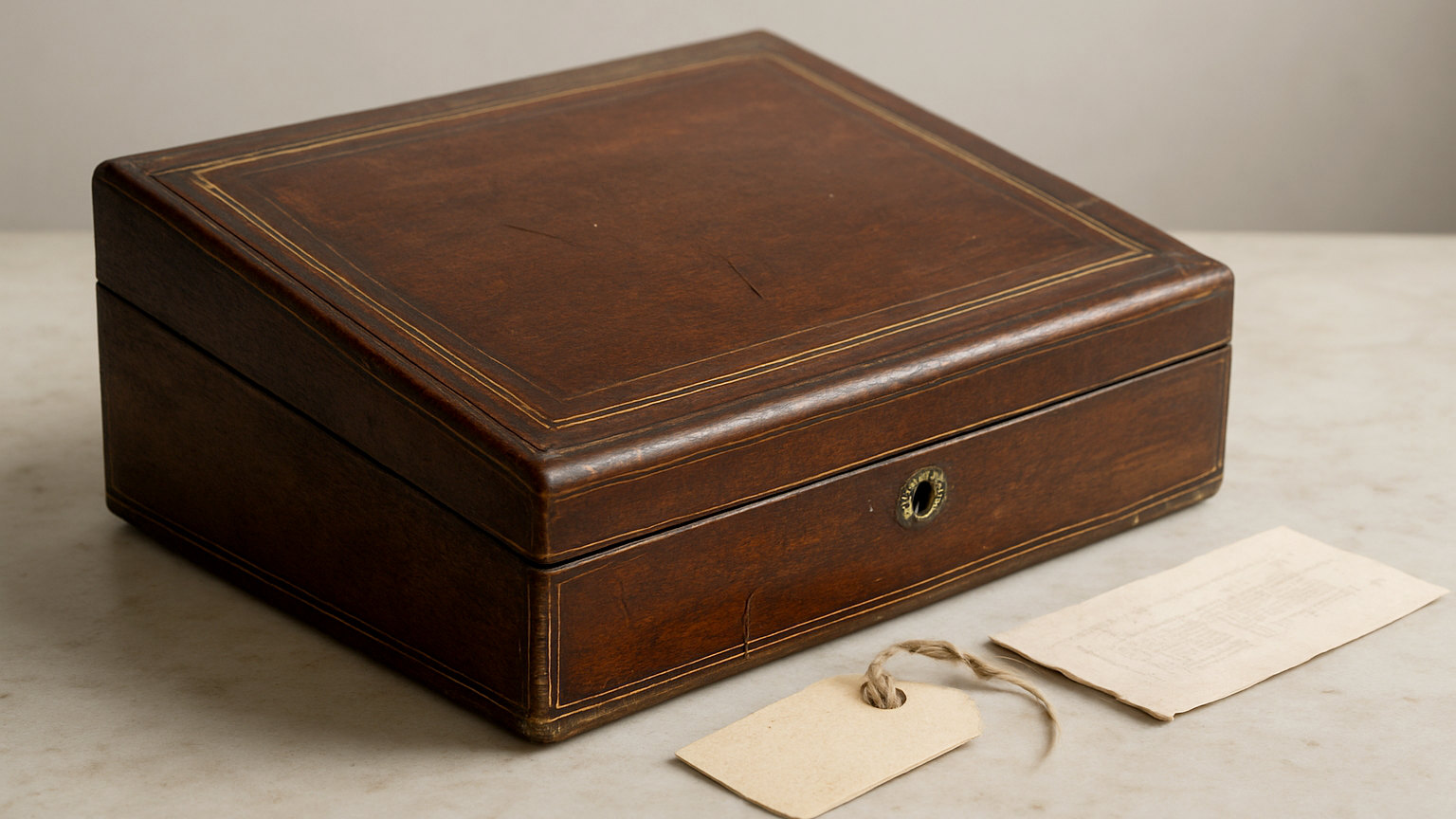
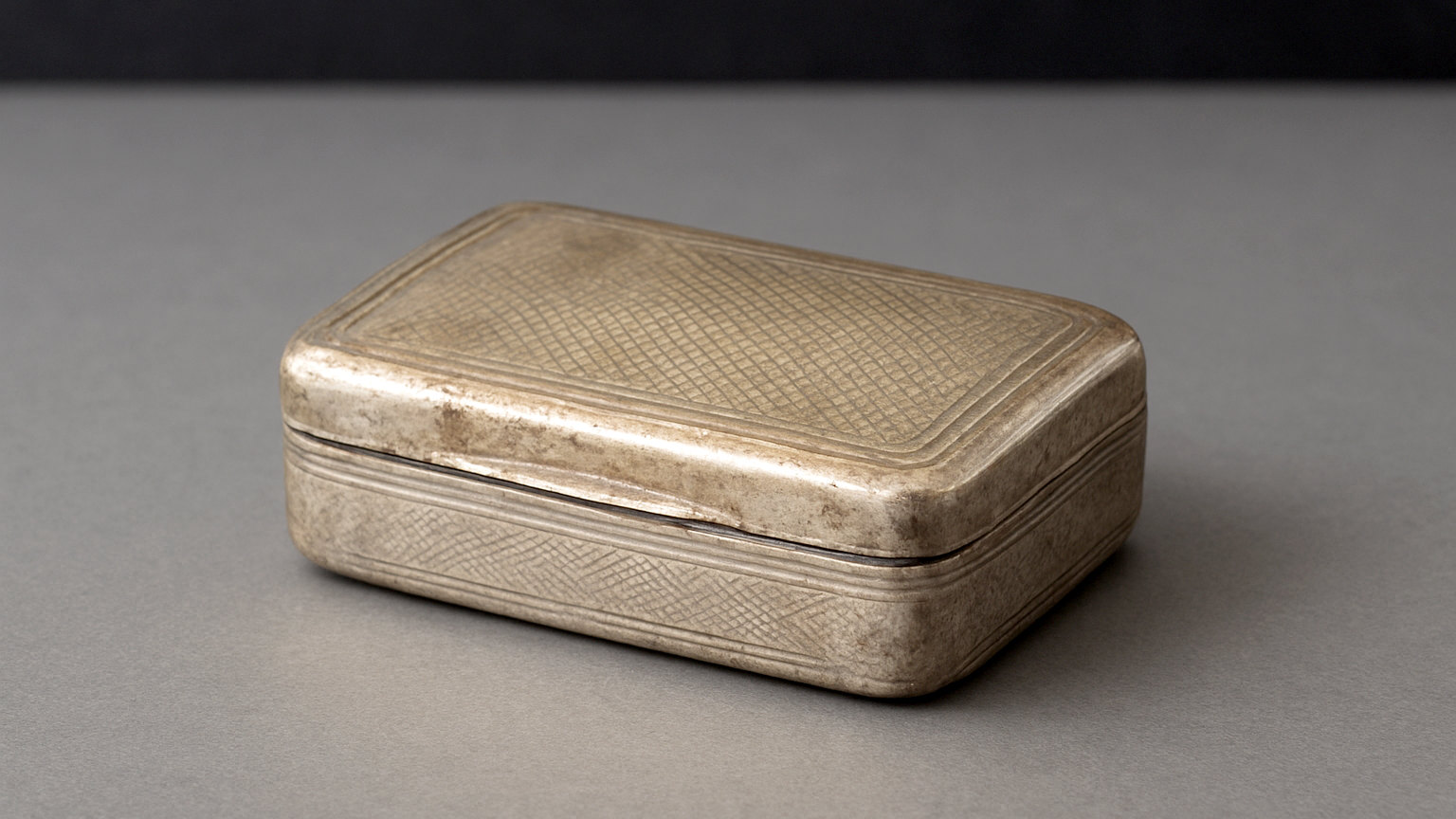
Photographs of every significant item from several angles, including marks and any distinguishing damage, plus receipts, valuation documents and any provenance paperwork.
Record measurements and descriptions in enough detail to identify the object beyond doubt. This matters for claims and it matters far more for recovery, since police and trade databases can only trace a stolen item that has been properly described. Keep all of it somewhere other than the house it describes, ideally backed up remotely.
What security do insurers expect?
Proportionate measures, and they will usually specify them for higher value cover. That commonly means good quality locks, an alarm, and sometimes a safe for smaller valuables.
Read the conditions carefully, because a policy may require the alarm to be set whenever the property is left unoccupied, and a failure to comply can void an otherwise valid claim entirely. Tell your insurer about significant acquisitions as you make them, rather than assuming they fall under the existing sum insured.
What should you do after a loss?
Report it promptly, to the police as well as the insurer where theft is involved, and provide your photographs, descriptions and valuations immediately. Get a crime reference number.
Notify the trade databases that circulate details of stolen art and antiques, since these are checked routinely by dealers, salerooms and auction houses before they handle anything. Do not dispose of damaged items before the insurer has inspected them, and do not have anything restored without written agreement first, because both can prejudice a claim that would otherwise have been paid in full.