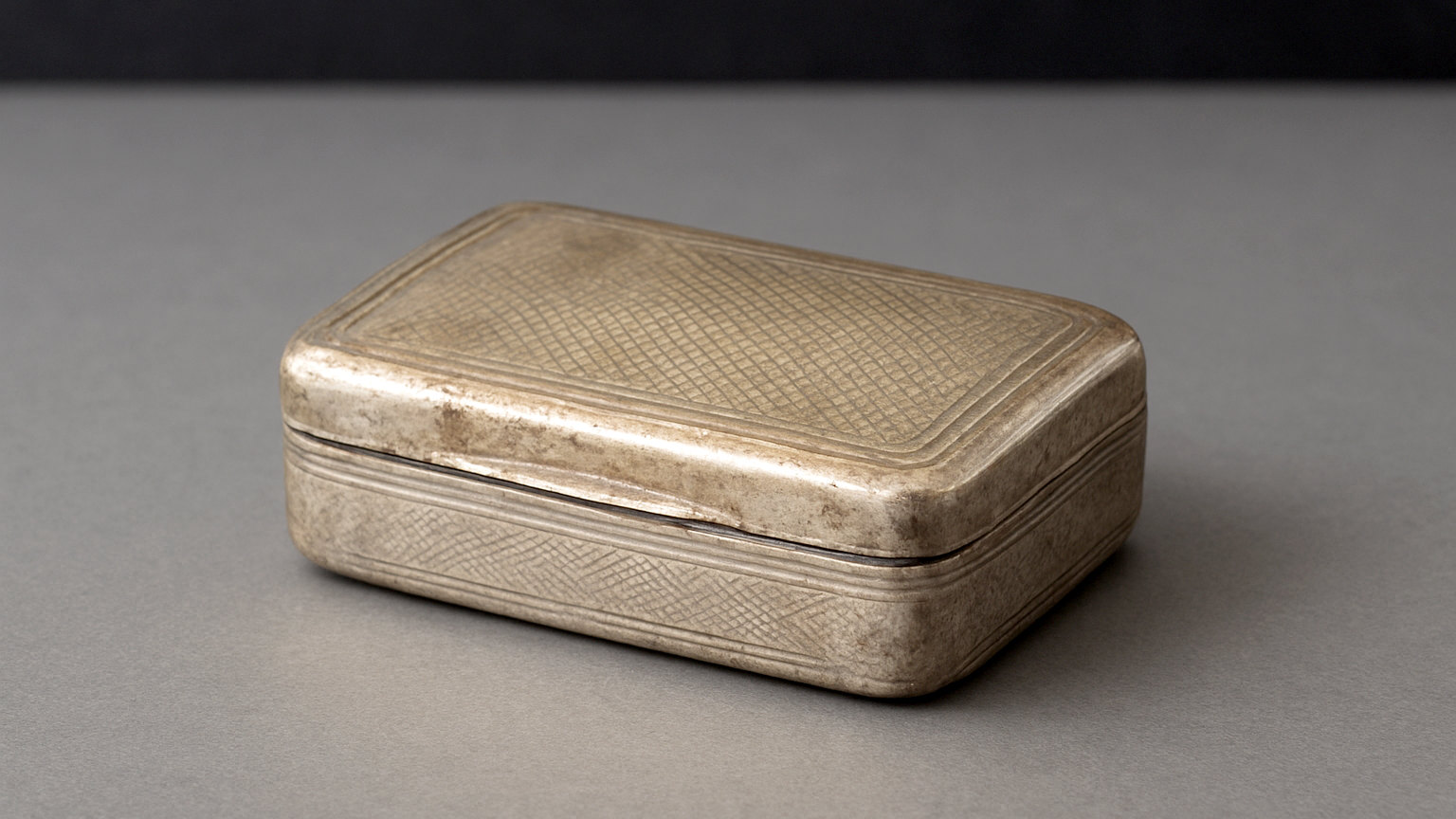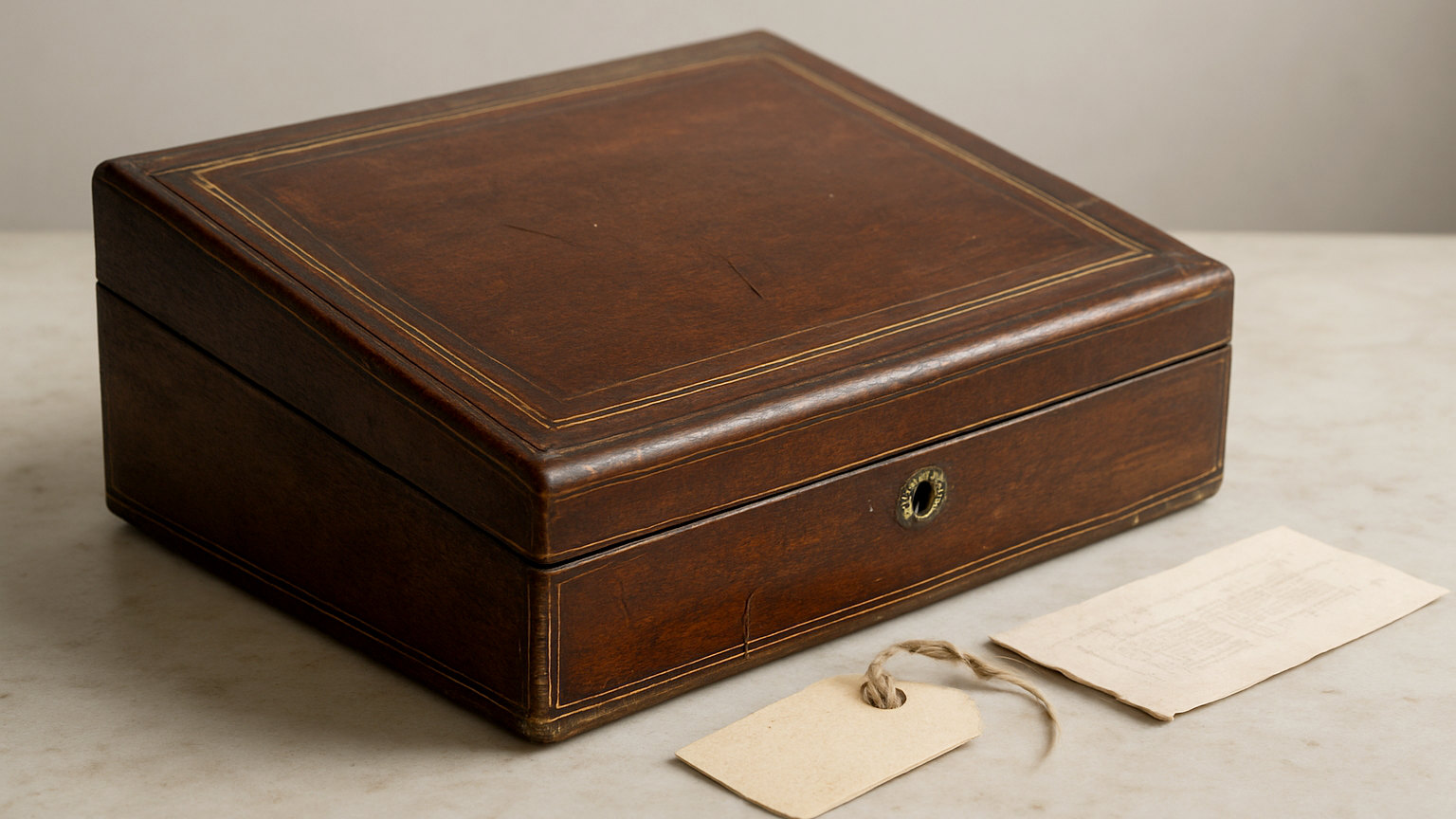
The hammer falls and the lot is yours, which is a legal commitment rather than an option to reconsider. What follows has deadlines attached, and the buyers who get caught out are almost always the ones who had not thought past the bidding.
What are you committed to?
Payment of the hammer price plus the buyers premium, any tax on that premium, and any platform fee if you bid online. The conditions of sale set this out and bidding constitutes acceptance.
There is no cooling off period at auction and no right to change your mind. This is why viewing matters and why the limit should be set before the lot comes up rather than decided in the room.
When is payment due?
Usually immediately or within a short window, frequently a few working days. The invoice follows the sale and states the deadline.
Late payment attracts interest at most houses and can result in the lot being resold at your risk. Check the accepted payment methods in advance, since some houses limit card payments or charge for them, and large sums frequently require a bank transfer that takes time to clear.
How long do you have to collect?
Less time than people expect. Most houses allow a free period of a few days, after which storage charges begin accruing per lot per day.
Those charges are modest individually and mount quickly, particularly on furniture. Read the terms before bidding and arrange collection in advance rather than afterwards, since salerooms need the space for the next sale and are not flexible about it.
What about transport?
Your responsibility entirely. Most houses will not pack or ship, though many maintain a list of carriers who work with them regularly, and specialist shippers handle fragile and valuable items properly.
Get a quote before bidding on anything large. Transport on a heavy piece of furniture can exceed what you paid for it, and that cost should be part of your calculation rather than a surprise afterwards.
What should you check on collection?
That the lot is the one you bought and that its condition matches what you saw. Examine it before loading rather than after getting it home.
Raise any discrepancy immediately and in writing while you are still there. Houses are generally reasonable about genuine errors identified at collection and considerably less so about complaints made a week later.
What if the item is not as described?
Check the conditions of sale, which set out the extent of any guarantee and the time limit for raising a problem. Guarantees usually cover only the strongest level of attribution and only for a defined period.
Most lots are sold as seen, which puts the burden of inspection on the buyer and is why the viewing matters. Where a description is materially wrong on a point the house asserted, raise it promptly in writing with evidence.
What paperwork should you keep?
The invoice, the catalogue entry and any condition report you requested. Together these record what you bought, how it was described and what you paid.
That matters for insurance, for provenance when you eventually sell, and for any dispute. A catalogue entry with a good description and provenance is itself an asset that travels with the object, so keep it with the piece.
What should you do with a lot you regret?
Pay for it, since you are committed, then decide what to do next. Refusing to pay does not undo the sale and creates a problem considerably worse than the purchase.
If it genuinely does not suit, re offering it is straightforward, though expect to lose the premium and the commission. Treat that as the cost of the lesson and set your limits more carefully next time, which is what almost every experienced buyer has done at some point.
What should you do before bidding next time?
Read the conditions of sale properly, check the collection deadline and storage rates, and get a transport quote for anything large.
Those three checks take fifteen minutes and remove almost every unpleasant surprise that follows a successful bid. Set the maximum from the total delivered cost rather than from the hammer figure.