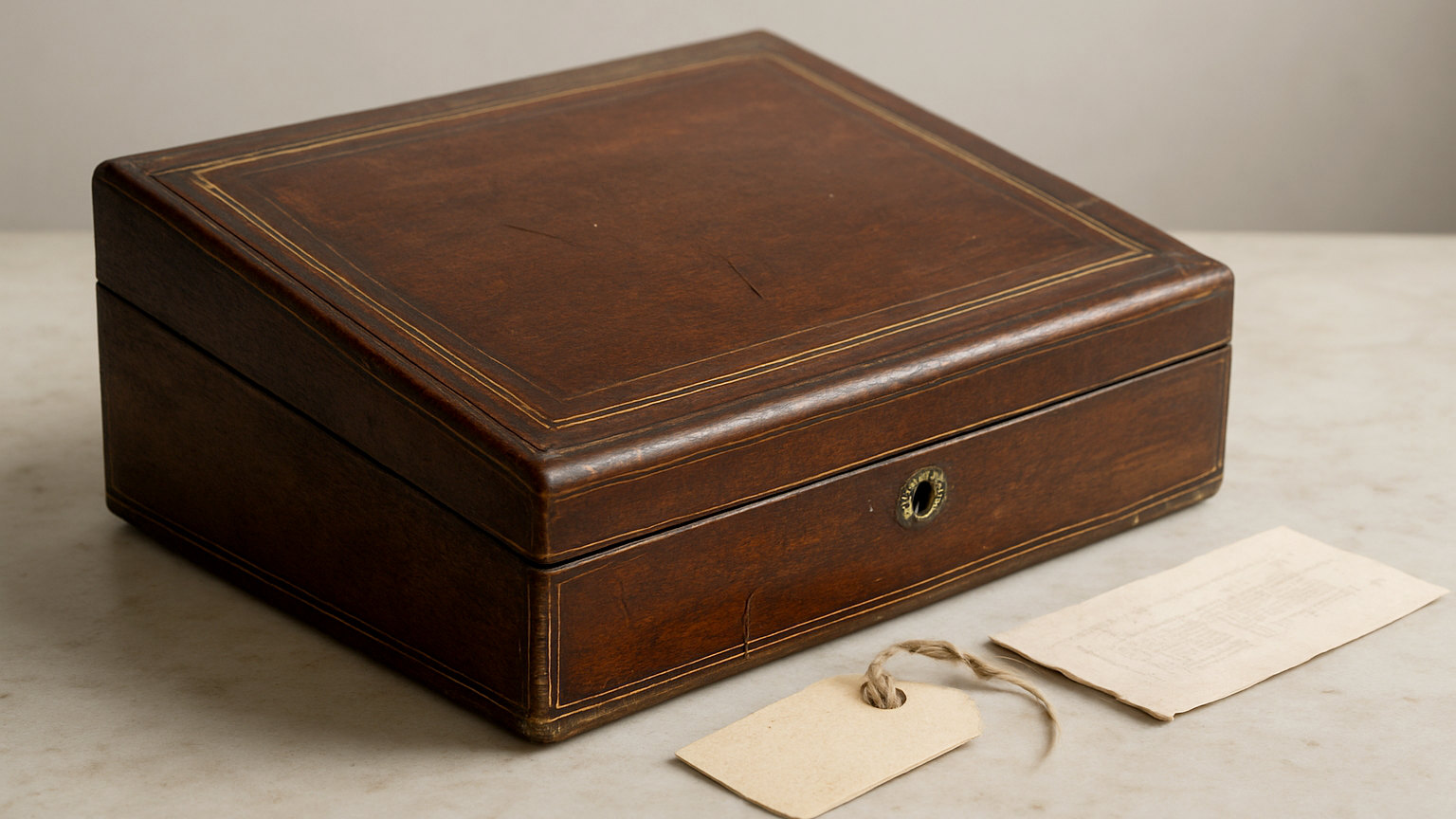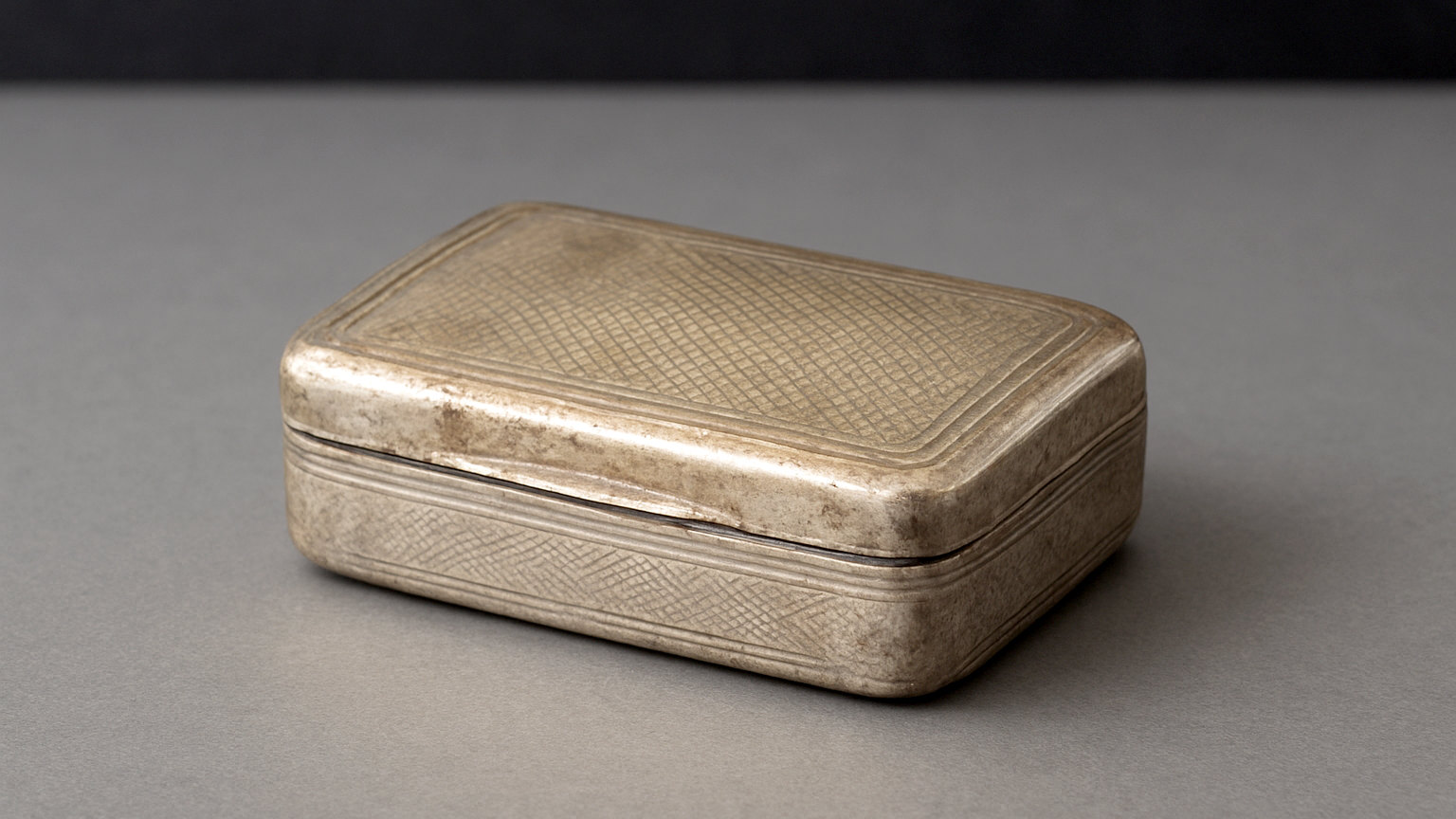
Valuing the contents of a house for probate sounds like an administrative formality and carries real personal responsibility. The executor signs the figures, and the executor is answerable for them. Getting the basis right, and knowing when the job needs a professional, is what protects the person doing it.
What basis of value applies?
Open market value at the date of death, meaning the price the items would reasonably fetch in a sale between a willing buyer and a willing seller on that date.
In practice, for ordinary household contents, that means what they would make at auction rather than what they would cost in a shop. Families consistently expect a higher figure because they are thinking of replacement cost. That is the insurance basis and it is the wrong one here.
Why is the figure so much lower than expected?
Because the second hand market for ordinary furniture and household goods is weak, and has been for some time. Large dining furniture, formal tableware and display ceramics in particular sell for a small fraction of what they cost.
This regularly causes distress, since a house full of good quality possessions may be worth very little as chattels. It is not an insult to the deceased or an error by the valuer. It is what the market pays, and the probate figure has to reflect that.
Can an executor do it themselves?
For a modest estate of ordinary household goods, a reasonable estimate made in good faith is generally acceptable, and there is no requirement to employ anyone for everything.
Where there are items of real value, where the estate approaches a tax threshold, or where beneficiaries might disagree about the division, a professional valuation protects the executor personally and is worth the fee. The exposure sits with the individual signing, which is the point most often overlooked.
What should be listed separately?
Anything of significant individual value: jewellery, silver, paintings, clocks, collections, and any single item that might reasonably fetch a substantial sum. These need identifying and valuing individually rather than being absorbed into a general figure.
Ordinary furniture, kitchen equipment, linen and general household effects can normally be grouped and given a single sensible total. The distinction is whether an item would be catalogued as its own lot at auction.
How do you record it properly?
Photograph every room before anything is moved, then work along each wall opening cupboards and drawers. Do this before any family member takes a keepsake, because that record settles disputes and supports the figures.
Write an inventory listing items with brief descriptions and the value attributed to each group. Keep receipts, valuations, correspondence and a note of anything sold with the date and price. Keep the whole file, because questions can arise long afterwards.
What happens if the valuation turns out wrong?
If an item is entered at a low figure and then sells shortly afterwards for a great deal more, that discrepancy invites questions and may create a liability. Overvaluing causes the opposite problem, potentially generating a tax charge on value that was never there.
A professional valuation is a defence in both directions, because the executor acted on qualified advice. That is a large part of what the fee buys, alongside the figure itself.
What should executors avoid doing?
Distributing items before the valuation is complete, selling to a beneficiary at a favourable price without the agreement of the others, and allowing a house clearance before anyone knowledgeable has been through the contents.
Also avoid cleaning, repairing or restoring anything before it has been seen, since all three reduce value far more often than they add to it. Take advice on the contents before making any decisions about them, and keep every beneficiary informed in writing as you go rather than afterwards. Most disputes between families over an estate begin with a decision that was taken quietly and explained later.