People searching for a mark that does not exist waste more time than almost anyone else in this subject. Marking was compulsory for precious metals and voluntary for everything else, which means the absence of a mark tells you about the trade the object came from rather than about its quality or age. A great deal of the finest work ever produced is entirely unsigned.
Which trades had to mark their work?
Only those working in precious metal. Gold and silver were assayed and hallmarked under a legal system enforced by assay offices, because the state had an interest in guaranteeing the metal content and collecting duty on it.
Everything else was voluntary. Furniture makers, potters, glassmakers, clockmakers and jewellers marked their output when it suited them commercially, and left it plain when it did not. There was no obligation and no penalty for omission.
Why did furniture makers so rarely mark?
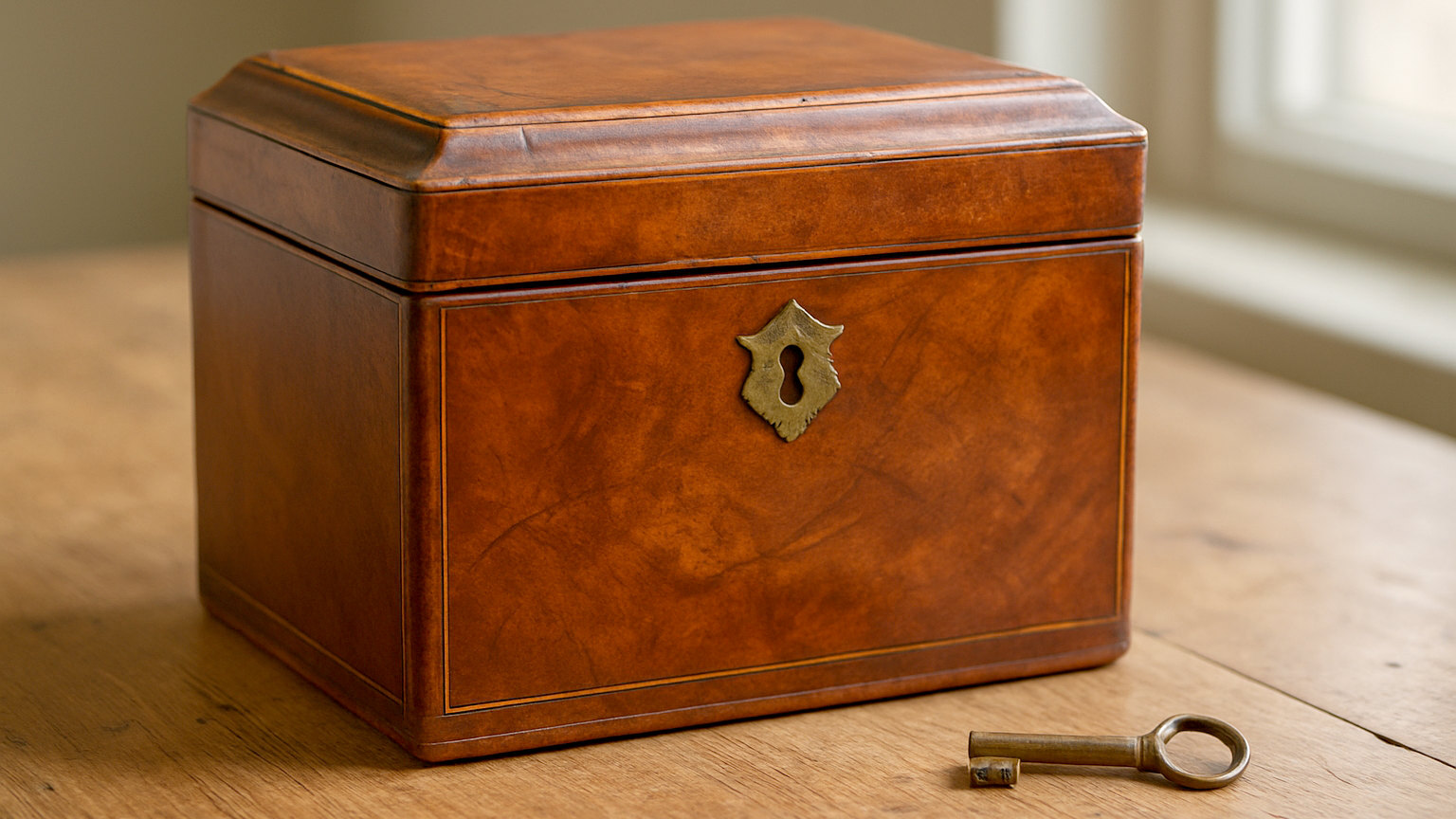
Because most of them were small local workshops selling to people who already knew who they were. A cabinetmaker supplying a market town had no need to advertise on the back of a chest that would never leave the county.
Larger London workshops sometimes stamped their name or applied a paper label, and those pieces command a premium precisely because they are unusual. The great majority of surviving period furniture is anonymous, including a substantial proportion of the very best of it.
Did potteries always mark?
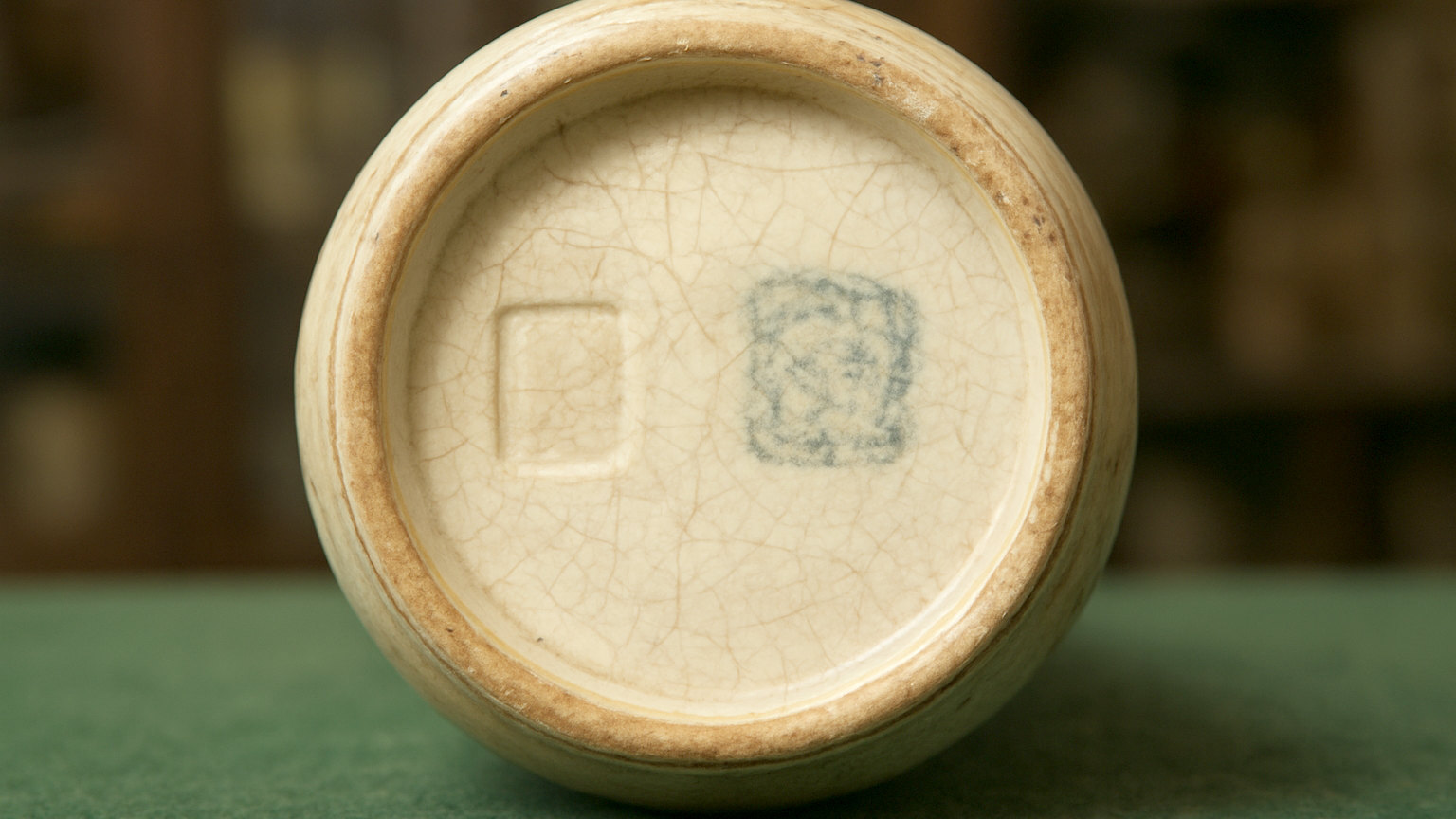
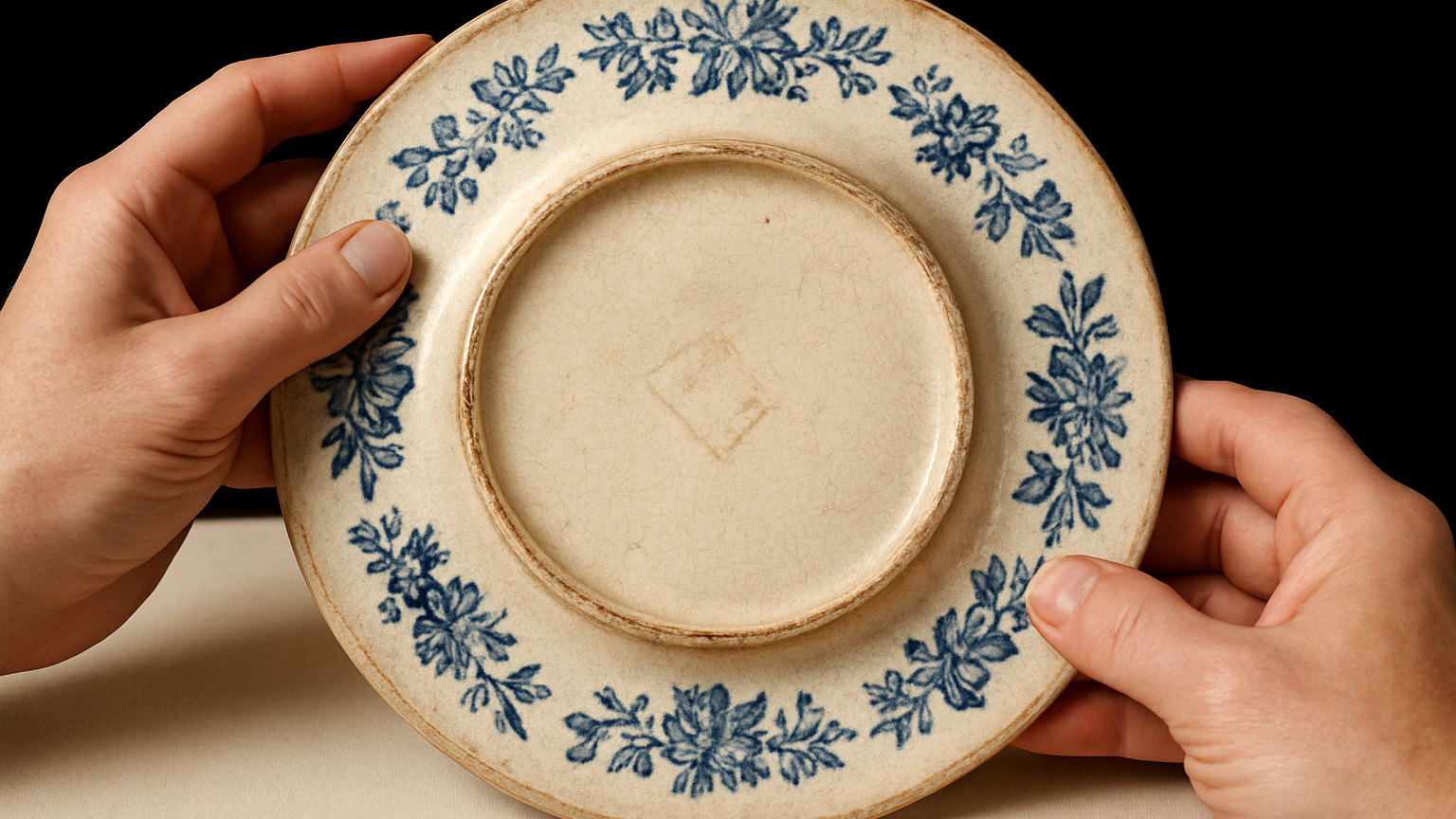
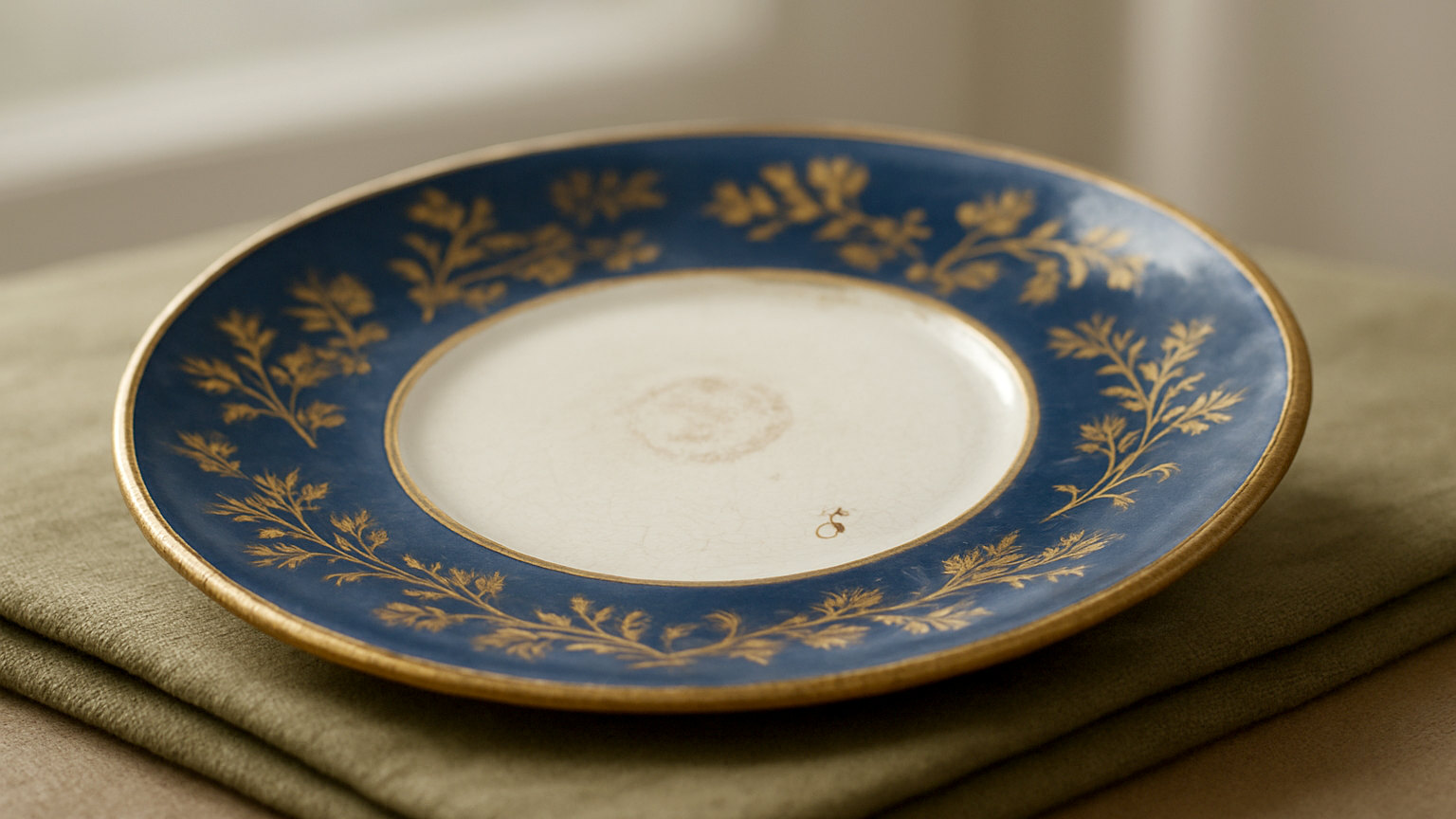
No, though ceramics are marked more consistently than most categories. The large factories competing on reputation marked steadily, because the name was the selling point and buyers looked for it.
Small country potteries producing utilitarian wares for a local market marked almost nothing, since nobody buying a milk pan cared who made it. Early production from even the major factories is frequently unmarked, because the practice became routine only once the commercial value of a recognised name was established.
What about glass and textiles?
Glass is the least marked category of all. The material does not take an impressed mark easily, and until acid etching became available there was no practical way to mark it permanently without spoiling the surface.
Textiles and rugs are similar. Woven goods occasionally carry a woven initial or a workshop signature within the design, and this is genuinely rare. Identification in both categories relies almost entirely on material, technique and regional characteristics rather than on any name.
Was jewellery marked?
Inconsistently, and there is a legal reason. Small and lightweight items fell below the weight thresholds at which hallmarking was required, so a great deal of genuine period gold jewellery carries no mark at all.
Delicate items were also exempted in practice because striking a punch would have damaged them. An unmarked antique brooch or chain is entirely normal and should not be assumed to be base metal, which is why electronic testing rather than mark hunting is the right approach.
How do you identify something unmarked?
By reading the object rather than searching for a name. Construction, materials, tool marks, wear and style together will place most things within a few decades, which is usually enough to value them properly.
On furniture that means joints, fixings, saw marks, secondary timbers and shrinkage. On ceramics it means the colour of the body at the footrim, the way the glaze pools, the potting thickness and the palette of the decoration. On metalware it means how the piece was formed and the character of the surface. None of this requires a mark.
Does an unmarked piece sell for less?
Usually somewhat, because a named maker removes uncertainty and gives collectors something to focus on. The difference is smaller than most people expect on ordinary items and larger on important ones.
What matters far more is quality, condition and originality. A fine unmarked piece will always outsell a mediocre marked one. Do not discount something because you cannot find a name on it, and do not pay a premium for a mark without checking that everything else about the object agrees with it.