A makers mark is the fastest route from an unknown object to a name, a place and a date range. Most people who cannot identify an antique have simply not found the mark yet, because every trade marked its work in a different place and several of them chose spots that are awkward to reach.
Where do you look for a makers mark?
The rule across almost every trade is that marks go where they will not be seen in normal use. On furniture, look at the back of the carcass, the underside of drawer bottoms, the inside of a drawer front and the underside of a seat rail. Stamped names on furniture are less common than people hope, but printed paper labels survive surprisingly often in these sheltered positions.
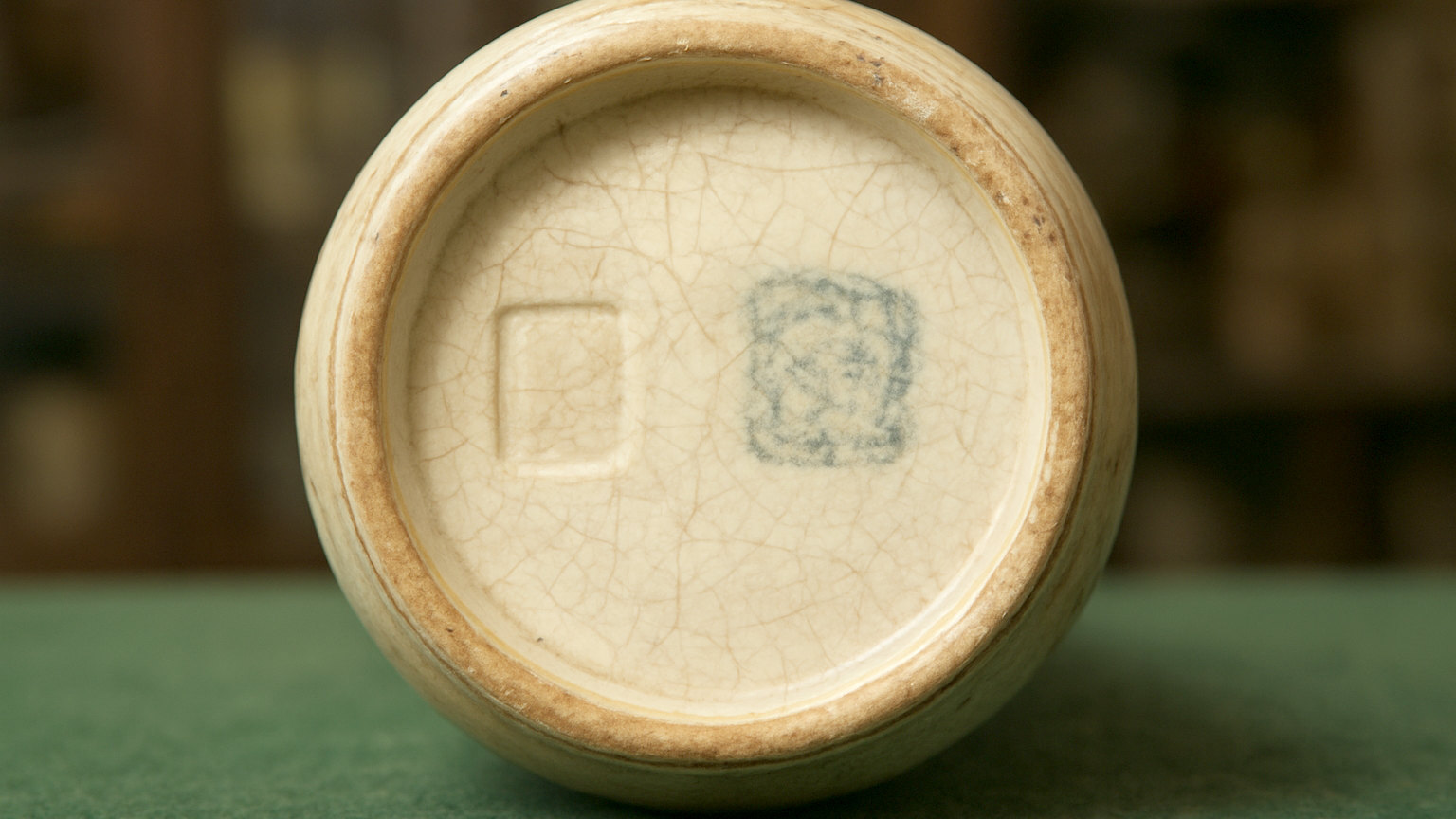
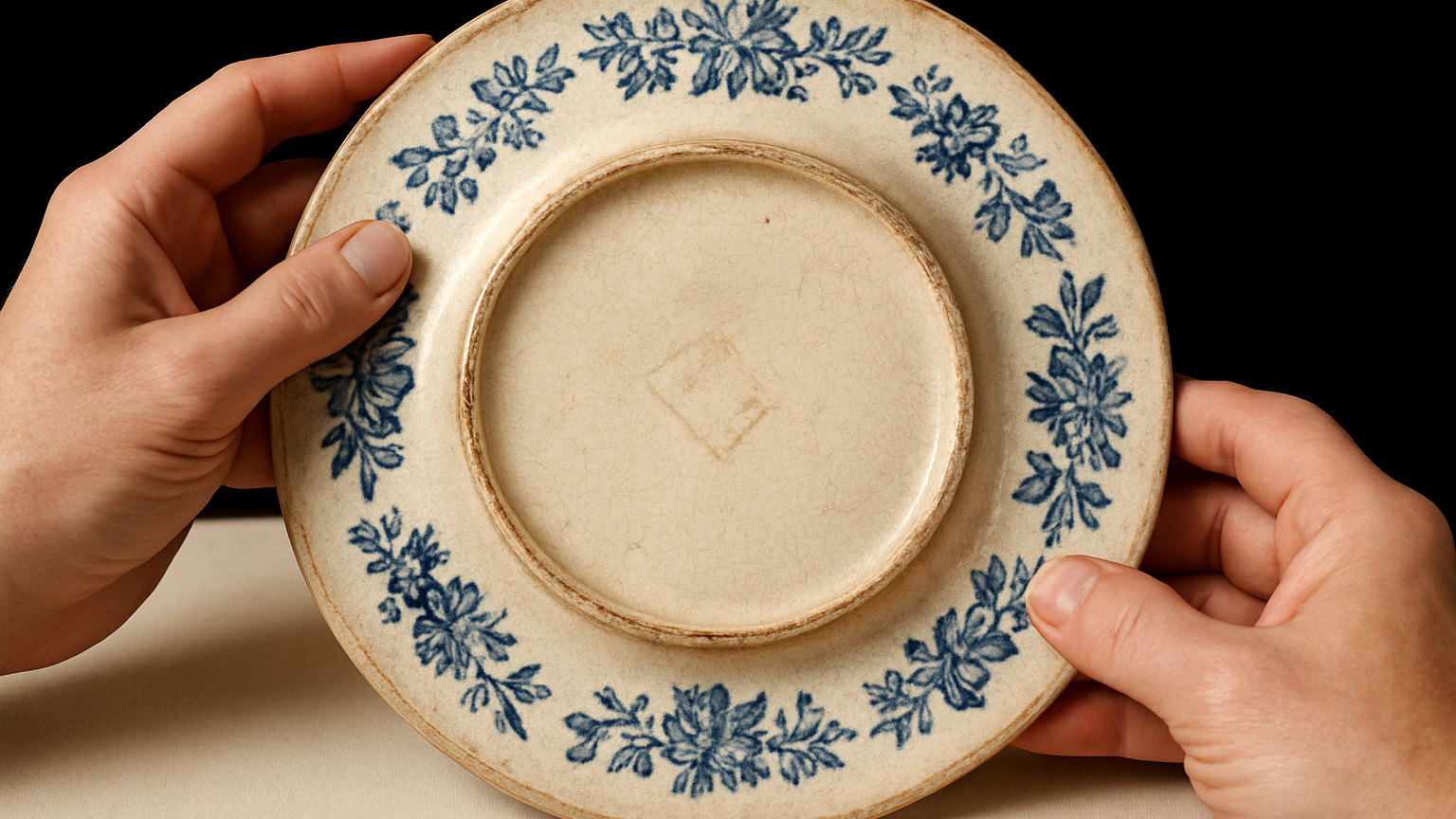
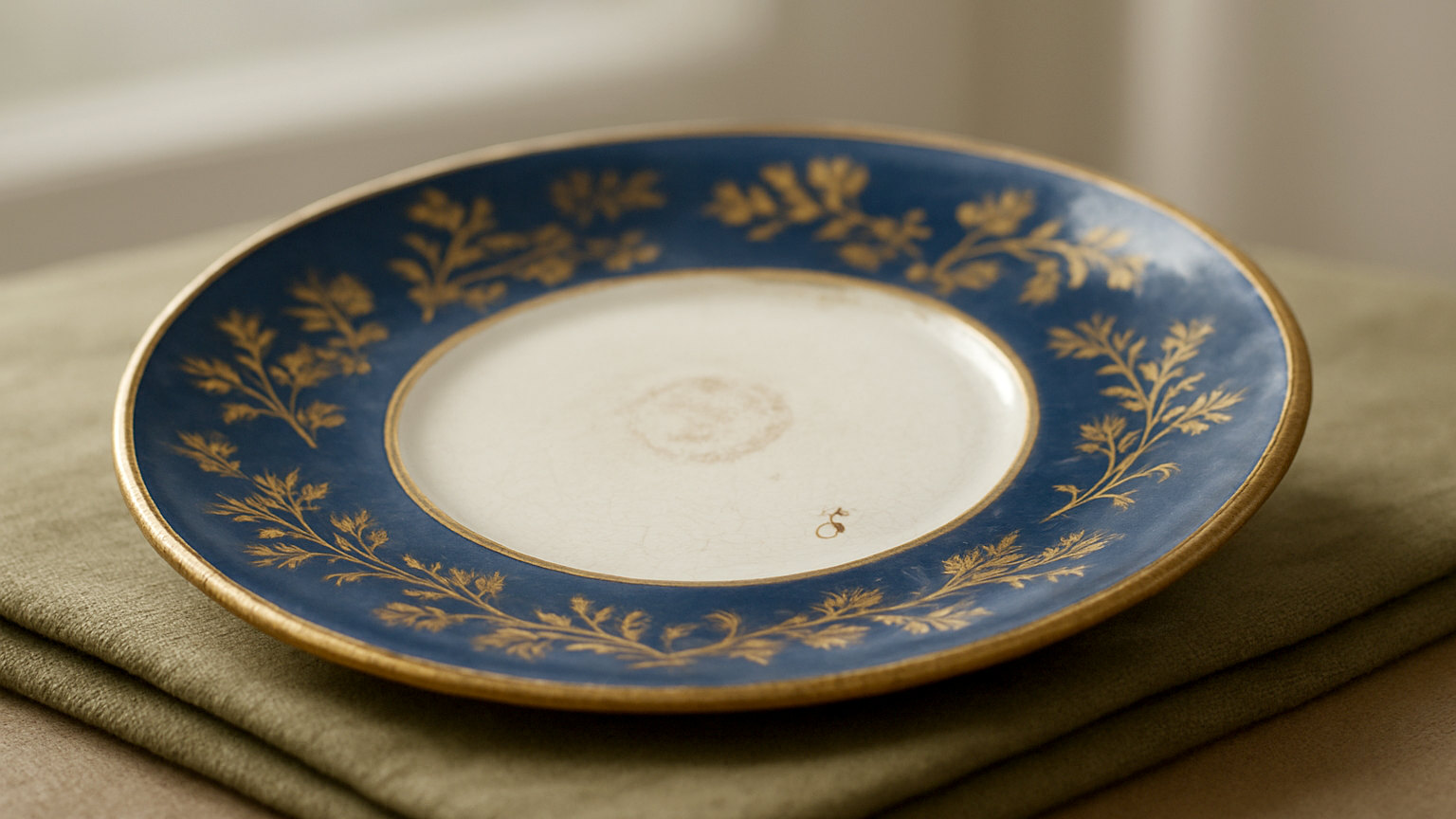
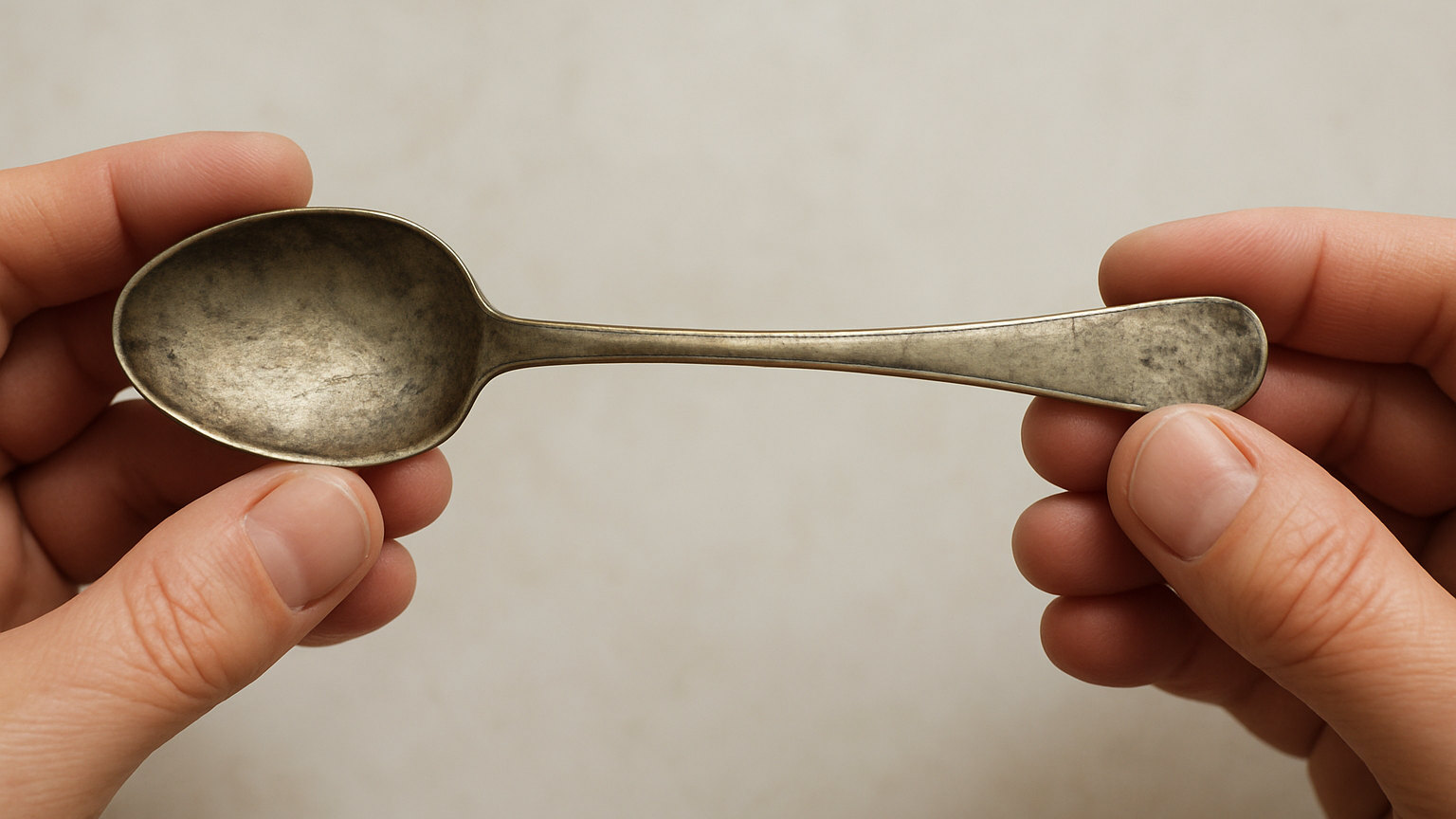
On silver, marks sit on the base, the underside of a handle, the rim of a lid and on each detachable part separately. On ceramics they are on the foot rim. On clocks the name is usually on the dial or engraved on the movement backplate. On glass, look for an acid mark near the base, which needs raking light to see at all.
What can a mark actually tell you?
A mark carries more than a name. It gives you a workshop, a town, and through trade directories a range of years in which that workshop operated at that address. A firm that moved premises three times has handed you three date brackets, because the address in the mark narrows the piece to the years it traded there.
The mark also tells you what the object was meant to be. A retailers mark is not a makers mark, and the two are frequently confused. Large retailers commissioned work from many small workshops and put their own name on it, so a well known shop name may tell you where a piece was sold rather than who made it.
How do you read a mark that has almost gone?
Worn marks are the normal case rather than the exception. Take the object to a window and hold it so light rakes across the surface at a low angle rather than falling straight onto it. A struck mark is a depression, so it casts small shadows that vanish under direct light.
Photograph it with the phone light held to one side rather than using the flash, turning the object between shots, because different parts of a worn mark catch the light at different angles. Do not attempt to improve a mark by polishing. Cleaning away the darkened residue inside a struck mark makes it harder to read, and removes surface that cannot be put back.
Which reference sources are reliable?
Published mark encyclopedias for silver, ceramics and clocks remain the most dependable starting point, because they were compiled from assay records and trade directories rather than from guesswork. Museum collection databases are excellent for cross checking, since each object there has usually been examined in person by a specialist.
Treat image search results with real caution. A visual match tells you two marks look alike, which is a much weaker claim than saying they are the same mark. Small workshops copied the initials and shapes of larger ones constantly, and later reproductions carry deliberately similar marks.
Why do so many genuine antiques carry no mark at all?
Marking was only compulsory for precious metals. Furniture makers, potters and glassmakers marked their output when it suited them commercially and left it plain when it did not, so an absent mark is normal and says nothing about quality or age.
Provincial workshops working for a local market had little reason to mark anything, and much of the best country furniture is entirely unmarked. When there is no mark, the object still dates itself through construction.
When does a mark suggest a reproduction?
Three things should make you pause. A mark that is unusually crisp on an object showing heavy wear elsewhere is inconsistent, because a struck mark wears at roughly the same rate as the surface around it. A mark with soft rounded edges and a slightly grainy surface suggests it was cast into a copy rather than struck into the original.
A mark naming a country of origin generally indicates a later date, since that requirement arrived with modern import rules. None of these alone proves anything, but two together are worth taking seriously before you pay a period price.