A console is a table designed to stand permanently against a wall, frequently as one of a pair flanking a chimneypiece or standing beneath a mirror. That single design decision explains everything about how they were made, since the back was never intended to be seen and was therefore left unfinished.
What defines a console table?
A table with a decorative front and sides and a plain unfinished back, usually shallow in depth, sometimes with only two front legs and brackets fixing it to the wall.
Some are freestanding on four legs, with the rear pair plainer than the front. Pier tables are a related form made for the space between two windows. In every case the front is where the craftsmanship went.
What does the back tell you?
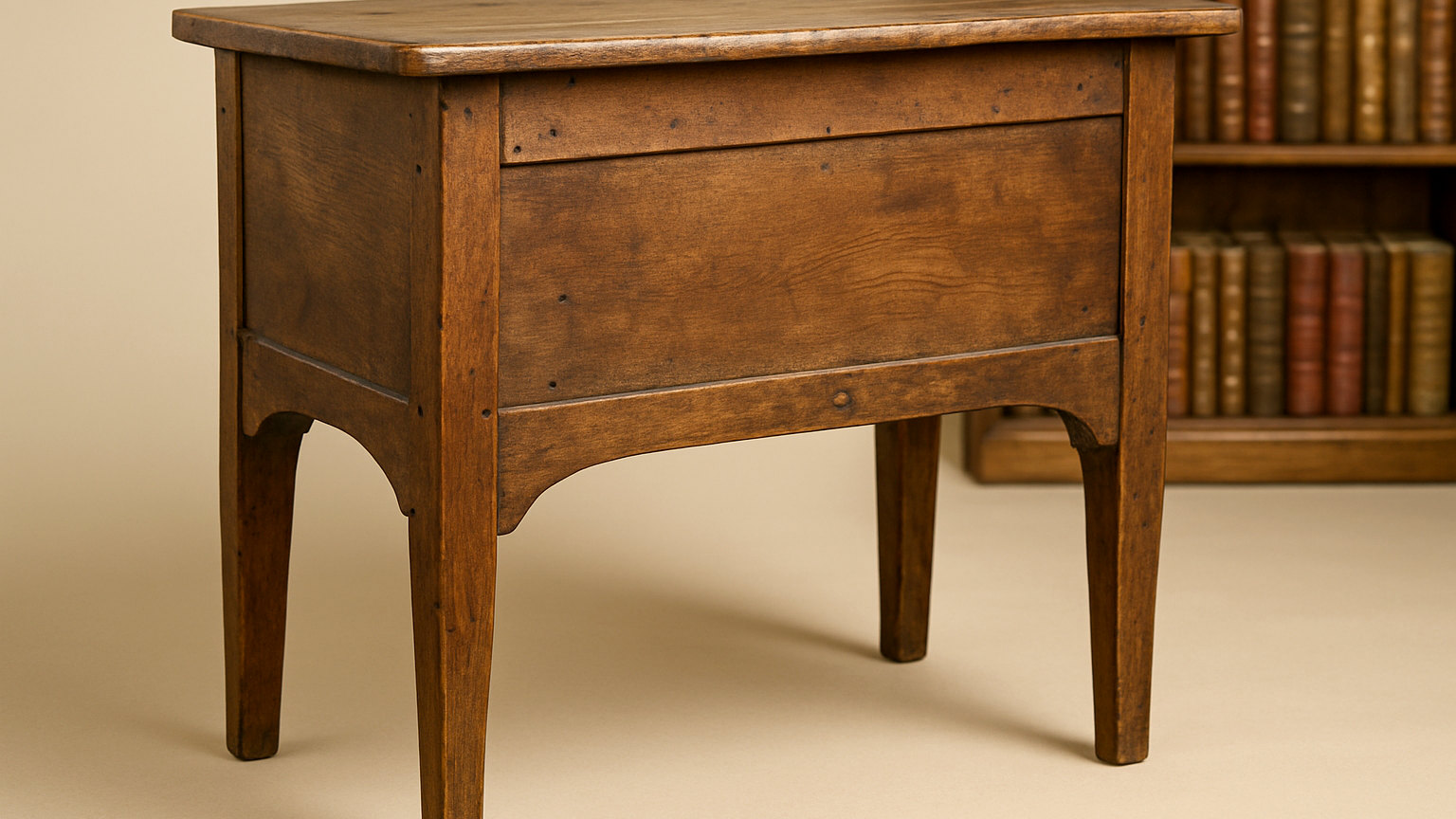
A great deal, because nobody finished it. The rear rail should be plain, the rear legs may be simpler than the front, and the underside of the top will show tool marks and unpolished timber.
That asymmetry is correct rather than a fault. A console with a fully finished back is either a different form or has been altered, and the difference is worth establishing since it changes what the piece actually is.
What about the top?
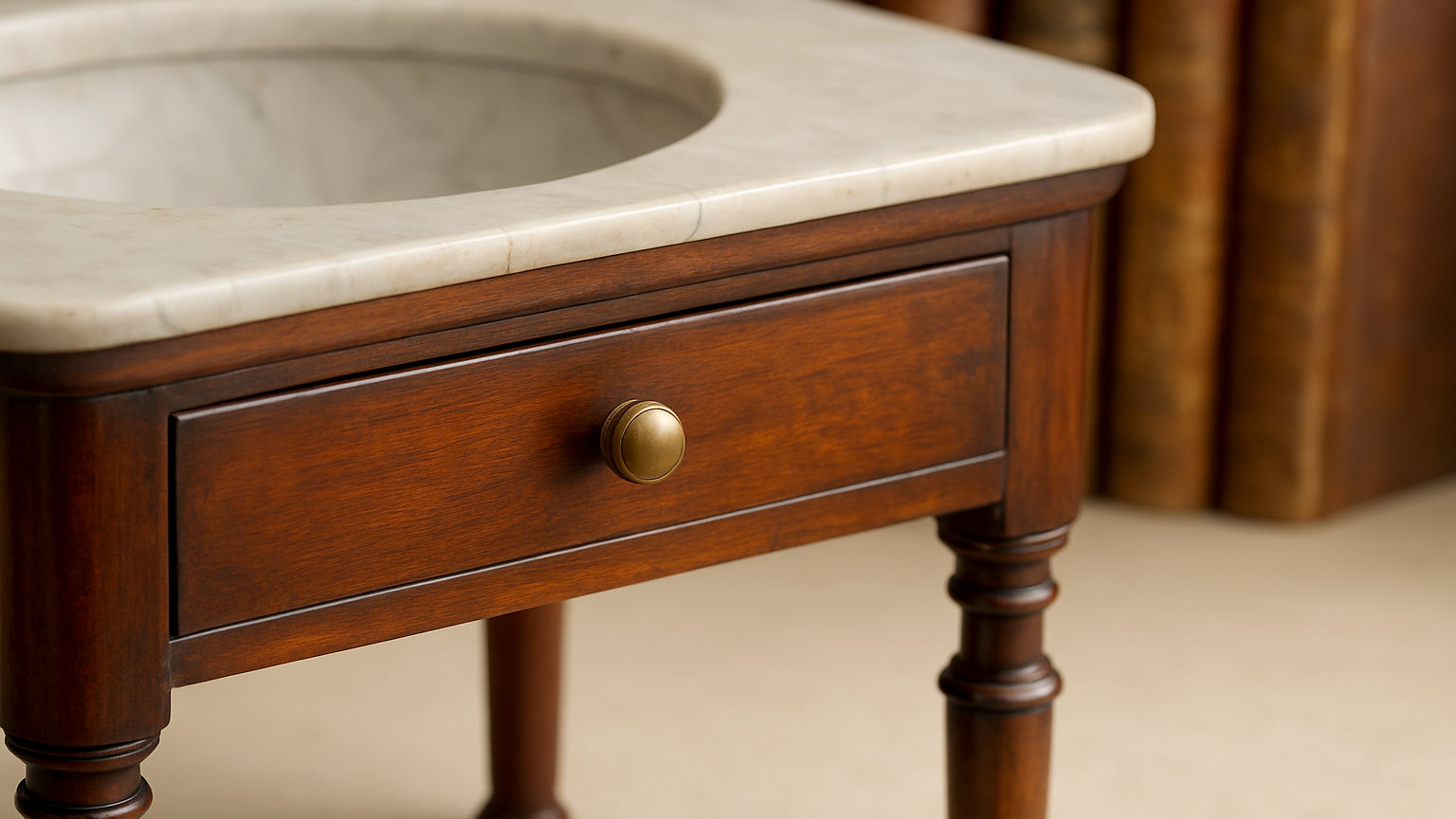
Frequently marble, chosen for durability and appearance, and sometimes scagliola or a specialist painted finish imitating stone.
Check whether the top is original by looking at the fit, the edge moulding and the underside. Replaced tops are common, since marble cracks. Look for repairs, filled chips and staining, and check the top sits flat without rocking on its frame.
How do you assess a gilded frame?
By the gesso and the gilding, exactly as with a mirror frame. Most decorative console frames are a timber carcass covered in gesso, carved or moulded, then gilded.
Look for red bole showing through worn gilding on the high points, which indicates water gilding and real gold leaf. A uniform brassy finish reaching into every recess suggests modern gold paint. Small gesso losses are normal; extensive replacement reduces value.
What are the common alterations?
Reduction in height and depth, replaced tops, and the addition of rear legs to a piece originally fixed to the wall. All three occur regularly.
Look underneath for cut ends on the frame, fresh timber, and fixings that do not match. Check the proportions against the form: a console that seems unusually deep for its height may have been altered, and one that seems low may have lost height at the feet.
Do they come in pairs?
Frequently, and a genuine pair is worth substantially more than two singles. They were made to flank a fireplace or to stand between windows.
Compare the two carefully: height, depth, the exact profile of any carving, and the marble tops for matching colour and veining. Assembled pairs occur, and on gilded pieces the gilding should show comparable wear on both.
What condition issues matter?
Gesso losses, gilding wear, marble damage and stability. Check that the frame is sound by pressing gently on the top and feeling for movement in the joints.
Where a table was designed to be wall fixed, it may be unstable freestanding, which is a practical rather than a condition issue but matters for use. Check the rear rail for fixing points and evidence of brackets.
How should one be positioned?
Against a wall, as intended, ideally fixed if it was designed to be. A console table with two front legs and a wall fixing is genuinely unstable without it.
Keep marble tops away from anything that stains, since marble is porous and wine, oil and citrus all mark it permanently. Use coasters, and clean with nothing stronger than warm water, since acidic cleaners etch the surface.
Are they good value?
Small consoles are useful and reasonably priced, since they fit hallways and narrow spaces where little else works. Large gilded examples are harder to place and cheaper than the workmanship deserves.
Buy on the quality of the frame and the condition of the gilding, and check the marble carefully since replacing it well is expensive. A genuine pair, if you can accommodate both, is far better value bought together than separately.