The dining table is the piece most likely to have been altered, for an obvious reason: it was made for a room that no longer exists in most houses. Shortening a table is straightforward joinery, it happened constantly, and a reduced table is worth a great deal less than an original one. The evidence is underneath.
What are the main forms?
Pedestal tables standing on one or more turned columns with splayed legs, framed tables on four or six legs, and extending tables using a mechanism to separate the top and admit leaves.
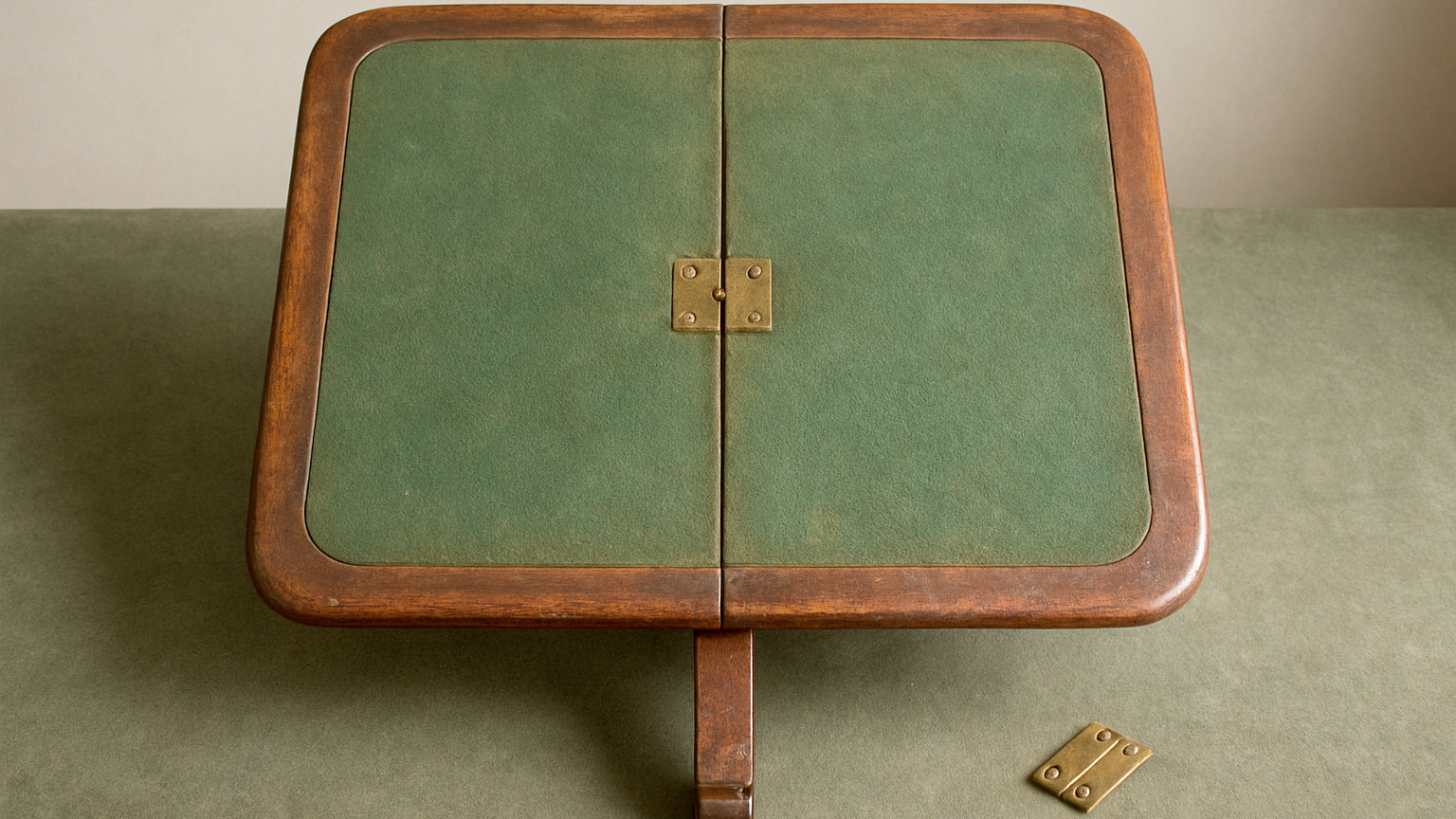
Some are made in sections that join together, with the ends usable as separate tables. Extending tables use either a simple pull apart frame or a screw mechanism operated by a handle, frequently called a wind out. The mechanism type helps date the piece.
How do you spot a cut down table?
By the frame and the proportions. On a pedestal table, count the pedestals and check the spacing looks right for the length of the top. A three pedestal table reduced to two shows in the spacing.
Look underneath at the frame rails and bearers for cut ends, fresh timber, and joints that do not match the rest. On an extending table, check whether the runners have been shortened, which shows as a saw cut across timber that is otherwise weathered.
Why do the leaves matter so much?
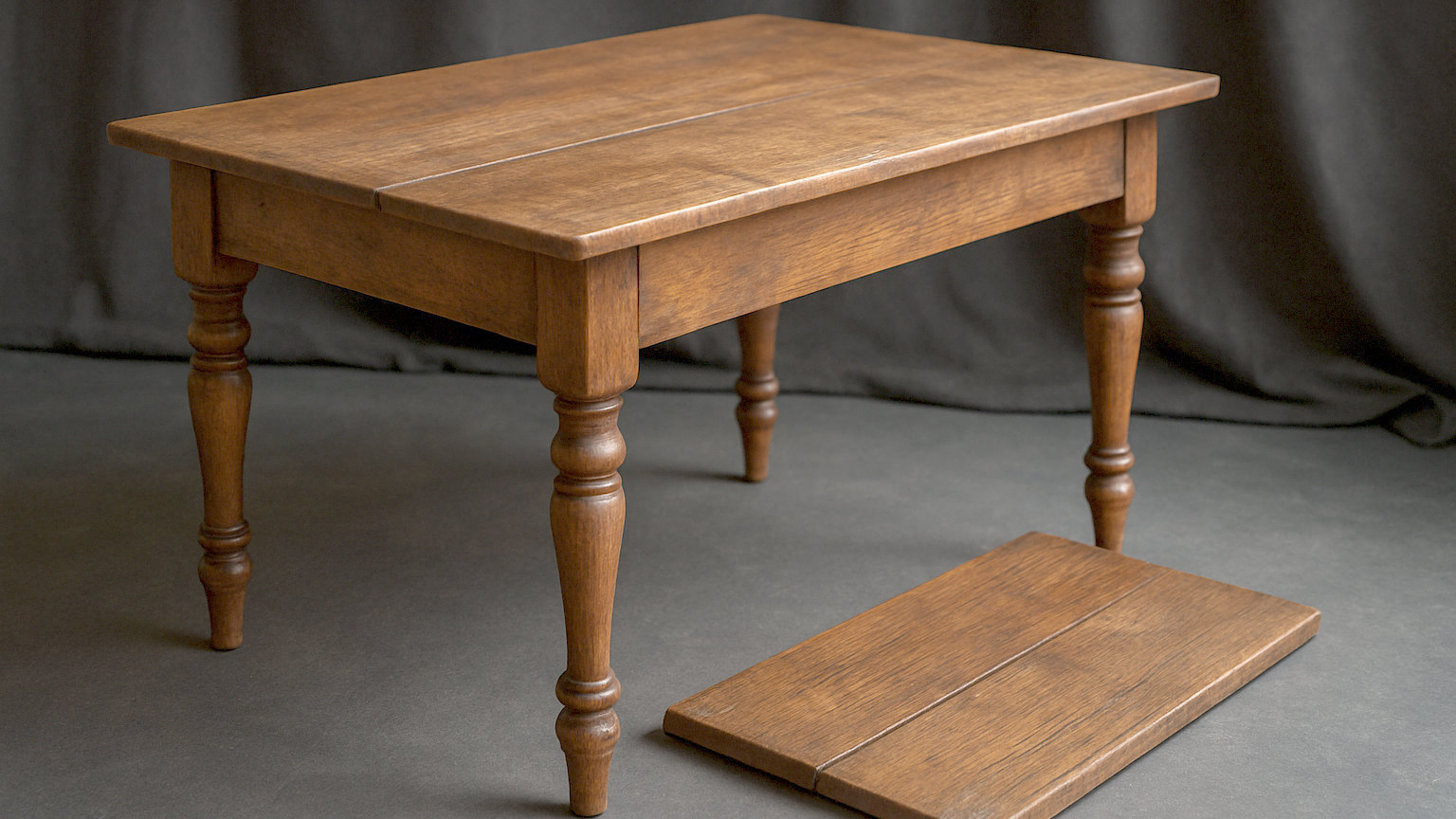
Because an extending table without its leaves is worth a fraction of a complete one, and matching replacements is extremely difficult. Leaves are separate boards that were stored elsewhere and lost constantly.
Count them and check each one fits properly, sits level with the top, and matches in timber, figure and colour. Leaves that have been stored in a loft while the table stood in a room will have aged differently, and a slight difference is normal, but a leaf of noticeably different timber has been made later.
How do leaves attach?
Usually with metal clips beneath, or with dowels and matching holes in the table edges. Check that all the fittings are present and that the alignment is accurate.
Look at the edges where leaves meet the main top. The joint should close cleanly along its whole length with no step. Gaps, packing or misaligned dowels indicate leaves from another table or a top that has warped. Test by fitting every leaf rather than assuming.
What should you check on a pedestal base?
The joints where the legs enter the column, which take all the load and frequently fail. Look for splits radiating from each socket and for repairs using screws or metal plates.
Check for an iron strengthening plate underneath, which is normal on quality tables, and whether it looks original or covers a repair. Compare the legs for matching timber, carving and wear at the feet. Replaced legs are common and detectable by colour.
How does shrinkage help?
It confirms genuine age. Timber shrinks across the grain and barely along it, so a solid top made two centuries ago has become measurably narrower relative to its length.
On a circular top, measure across the grain and along it: a genuine old top will be slightly oval. On a rectangular top, look at the ends where the top overhangs, since shrinkage frequently leaves the top narrower than the frame beneath it in one direction only.
What about the wind out mechanism?
Check it works before buying, since these seize and the threads strip. Turn the handle through the full travel and back, listening for binding.
Look at the screw thread and the guides for wear, damage and crude repair. A missing handle is common and replacements can be found. A stripped thread or a broken screw is a serious repair, so operate the mechanism yourself rather than accepting an assurance that it works.
Are they good value now?
Large ones are extraordinarily cheap, because very few rooms take a table for twelve. Smaller tables of practical size hold their value far better.
Measure your room and the route in, since a large rigid top may not turn a stair or pass a doorway. Check the leaves are all present before agreeing anything, since that single factor changes the value more than age, maker or condition of the surface.