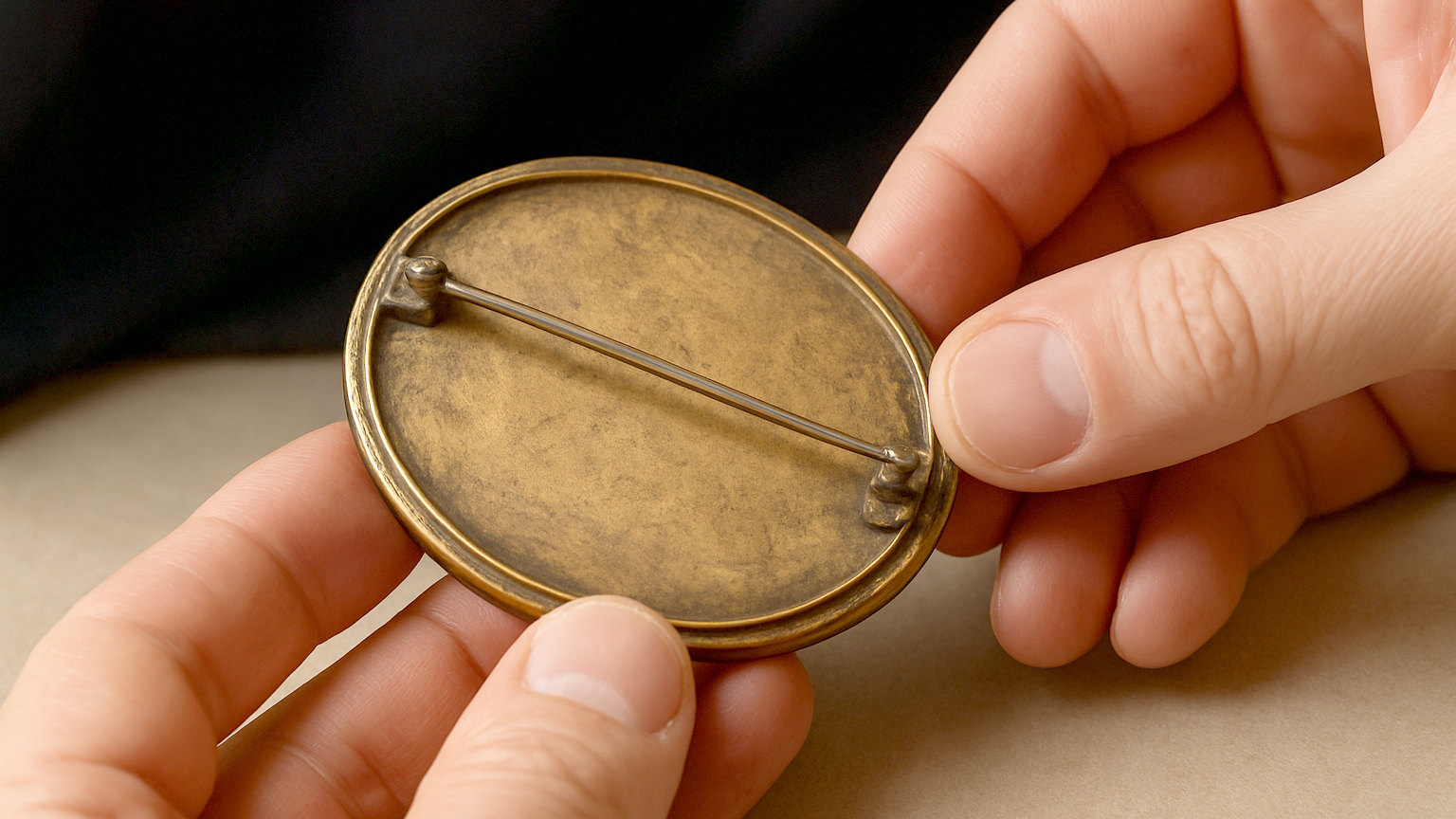
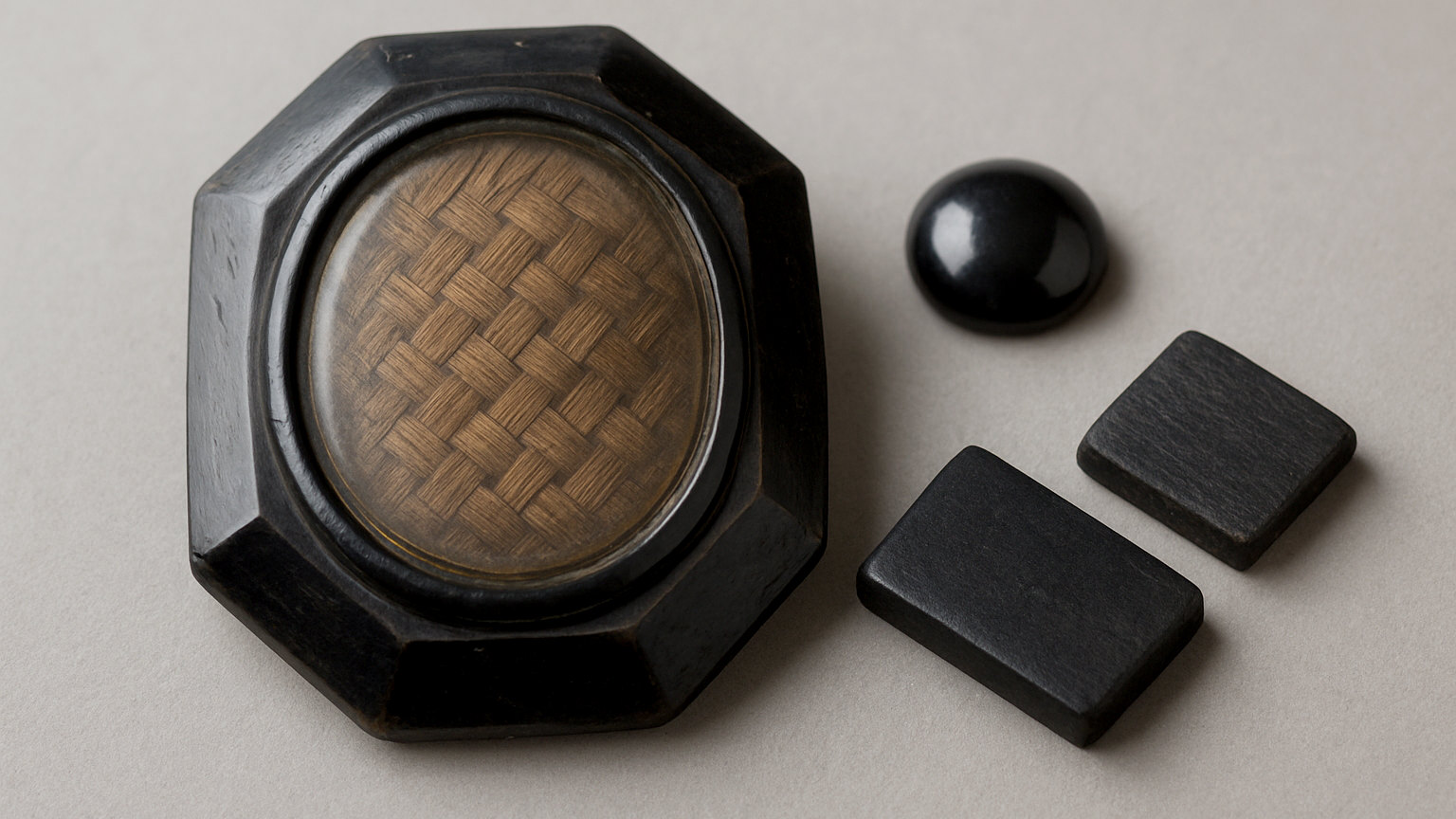
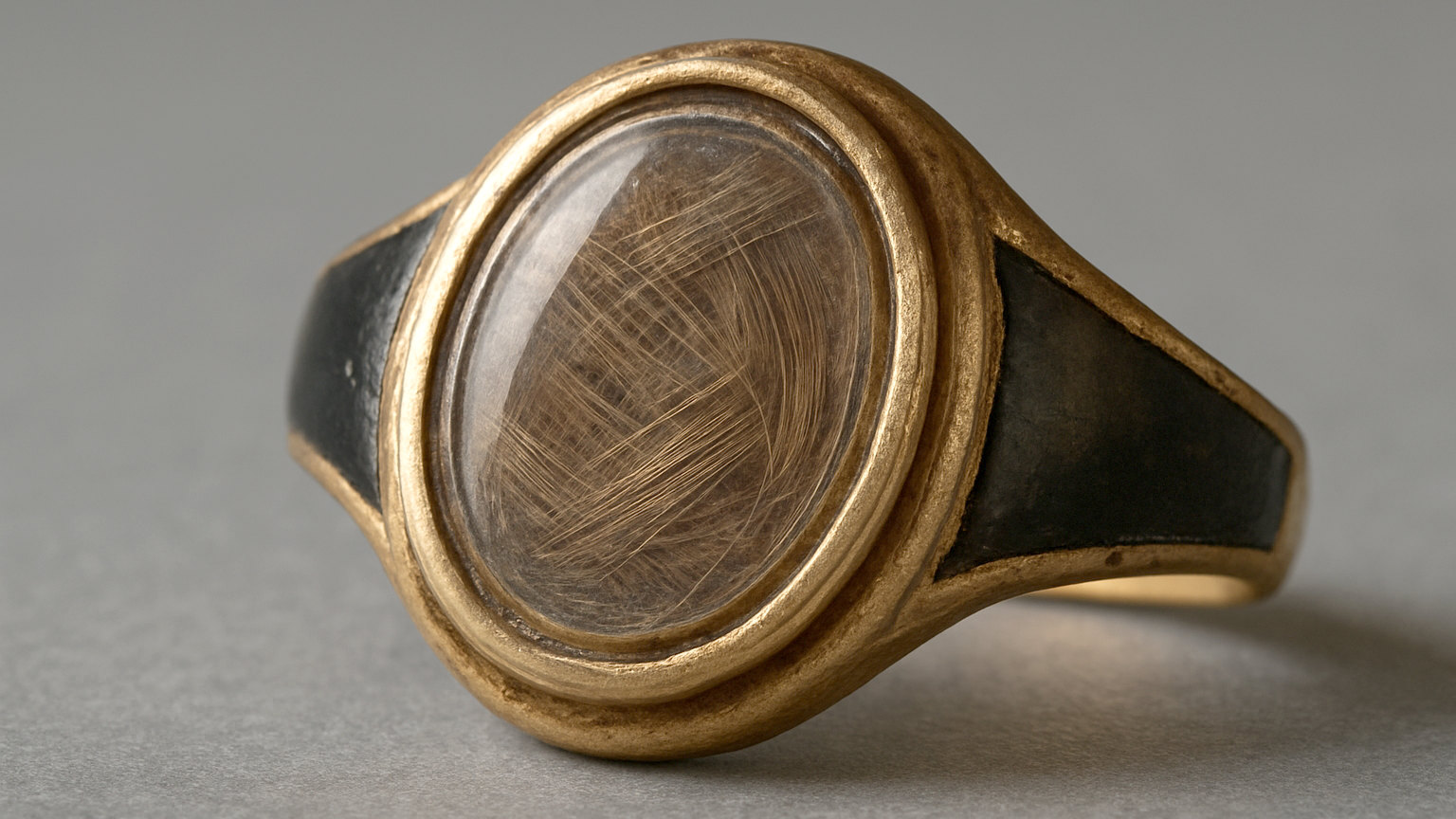
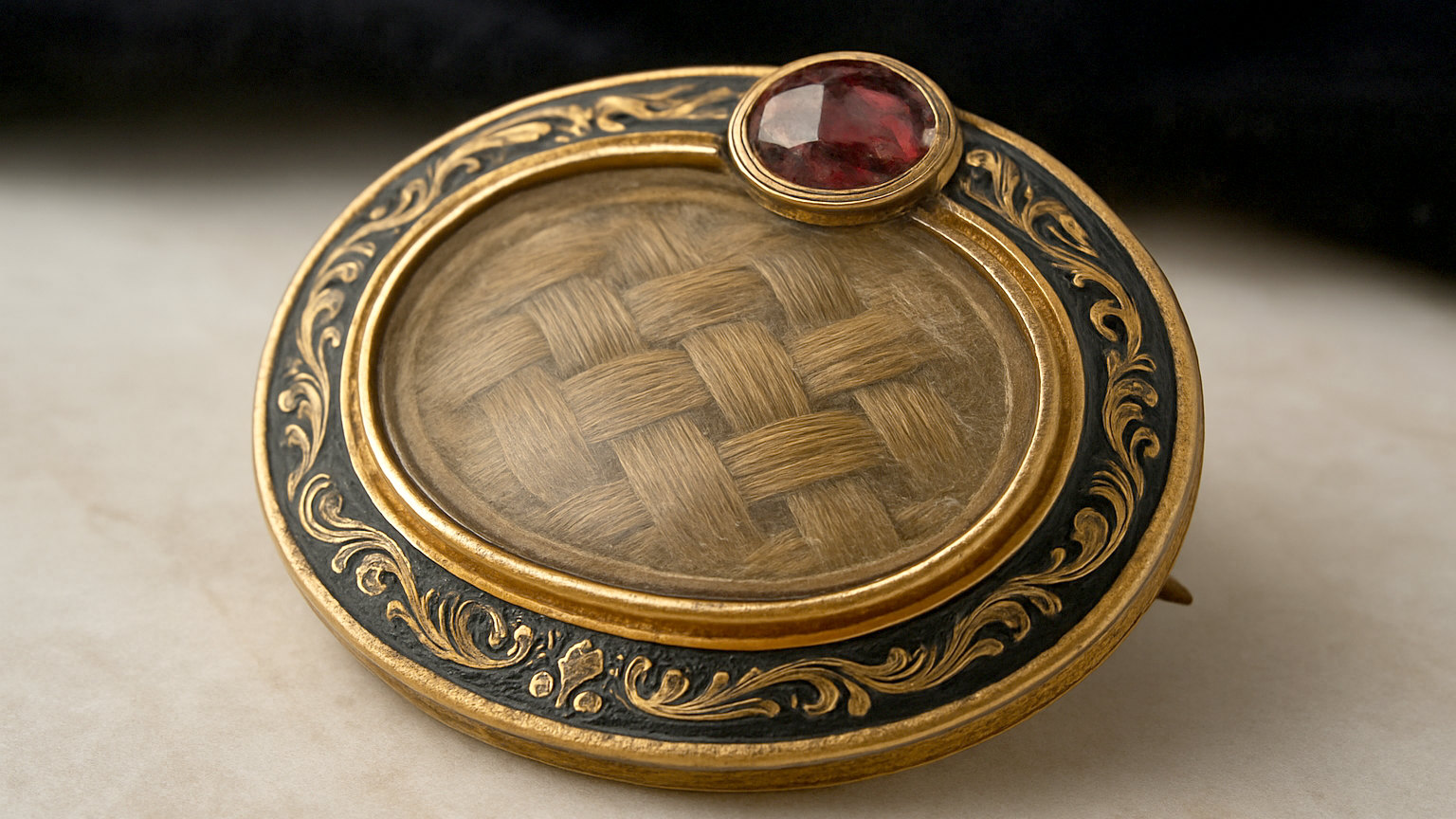
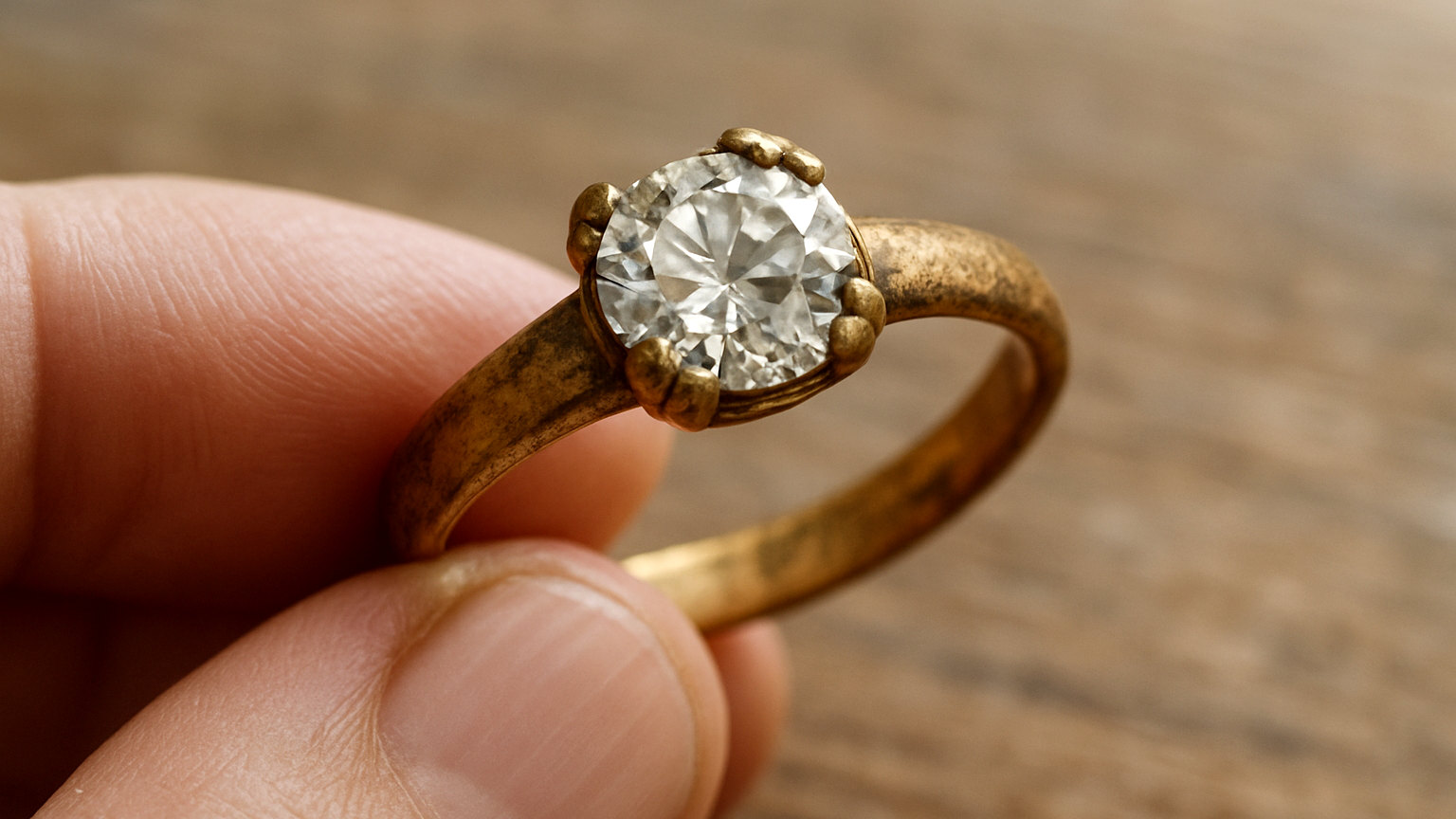
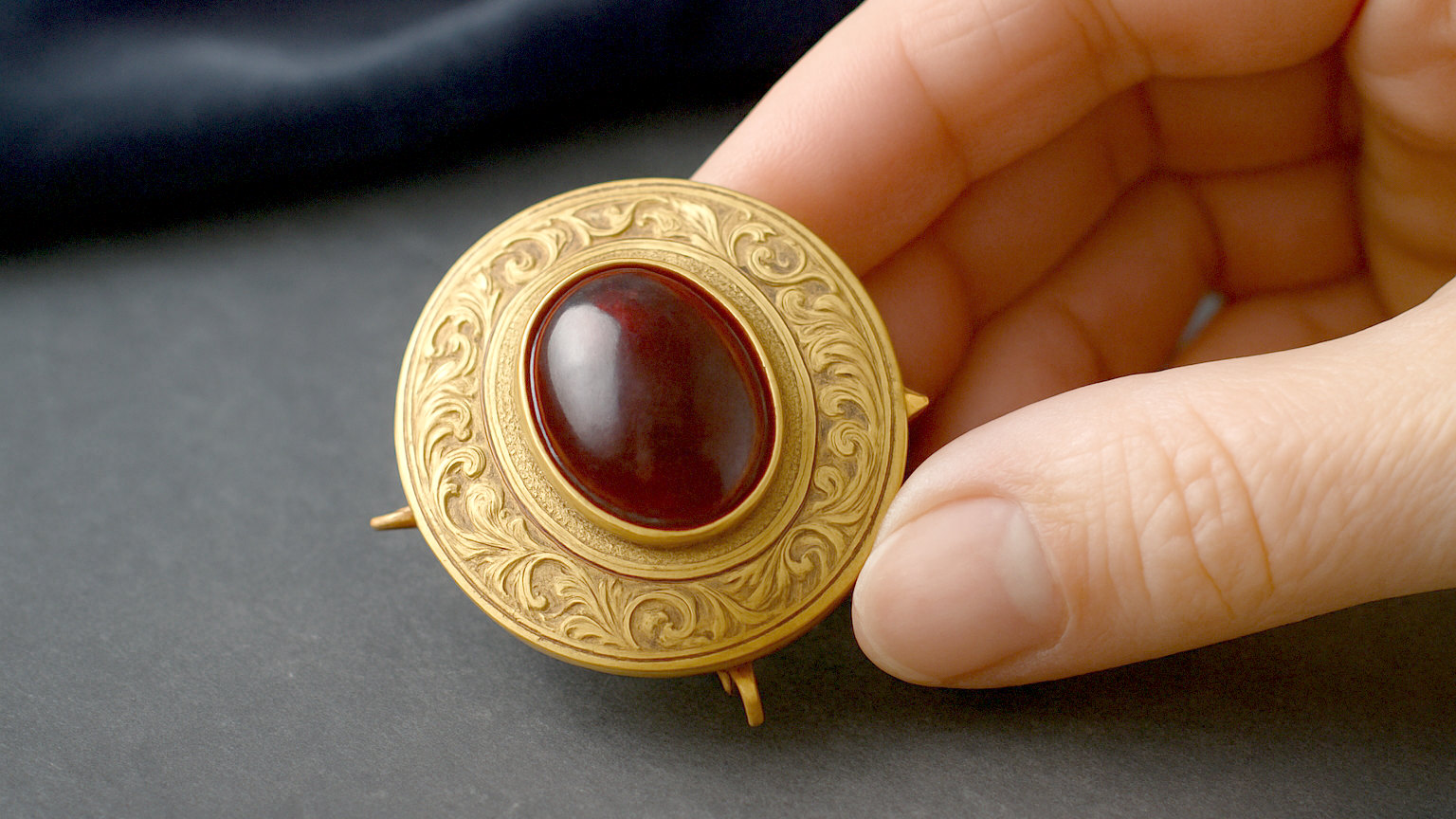
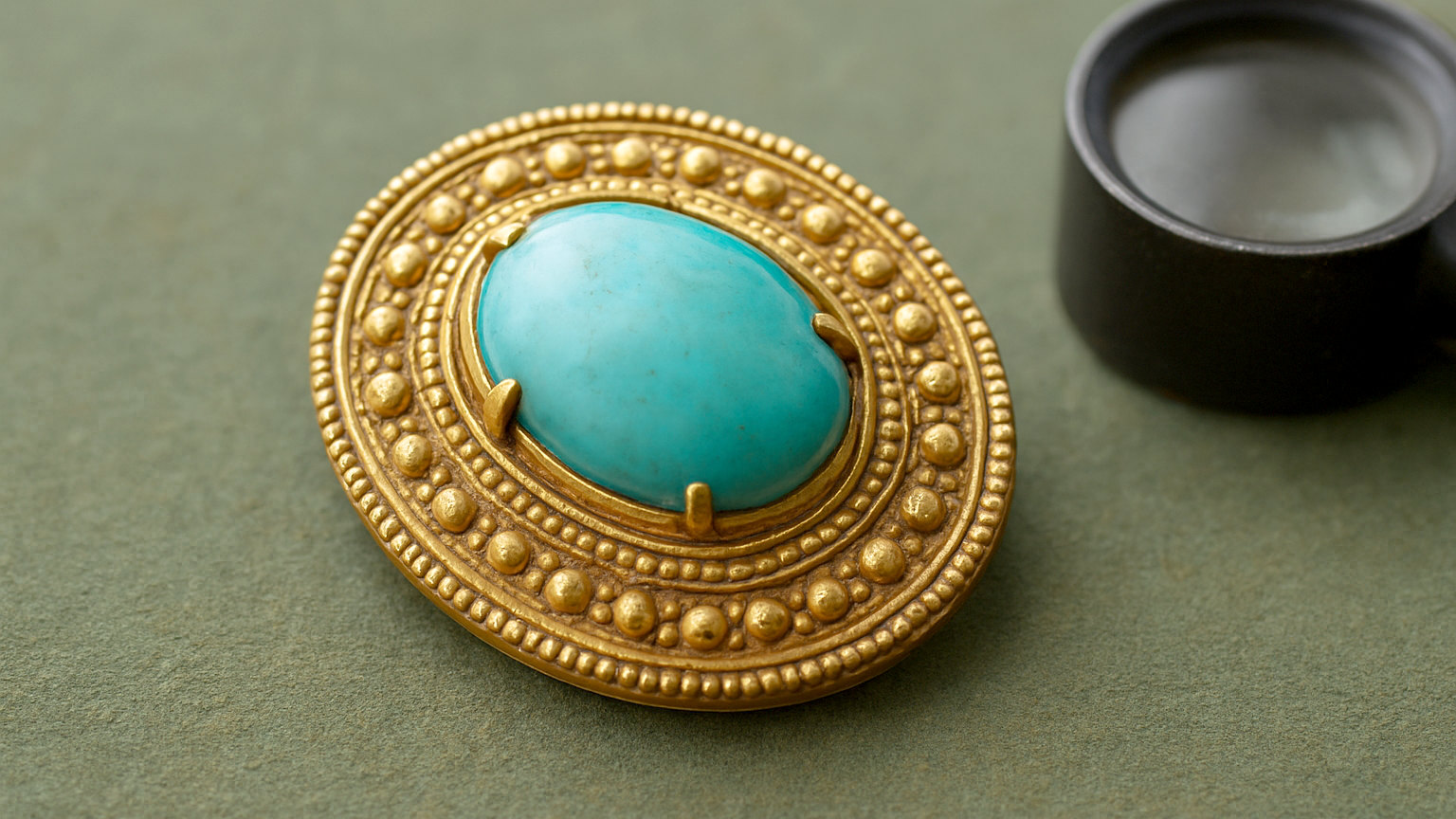
Period jewellery is often worth substantially more intact than the sum of its stones and metal, and the trade buys a great deal of it by weight regardless. These guides cover Georgian, Victorian, Edwardian, Art Nouveau and Art Deco jewellery, closed-back and foiled settings, old mine and rose cuts, mourning and sentimental pieces, and how to test metal without damage.
Period jewellery is often worth substantially more intact than the sum of its stones and metal, yet the trade buys a great deal of it by weight regardless.
By Antique Guides Editorial12 May 2026
Newsletter
One guide a week, and what things actually sold for
New identification and valuation guides, notable auction results, and the occasional reminder that the thing in your loft may be worth rather more than you think.